
Jellyfish Types: Drifting Predators of the Sea
Jellyfish types explained: from box jellyfish to moon jellies, discover the diversity, secrets, and true dangers of these fascinating sea predators.
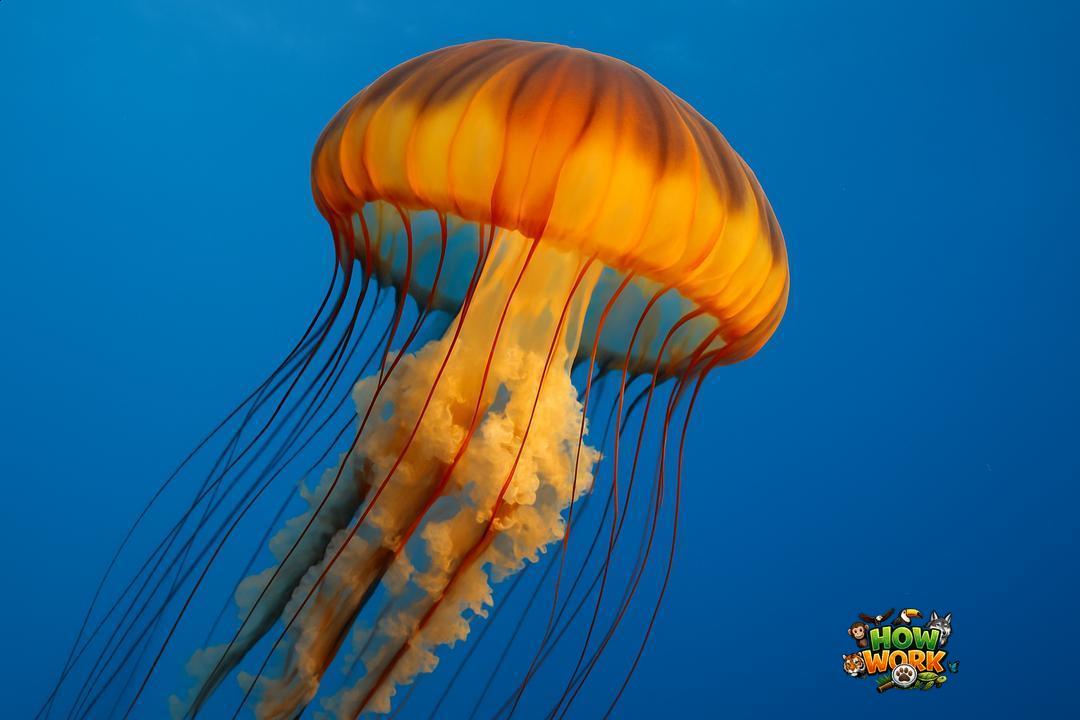
Ever wondered how something without a brain or bones could rule the ocean’s food web? Jellyfish seem like drifters, graceful yet ominous, bobbing with the current, until you realize they’re perfectly built for survival in ways that put sharks to shame.
For over 550 million years, jellyfish types have swarmed the seas, ranging from golf ball-sized moon jellies to the tentacled giants and infamous box jellies with their potent venom. They aren’t just random blobs: their anatomy, behaviors, and even their vision systems are marvels of evolution, some can even regrow lost parts, and the deadliest boast eyes more complex than many fish.
Most guides skim the surface, focusing only on sting dangers or listing odd facts. But there’s rarely a guide that ties together how jellyfish groups differ, why some are so dangerous, or what makes their lifestyles so unique among sea creatures.
This article dives deep. We’ll explore key groups, bust myths about venom, and reveal the awe-inspiring biology behind jellyfish’s success. Whether you’re a beachgoer, diver, or animal enthusiast, you’ll come away seeing jellyfish in an entirely new light. Let’s meet the sea’s most successful drifters.
What makes a jellyfish a jellyfish? Anatomy, life cycle, and more
Jellyfish don’t look like most ocean animals you know. What sets them apart? It’s all about their bodies and their incredible life cycle.
How jellyfish bodies differ from other sea animals
Jellyfish bodies are like floating umbrellas, soft, 99% water, and with no brain or bones.
Their bell is made of a simple jelly called mesoglea, sandwiched between two thin layers of cells. That means they’re nearly weightless and move by pulsing the bell to push water behind them.
Unlike fish or squid, jellyfish use a nerve net (not a brain), letting them respond to light or touch anywhere. Their key feature? Stinging tentacles, packed with cells called nematocysts, fire on contact, protecting them from predators or catching food.
Some, like box jellyfish, can have clusters of eyes and venom strong enough to harm humans. A practical tip: if you see jellyfish in the water, watch out, even the invisible tentacles can sting.
Jellyfish life cycles: from polyp to medusa
Jellyfish go through a complex, two-stage life cycle, from bottom-dwelling polyp to drifting medusa.
Here’s how it works: Jellyfish start as tiny eggs. These hatch into ciliated planula larvae, which attach to rocks as a polyp, a small, stalk-like form that can clone itself and survive for years if needed.
When conditions are right, the polyp buds off ephyra (baby jellyfish), which grow into the classic adult shape called the medusa. This stage swims, eats, and reproduces, completing the cycle.
The moon jelly and the notorious Turritopsis, known as the “immortal jellyfish,” both follow this cycle. Some species can even turn from medusa back into polyp, dodging death and starting over, a trick scientists are still studying.
Meet the main jellyfish groups: scyphozoa, cubozoa, and hydrozoa
Not all jellyfish are the same. Scientists split them into three main groups, each with its own shape, size, and tricks for survival.
The classic ‘true’ jellyfish (Scyphozoa)
Scyphozoa are the classic true jellyfish, big, bell-shaped, and what most people picture in their heads.
This group includes about 200 known species. Some, like the lion’s mane jelly, can reach up to 2 meters across and form massive jellyfish blooms miles long. Their tentacles are packed with stingers for catching food or protecting themselves. If you see big, colorful jellies near a pier or washed up, they’re usually scyphozoans.
The notorious box jellies (Cubozoa)
Cubozoa are notorious for the world’s most dangerous venom and cube-shaped bodies.
They may be smaller (often 15-25 centimeters wide), but their sting can be deadly. The infamous sea wasp (*Chironex fleckeri*) has advanced complex eyes, a rare feature for jellies. If you’re swimming in the tropics, check warnings for box jellies and wear protective suits when needed. Even small ones pack a punch.
Tiny but surprising hydrozoans (Hydrozoa)
Hydrozoa make up the largest group, with huge variety and many tiny, almost invisible jellies.
This group ranges from solitary drifters to massive colonies. Many hydrozoans never even grow into medusae, some look more like sea moss than jellyfish. If you spot thin, thread-like jellies or floating colonies, you’ve likely met a hydrozoan. For aquarium lovers, these are sometimes sold as “pet jellyfish”, just be sure to know exactly what species you’re getting.
Record breakers and oddballs: the largest, smallest, and strangest jellyfish
Jellyfish break records. The biggest, smallest, and weirdest types live in oceans all over the world, and some are still being discovered.
Biggest jellyfish species and their habitats
The lion’s mane jellyfish is the largest jellyfish ever recorded.
One found in 1870 was 120 feet (36.6 meters) long! These giants live in cold northern waters like the Arctic, North Atlantic, and North Pacific. Nomura’s jellyfish can reach 2 meters wide and 200 kg, swarming in the Pacific. Want to see giant jellies? Look for big barrel jellyfish swarms near the British Isles in spring.
Tiny jellyfish and unusual adaptations
Some jellyfish are tiny and almost invisible, measuring only 0.5 mm wide.
Tropical Irukandji may be small but are dangerously venomous. The giant phantom jelly shows off with ribbon-like arms, not stingers. Even the huge lion’s mane jellyfish only lives about a year! Small jellies often use fast cloning to survive big changes.
Rare or newly discovered species worth a look
Deep in the ocean, scientists find the strangest jellyfish with submersibles.
The Stygiomedusa gigantea is rare, up to 6 meters, barely seen even with new tech. The bus-sized phantom jelly is another oddball, lacking typical stingers. The “pink meanie” is a bright hunter that eats other jellies. Many of these deep-sea species might never have been found without underwater robots. If you’re curious, follow ocean research, there could be 300,000 species still out there!
Killer tentacles? Exploring jellyfish stings and venom
Some jellyfish stings feel like a quick zap. Others can be serious or even life-threatening. Here’s what really happens, and what you should do if it happens to you.
Why jellyfish sting, and how potent their venom is
Jellyfish sting with venom-packed cells on their tentacles.
These stings help capture prey, but they can also fire if you brush past. Most stings cause just pain and redness, though box jellyfish can be deadly if not treated fast. Every tentacle has thousands of stinging cells that can keep firing, even after breaking off.
What to do (and what not to do) if stung
Act quickly and avoid old myths: never use freshwater or rub the skin.
Rinse with seawater, not tap water. Remove tentacles with tweezers, a gloved hand, or even a seashell. Vinegar works for most jellies, skip it for Portuguese man-of-war. Best for pain? Hot water (about 106-113°F) for 30-90 minutes. Never use urine or ice. Go to the ER if you have trouble breathing or severe swelling.
Treating jellyfish stings safely
Different jellies call for different treatments.
For most, vinegar and hot water do the trick. Australian box jellyfish need antivenin and urgent care. Stings in kids or those with allergies should always get checked quickly. Still hurting after care? Oral antihistamines and 4% lidocaine cream can help. Hot water usually beats ice for relief. Remember, even detached tentacles in the sand can still sting, so watch where you step!
Jellyfish and us: roles in marine systems and surprising uses
Jellyfish aren’t just mysterious ocean drifters, they shape ecosystems and sometimes turn up in surprising places outside the sea.
Jellyfish as predators and prey in the food web
Jellyfish are key ocean predators and an important food for bigger animals.
They eat zooplankton, fish eggs, and even other jellies. In big blooms, like one in the Bering Sea, they ate up to 32% of zooplankton in a season. Sea turtles, sunfish, and seabirds rely on them for food, while smaller fish sometimes hide among their tentacles. If you’re out fishing and see jellies, you’re watching a crucial part of the marine food chain in action.
Bioluminescence and biomedical breakthroughs from jellyfish
Jellyfish glow thanks to special proteins scientists now use in medicine.
The green fluorescent protein (GFP) from certain jellies lets scientists track genes and even cancer cells in real time. These glowing proteins help study diseases like HIV and enable research in microgravity. If you see a glowing jellyfish in an aquarium, you’re looking at a natural source of scientific breakthroughs.
Jellyfish blooms and their impact on people and oceans
Massive jellyfish blooms can disrupt fisheries, power plants, and beaches.
When jellies appear in huge numbers, they clog fishing nets and even shut down power plants by blocking pipes. These blooms can close beaches and hurt local economies. On the bright side, some researchers think jellies may help other sea creatures, like oysters, by eating their competitors. If you’re swimming or boating during a bloom, always check reports and watch where you step!
Why jellyfish still matter: lessons from ancient survivors
Jellyfish still matter because they are ancient survivors, teaching us resilience and adaptation as oceans change.
Jellyfish have lived for over 600 million years, surviving all five mass extinctions, even outlasting the dinosaurs. There are more than 2,000 known species, and some scientists believe there could be up to 300,000 in total. Their secret? Shape-shifting life cycles that move from polyp to medusa form, letting them adapt to almost any marine environment.
Some, like the incredible Turritopsis dohrnii, are dubbed “immortal”, able to revert from adult back to baby again. Others, like the lion’s mane, can send out 30-meter tentacles to hunt. Jellyfish thrive in low oxygen, acidic, and even warming waters. Recent jellyfish blooms have clogged power plants and reshaped marine food webs, showing their growing impact as the oceans change.
They even help us on land. In Asia, millions of tons are harvested for food, while their genes guide research in neuroscience and medicine. As paleobiologist David Gold put it, “Whatever they’re doing has really worked for them.” If we study how jellyfish bounce back and thrive, we might discover clues for our own survival in a changing world. Next time you spot a jellyfish at the beach or in the news, remember, they’re not just drifters, but living proof of nature’s staying power.
The main types include box jellyfish (highly venomous, box-shaped bell), moon jellyfish (common, translucent, usually mild sting), and Irukandji jellyfish (tiny and very venomous). Each has different habitat preferences and sting risks.
Box jellyfish and Irukandji are considered the most dangerous, especially in tropical Australian waters. Their stings can cause severe pain and may require immediate medical attention.
Jellyfish life cycles have two stages: the polyp (attached to surfaces) and the medusa (the familiar free-swimming adult). Environmental factors can trigger large jellyfish blooms.
Stings from venomous species like box jellyfish and Irukandji can be life-threatening, while others, such as moon jellyfish, usually cause only mild discomfort. Safety precautions are important when swimming in areas with known jellyfish risks.
Jellyfish blooms influence marine food webs and may harm fisheries or tourism. Their presence can affect biodiversity and sometimes even benefit other species like oysters.