
Marine Mammals: Warm-Blooded Ocean Dwellers
Marine mammals fascinate with their unique adaptations and vital ocean roles. Discover how these warm-blooded creatures shape marine ecosystems.
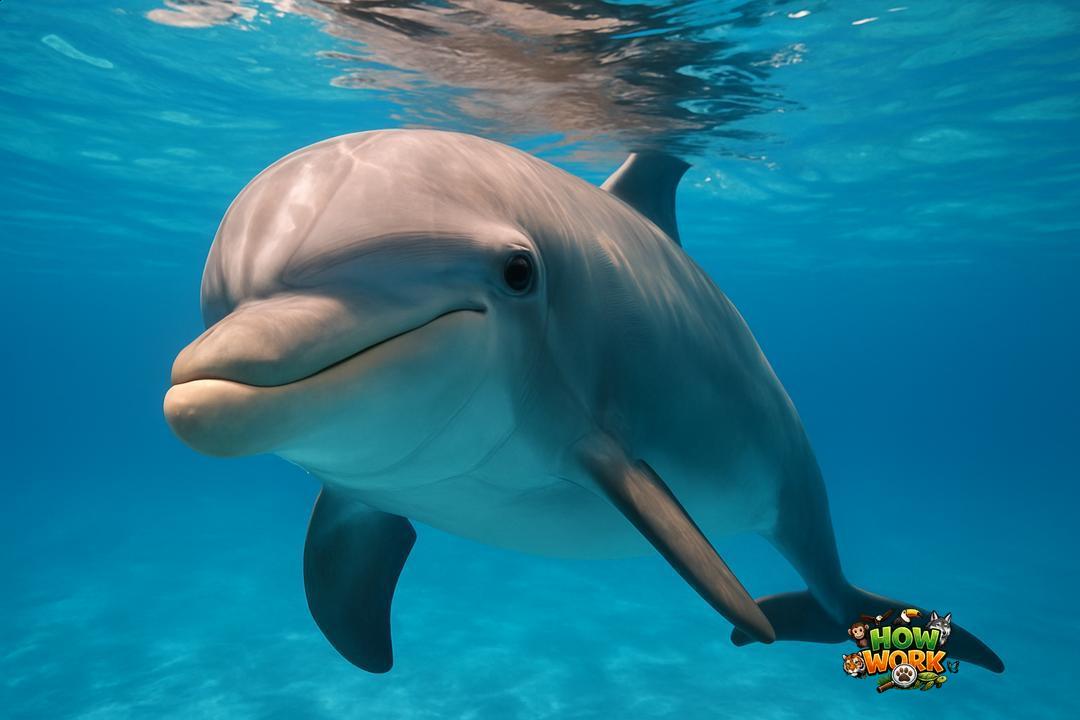
Imagine gliding through chilly ocean waters, breathing air at the surface, yet calling the depths your true home. That’s life for marine mammals, some of Earth’s most fascinating and misunderstood creatures.
While many know dolphins or whales by sight, fewer realize how much the health of our oceans, and even coastal economies, depends on these animals. Marine mammals act not just as top predators or awe-inspiring wildlife; they’re also critical “ecosystem engineers,” fueling everything from fish populations to nutrient cycling. Research reveals that a single whale can influence entire ocean regions just by feeding and excreting nutrients.
Yet, much of what people hear boils down to simple fact sheets or viral rescue stories. This misses the complexity, adaptability, and daily challenges these creatures face, plus the real ways we can help protect them. Quick overviews rarely explain, for instance, how sea otters balance kelp forests or why “whale watching” goes way beyond snapping photos.
This article gives you the big picture, and practical tips, about marine mammals’ adaptations, families, survival strategies, societal smarts, ecological roles, real threats, and how your choices matter. Dive in for science-backed insights and genuinely useful, real-world guidance.
What makes a mammal marine? Defining traits and adaptations
Marine mammals are warm-blooded ocean mammals with unique features that help them live in the sea, but they still share basic mammal traits like breathing air, having hair at some stage, and feeding young with milk. Their bodies show extraordinary changes for thriving in water while staying true to their mammal roots.
Air breathing adaptations
All marine mammals use lungs, not gills, to breathe air. This means they must surface regularly. For example, dolphins can hold their breath for over 10 minutes, while seals can dive for more than 30 minutes and sometimes reach 1,000 meters deep. Most have evolved blowholes or nostrils that sit on top of the head so they can breathe quickly at the surface. When spotting dolphins, look for their blowhole sprays, they need to exhale before diving again.
Blubber, fur, and staying warm
Most marine mammals rely on blubber and dense fur to stay warm. Blubber is a thick fat layer beneath the skin, acting like a natural wetsuit against cold water. Whales, dolphins, and seals mainly use blubber, while sea otters are the exception, using incredibly dense fur (up to 1 million hairs per square centimeter) instead. That’s why you’ll often see otters meticulously grooming, clean fur traps air and locks in warmth, which is vital for survival in icy seas.
Movement and senses underwater
Marine mammals have streamlined bodies and advanced senses for underwater life. Their shape, smooth and torpedo-like, reduces drag so they can glide fast. They swim up and down with horizontal tail flukes, unlike fish that wiggle side to side. Some, like dolphins, use echolocation to “see” and hunt in murky water. You might notice dolphins or whales moving gracefully together, this isn’t just for show, it’s an adaptation that boosts both survival and communication in the ocean’s vastness.
Meet the families: Whales, dolphins, seals, sea otters, manatees, and more
Marine mammals belong to a few main families, each uniquely built for ocean life. From the giant whales to playful sea otters, their differences shape how they survive and what roles they play in the sea.
Cetacea, whales and dolphins
Cetaceans are fully aquatic mammals, meaning they never need to haul out on land. There are about 90 species in this group, including whales, dolphins, and porpoises. Nearly 90% are toothed species, like orcas or bottlenose dolphins, while the rest (like blue and humpback whales) have baleen instead of teeth. Scientists say their closest living relatives on land are hippos, which is pretty surprising! If you’re watching whales, remember: many travel thousands of miles each year on long migrations.
Pinnipeds, seals, sea lions, walrus
Pinnipeds split their time between land and water. This family includes seals, sea lions, and the walrus. Pinnipeds “haul out” onto beaches or ice to rest and have pups. Some, like the Hawaiian monk seal or Guadalupe fur seal, are threatened. Steller sea lions can grow over 1,000 pounds! If you spot a pinniped, watch their movement, sea lions walk well on flippers, but true seals wiggle along on their bellies.
Sirenia, manatees and dugongs
Sirenia are the gentle herbivores of the sea, think “sea cows.” All five living species are fully aquatic and related to elephants. Manatees and dugongs have paddle-like flippers and no dorsal fin. Examples include the West Indian manatee and Amazonian manatee. If you’re lucky enough to see one, you’ll notice how they glide slowly, munching on underwater plants.
Other ocean-dwelling mammals
Other groups, like sea otters and polar bears, are unique ocean specialists. Otters have the densest fur in the animal world and use tools to crack shellfish. They’re key for kelp forests and are now considered a threatened species in some areas. Polar bears are the only bears truly adapted to marine life. They depend on sea ice to find food. Fun tip: if you see a sea otter floating, it may be carrying a favorite rock for breaking open dinner.
Underwater survival: How marine mammals thrive in extreme environments
Marine mammals beat extreme ocean challenges by relying on dive power, salt-fighting bodies, and unique ways to escape danger. These tricks let them thrive where few others can survive.
Diving and oxygen storage marvels
Marine mammals are deep-diving specialists. Their muscles hold up to 30 times more myoglobin than those of land animals, turning them almost black. That means more oxygen is stored right where it’s needed. Sperm whales can dive to over 2,000 meters. Elephant seals dive for 2 hours straight, and Cuvier’s beaked whales disappear for 3 hours or more. Their bodies slow their heartbeats, a diving reflex, so each breath lasts longer. Want to witness this? Next time you see a seal, watch how long it stays underwater. It’s a survival trick!
Saltwater adaptations
To thrive in salty seas, these mammals have super-efficient kidneys. They can filter extra salt and keep water in their bodies. Thick blubber acts as powerful insulation at cold depths. Elephant seals have massive blood volume, another way to store oxygen and beat the chill. Fun fact: most whales and seals rarely drink seawater. They get most of their water from the food they eat!
Avoiding predators
Staying safe takes more than speed. Many marine mammals have large eyes to spot danger and sensitive whiskers (vibrissae) to feel vibrations in the water. Deep-diving species, like beaked whales, spend short bursts at the surface to avoid being spotted by sharks or orcas. Elephant seals use thick blubber and fast, agile dives to dodge threats. Tip for wildlife watchers: notice how brief a surfacing can be, especially if predators are near.
Social lives: Communication, intelligence, and group dynamics
Marine mammals have complex social lives that help them survive and thrive. They use sound, strong bonds, and teamwork in ways that rival even the smartest land animals.
Complex vocalizations and language
Many marine mammals use advanced vocal learning. Bottlenose dolphins develop “signature whistles” that work like names. Humpback whales sing songs that change by season and location. In orcas, different pods have their own dialects, letting family groups tell each other apart. If you’re listening to dolphin pods, pay attention, one sound may mean a greeting, another a warning!
Mother-young bonds
Mother-young bonds are powerful and can last a lifetime. Orca calves may live with their mothers for decades, learning everything from hunting skills to social rules. In sea lions, mothers recognize their pup’s unique call even in a crowded colony. If you’re ever on a seal-watching trip, spot how the moms keep close contact, sometimes with touch, sometimes with sound.
Teamwork and play
Teamwork and play are crucial to group survival. Orcas coordinate hunts, driving fish into tight balls. Dolphins often play with seaweed or surf waves together, showing off intelligence and social skill. In the wild, playful behavior teaches young ones how to hunt and get along. Tip: when you see a pod jumping in sync, you might be witnessing not just fun, but training for real-life teamwork!
Ecosystem engineers: The roles marine mammals play in ocean health
Marine mammals aren’t just ocean residents, they are true ecosystem engineers. Their presence helps balance marine life, move nutrients, and signal trouble before humans notice.
Nutrient cycling and the ‘whale pump’
The “whale pump” is ocean fertilization in action. When whales surface and defecate, their nutrient-rich waste births massive phytoplankton blooms. This feeds everything from tiny zooplankton to giant fish. Commercial whaling reduced whale numbers by as much as 90%, breaking this natural cycle. Some experts say one million baleen whales killed in the past century caused huge krill declines. Whale recovery could restore productivity and help fight climate change.
Predators, prey, and food webs
Marine mammals shape food webs every day. They feed on fish, squid, and in some cases, each other. Killer whales once hunted whales, then switched to eating more sea otters due to whaling. This caused urchin numbers to boom and kelp forests to crash, a change seen right along the Pacific coast. Healthy populations mean more balance further down the chain.
Sentinel species: indicators of ocean change
Marine mammals act as sentinels for ocean health. When toxins like DDT showed up in California sea lions, it warned people about food safety risks. Expert Eric Hoyt says, “If you’ve got lots of whales… not stranding… that’s an indication that you’re doing okay.” Next time you see dolphins or sea lions thriving, it’s worth celebrating, they’re a good sign your local ocean is healthy.
Threats in a changing world: Human impact and conservation challenges
Human activity brings marine mammals new challenges, but hope is real when people, technology, and good policy work together. Pollution, warming, and habitat change are obstacles, yet conservation success is possible.
Pollution and plastics
Marine plastics have increased tenfold since 1980. At least 267 marine species, mammals included, are affected by plastic waste and pollution. Fragmented habitats and chemical run-off hurt animals at every level. Simple daily choices matter: using less single-use plastic, cleaning up beaches, and supporting plastic bans can help protect these animals.
Climate change pressures
Climate change shrinks polar bear food access and disrupts ocean homes. Melting sea ice leaves bears hungry; warming seas kill coral reefs and muddy turtle habitats. Since the 1970s, more than three billion North American birds have disappeared. Lowering emissions, using less energy, and supporting climate-friendly policies are real actions anyone can take.
Success stories in protection
Conservation efforts stabilize endangeredspecies and save habitats. Technology, like satellite tracking, drones, and AI, helps fight poaching and guides rescue teams. International cooperation and laws such as the Endangered Species Act have brought some populations back from the brink. Want to help? Stay informed, report wildlife crimes, and get involved in local conservation programs.
Wild encounters: Responsible marine mammal watching and citizen science
Watching wild marine mammals can be life-changing, but for their sake, you need to do it right. Following science-backed rules helps protect them and makes your experience even more rewarding.
Ethical wildlife tourism
Always keep the minimum safe distance: 100 yards for whales, 50 yards for dolphins and seals. Choosing tour operators that follow the W.A.V.E. program (Watch, Awareness, View, Educate) matters. Look for companies that cap time spent (30 minutes per group) and avoid chasing or touching animals. Ethical tours put education first and never cut corners on safety.
Photographing marine mammals: do’s and don’ts
Photograph only from recommended distances and never separate moms and calves. Use a zoom lens, don’t chase, approach head-on, or startle the animals. If a whale or dolphin swims toward you, let your boat drift in neutral. Never post or share images that show unsafe closeness. Your photos should set a good example for others.
How to help with research and beach strandings
Everyone can help scientists and stranded animals. Report beach strandings to networks like the Lowcountry Marine Mammal Network. Join citizen science groups or contribute your sightings to research. Whale watching also gives data that powers important science. Tip: Download wildlife reporting apps before heading to the coast; you may help save a life or make a real research discovery!
Why marine mammals matter, our role in their future
Marine mammals matter because they shape and reveal the true health of our oceans. They are keystone species, without them, entire food webs and nutrient cycles break down. Their actions power the “whale pump,” moving nutrients to the ocean surface and helping everything from plankton to big fish thrive.
As sentinels for environmental threats, marine mammals give early warnings when ocean conditions go off track. For example, toxins like DDT in California sea lions helped reveal human health risks from seafood. Climate-driven changes, like stranding events, shifts in migration, or prey shortages, often show up first in whales, dolphins, or seals. Healthy marine mammal populations signal healthy oceans.
Beyond the ecosystem, marine mammals also have a big economic and cultural impact. Whale watching and eco-tourism fuel coastal economies worldwide. Indigenous communities, especially in the Arctic, depend on seals and whales for both nutrition and tradition as climate patterns shift.
Experts agree: “Effective conservation requires a profound change in our values and societal systems,” not just quick fixes. Your personal choices matter. Shrinking your plastic use, supporting climate action, and listening to Indigenous knowledge all make a difference. When you vote, shop, or share knowledge, you shape a future where marine mammals, and the oceans they keep healthy, can thrive.
Marine mammals are air-breathing, warm-blooded animals such as whales, dolphins, porpoises, seals, and sea lions. They give live birth and nurse their young with milk.
Marine mammals help maintain healthy food webs by controlling prey populations and cycling nutrients. Whales, for example, support phytoplankton growth through their migrations and waste.
Major threats include pollution, fishing gear entanglement, habitat loss, vessel strikes, and climate change affecting food sources.
Conservation actions include reducing fishing bycatch, using marine protected areas, supporting anti-whaling efforts, and following international regulations to monitor populations.
Visit places with responsible wildlife viewing, such as whale-watching tours or sea lion habitats. Help by reducing plastic use, supporting marine conservation, and reporting stranded animals to authorities.