
Ocean Zones: Life at Every Depth of the Sea
Ocean zones reveal how life adapts at every sea depth. Explore mysterious creatures and the surprising science behind each ocean layer.
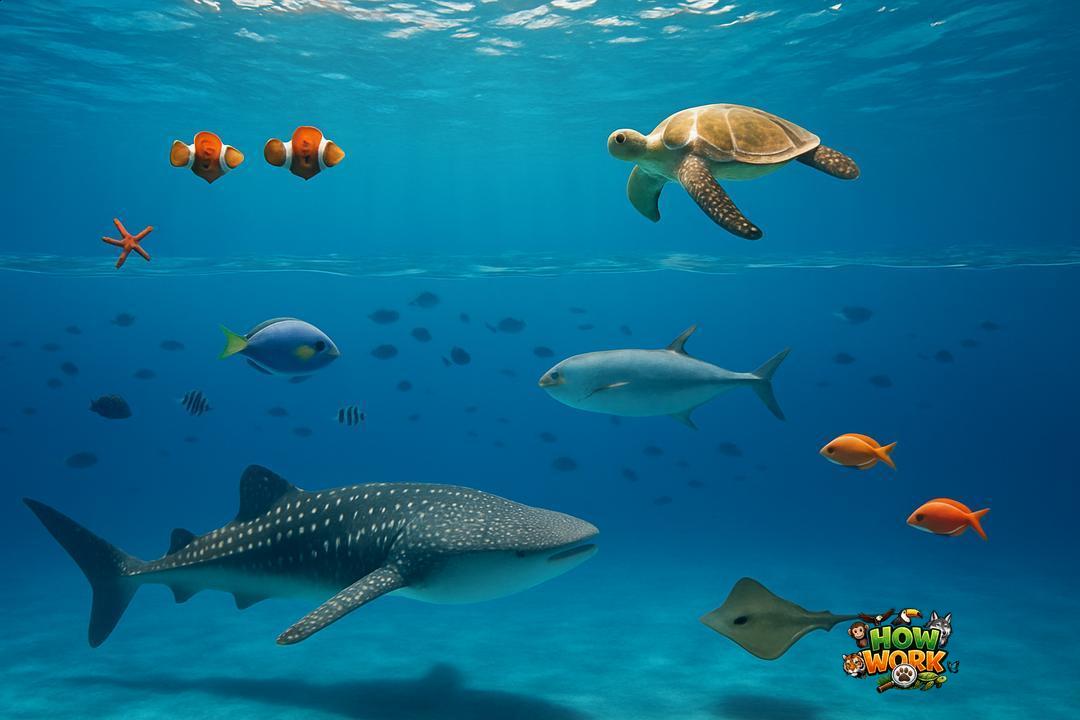
Imagine you’re standing at the edge of the beach, looking out at a horizon that feels endless. Most of us think the adventure ends where the waves meet the sky, but beneath that surface lies a story with more surprises than any fantasy novel.
The ocean isn’t just one giant expanse. It’s divided into ocean zones, each with its own rules, creatures, and challenges. These zones, stretching from the sun-kissed shallows to pitch-black trenches miles deep, make up 99% of the habitable space on Earth. Scientists have found everything from glowing fish to animals that can survive crushing pressures deeper than Mount Everest is tall.
Most guides skim the surface, literally. They focus only on familiar sealife or mention zones by name without showing what life’s really like down there. That leaves animal lovers, parents, and curious teens missing the big picture of how these layers connect and why they matter.
This article dives deeper. You’ll meet wild inhabitants of every level, uncover mind-blowing adaptations, and understand how changes in the ocean zones could affect the whole planet. Ready to see the sea as you’ve never seen it before?
Meet the five ocean zones: from sunlit waters to the trenches
The ocean is broken into five main layers, called ocean zones. Each zone has its own feel: from bright and busy to dark and extreme. Let’s explore what makes each one different, and who lives there.
Epipelagic: sunlit surface zone
This is the top “sunlight zone” that reaches down to 200 meters (656 feet).
Over 90% of all marine life lives here. You’ll see coral reefs, sea turtles drifting by, dolphins, whales, and fast fish like tuna. Sunlight lets plants grow, so this is the only zone where photosynthesis happens. Next time you see ocean documentaries, most scenes are from this layer.
Mesopelagic: twilight and bioluminescence
This “twilight zone” covers 200–1000 meters, where only 1% of sunlight gets through.
Here, a lot of animals make their own light, a trick called bioluminescence. Think glowing jellyfish or lanternfish. Temperature drops and pressure rises fast. Some squid in this zone even use flashes of light to escape predators, like a real-life magic show.
Bathypelagic: the midnight world
Past 1,000 meters, you enter the “midnight zone”, pitch black, freezing, and silent.
No sunlight at all. Only creatures adapted to total darkness and crushing pressure survive. Giant squid, anglerfish, and gulper eels rule here. Want to get a glimpse? Some underwater drones use red lights, which don’t bother these deep-sea animals.
Abyssopelagic: the abyss exposed
The “abyss” is from 4,000 to 6,000 meters, near the ocean floor.
Temperatures here are near freezing. Most life are strange invertebrates, like sea cucumbers or brittle stars. They handle extreme pressure without bones. It’s hard for humans to explore, so almost everything we know comes from special deep-sea robots.
Hadalpelagic: trenches and deepest places
The hadal zone includes the deepest places on Earth, from 6,000 to 11,000 meters deep.
The Mariana Trench is the best-known example. Pressure here can be over 8 tons per square inch, enough to crush a car. Yet, life clings on: jelly-like invertebrates and rare fish such as a cusk eel pulled from over 8,000 meters. Scientists use high-tech submersibles to find new species in this mysterious world.
Light, pressure, and temperature: what really changes with depth?
The deeper you go in the ocean, the more the rules change. Each zone has its own mix of light, temperature, and pressure, making life there totally different from the surface.
Light penetration by zone
Light disappears with depth, the deeper you go, the darker it gets.
Sunlight only reaches about 200 meters (the euphotic zone). That’s why you see coral reefs and photosynthetic life only near the surface. Drop below 200 meters and things turn dim fast; the “twilight zone” (dysphotic) gets a faint blue, but not enough for plants to survive. Past 1,000 meters, you have the “midnight zone”: total darkness. That’s why many deep-sea animals glow with bioluminescence, they make their own light to hunt or hide.
Temperature shifts and extreme cold
It gets colder the deeper you go, reaching constant, near-freezing cold below.
Surface waters can feel warm, especially in the tropics. But dive down and temperatures quickly drop, passing through an area called the thermocline. Below 1,000 meters, most of the ocean is just above freezing, about 4°C (39°F). That’s why animals here have special fats and slower metabolisms to handle the chill. Even technology for deep-sea robots must be built for this constant cold.
Pressure, how animals survive crushing depths
Pressure rises fast, by 1 atmosphere every 10 meters. Deep-sea life survives “bone-crushing pressure.”
At 1,000 meters, pressure is 100 times what you feel at sea level. Trenches like the Mariana, which reach over 6,000 meters, can crush almost anything. Animals here don’t have gas bladders, and their bodies are jelly-like or full of pressure-resistant fluids. Want to see this in action? Watch a deep-sea submergence video: you’ll notice no regular glass or metal will work, only special materials that copy nature’s tricks.
Survival secrets: incredible adaptations in every zone
Every ocean zone challenges survival in new ways. Animals respond with incredible tricks, some light up, others sense movement in pitch black, and some even create food-finding tools from their own bodies.
Bioluminescence: lighting up the deep
Bioluminescence is nature’s flashlight, lighting up the deep where the sun never shines.
More than 90% of deep-ocean life uses this glow. Anglerfish dangle glowing lures to attract prey. Vampire squid shoot out sparkly mucus to scare off attackers. Many fish flash their bellies to hide their shape from predators below, a trick called counter-illumination. If you want a real glow at home, some science kits let you safely explore how nature makes light in the dark.
Super senses and odd bodies
Animals develop strange bodies for survival and super senses to find food or sneak up on prey.
Some fish have extra-large eyes to catch the tiniest glimmer. Other weird body parts? Giant gulper eels and weird, expandable stomachs. In other habitats, creatures like the aye-aye tap wood with long, bony fingers and listen for insects, almost echo-location. Even spiders make little air bubbles to “breathe” underwater. Try watching deep-sea videos to spot these odd designs in action.
How animals find food where there’s almost none
Finding food in barren zones takes rare energy tricks and unusual hunting tools.
Deep-sea animals often scavenge or set glowing traps. Some grow slow and use very little energy, so one small meal can last weeks. Arctic foxes time their babies’ birth for peak food season by pausing embryo growth. Scientists even copy some of these ideas in technology, like water-harvesting surfaces inspired by beetles. If you’re curious, look for biomimicry documentaries for even more wild animal survival secrets.
Unique life forms: who inhabits each ocean zone?
From the sparkling surface to pitch-black trenches, every ocean zone has its own cast of weird and wonderful residents. Let’s meet them one by one, and spot how life changes as you go deeper.
Epipelagic residents: plankton and fast fish
Plankton are the base of the food chain in the sunlit zone.
These tiny drifters feed everything from shrimp to giant whales. Fast-swimming fish like tuna and sharks also rule here. You might have seen footage of sardine runs or coral reefs, most of it was filmed in the epipelagic layer. Try plankton nets at the beach for a closer look (always follow local wildlife guidelines).
Mesopelagic wonders: bristlemouths and lanternfish
Bristlemouths and lanternfish light up the twilight world with bioluminescence as survival.
Bristlemouths are actually the world’s most abundant fish. Lanternfish use glowing spots to find each other and avoid hunters. Marine hatchetfish and some squid also call this zone home. Next time you watch a deep-sea documentary, spot the flashes, that’s life adapting to darkness.
Mysteries from the abyss and trenches
In the abyss and trenches, rare life thrives at extreme pressure and cold.
Basket stars, sea pigs, and blind crustaceans survive here. The deepest places, like Challenger Deep, host amphipods that chomp wood and vent communities where mussels grow bacteria instead of eating plants. Want to see these marvels? Look for videos shot by deep-ocean robots, this is where some of the newest sea life discoveries still happen.
Why ocean zones matter: food webs, research, and our changing seas
Ocean zones aren’t just for fish, they keep life in balance everywhere. If these zones change, so do food supplies, air quality, and even the world’s weather.
Global food webs and ocean health
Food webs connect all life, from plankton to tuna to humans.
Tiny phytoplankton soak up over 100 million tons of CO2 daily and feed ocean food chains. But marine heatwaves and loss of plankton mean fewer fish (like tuna or salmon) and less carbon capture. Even areas far from land depend on healthy ocean zones. Want to help? Support local fisheries and learn about sustainable seafood.
Cutting-edge research, what’s new?
New research uncovers risks we hadn’t seen before.
Scientists use models and robots to track how heat and acid change who survives. Events like “The Blob” slowed the food web so top predators dropped for years. Genetics now show these shifts can jam the carbon pump. Watching documentaries with deep-sea ROV footage can show you real-time discoveries.
How climate change is reshaping ocean zones
Climate change rewires oceans, shifting what species thrive and who gets left behind.
Heatwaves bring more cyanobacteria and less nutritious algae, starving larger animals. Huge salmon crashes linked to ocean warming have hurt both fishers and wildlife. Looking for a way to see this change? Try following marine heatwave news or wildlife reports in your region, they’re changing faster than most people realize.
The unseen world below: what exploring ocean zones teaches us
The unseen world below is full of surprises, each expedition teaches us something new about life, survival, and our planet.
More than 80% of the ocean remains unexplored. Deep-ocean robots and submersibles discover new species almost every dive. Scientists recently found communities of animals on methane seeps and watched rare creatures like the giant squid alive for the first time. Some animals from these depths, like deep-sea sponges, are leading to new medicines that fight cancer and infection.
Exploring ocean zones also inspires new technology for humans. Pressure-resistant materials, underwater drones, and sensors all borrow design ideas from nature. Plus, every new find adds to our understanding of climate, tracking how carbon moves, how the ocean stores heat, and what changes as Earth warms.
Ocean mysteries remain: whole mountain ranges, canyons, and trenches still hide unknown life. You don’t need to be a scientist to join the adventure. Many expeditions now livestream their dives. Citizen science projects use volunteers to spot new species in video and photos. All you need is curiosity, a reminder there’s an entire world left to explore, right below our feet.
There are five main ocean zones: the sunlight (epipelagic), twilight (mesopelagic), midnight (bathypelagic), abyssal (abyssopelagic), and hadal (hadalpelagic) zones.
The sunlight zone extends from the surface to about 200 meters and receives enough sunlight for photosynthesis, supporting most marine life.
Deep-sea animals adapt using bioluminescence, flexible bodies, and slow metabolisms to survive in darkness and under intense pressure.
The hadalpelagic zone includes trenches like the Mariana Trench, with depths reaching nearly 11,000 meters. Life exists even at these extreme depths.
Most ocean life is found in the sunlit zone because it provides the light needed for photosynthesis, forming the base of the ocean food web.