
Crustaceans: Lobsters, Crabs, and Their Relatives
Crustaceans like lobsters and crabs hold amazing secrets. Explore their anatomy, habitats, and surprising roles in ecosystems in this readable guide.
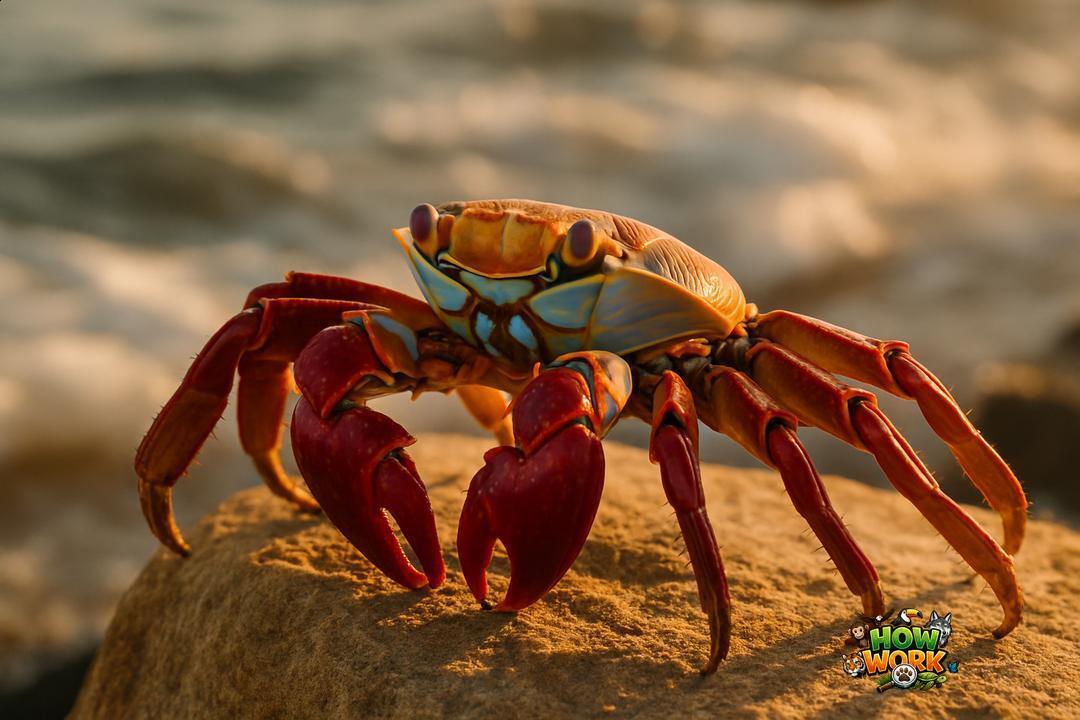
Ever stared at a crab scuttling sideways or a lobster waving its antennae and wondered, what makes these creatures so fascinating, and so important?
Here’s the thing: crustaceans are among the most diverse and vital members of our planet’s animal kingdoms. With over 67,000 described species, they range from the deep sea’s Japanese spider crab to the tiny woodlice in your backyard. These animals aren’t just oddities, many shape the ecosystems we depend on and drive global food industries.
Yet, most articles only skim the surface, listing names, habitats, or a few fun facts, without showing how crustaceans grow, what roles they play, or why their diversity still surprises scientists. Readers miss the real complexity and the practical connections to daily life.
This guide dives deeper. You’ll get a tour of crustacean biology, from unfamiliar species to the science behind fishing industries, to their evolutionary secrets. By the end, you’ll see crabs, lobsters, and their relatives in a whole new light, whether you’re a pet lover, foodie, or nature nerd.
What exactly are crustaceans? Taxonomy, traits, and major groups
Think of crustaceans as the armored tanks of the animal world. They’re everywhere, from tide pools and deep seas to the woodlice under your backyard rock.
Defining crustaceans: Key characteristics
Crustaceans are animals with a hard, chitin exoskeleton, segmented bodies, and jointed legs.
Most have two pairs of antennae, mandibles for chewing, and more than four pairs of limbs. They need to molt their shell to grow. About 67,000 described species exist, with fossils dating back 500 million years.
If you’ve seen a crab or even a woodlouse, you’ve spotted a crustacean in your daily life. Their tough shells make them excellent survivors.
Major crustacean groups: Crabs, lobsters, shrimp, and more
Major groups include crabs, lobsters, shrimp, barnacles, and copepods.
Malacostraca is the largest group, with crabs, lobsters, shrimp (like the American lobster that can weigh 20kg). Krill feed whales; branchiopods like water fleas live in ponds. There are also isopods (think woodlice) and bizarre creatures like mantis shrimp and giant Japanese spider crabs with legs up to 3.7 meters long.
Copepods may be Earth’s most numerous animals, they’re tiny, but everywhere in the water. Look for woodlice in gardens or shrimp in aquariums for an easy backyard encounter.
How crustaceans differ from insects and other arthropods
Crustaceans have two pairs of antennae and biramous (branched) legs, unlike insects.
Insects only have one pair of antennae and fewer limbs. Another difference: insects mostly live on land, but over 40,000 crustacean species are aquatic. DNA studies show insects actually evolved from within the crustacean group.
If you see tiny creatures in water with extra antennae and “branching” legs, chances are you’re meeting a crustacean, not an insect. For kids and adults alike, look closely at pond life or seafood counters to spot the difference in action.
Life cycle: Molting, growth, and reproduction secrets
Crustaceans face some of their biggest challenges during growth and reproduction. Their life cycle is all about timing, survival, and smart strategies.
How molting works and why it matters
Molting (ecdysis) is how crustaceans grow, by shedding their hard exoskeleton.
This process is triggered by special hormones, like ecdysone and juvenile hormone. The crustacean forms a new shell beneath the old one, then splits and crawls out. Young lobsters can molt every few weeks. Right before molting, they may lose up to 20% of their weight.
If you keep pet crabs or shrimp, provide extra calcium before a molt. This helps them build a strong new shell.
Reproduction adaptations and larval development
Most crustaceans hatch from eggs and go through several larval stages before becoming adults.
Larvae focus on eating and growing. Hormone shifts move them from the larval stage to adulthood, when they stop molting. For example, lobsters molt dozens of times before reaching maturity. Some crustaceans, like barnacles, have complex larval forms that look nothing like the adults.
In aquaculture, raising young crustaceans takes careful attention to food and water conditions at each stage.
Surviving the vulnerable molting period
After shedding, crustaceans are in a vulnerable soft phase until the new shell hardens.
During this time, they’re easy prey. Many, like crabs, hide under rocks or burrow into mud. Their survival depends on the right timing and a safe spot to recover. Some crustaceans recycle nutrients from their old shell, using them to strengthen the new one.
For hobbyists, make sure your crustacean has places to hide after a molt. This boosts their chance of survival and cuts down on stress.
Habitats: From ocean depths to your backyard
Crustaceans have conquered nearly every habitat. You’ll find them in the deep sea, splashing in lakes, or hiding under the rocks in your backyard.
Marine diversity: Oceans and coastal zones
The ocean is a biodiversity hotspot for crustaceans, from the shallow coast to abyssal plains miles below.
Some seamounts in the deep sea host over 1,000 different species, including unique shrimp and crabs. The abyssal plain runs 3,000–6,000 meters deep and covers more than half the ocean floor. Yet, less than 0.05% of the deep seafloor has been mapped, so many species are still undiscovered. Most crustacean life, though, thrives in coastal zones, kelp forests, mangroves, or coral reefs, where they help build whole ecosystems. Look for colorful tide pool crabs or shrimp in aquariums to spot coastal crustaceans up close.
Freshwater species and their adaptations
Freshwater crustaceans survive by smart adaptation.
Crayfish and some shrimp manage water balance using osmoregulation to handle low-salt environments. While data is thin, these adaptations help them live in ponds and rivers all over the world. Try visiting a local stream, chances are you’ll find a crayfish under the rocks, especially in clean, cool water.
Terrestrial crustaceans: Isopods, woodlice, and surprises
Land crustaceans are real survivors, thanks to a desiccation-resistant exoskeleton.
Over 10,000 isopod species exist worldwide. Woodlice, common in gardens, are a type of terrestrial isopod. They curl up into a ball to guard against drying out. If you want to find one, just lift a log or damp leaf pile in your backyard, nature’s crustaceans habitats are closer than you think.
Behavior and roles in ecosystems
Crustaceans affect nature in big and small ways every day. Their behaviors shape the places they live, often in surprising ways.
Scavengers, predators, and prey
Crustaceans fill several roles: scavengers, predators, and prey, all at once.
Many crabs act as scavengers, cleaning up dead animals and plants. Some species, like mantis shrimp or large crabs, are fierce predators. Their leftovers help create ecological hotspots, attracting other animals and plants. Even in your seafood meal, you’re part of this food web.
Nutrient cycling and environmental impact
Nutrient cycling is a crustacean superpower.
By breaking down dead matter, they improve soil health and support plant growth, especially near their dens or hiding spots. This work even helps with disease mitigation by reducing waste and pests. For home aquariums or ponds, adding crustaceans like shrimp helps keep things clean.
Unusual social or defense behaviors
Some crustaceans show quirky group or survival tactics.
While true social behavior is rare, groups of crabs sometimes crowd together in safe spots or work together to dig deeper burrows. Others have cooperative defense tricks, like stacking up or waving their claws in unison to scare away predators. Even the simple act of hiding under rocks as a group can boost survival rates in risky environments.
Crustaceans and humans: Food, economy, and fascination
Crustaceans aren’t just animals in the wild, they’re closely tied to human food, science, and even the way we play and learn.
Fisheries and aquaculture: Global importance
Crustaceans are a global food source and economic powerhouse.
Foods like shrimp, crabs, and lobsters are vital to many diets. In some countries, crustaceans make up a huge part of fisheries, shrimp alone account for 45% of Indonesian fishery exports. American lobsters were once found all over beaches but cost more today, thanks to high demand. Protein-rich aquaculture helps feed a growing world.
If you enjoy seafood, look up sustainable sources to protect stocks for the future.
Crustaceans in science and medicine
Many crustaceans are natural bioindicators, or even help in medicine.
Decapods, for example, recycle nutrients and build habitats, if they vanish, ocean ecosystems could collapse. Sometimes, fleets like the closed Alaskan crab fleets highlight what happens when populations drop due to climate change. And their tiny larvae feed fish that end up on our plates. Crustaceans also help scientists monitor ocean health and develop medical research tools.
When reading science news, check how these animals make advances possible.
Pet trade, hobbies, and curious encounters
Crustaceans fascinate people as pets, foods, and pop culture icons.
People keep colorful shrimp and crabs in home tanks or aquascapes for fun. In history, ancient shell piles (middens) prove humans have loved, or eaten, these animals for thousands of years. The popular carcinisation meme pokes fun at how evolution often leads back to the crab shape, even in our tech and trends.
If you’re a hobbyist or just curious, try keeping simple crustaceans like cherry shrimp. Watch their weird, wonderful world unfold before your eyes.
Surprising extremes: Giants, dwarfs, and evolutionary oddities
Some crustaceans are true record breakers. They reach sizes, and mini sizes, that amaze scientists and animal fans alike.
World’s largest: Japanese spider crab
The Japanese spider crab holds the title for Earth’s biggest arthropod.
This crab’s stunning 3.8 meter leg span makes it look otherworldly. It can weigh up to 19 kilograms. But its story warns us: Overfishing and habitat impacts push this gentle giant closer to risk, following a pattern where extreme size boosts 75% extinction odds for similar animals. Visit an aquarium or see a real-life photo, few encounters are more unforgettable.
Tiny wonders: Stygotantulus stocki and micro-crustaceans
The tiniest known crustacean is called Stygotantulus stocki and is just 0.1–0.2 millimeters long.
This animal has a 10-micron brain, and micro-crustaceans like it show evolutionary oddities such as extreme shrinking. These tiny animals often evolve in dark caves or isolated places, each one a survivor of unique pressures. Try using a magnifying glass when exploring pond water, and you might glimpse these tiny marvels.
Terrestrial evolution and unexpected relatives
Crustacean and other animal extremes follow a pattern called “island syndrome.”
Animals on islands often evolve to be much bigger or smaller than their relatives. This trend spans more than 23 million years and leads to wild changes, rodents 100 times bigger, dwarf mammoths shrinking from 20,000 to 2,000 lbs. For giants, the extinction risk can reach 75% odds even before modern threats. Studying these patterns helps us protect both quirky giants and tiny wonders from disappearing forever.
Why crustaceans matter more than you think: Lessons from a hidden world
Crustaceans are ecosystem engineers that shape the world in ways most people never notice.
These animals build the structure of aquatic habitats, recycle nutrients, and spark hidden food chains that support fish, birds, and even humans. Scientists often use crustaceans as biodiversity signposts, if shrimp or amphipods vanish, bigger problems usually follow. Their shells, made of chitin, have uses in human health links from wound care to smart drug delivery systems.
Crustaceans are also a model for resilience. Many survive in polluted waters, bouncing back after environmental disasters, as long as damage doesn’t last too long. A healthy pond or stream often teems with tiny crustaceans, showing that the whole ecosystem is in good shape. Globally, these animals help carbon cycles and even signal pollution problems before they hit our dinner plates.
If you care about sustainability, start by looking for crustaceans in local ponds or seafood markets. Supporting healthy habitats, and eating lower on the food chain, can make a real difference for future generations.