Tool Use in Animals: Beyond Primate Intelligence
Animal tool use isn’t just about primates. Discover wild cases, surprising species, and fresh insights into animal intelligence in this guide.
Have you ever seen a bird use a stick like a tiny spear or an otter crack open its favorite snack with a rock? These moments are more than viral video sensations. They invite us to rethink everything we thought we knew about animal intelligence, and even about ourselves.
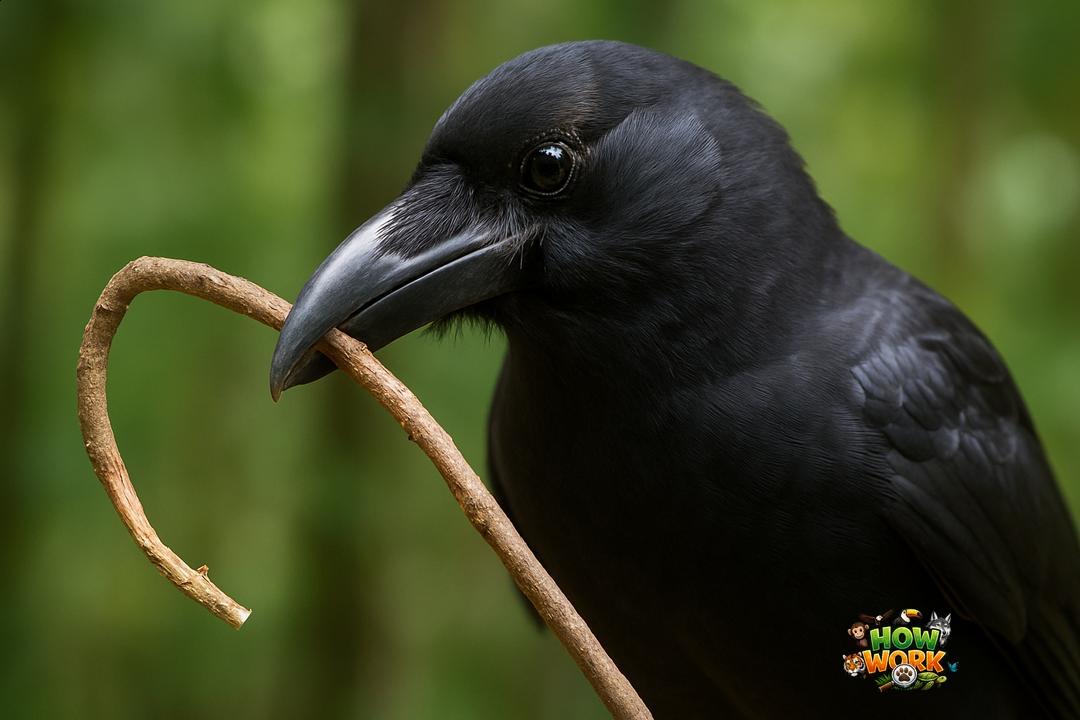
Tool use in animals is a topic that has fascinated scientists and animal lovers alike. In fact, animal tool use has been widely documented in birds, mammals, fish, and even insects, revealing just how inventive and adaptable the animal world can be. Researchers have spotted crows fashioning hooks, dolphins carrying sponges, and even the occasional farm animal adopting tools, pushing the boundaries of what we consider “smart” behavior.
The thing is, most conversations about animal tools get stuck in a primate-vs-human debate or resort to oversimplifying animal intelligence. Many guides gloss over why animals use tools, how these behaviors develop, or whether using a tool always equals being “smart.” Relying just on headline-making examples sells the topic short and leaves out huge swaths of fascinating biology.
This article is your field guide to the full spectrum of animal tool use, covering wild outliers, evolutionary why’s, mind-opening examples, and the surprising lessons they hold for how we view all creatures (ourselves included). Get ready to see familiar animals, and maybe even your own pets, in a totally new light.
What is animal tool use? Definitions and boundaries
It’s easy to picture humans with tools, but what exactly does it mean when we talk about animal tool use? Let’s break down what scientists are really looking for, and why it matters across the animal kingdom.
Basic criteria for tool use
Animal tool use is when an animal manipulates an object (not part of itself) to achieve a goal. That goal could be getting food, opening something, or even defending itself.
The basic criteria are simple: the object must be external, and the animal must actively handle it to help with a specific task. For example, a chimp pokes a stick into a termite nest to fish out insects. Otters use rocks to smash shells for a snack. These aren’t random actions, there’s intent behind them.
If your pet drops a ball in front of you to get a treat, that’s clever, but unless it’s using a separate object to reach a goal, it doesn’t count as classic tool use.
Differences across animal groups
Many animal groups use tools in surprising ways. Primates and birds get most of the spotlight, but research shows over 300 species, including dolphins, elephants, some fish, and even insects use tools.
Examples include New Caledonian crows shaping hooks from twigs, bottlenose dolphins carrying sponges to protect their snouts while feeding, and some ants dropping pebbles to block rival nests. Each group shows unique styles. Birds, for instance, often use sticks to dig in crevices, while sea otters float on their backs and crack shells with stones.
If you want to notice tool use in the wild, watch for repeated actions with objects toward a clear purpose, it may surprise you which animals qualify.
Key terms and controversies
There’s an ongoing expert debate about what counts as a tool. For many scientists, the key question is whether the animal intentionally uses the object as a means to an end, not just as play or by accident.
Some researchers argue that tool use shows high-level thinking, but others say it can be instinctive instead. For example, most accept twig fishing as “real” tool use, but disagree whether dropping rocks is always intentional.
If you’re curious about your own pets, experts suggest asking: is there a clear goal that only the object can help with? If yes, it might fit the scientific idea of animal tool use.
Evolutionary origins: Why did animals start using tools?
Why did so many animals “invent” tool use in the first place? It all comes down to survival. Both opportunity and necessity play a role in shaping this clever behavior.
Benefits of tool use in the wild
The benefits of tool use are all about finding food, solving problems, and staying safe. Animals use tools to grab prey, crack open nuts, dig for water, or even defend themselves.
New Caledonian crows, for example, make special sticks to fish larvae hiding deep in tree branches. These tasks would be nearly impossible without tools. In chimpanzees, using twigs to fish out termites or honey boosts their diet options, and shows planning skills.
If you ever spot birds or primates experimenting with objects, you’re seeing this smart strategy in action. Even some early humans used hammerstones over 2.6 million years ago to access meat, long before complex tools existed.
Environmental pressures shaping behaviors
When food gets scarce, animals get creative. Drought, tough seasons, or new habitats can push animals to try new things. In over 144 chimpanzee communities, tool use ramps up when fruit is hard to find.
“Environmental pressures” like changing climates or new rivals force animals to adapt fast. That’s why you see such variety: dolphins carry sponges, crows invent tools, and insects drop pebbles to defend their homes. Next time you notice an animal with a stick or shell, think about the challenges it might be solving, and how impressive that flexibility is.
Surprising cases: Beyond primates, birds, mammals, fish, and insects
If you thought only monkeys and apes used tools, think again. Nature is full of surprises, and many unlikely animals have their own hacks for getting things done.
Smart birds: Corvids and parrots
Some of the smartest birds are true tool geniuses. New Caledonian crows shape hooks from twigs to fish out bugs, even planning ahead for future meals.
Goffin’s cockatoos, famous in labs, can bend wires into hooks, too. Researchers have counted over 30 bird species with tool skills. So, if you see a crow or parrot testing twigs or strings, you might be watching them solve a puzzle.
Marine tool users: otters and fish
Some sea mammals and fish make creative use of the ocean’s toolbox. Sea otters crack clams with rocks, often using the same “favorite” stone for years.
Wrasse fish smash sea urchins against hard surfaces, a rare sight for fish. There’s even evidence that dolphins carry marine sponges to protect their faces when foraging. If you’re near water, look for these unexpected tool masters in action.
Unlikely mammal and insect examples
Some mammals and even insects take tool use to wild places. Elephants scratch themselves with sticks. Recently, there were reports of a wild wolf carrying a bone to use like a club.
Certain bees drop pebbles to defend their hive, and ants plug rival entrances with debris. As Marc Bekoff puts it, “We are constantly finding new examples”, so keep your eyes open. Sometimes, the smallest creatures show the biggest surprises in animal tool use.
How animals learn to use tools: Instinct, imitation, or innovation?
Do animals pick up tool tricks by watching others, solving problems, or a mix of both? The answer isn’t simple, and that’s what makes animal tool learning so fascinating.
Social learning vs. independent discovery
Both social learning and independent discovery help animals learn tool use. Some animals copy what they see, while others invent new moves themselves.
Chimpanzee mothers show young chimps how to use sticks for termites, real teaching in action. Crows, on the other hand, often create their own tool tricks without copying anyone. Studies reveal that in many species, both approaches show up, sometimes side by side.
If you watch wild animals, look for young ones hanging around adults during tool use. That’s a clue social learning is at work. But don’t be surprised if you spot solo experimentation, too, it’s part of the animal toolkit.
Can animal tool use be taught?
Yes, animals can sometimes be taught to use tools, but success varies. In labs, researchers have trained parrots, apes, and even crows to use new objects as tools when shown demonstrations.
Still, not every animal catches on. “Tool learning can be both social and individual,” experts say, meaning instinct, imitation, and innovation all play a part. As a pet owner, you might try puzzle feeders or show-and-tell games. Watch how your animal learns, they may surprise you with their creativity.
Does tool use prove intelligence? Rethinking animal minds
When we see an animal use a tool, our first thought is often, “Wow, that animal must be smart.” But does using a tool always mean being intelligent?
Comparing intelligence and adaptability
Tool use can show intelligence or adaptability, or sometimes just clever habit. In some animals, using a tool is creative problem-solving. For others, it’s about trial and error or even instinct.
Octopuses shelter in coconut shells but may not think ahead. Crows, however, have shown the ability to plan, suggesting both intelligence and flexibility. Experts say, “Tool use shows adaptability as much as it does intelligence.” Watch how your own pet solves problems, not just if they use an object.
Key studies and ongoing debates
Famous studies have sparked debate about animal minds. Some insects use tools, but mostly as reflex, no deep thought needed. Meanwhile, crows have solved multi-step puzzles that stump some primates. Not all tool-using species ace other intelligence tests.
The debate continues: Is tool use a sign of general intelligence, or just one clever behavior? Scientists are still exploring the real story behind animal minds. If you’re curious, look for animals that solve new problems in creative ways, sometimes, that reveals far more than tool use alone.
What we learn about ourselves from animal tool use
Animal tool use reminds us we’re not alone in creativity and problem-solving. Watching a crow plan, a chimp teach, or a dolphin adapt with tools makes us reflect on what it means to be human, and where we fit in the living world.
Our ancestors began making tools at least 2.6 million years ago, but seeing animals use similar strategies bridges that gap. Jane Goodall famously said, “We are not the only tool-users.” It’s a powerful realization: many animals build solutions, learn from others, and spark real cultures.
These discoveries push us to rethink our place in nature. They show that skills like patience, experimentation, and teaching aren’t only human traits. They invite us to recognize echoes of human creativity and community throughout the animal kingdom.
If you care for pets or simply love wildlife, try offering new challenges or puzzles. You might be surprised at the resourcefulness and flexible thinking you discover, reminding us that tool use connects us all, across gaps of species and time.