
Animal Sounds: How Wildlife Communicates Vocally
Animal sounds reveal the secrets of wildlife communication and behavior. Discover how vocalizations shape animal interactions in fascinating ways.
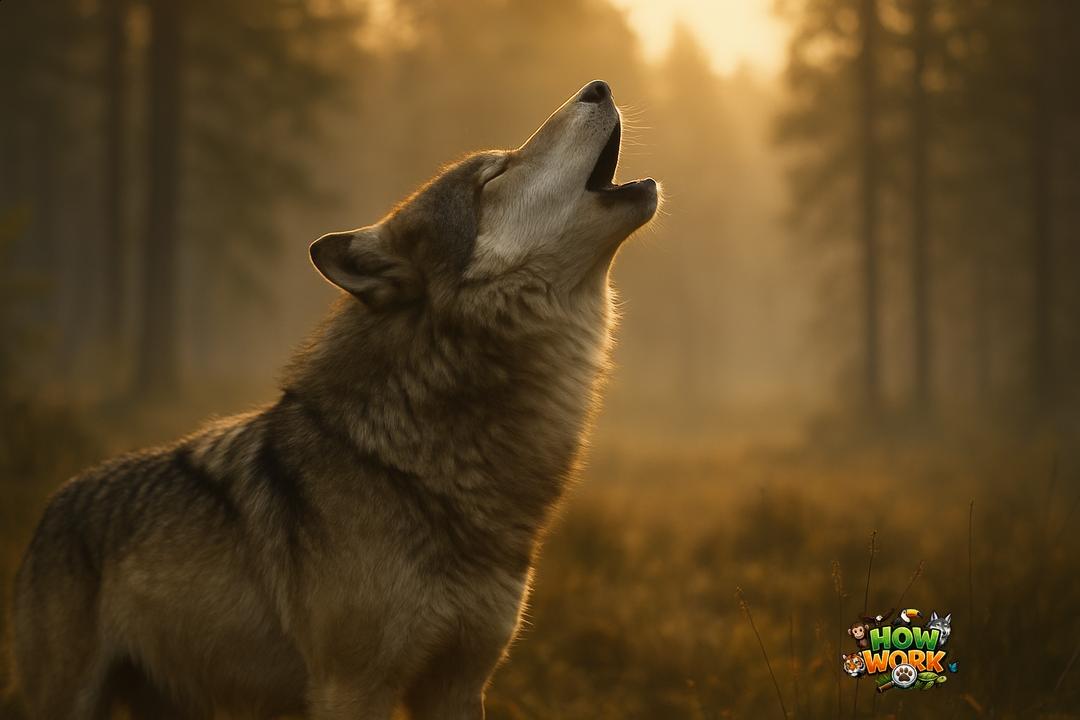
Ever tried mimicking a birdcall or wondered what your dog is really saying with those barks? That curiosity is universal, animal sounds have always fascinated us, whether you’re out on a nature walk or just trying to decode your pet’s evening chatter.
Why focus on animal sounds? For scientists, animal lovers, and educators, these noises aren’t random. Recent research points out that vocalizations can reveal animal moods, health, group coordination, and even how some species adapt to changing environments. From a wolf’s howl carrying for miles, to birds that mimic other species for self-defense, sound is at the heart of wildlife communication.
But here’s the issue: most articles skim the surface, listing fun onomatopoeias or simple sound guides for kids. What’s usually missing is the “why” and “how”, the fascinating science and purpose behind these noises, plus real-life examples you won’t find in average lists.
This article is different. You’ll get a deep dive into exactly how animal sounds work, with unique insights, wild case studies, and practical tips for interpreting the wildlife around you. Whether you want to understand nature’s orchestra or boost your own animal-observation skills, you’ll find ideas here you can actually use.
How and why animals use sounds to communicate
Animals use sounds in amazing ways to share information, survive, and thrive. From deep forests to oceans, these sounds are their language for safety, food, and friendship.
Different animal groups and their vocal methods
Animal groups use special vocal methods to match their needs.
Dolphins and whales use clicks and songs. Clicks help dolphins “see” in murky water, this is called echolocation. That sound travels about four times faster in water than air! Birds fill forests with songs to claim territory or call a mate. Frogs use throat sacs to make big calls after rain. Insects, like cicadas, have drum-like organs to make unique sounds for their species. Prairie dogs use complex calls to warn about predator size and speed. Elephants rumble in infrasound, sending messages kilometers away, humans can’t even hear them.
Want to observe this? Try visiting a local pond at dusk and listen for frog calls, or watch city sparrows chirp at sunrise. Each group, each sound, tells a story.
Purposes of animal vocalizations
Each animal sound sends a message to help its group or protect itself.
Birds sing to attract mates or warn others about danger. Monkeys might yell a different call for “snake!” and for “eagle!”, each meaning move in a certain way. Dolphins and bats use echolocation to hunt or find friends. Some animals sing together to keep group bonds strong, like whales traveling in the ocean. These sounds can also mark off their territory, so rivals know to stay away.
If you want to spot alarm calls, try sitting quietly in the park. When birds suddenly go quiet or all call at once, there may be a reason, like a cat or hawk nearby. Paying attention to animal sounds lets you understand nature’s hidden conversations.
The anatomy behind animal sounds: how animals make noise
Behind every animal sound is a special design. Their bodies are built to turn air into warning calls, love songs, or tricky mimicry. Let’s look at what makes these noises possible.
Vocal sacs, syrinxes, and specialized body parts
Animals use unique body parts to create and shape sound.
Birds use a syrinx, found where the trachea splits. In songbirds, it’s so complex they can sing two notes at once. A sparrow’s syrinx is just 8mm wide, but uses nearly 100% of its exhaled air to make its voice. Frogs inflate vocal sacs, those balloon-like pouches under their mouths, to make louder, deeper croaks. Some birds have air sacs that boost sound, while certain muscles fine-tune the pitch and length of each note. Parrots are so skilled with their syrinx that they can even mimic human speech. Some birds, like vultures, barely make a sound at all.
Next time you’re outside, watch for a frog’s throat pouch moving or listen for two-part notes in a bird’s song, you’re hearing evolution’s speakers at work.
Species-specific adaptations
Animals have adapted their bodies to fit their sound needs.
Songbirds developed a complex syrinx to help them stand out. Hummingbirds and swifts have special vocal folds all their own. Zebra finches even tie their voice control to brain areas for breath and beak movement. One expert calls the bird syrinx “a completely new organ… with an ancient and common function.” For every animal, these parts evolved for a bigger, clearer, or more useful call.
If you want to spot these in action, try watching finches in spring or hummingbirds at a feeder. See if you notice their unique notes, they’re showing off some remarkable anatomy.
Fascinating facts: unique and extreme animal sounds
Some animal sounds turn heads, or ears. Here are the extremes and oddities that make the animal world surprising and unforgettable.
Record-breaking loudest or softest animals
Some animals set sound records that humans can barely imagine.
Howler monkeys are the loudest land animal. Their growls can travel up to 3 miles through forest, thanks to a massive throat and larynx. Giraffes rarely make noise in the wild, but scientists recorded a nightly hum at 92 Hz, too low for most of us to notice. The tiny desert rain frog, on the other hand, makes a squeaky sound like a toy when threatened, showing that even small voices stand out.
Want to hear them? Look for YouTube clips of howler monkey roars or the squeak of the desert rain frog, they’re a wild listening experience.
Unusual mimicry and trickery
Some animals are expert copycats or use trick sounds to survive.
The lyrebird mimics almost anything, including chainsaws and camera clicks. Woodcocks create hiccup-like noises with their tail feathers, not their mouths. Porcupines make kazoo-like music, and cheetahs chirp like distressed chicks so they can find their cubs. Even red foxes and elk put their own twist on night noises, with fox screams and elk bugles mixing rumbles, screams, and odd “glunks.”
Fun tip: If you want to identify a bird mimicking odd noises, listen for out-of-place sounds, maybe it’s a lyrebird performing in the woods!
How animals use sounds to survive and thrive
For animals, sound is more than just noise, it’s a tool for survival. These calls shape every day and night in the wild, helping animals avoid danger and find life’s essentials.
Alarm calls and predator warnings
Alarm calls warn others about danger and tell them how to react.
Vervet monkeys use different calls for eagles, leopards, and snakes. Each call means “look up,” “climb,” or “freeze.” Howler monkeys shout at up to 140 dB to warn their clan and show strength. Elephants send deep rumbles below human hearing, these can travel for kilometers so herds can group up or move away from threats. Even birds go silent or mob together when a hawk appears.
Take a nature walk and listen, sudden bird silence or a burst of calls could signal a predator nearby.
Mate attraction and territory defense
Animals use impressive sounds to attract partners and protect their space.
Male red deer roar to show off strength. Their bellows travel for miles. Frogs gather in ponds to croak love songs, often sparking mass breeding events. Lions give deep, echoing roars, letting rivals know their turf is taken, these can be heard miles away. Cicadas trade in loud, rhythmic snaps at about 100 dB to attract mates. Even small birds sing bright tunes in spring to claim territory and draw in a partner.
Spring is great for listening to these performance calls, try tuning in to park birds or neighborhood frogs after rain at dusk.
Human perspectives: understanding and interpreting animal sounds
We’re always trying to understand what animals are saying. Sometimes we use words and stories. In other cases, we use science and gadgets. Here’s how humans crack the animal sound code.
Learning animal sounds in different languages
Animal sounds aren’t the same in every language or culture.
The word for a cat’s meow changes worldwide, from “meow” in English to “nyaa” in Japanese and “miau” in Spanish. Roosters crow “cock-a-doodle-doo” in English, but say “kikiriki” in Spanish and “kokekokko” in Japanese. These onomatopoeias help kids (and adults) learn about animals in their own language. Some educators use animal sound games to teach language and culture side by side.
For fun, ask friends from different backgrounds how they say “moo” or “oink”, the answers might surprise you!
Technology for studying animal communication
Modern science uses high-tech tools to hear and study animals in new ways.
Scientists use bioacoustics, powerful microphones, and underwater “hydrophones” to study whales, bats, and even insects. AI programs can now help translate or sort animal calls, while apps let anyone record bird or frog songs outdoors. Some pet cams and smart feeders even track your dog’s bark or cat’s meow to spot emotion or health changes. Tools like Raven and deep learning models are giving researchers new ways to crack animal “codes.”
Try a smartphone app the next time you hear mystery birds, you might discover a new neighbor overhead.
The future of wildlife communication: what animal sounds teach us
Animal sounds teach us more about nature every year, and may help save countless species.
New technology is opening doors. AI now helps analyze whale songs to track migrations and spot distress. Acoustic monitoring in rainforests picks up the calls of endangered birds and frogs, alerting scientists to poaching or changes in the ecosystem. These sounds are like “health checks” for whole habitats.
Many researchers believe regular recording could even lead to the discovery of new species, or let us detect climate impacts sooner. Wild soundscapes have been used in court to prove illegal logging or animal trade. Local conservation groups train volunteers to record night sounds, making anyone part of the team.
So what does this mean? Listening to nature is powerful. By tuning into animal voices, we can learn what a silent forest or missing call really signals. The future of wildlife communication is about science, but also about caring for and hearing our world before it goes quiet.
Animals make unique sounds like barking, meowing, neighing, and hissing for communication. These sounds can signal warnings, attract mates, or express emotions, and they often vary by species and purpose.
Animals use sounds to signal over long distances, warn about danger, attract mates, or coordinate in groups. Examples include elephant rumbles, monkey alarms, and fox screams during mating season.
Some of the loudest include hippos bellowing up to 115 decibels, hyenas' whoops, and frogs croaking loudly in rainy seasons. Loud sounds help animals communicate across wide areas.
Soft animal sounds include mice squeaks and cheetah chirps, which can sound like birds. Some species, like dolphins, use unique clicks for echolocation, and owls may bark or scream quietly to defend their nests.
Scientists use field recordings and technology to analyze animal vocalizations. People can learn these sounds through apps, quizzes, videos, or by participating in guided listening activities to identify calls in nature.