
Animal Defenses: Survival Tactics in the Wild
Animal defenses fascinate and inspire, from camouflage to toxins. Learn the smartest survival tactics animals use to outsmart predators, real stories, real science.
Imagine being chased through a wild landscape where danger is everywhere, no matter how fast you run, something faster might be waiting. That’s everyday reality for wildlife, and it’s why animal defenses are some of the most creative survival stories on Earth.
From spiny hedgehogs repelling foxes to clever octopuses vanishing into coral, animal defenses are among the most popular curiosities for nature lovers. Researchers have identified a spectrum of tactics, from tough physical barriers and chemical sprays to teamwork and dazzling camouflage, a real-life playbook that fascinates and raises new questions about adaptation and evolution in the wild.
Yet, most articles settle for basic lists or exaggerated “fun facts”. Rarely do they explain why some tricks fail, which animals have evolved the most surprising options, or how natural defenses are changing as environments shift. There’s more to the story than just “camouflage and claws.”
In this guide, you’ll get a deep dive into the smartest, strangest, and most inspiring animal survival tactics ever documented. Expect to find unique examples, expert context, practical lessons for animal lovers, and a fresh perspective on why defenses matter for us all.
Physical defenses: armor, spines, and natural weapons
How do animals avoid ending up on a predator’s menu? Physical defenses are their first line of survival. From ancient turtles to modern porcupines, these wild tools mean only the strongest or cleverest threats make it through.
How shells and scales deter predators
Hard shells and scales act as an almost impenetrable barrier against attacks.
Tortoises, turtles, armadillos, and pangolins all rely on tough shells or thick scales. When danger approaches, they tuck in tightly or curl into a ball. Researchers have shown that very few predators, like crocodiles, can break a turtle’s shell. For pangolins, scales made from keratin protect against most feline or canine bites. Try watching a turtle withdraw into its shell; it’s like seeing a living shield in action.
Remarkable tusks, teeth, and horns
Sharp tusks and horns discourage attackers and help survival in the wild.
Elephants brandish long ivory tusks not just for show, but to ward off lions and other threats. Narwhals use their sword-like tusks to sense the world, and maybe fend off rivals. Goat and antelope horns are used in dramatic clashes, helping the victor defend its herd. If you’ve seen documentaries about wildebeest or rams, you’ve watched this defense in action.
Quills, spines, and the power of appearance
Needle-like spines and sharp quills send a clear warning to stay away.
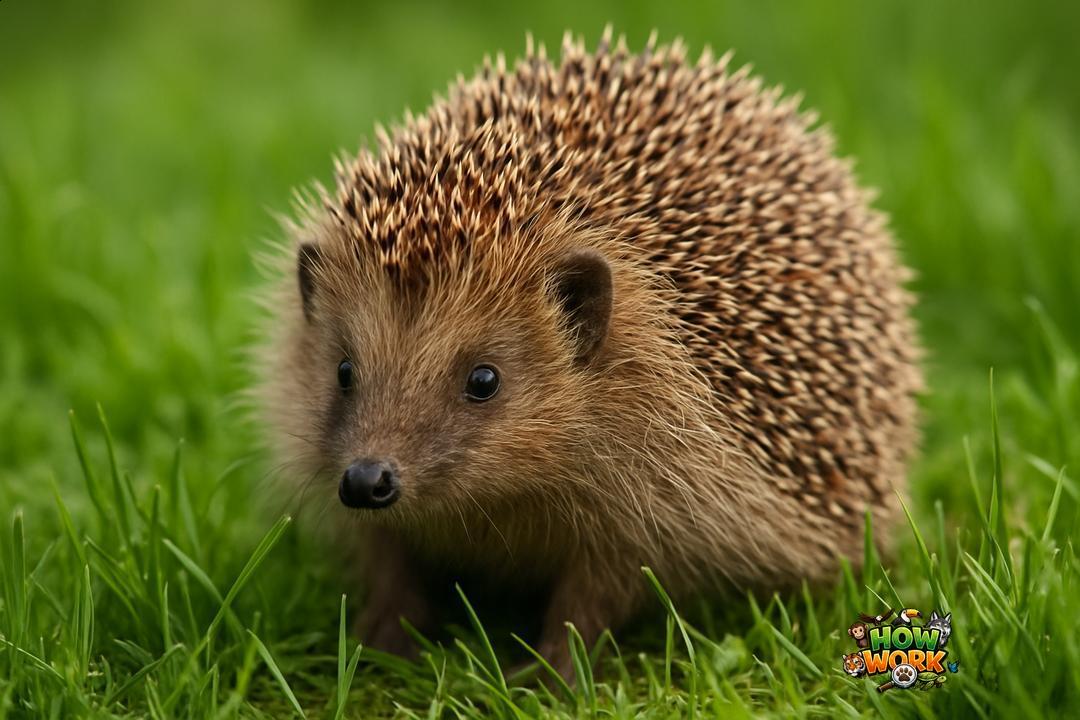
Porcupines and hedgehogs are masters of this defense. Their bodies are loaded with spiky armor. When threatened, a porcupine turns its back and raises its quills, snapping them as a warning. Hedgehogs roll up, spikes out, looking almost impossible to eat. Many hikers have found dropped quills in the woods, a reminder that some survival tools are best admired from a distance.
Camouflage: masters of blending in
Some animals have a different kind of armor. Blending into the environment is their shield. Camouflage lets them hide from predators or sneak up on prey, often without moving an inch.
How animals disappear in plain sight
Color, patterns, and behavior let animals become almost invisible in their surroundings.
Owls can sit motionless with feathers that match tree bark or shadows. Stick insects and leaf butterflies look so much like leaves or twigs that even careful predators miss them. One tip: If you look slowly and watch for tiny movements, you might spot a camouflaged lizard or moth outside.
Mimicry: looking like something you’re not
Mimicry is nature’s trick, pretending to be a different object or organism.
Dead leaf butterflies look just like dried leaves, veins and all. Stick insects sway gently to mimic branches moving in the wind. Puff adders lay perfectly still among fallen leaves, blending with sun-dappled ground. Try finding a stick insect in the wild, most people walk by and never notice them.
Advantages and limits of camouflage
Camouflage offers a big survival advantage, but it isn’t perfect.
Both prey and predators use it to get what they want. The octopus changes its color and even texture to hunt or hide, sometimes it’s about life or death. But there are limits: camouflage works best in places with just one main color, and a small move can give everything away. If you ever spot an animal suddenly moving, you’ll see how quickly even perfect camouflage can fail.
Chemical defenses: when animals fight with toxins
Not all animal defenses are visible. Some creatures turn their bodies into chemical armor. Poisons, venoms, and sprays help them send a clear message: “Stay away if you value your senses.”
Poisons, venoms, and sprays: what’s the difference?
Toxic substances can protect animals in three main ways: poison absorbs, venom injects, spray spreads in air.
Poisons are absorbed or eaten, think poisonous frogs or toxic plants. Venoms are shot directly by stingers, fangs, or spines; classic examples include snakes and bees. Sprays, like those whipped up by some beetles, fill the air with chemicals that irritate or harm. As expert Carlos Jared says, “venenos são substâncias tóxicas… peçonhas são venenos produzidos por animais mas que são injetados.”
The skunk’s infamous weapon
Sulfur compounds in skunk spray trigger intense odor and pain.
A skunk can shoot its spray up to 3-5 meters. The stench leaves predators, like dogs or bears, stunned, and may even cause eye irritation. The effect can linger for days, which is why the smell is hard to forget. If you ever hike in skunk country, it’s smart to keep your distance.
Chemical weapons in tiny creatures
Tiny chemical warriors have their own special tricks for defense.
Bombardier beetles fire boiling chemicals at predators at speeds up to 270 mph and 88°C, hot enough to scare off most threats instantly. Fire ants inject venom, while some ants and spitting cobras spray toxic chemicals for both offense and defense. Carlos Jared puts it simply: “Toxina é uma substância de origem biológica que provoca danos.” Watch out for bright colors or odd behaviors; they might signal hidden chemical protection in action.
Behavioral defenses: strategies that outsmart predators
Sometimes brains beat brawn. Behavioral defenses are all about smart moves, teamwork, and fast reactions. These strategies can mean the difference between life and death for wild animals.
Playing dead and trickery
Playing dead or using trickery can fool even experienced predators.
Opossums are famous for ‘playing dead’ (thanatosis). They stay still and look lifeless to avoid detection by foxes. Some snakes and insects also freeze or give fake warning displays, like eyespots or odd movements, to throw off attackers. Remember, these tricks only work if the animal’s timing is right, one wrong move, and a predator catches on.
Alarm calls and teamwork
Alarm calls warn others, and teamwork saves lives.
Aphids release a special smell to alert others, causing the whole group to drop away from danger. Birds, like pigeons, are harder to catch in flocks than alone, thanks to constant group vigilance. Experts note that when one animal sounds an alarm, it helps the entire group, sometimes even different species, escape fast. If you hear sudden squawking or chattering from birds and mammals, it’s their social network at work.
Speed, agility, and sudden escapes
Quick escapes use speed, agility, and even lost body parts to outsmart predators.
Gazelles and rabbits zigzag at high speeds to dodge their hunters. Lizards can drop their tails as a distraction, buying precious seconds. Research shows that animals who are alert and fast have better odds, especially when camouflage fails. Watch for a sudden dash the next time you see a small animal in trouble, speed is often their best hope for survival.
Fascinating special tactics: autotomy and more
Not every animal can outrun or outfight a predator. Some use rare escape tactics that might sound extreme, but if they work, the animal lives to see another day.
Autotomy: losing parts to survive
Some animals perform self-amputation to escape.
Lizards drop their tails, which keep wriggling for minutes (and sometimes up to two days), distracting predators. Starfish can lose an arm and regrow a new one, while crabs drop claws and spiders shed legs, both regrowing them after about 24-40 days. If you see a lizard with a short, stubby tail, that’s a sign nature’s emergency plan worked.
Deterring predators with surprise
Surprise defense tactics catch predators off guard and let prey flee.
A lizard’s detached tail wiggles and even sticks with mucus or toxins. Some sea slugs let loose body parts that actually stick to an attacker. Opossums pull off a dramatic trick, playing dead so realistically (slowing heart and drooling) that even hungry hunters walk away. Nature loves a good surprise.
Other rare tricks and oddities
Unusual defenses go far beyond the basics.
Hagfish shoot out slime that clogs a predator’s gills, making a quick, sticky escape. Some caterpillars vomit up digested food as a gross but effective deterrent. Skunks’ infamous spray also belongs here, proof that in a tough spot, animals will try almost anything to survive. If you spot any of these odd behaviors outdoors, you’re seeing living proof of evolution’s wildest ideas in action.
How animal defenses evolved: natural selection in action
Animal defenses didn’t just appear overnight. Natural selection in action means each move in the wild is the result of countless tiny changes, honed by survival challenges across generations.
Predator-prey arms race
The battle between predator and prey is an ongoing arms race.
As predators get smarter or faster, prey evolve new ways to stay safe, like camouflage, bad smells, or sticking together in groups. Skunks spray at night, while mongooses rely on group vigilance during the day. Müllerian mimicry, named in 1879, shows unrelated animals sharing warning signs so everyone benefits. Next time you spot similar “danger” colors on different animals, you’re seeing this teamwork in action.
Adaptations over generations
Gradual adaptation lets the best defenses stick around.
When a certain trait helps an animal survive, it gets passed to future generations. Darwin’s finches in the Galápagos changed beak size over just a few years, depending on drought or rain. Giraffes’ long necks grew from a need for higher leaves. Brown anole lizards’ legs adapted to thin branches in about 20 years, proof nature can work surprisingly fast. Look for small differences, like beak shapes or limb lengths, to spot evolution at work.
Environment’s role in shaping defenses
The environment shapes which defenses work best.
Spines, toxins, armor, these are picked by the world animals live in. When food is hard to get, traits like long necks win out. On some islands, lizards with shorter legs boost plant growth by eating certain insects. Experts like Sean Giery say “environmental variation can drive adaptive evolution,” so a changing world means constant updates for wild defenses. Pay attention to which animals thrive where, it’s all part of nature’s ongoing experiment.
When defenses fail: risks and consequences in the wild
Even the smartest defenses break down sometimes. Risks and consequences are real in the wild, where one mistake can mean survival, or not. Big changes, like new predators or human activity, can make these failures more common.
Common weak spots and mistakes
Most defenses have hidden weak spots that predators can exploit.
Cheetahs often outrun gazelles because they spot a gap in the herd. Camouflage falls apart if an animal moves suddenly or when the background changes, like leaves turning color. Some birds ignore their warning calls if they hear them too often. If you look closely in nature, you’ll spot where an animal’s best trick sometimes just isn’t enough.
Adaptability amid changing threats
Some animals adapt fast, others can’t keep up with new dangers.
During covid lockdowns, wildlife shifted their patterns, some risked more, some hid better. Invasive species sometimes have no natural enemies, so local animals can’t defend themselves. Still, species like raccoons thrive in cities by learning new ways to find food or avoid hazards. Watch for animals in your area that changed how they act when people started staying home more or new threats arrived.
Impacts of human interference
People often make animal defenses useless, sometimes without realizing it.
Urban lights confuse sea turtle hatchlings, pulling them away from the ocean. Pesticides and pollution blunt warning colors or odors, so their messages don’t work. Conservation experts warn that habitat loss and climate change mean animals can’t rely on old tricks. If you see wild animals acting confused in busy places, it’s a clue that our world forces them to invent new survival tactics all the time.
What animal defenses teach us about protecting our world
Animal defenses show us that resilient, adaptive protection is key for safeguarding our world.
Animals use more than one trick to survive: tough shells, stinky sprays, camouflage, teamwork, and even sacrificing a body part if it helps. Meerkats use group watch to spot danger, inspiring the “more eyes on the sky” idea for real-world security systems. Porcupine spines have inspired products like Velcro. Armadillos curl into tight balls, offering ideas for recyclable armor in technology and conservation engineering.
Research shows about 70% of small carnivores rely on teamwork in daylight, while others prefer solo defenses at night. UC Davis expert Stankowich highlights, “Spraying is a good close-range defense… sociality means more eyes on the sky.” These lessons go beyond animals, multi-layered defenses can build safer, more adaptable communities for both people and wildlife.
If you want to help, try creating a garden with hiding spots, native plants, or clean water areas for small creatures. Every strategy seen in nature adds fresh ideas for protecting habitats, adapting to climate shifts, and building a stronger, shared planet.