
Nocturnal Animals: Life After Dark in Nature
Nocturnal animals thrive after dark. Discover what makes them unique, their nightly secrets, and how humans impact their world. Dive in!
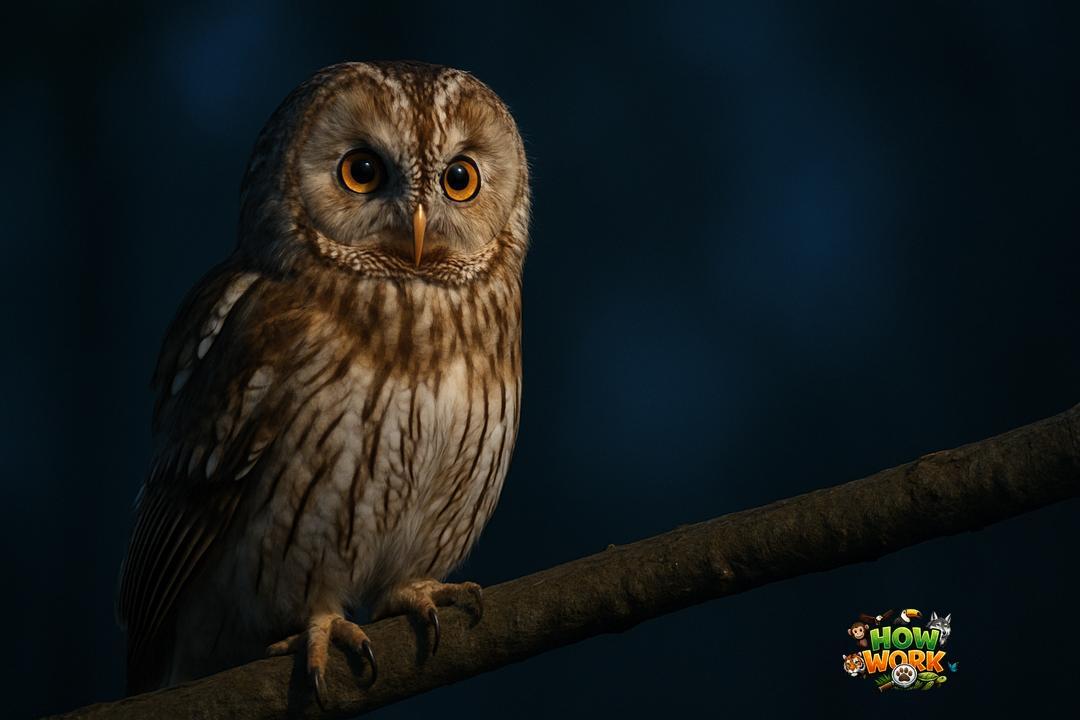
Ever tried to imagine the world if most action only happened once you turned out the lights? That’s life for millions of nocturnal animals. Their world wakes up just as ours is winding down, and it’s loaded with surprises most people never see.
Scientists have discovered that nearly 70% of all mammal species are nocturnal, relying on the cover of darkness for everything from hunting to hiding. This hidden “night shift” is crucial for ecosystems. The adaptations, like glowing eyes, silent wings, and ultra-sensitive ears, give these animals a unique edge and help keep nature in balance. If you search nocturnal animals online, you’ll find simple lists or basic trivia. But those rarely answer the deeper questions: Why do animals risk the dangers of night? What does light pollution really change? And how do these creatures shape their worlds while we sleep?
This gap leaves us undervaluing the crucial roles nocturnal animals play, and missing lessons their lives can offer us. With oversimplified answers all over the web, it’s hard to get the real, nuanced story.
In this article, you’ll go far beyond lists. You’ll dig into the strange adaptations, clever survival strategies, and surprising new threats facing nocturnal animals. You’ll see why night matters, and maybe start to notice how much happens while you dream.
What does it mean to be nocturnal? Definitions and key behaviors
Most animals you see during the day aren’t the only ones shaping nature. Many species do their work under the cover of darkness. Let’s explore what makes nocturnal animals different, and why some creatures switched to the night shift.
Nocturnal vs. diurnal vs. crepuscular
Nocturnal animals are active at night, while diurnal animals are active during the day, and crepuscular ones come out at dawn or dusk.
About 70% of all mammal species are nocturnal, including bats, owls, and raccoons. Diurnal species like squirrels or hawks rely on sunlight for eyesight and safety. Crepuscular animals, such as deer or rabbits, prefer the gentle light of dawn or dusk.
Each group has its own unique routine. For example, owls use the night to hunt, while their daytime rivals, hawks, sleep. If you want to spot nocturnal wildlife, try heading out near dusk and using a red flashlight, animals notice it less than white light.
Why do animals evolve to be active at night?
Most animals evolve to be nocturnal to avoid predators, reduce competition, or escape daytime heat.
Darkness offers a safer world for some. Bats hunt insects sleeping during the day and dodge predators that can’t see well at night. Desert foxes use the cool night to avoid the brutal sun. Owls’ sensory adaptations, like silent wings and night vision from the tapetum lucidum in their eyes, give them a hunting edge.
Niche differences cut down competition. Where hawks claim the daylight, owls own the night skies, feeding on similar prey but never crossing paths. If you want to see evolution in action, listen for the chirps and rustles after sunset; it’s the world’s busiest shift change.
How nocturnal animals thrive: Sensory superpowers and clever adaptations
Nocturnal animals have amazing ways to beat the dark. They use specialized adaptations to find food, escape danger, and communicate when light is low.
Night vision and the tapetum lucidum
Night vision in nocturnal animals gets a big boost from the tapetum lucidum, a reflective eye layer that recycles light inside the eye.
That’s why cats’ and raccoons’ eyes glow in the dark. This layer helps animals see with very little light. Most nocturnal species also have large eyes with extra rod cells and wide pupils, so they catch every bit of light they can. Owls and tarsiers are stars, tarsiers have the largest eyes for their body size of any mammal. Next time you flash a light at a cat or raccoon at night, the shine you see comes from this superpower.
Echolocation and advanced hearing
Echolocation lets some nocturnal animals, like bats, sense prey in darkness by bouncing sound waves off objects.
Bats can send out up to 60 high-frequency calls per second. The echoes tell them where insects are, even when it’s pitch black. Owls use asymmetrical ears to judge exactly where a mouse is hiding. Foxes use extra-sensitive, cupped ears to hear prey underground. Try using a bat detector outside at dusk to “hear” the ultrasound calls that bats make, you’ll get a front-row seat to one of nature’s coolest tricks.
Who are the night’s most fascinating stars? Iconic and unexpected nocturnal species
The night is alive with creatures you may never see during the day. Some of them are world famous; others are secretive and mysterious even to scientists.
Famous nocturnal mammals
Some of the most famous nocturnal mammals, like bats and leopards, are true night masters.
Bats control mosquitos and pollinate cacti in places like Arizona using echolocation. There are over 2,000 firefly species linked to bats in their nighttime world. Leopards have glowing eyes thanks to the tapetum lucidum and use their sharp senses to hunt at night. Night monkeys, the only truly nocturnal primates, have huge eyes to help them see in darkness. Want to watch bats at dusk? Stand near water just before nightfall and listen for their squeaky calls overhead.
Night-active birds
Owls and other birds rule the night skies with silent wings and powerful senses.
Great horned owls patrol deserts and cities alike, hunting with almost no sound. Some birds, like indigo buntings, migrate at night by following the stars, a fact proven in the 1960s by using planetarium studies. At dusk, listen for owls hooting or look for their swift, silent silhouettes moving between trees.
Secretive nocturnal reptiles and insects
Reptiles and insects add drama to the night with glowing displays and clever survival techniques.
Arizona scorpions glow a ghostly blue under UV light, use a blacklight torch to spot them safely, but never touch. Fireflies light up with bioluminescence for mating. Dung beetles use moonlight to steer, showing just how creative nighttime animals can get. Try watching a grassy field for flickering fireflies or shining a UV flashlight on the ground to reveal hidden scorpions.
Why do animals choose the night? Survival benefits and ecological roles
The night opens up a whole new world of opportunities for survival. Many animals use darkness to stay safe and find food. But there’s much more to their choices than hiding out after sunset.
Avoiding heat and predators
Animals become nocturnal to avoid heat and predators, especially in harsh or dangerous environments.
About 70% of mammals choose nighttime over daytime for exactly these reasons. In deserts, animals like cats save water and dodge the heat by being active after dark. Owls rule the night, using their senses to hunt rodents who risk less exposure to daytime enemies. If you want to see their strategy in action, look for desert life just after sunset, the activity can be impressive.
Niche partitioning and reduced competition
Nocturnal animals fill nighttime niches so they don’t compete directly with day-active species.
This is called niche partitioning. Foxes, bats, and moths use the night to access food and space when diurnal animals aren’t around. In forests, owls perch high, while mice and bugs stick close to the ground, each taking their own layer. To spot these patterns, try comparing animal sightings before and after sundown.
Pollinators and nighttime food webs
Nocturnal animals play huge roles in nighttime food webs and pollination.
Bats don’t just eat insects, they pollinate night-blooming plants and spread seeds. Owls eat rodents, shaping plant life by controlling seed-eaters. Even earthworms improve soil health under cover of darkness. Every after-dark creature helps the ecosystem run smoother, from the smallest beetle to the largest bat.
Challenges in a changing world: Human impacts on nocturnal life
Nocturnal animals face new dangers as humans change the world. Our lighting and climate impacts reach every corner of their nighttime habitat.
Light pollution and disrupted behaviors
Light pollution pushes animals to change their natural rhythms, with behavior disruption seen all over the world.
Research shows nocturnality increased by 1.36 times for many mammals exposed to human light. Artificial light at night (ALAN) confuses moths, making it harder for them to find mates or food. This ripple hits birds and bats, as their insect meals vanish, some call it an “insect apocalypse”. Expert Justin Brashares says, “Human disturbance is creating a more nocturnal natural world.” One tip: Use motion-detecting or shielded outdoor lighting at home to protect local wildlife.
Climate change and altered activity patterns
Climate change is making nights warmer and shrinking safe zones for animals that need cool darkness.
Many species can’t simply switch to being more nocturnal, as food and safety are also changing. Some animals struggle as warming nights wipe out rest opportunities, while urban noise and lights weaken their survival strategies. We can all help by supporting “dark sky” projects in our communities and choosing energy-saving bulbs that cut unnecessary nighttime light.
So what does living after dark really mean? Lessons from the nocturnal world
Living after dark is more than a mystery, it’s essential for wildlife, human health, and our sense of connection to nature.
Darkness shapes life in ways most people never see. Early mammals were nocturnal for over 100 million years, helping them survive. Even today, up to 10–15% of our genes follow rhythms controlled by night and day. Losing darkness affects both animal survival and human well-being, leading to insomnia, mood problems, and even issues like depression. LED pollution rises by about 10% each year worldwide, making it harder for us and animals to rest.
History is full of examples where night meant more than sleep. Ancient Romans split their nights into two sleeps, often waking to talk, write, or pray. The Mayans used midnight rituals to fuel connection and reflection. As Professor Nick Dunn says, we waste too much light, and damage both climate and ecosystems.
Ask yourself: what are we missing by lighting up the night? Natural darkness restores wildlife, improves our sleep, and gives us back the stars. As Dr. Nancy Gonlin puts it, “We need our nighttime stars… to provide balance and perspective.” Try this: pick a night to turn off lights and screens for an hour. Step outside and listen, owls, frogs, even the wind can teach you lessons from the nocturnal world.
Nocturnal animals are creatures that are more active at night than during the day. They spend nighttime hunting, eating, or mating, while resting during the day.
Common nocturnal animals include bats, owls, raccoons, foxes, coyotes, skunks, and possums. Some insects and reptiles, such as moths and tarantulas, are also nocturnal.
Many animals are nocturnal to avoid daytime predators, stay cool during hot days, and reduce competition for food. These strategies help them survive in their environments.
Nocturnal animals have highly developed senses—such as advanced hearing, night vision, and smell—that allow them to find food and navigate with little or no light.
The opposite of nocturnal is diurnal, which refers to animals or plants that are mainly active during the day instead of the night.