
Hibernation: How Animals Survive Long Winters
Hibernation lets animals survive winter’s worst months. Discover how it really works, which species do it, and what’s changing now.
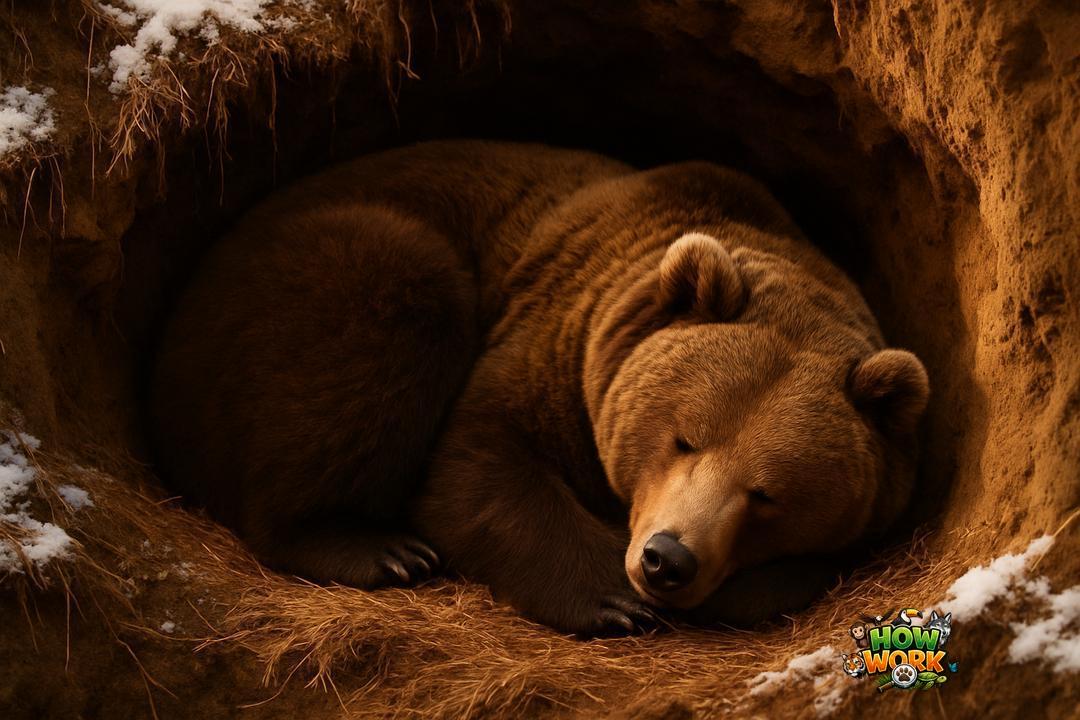
Imagine sleeping through the coldest, hungriest days of winter, your body so still it barely uses energy, hibernation is nature’s answer to life’s harshest season.
For many animals, hibernation isn’t just a long nap. It’s a strategy built on science: slowing heartbeats, lowering body temperatures, and storing just enough fat to see them safely into spring. From bears to tiny ground squirrels, these creatures transform their bodies in ways that seem almost magical. Recent research reveals just how extreme, and finely-tuned, these adaptations really are.
But most explanations gloss over the diversity of hibernation, confusing it with mere sleep, or missing the unique solutions different animals have evolved. Quick lists never capture why some creatures freeze solid while others simply nap or why new risks are emerging as winters get shorter.
This article dives deeper. You’ll get the clear science behind hibernation, explore wild survival skills, and learn how climate change is rewriting the rules. Whether you’re curious, a student, or a wildlife fan, you’ll finish with practical insights and a new appreciation for these biological wonders.
What is hibernation? Separating fact from myth
When winter hits, not all animals handle the cold and hunger the same way. Understanding what real hibernation is helps you spot wildlife facts from fiction and appreciate how diverse survival can get.
How hibernation differs from sleep and torpor
Hibernation is much more than a long nap, it’s an energy-saving state where animals slow their hearts, drop body heat, and barely move.
Sleep is daily and doesn’t lower your metabolism much. True hibernators, like ground squirrels and bats, cool down close to freezing, body temperatures may dip as low as 2–5°C (36–41°F). Their heart rates drop to just a few beats per minute.
Bears are a special case. They use torpor, a lighter dormancy. Their temperature only falls a little (down by about 3–5°C), so they can wake up faster if threatened or if food appears. Pregnant black bears even nurse cubs while in torpor, using stored fat and losing up to 15–27% of their body weight over the season.
If you want to recognize true hibernation in nature, look for deep, almost coma-like inactivity, think of hedgehogs curled in a ball for months versus a bear that can shuffle out of its den mid-winter.
Popular misconceptions about hibernation
The biggest myth? That all bears hibernate deeply all winter, bears aren’t true hibernators.
Bears enter what’s called “winter lethargy” or torpor, not the profound metabolic shutdown of smaller animals. The reason is size: it’s too costly for large animals to rewarm themselves from temperatures close to freezing.
Another misconception is that hibernation means uninterrupted sleep. In reality, many hibernators wake up briefly, sometimes to nibble on their food stores, or even for short bathroom breaks. Hundreds of thousands of American black bears enter torpor every season, but stay semi-alert and can react if disturbed.
Practical tip: If you hear that a big animal sleeps ‘like Rip Van Winkle’ all season, double-check what scientists say about its actual winter habits. True hibernation is rare, and it’s reserved for the real metabolic champions.
The science behind hibernation: Inside the animal body
Ever wondered how animals look so peaceful in deep winter? There’s a real science to how their bodies survive for months on almost nothing.
Metabolic slowdown and body temperature drops
The main trick is an extreme metabolic slowdown, most hibernators drop to just 1-6% of their normal energy use.
This lets animals like arctic ground squirrels cool from 38°C down to -2°C, which is below freezing. Small hibernators slow everything, but they do wake up for “interbout arousals”, brief warm-ups that can burn up to 80% of their winter energy.
Larger mammals, like black bears, don’t get as cold. Their bodies stay warmer, but their metabolism still slows. It’s like dialing down the furnace instead of switching it off. If you spot wildlife in winter, remember: don’t disturb hibernators, they save every bit of energy they can.
Hormonal and physiological changes during hibernation
Hormones control the entire hibernation shutdown, dropping heart rates from 250+ beats a minute to almost nothing.
Temperature falls slowly, too, about 0.1°C every ten minutes as the animal enters torpor. Essential organs like the brain and heart warm fastest when animals briefly rouse.
Protein making slows way down to keep tissues healthy, relying on special adaptations in muscle and energy use. Experts say this balance could inspire new ways to help people recover from injuries or slow aging. For now, remember that these “energy-saving adaptations” are so effective, some hibernators survive harsh winters on little more than the reserves built up in fall.
Which animals hibernate, and which only snooze?
Not every creature that “sleeps” through winter is doing the same thing. Some are deep hibernators, others just slow down a bit, and reptiles have their own style.
Mammals: Rodents, bats, bears, and more
True hibernators include many small mammals, think ground squirrels, woodchucks, and most bats.
For example, a woodchuck can drop its heart rate from 105 to just 4 beats a minute, and body temperature from 104°F to only 38°F, losing up to 50% of its body weight. Arctic ground squirrels set records with body temps that reach a chilly 27°F. Little brown bats, Alaska’s tiniest hibernators, weigh as little as five grams when they enter hibernation.
Bears only snooze, they enter a lighter state called torpor, staying warm enough to wake up fast if needed. Raccoons and skunks do something similar, only sleeping longer when it’s cold but still moving around in milder spells. The key, over 200 mammals hibernate, but each has its own version.
Brumation: Reptiles’ cold-weather strategy
Reptiles like turtles, snakes, and lizards use brumation, not true hibernation.
Brumation means slower activity as their environment gets colder. They stop eating (can’t digest in the cold), and turtles might bury themselves in mud, using skin inside their cloaca to absorb oxygen under water. Snakes and lizards hunker down in burrows but may wake occasionally to drink or bask on warmer days. Painted turtles, bearded dragons, and box turtles are well-known brumators.
Tip: Pet reptiles may try to brumate if your home cools in winter, be sure to adjust their heat and watch for weight loss, since improper conditions can make them sick.
Survival strategies: How animals prepare for winter sleep
Getting ready for winter sleep takes serious planning. Animals don’t just hope for the best, they actively prepare their bodies and build the right shelter to survive months in the cold.
Fat accumulation, eating double the usual
Most hibernators enter hyperphagia, eating double or even more to pack on fat reserves to survive winter.
Bears can gain up to 30% of their body weight in late summer and fall, eating nonstop for weeks. For tiny animals like ground squirrels and chipmunks, fat alone isn’t enough, they also gather up to 8 pounds of seeds and nuts to eat between hibernation bouts. Little brown bats and marmots must rely on their autumn fat to last them three to eight months without food.
Practical tip: If you see squirrels seeming “frantic” in autumn, they’re storing up calories for winter’s challenges. Leave leaf litter or scattered seeds if you want to help local wildlife.
Nest building and shelter creation
Animals build complex nests and dens, well-hidden and insulated, to reduce heat loss and avoid predators.
Bears dig dens in hillsides or under roots for their shallow torpor. Chipmunks and ground squirrels line underground burrows with leaves for insulation, placing food in cleverly hidden caches. Little brown bats cluster in caves or even attics for group warmth, while wood frogs burrow into mud or leaf piles and survive freezing with their own “antifreeze”.
If you garden or live near woods, leaving brush piles or some undisturbed spaces can help many creatures find or build their winter shelters. These simple actions can make a real difference in your local ecosystem.
Super-survivors: Nature’s strangest hibernators
Some animals survive what would kill almost everything else. Let’s meet two of nature’s ultimate winter super-survivors.
Arctic ground squirrels and sub-freezing body temps
Arctic ground squirrels can chill their bodies to -3°C (about 27°F) and survive for 7 to 8 months of hibernation.
That’s the lowest body temperature in any mammal, without using chemical antifreeze. Their metabolism drops to just 2% of normal. Every few weeks, they warm up briefly in what scientists call periodic arousal cycles, shivering to “reboot” their system before going cold again.
Studies even found their neck (where the brain sits) stays a bit warmer than the rest, helping protect their mind when everything else nearly freezes. Science is now using what we learn from these squirrels to study how to protect human organs and even treat brain injuries.
Wood frogs: Surviving solid freezing
Wood frogs do what sounds impossible, they freeze solid, quit breathing, stop their hearts, and then thaw out good as new.
When it gets cold, ice grows inside and around the frog’s organs. The frog’s liver makes huge amounts of glucose and urea, which act as natural antifreeze, so the water inside their cells doesn’t turn to deadly ice. Up to 70% of the frog’s body water can freeze.
For months, these frogs are completely still, no pulse or brain activity. Then when spring sun returns, they thaw, their hearts start beating, and they hop away to pond life like nothing happened. In Alaska, some wood frogs endure freezing for up to six months in temps as cold as –18°C. Nature’s own resurrection is right in the leaves under our boots.
The risks and challenges of hibernation
Hibernation keeps animals safe from cold and hunger, but it’s far from a guarantee. Natural dangers and modern changes make winter sleep a real survival test.
Predators, climate disruption, and disease
Climate disruption and predators are major risks, plus disease, especially as seasons shift.
For example, climate change causes food timing mismatches and throws off safe hiding spots. Rocky Mountain ground squirrels now survive 20% less often when late spring snow shortens their feeding time, leaving them weaker and open to predators. Alpine marmots and mountain pygmy possums starve when warming winters trigger early wake-ups but prey or plants haven’t caught up yet. Warmer, wetter winters also allow parasites and disease to spread faster, raising disease risk for hibernators.
Key tip: If you spot a wild animal’s den, let it be, disturbing hibernators can add deadly stress to tough odds.
What happens when hibernation is interrupted?
Interrupted hibernation depletes reserves fast, risking death or failure to breed in spring.
A warm snap can wake animals before spring, but food isn’t always available. If hibernators exit torpor too soon, another cold snap can kill them since they’ve already burned through vital fat. Obligatory hibernators, like some rodents and bats, can’t always go back to sleep safely if resources are low, leading to “phenological decoupling” where natural cycles are broken.
So if you notice sleeping wildlife, don’t try to “help” by moving or waking them. Their lives depend on finely-tuned rhythms honed by evolution, and every disturbance costs precious energy.
Climate change and the future of hibernation
Not even the deepest winter sleep is safe from the reality of a changing climate. Animals are adapting, but the pace and risks keep growing.
Shifting seasons change sleep rhythms
Warming winters and unpredictable weather are making hibernation less reliable for many species.
Black bears now stay awake about six days longer for each 1°C rise in temperature, by 2050, that could mean they’re active for up to 39 extra days a year. Rocky Mountain ground squirrels sometimes come out of hibernation late, missing the best feeding window due to prolonged snow, while other ground squirrels in drier areas go to sleep early and hibernate even longer. These shifts scramble animals’ natural clock, risking mismatches between waking and the food or weather they need.
Tip: Support local wildlife by planting native food sources and reporting any oddly early or late wildlife sightings to local conservation groups.
Wildlife-human collisions on the rise
As bears and other wildlife stay active longer, face-to-face encounters with people are becoming more common, even in winter.
Bears skipping hibernation have been found rummaging trash cans on snowy mornings, since food in nature has become unreliable. These surprise meetings can be dangerous for both animals and people. Conservation experts explain that when seasons become unpredictable, “the whole system” of hibernation falls apart, and animals may wander into towns they once avoided.
The best move: Secure garbage and teach your family never to approach wildlife, whether the snow is falling or not. These animals are searching for a way to cope as their ancient survival tricks become less reliable.
What animal hibernation teaches us about resilience and adaptation
Hibernation teaches us that real resilience and adaptation come from completely reprogramming the body to survive extreme stress, something animals do each winter.
Scientists found that dropping body temperature is more powerful than just slowing metabolism for boosting longevity and health. Hibernators can live longer and resist aging or diseases compared to their wide-awake relatives. Brown bears, for example, keep muscle and organ health despite spending months inactive and not eating, thanks to unique proteins that protect cells from stress and help preserve the brain and immune system.
Here’s an example with big implications: Researchers are studying how these “cold-shock” proteins might help treat serious injuries in humans, or even let astronauts safely sleep through deep space missions! The immune systems of hibernators slow down during the cold, but clever adaptations keep them from having major problems. Tiny bats reduce energy by up to 70% and extend their lifespan just by hibernating longer.
There’s a warning, though: climate change now threatens these powerful adaptations. Some hibernators wake early and face deadly cold with no safety net. Still, hibernation’s lesson is clear, survival is about embracing change and turning weakness into strength, a message both nature lovers and scientists can use.
Hibernation is a state where animals slow their heart rate, breathing, and body temperature to conserve energy during cold and food-scarce times. It's not just sleep—it's a survival strategy.
Typical hibernators include small mammals like hedgehogs, bats, dormice, Arctic ground squirrels, and wood frogs. Bears enter a lighter state called torpor, and reptiles use brumation instead.
Before hibernating, animals build up large fat reserves by eating more in the fall. Their bodies then burn this stored fat slowly while metabolism drops to very low levels.
Warming winters can cause animals to wake up too early or too often, using up essential fat. This can increase risks of starvation or bring wildlife closer to humans in search of food.
Humans can’t naturally hibernate, but scientists study animal hibernation to develop new treatments for trauma, increase organ preservation, or even help people survive long space travel in the future.