Venomous Animals: Nature’s Deadliest Defenses
Venomous animals pack nature's deadliest defenses. Discover surprising facts, defense strategies, and how their venom is changing medicine today.
Imagine walking through a jungle or dipping your toes in the ocean. There’s a strange thrill that shivers up your spine: somewhere close by, a creature defends itself with a weapon that science still struggles to match. Venomous animals fascinate and frighten us in equal measure, raising both goosebumps and questions.
Globally, venomous animals cause millions of envenomations every year, often misunderstood, sometimes feared, and increasingly appreciated for their place in nature and medicine. From snakes boasting the world’s most toxic bite, to jellyfish with stings that can end a life in minutes, their variety is staggering. Yet, many antivenom programs and medical breakthroughs now owe much to the very venoms that once terrified us.
Most articles lump together creepy statistics or focus on a “top 10” list, ignoring the real stories: how venoms evolved, why so many creatures developed them, and how their toxins might soon heal rather than harm. Readers searching for simple do-and-don’t lists or shock photos rarely discover just how interconnected these animals are with our own survival.
This article dives deeper. You’ll learn not only who the deadliest are, but how their toxins work, how antivenom has changed global health, and why today venom is more hope than hazard. Get ready for a new perspective on the natural world’s most misunderstood defenders.
What makes an animal venomous? Definitions and key differences
Venomous animals are everywhere: forests, oceans, your own backyard. But what does “venomous” really mean, and how is it different from terms like “poisonous?” Let’s clear up the facts and bust some myths by breaking down how these defenses work in the natural world.
Venom vs poison: what’s the difference?
Venom vs poison comes down to delivery. A venomous animal injects toxins using fangs, stingers, or special cells. If you get bitten or stung and it hurts, that’s venom at work.
Poison, on the other hand, usually harms you only if you touch, eat, or absorb it. The classic rule? “If you bite it and die, it’s poison. If it bites you and you die, it’s venom.” Garter snakes are a rare example: they absorb toxins from their prey and can make a predator sick if eaten, but aren’t venomous through their bite.
If you’ve ever touched a stinging nettle or met a spitting cobra, you’ve seen how blurred these lines can get. Always ask how the toxin is delivered, not just if it’s dangerous.
How venoms evolved in nature
Venoms have evolved more than 100 times in evolution. Animals turned to venom for more than predation, also for defense, competition, and even reproduction.
Some venoms help animals hunt, like cone snails paralyzing prey with fast-acting toxins. Others fend off threats, think platypus males with venomous spurs or jellyfish with stinging tentacles. Spitting spiders invented gluey webs mixed with toxins, while sea anemones change their venom as they grow.
If you look at mammals, the shrew’s venom might not kill, but it does paralyze worms, making a meal easier to catch. Evolution keeps finding new ways to make venom work.
Common misconceptions about venomous species
Not all venom is deadly to people. Many confuse venomous with poisonous, but most venoms exist just to stop other animals, not to kill humans.
Some bright sea creatures, such as nudibranchs, are labeled dangerous when they’re actually poisonous, not venomous. And, yes, a few animals are both! The blue-ringed octopus injects venom with its bite and carries toxins in its flesh as poison.
Next time you see something brightly colored or hear a scary animal story, ask: Is it really venom it uses, and how does it deliver it?
Meet the masters: iconic venomous animals by land and sea
Venom isn’t just a snake thing. On land and under the sea, the animal world is full of venomous masters with unique weapons. Some are famous killers, others are quietly dangerous, and a few may surprise even wildlife fans.
Deadliest land-dwellers: snakes, spiders, and scorpions
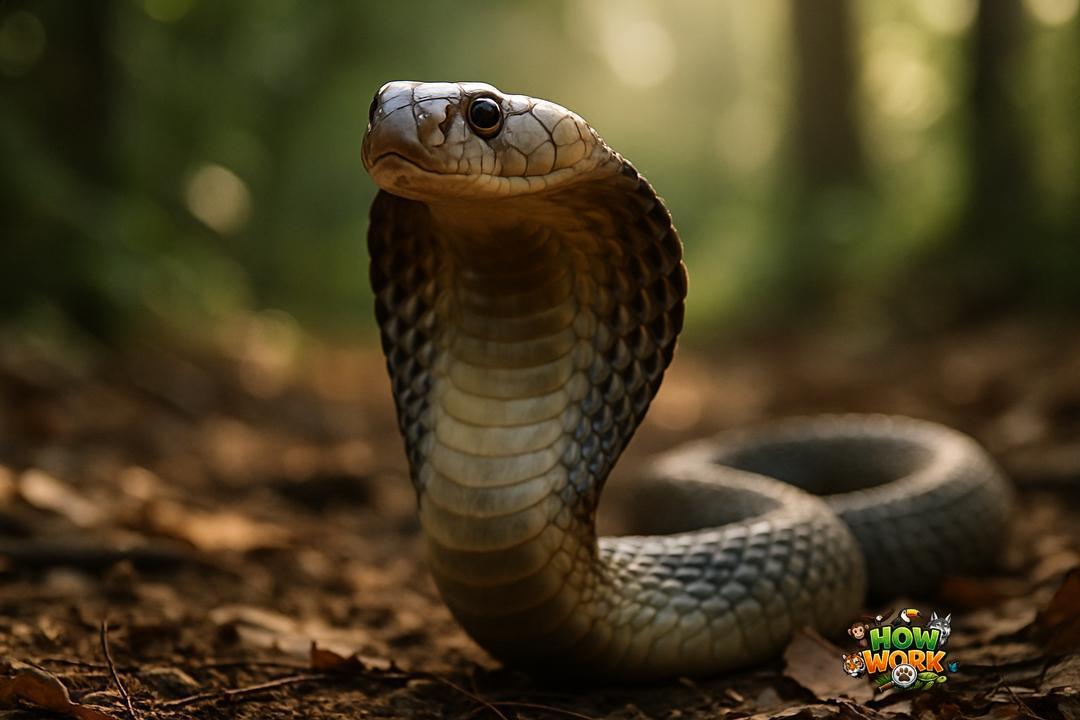
King cobra bite fatal rapidly without antivenom. This giant snake can kill a person in just 15 minutes. It injects more venom than almost any other land animal, making each encounter a race against time.
Vipers and coral snakes also rank high, especially in Asia’s bite hotspots. Some spiders, like the Brazilian wandering spider, and scorpions in North Africa and India, can deliver stings that require emergency care.
If you spot these creatures while hiking, keep your distance. Wearing sturdy boots and carrying a flashlight at night can help avoid sudden surprises.
Oceans’ hidden assassins: jellyfish and cone snails
The blue-ringed octopus kills 20+ adults with one bite. It’s small, hard to see, and only dangerous if it bites, so never handle one, even if it looks calm.
Cone snails use harpoon-like neurotoxins to paralyze prey or defend themselves. Shell collectors have suffered fatal stings by accident. Box jellyfish, with near-invisible tentacles, are another major danger in tropical waters.
When swimming or diving, avoid touching animals you can’t identify, and always shuffle your feet in sandy shallows to warn hidden creatures.
Surprising venomous species: from platypuses to slow lorises
Venom in mammals goes beyond stereotypes. The male platypus sports spurs on his ankles that inject painful venom. It won’t kill you, but swelling and lingering pain are common.
The slow loris is the only venomous primate. It mixes saliva with secretions from an arm gland before biting, and its bites have harmed people in the illegal pet trade.
If you encounter an unfamiliar mammal, admire from a safe distance. Nature always has a few surprises in store!
Venom in action: how it works and why it evolves
Venom isn’t just one trick. It comes in many forms, each built for a different job: attacking, defending, or surviving the endless contest with rivals and prey. Let’s see how these powerful chemicals really work and why they keep changing.
Venom’s effects: neurotoxic, hemotoxic, cytotoxic
Venoms work by blocking nerve signals, destroying blood, or killing tissue. Neurotoxins, like those from some cobras, can paralyze muscles within minutes. Hemotoxins cause the blood to clot wrong or even burst blood vessels, Russell’s viper’s russellysin is the most potent clotting activator scientists have studied.
Cytotoxins damage cells directly, turning a harmless bite into a serious wound. Not all venoms hit the same way, which is why first aid can’t be one-size-fits-all. Quick medical help always matters, especially if you don’t know what bit or stung you.
How animals use venom to hunt or defend
Venom lets animals immobilize prey or warn off enemies. Some snakes and cone snails use toxins to paralyze victims almost instantly, making meals hard to escape. Others use a painful sting to tell predators: find dinner somewhere else.
According to current research, there are over 100,000 venom compounds known in nature, and the list keeps growing. The next painkiller or lifesaver could start in a snake or a snail.
Case study: the arms race between predator and prey
Venom constantly evolves in a chemical arms race. As prey get better at surviving toxins, predators find new ways to attack. Scientists call this a “two-speed” mode of evolution: sometimes venom changes fast, sometimes it stabilizes for generations.
This battle shapes the lives of both hunters and the hunted. For example, some ancient snake venoms change little, but newly evolved types show wild variety. Evolution won’t let up, each side keeps inventing new tricks to get ahead.
The real risks: bites, stings, and global impact on humans
Bites and stings from venomous animals are more than just scary stories, they’re a real risk in many parts of the world. But how common are these encounters, and what happens after?
Bite and sting statistics worldwide
There are about 5 million snakebites yearly worldwide. Of those, up to 100,000 deaths are reported every year, with hundreds of thousands more left with lasting injuries.
Most cases happen in rural areas where people work outdoors and medical help is harder to get. Quick facts: scorpions cause thousands of stings in places like India, while sea stingers impact swimmers in Australia and Southeast Asia. Prevention starts with good footwear and awareness in high-risk places.
Most dangerous encounters and their aftermath
Danger if untreated is the biggest threat. Bites from vipers, cobras, or box jellyfish can be deadly if the right care isn’t given fast. In some regions, victims can lose limbs or lives because hospitals lack antivenom or emergency service.
Real case? Many Indian farmers bitten by snakes while harvesting crops face weeks of disability if not treated quickly. If you’re in an area known for venomous wildlife, have a local emergency plan ready, and never ignore any bite or sting.
Antivenom: who needs it and how it’s made
Antivenom saves lives when used promptly. It’s made by injecting small amounts of venom into animals like horses, then collecting and refining their blood for protective antibodies.
Not everyone who’s bitten will need antivenom: mild cases sometimes recover with basic care, but severe reactions require it urgently. The key is that antivenom access can be scarce in the regions where it’s needed most, so time to treatment is everything. Always get to a hospital after a bite, even if you feel fine at first.
Venom beyond survival: medicine’s new frontier
Venom isn’t just a problem for survival. In labs and hospitals, these animal toxins are opening up a new world of medicine, turning dangerous stings into hope for millions.
Venom-inspired drugs: painkillers, heart medicine, more
Venom from snakes, snails, and scorpions has inspired powerful new medicines. Ziconotide, made from cone snail venom, was FDA-approved in 2004 to treat severe pain. Captopril, derived from the Bothrops snake, became the world’s first ACE inhibitor for high blood pressure, helping millions since 1981.
Some venom components are now being studied for treating infections and blood clotting. Many experts believe the next great antibiotic may come from venom.
Breakthroughs from snake, scorpion, and snail venoms
Medical science now has over 20 venom-derived drugs. More than 200 others are in development. Chlorotoxin from scorpion venom is being tested to fight brain tumors, and disintegrins from snakes may help prevent blood clots.
Real-life example? Prialt (ziconotide) is used for severe pain in people who can’t use standard medicines. Each drug starts with a life-threatening toxin, but science turns it into a tool for healing.
Modern milking: from wild animals to the lab
The way we collect venom keeps evolving. In the past, experts manually “milked” snakes and scorpions to collect venom. Now, scientists often use cell cultures and modern biotechnology to make safer, purer drugs, sometimes without touching a living animal.
Technologies like nanotechnology and recombinant DNA make venom medicines safer and more available worldwide. What started in nature’s wildest corners is now part of high-tech healthcare.
Why venomous animals deserve respect, not fear
Venomous animals deserve our respect, not our fear. They rarely attack people without reason and usually strike only if surprised or threatened. Their role in nature goes way beyond scaring hikers, these animals help control pests, balance food webs, and even provide the venom that saves thousands of lives each year in hospitals.
According to wildlife groups, most bites or stings happen when humans approach too close or block an animal’s escape. Jellies, spiders, snakes, and scorpions would much rather avoid you. For example, the hognose snake prefers to play dead and give off a bad smell instead of biting. If left alone, most will slip away without conflict.
Experts highlight how venom has inspired antivenoms and new medicines, turning a natural weapon into a tool for healing. Killing venomous animals out of fear can cause local extinction and upset the ecosystem’s balance. One scientist put it best: “Any animal that can kill with little more than a prick of the skin is worthy of our respect.”
Want to stay safe and help nature? Learn which venomous animals live near you and give them space if you see them outside. With basic knowledge and calm, respect can replace fear, making encounters with these animals rare and safe, for everyone.
Venomous animals inject toxins through bites, stings, or spurs, while poisonous animals harm through being touched or eaten. Some species can even be both.
Venom is a mix of proteins and enzymes that disrupts nerves, blood, or tissue in the prey or attacker. It acts quickly and varies by animal and target.
The inland taipan is considered the most venomous snake, and box jellyfish are among the most toxic sea creatures. Cone snails and some scorpions are also extremely dangerous.
Avoid handling or disturbing habitats of venomous species, learn to recognize your local dangerous animals, and use caution outdoors, especially in high-risk areas.
Venomous bites or stings can cause pain, paralysis, shock, or even death. Fast medical treatment and antivenom are critical, but some reactions may be severe or hard to treat.