
Regeneration: Animals That Regrow Lost Body Parts
Regeneration reveals how animals regrow body parts, from salamanders to starfish. Explore the secrets, science, and what sets these species apart.
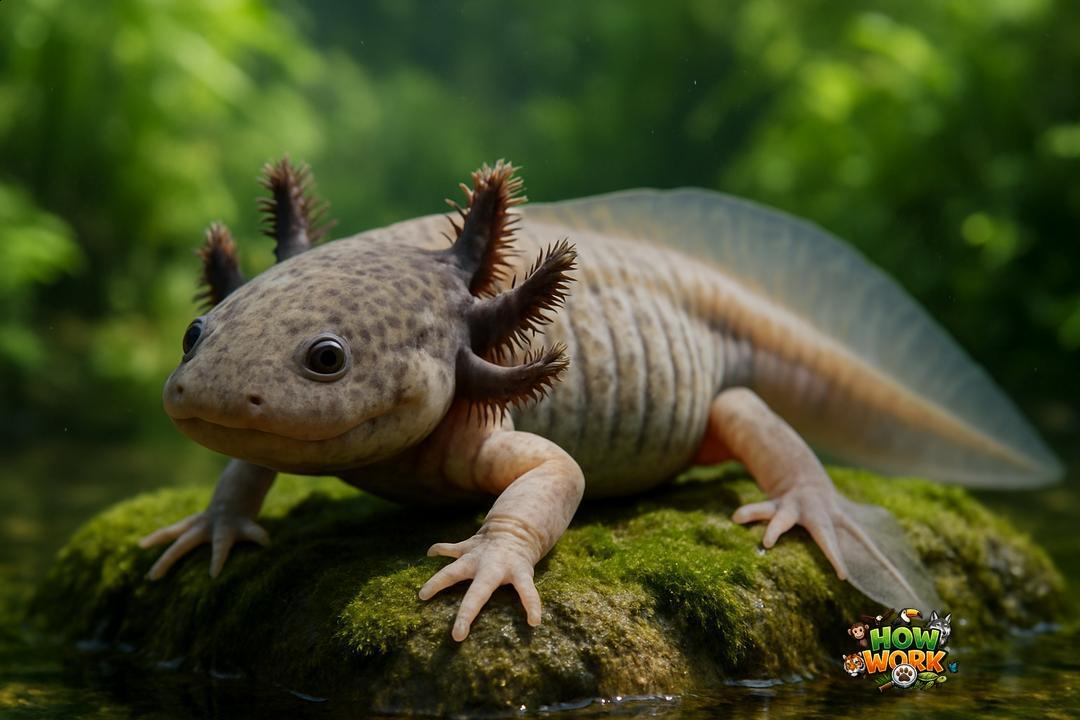
Imagine losing a limb and having it grow back, good as new. For many animals, this isn’t science fiction, it’s daily reality. Regeneration captures our fascination because it blurs the line between injury and renewal, showing us a side of nature most people never see.
Some creatures, like axolotls and starfish, take regeneration to levels that almost feel like superpowers. Biologists have revealed that regeneration isn’t just about healing a cut, some animals can regrow whole hearts, brains, or limbs. While you and I might settle for a scar, these animals hit reset and start over. There’s real hope here too: scientists are racing to uncover the secrets, hoping someday to help humans heal better, grow new tissues, or even repair organs.
But there’s a catch. Most of what you find online about regeneration barely scratches the surface. Quick lists of “top five animals that regrow” feel incomplete, rarely explaining how or why these abilities evolved, or how the same biology is shaping futuristic medicine.
This article dives deeper. You’ll get clear answers to your biggest questions, discover wild examples, and walk away with insights into what makes regeneration so unique. If you want to go beyond wow-factor trivia and understand what scientists are learning about the secrets of renewal, you’re in the right place.
What is regeneration? Breaking down the basics
Regeneration isn’t just about patching up a cut or bruise. It’s about growing back what’s lost, sometimes an entire limb or organ, restoring full function as if nothing happened. Let’s break down this powerful process, how it’s different from simple healing, and why some animals seem to have secret superpowers.
Defining biological regeneration
Regeneration is the full replacement of damaged or missing body parts, restoring precise structure and function.
Think of an axolotl regrowing a leg, or a hydra forming two new bodies when sliced in half. Even humans show some regeneration, like when your liver grows back after injury, or when your skin repairs itself after a cut.
The magic starts with specialized cells. Animals like salamanders form a blastema. This is a mound of stem cells at the injury site that turns into new bone, muscle, or nerves. As EuroStemCell puts it, “Regeneration means the regrowth of a damaged or missing organ part from the remaining tissue.”
Practical tip: Some fish and amphibians in home aquariums will show basic regeneration if they lose a fin or tail. Watch how they repair over weeks.
Key differences: regeneration vs. healing
Regeneration creates new tissue identical to the original, while healing only closes the wound, often leaving a scar.
You might heal a paper cut with a scar, but a salamander will regrow its toe exactly as before. Healing in mammals usually means covering up with tough, fibrous tissue, no new finger or limb appears. “The stump… may simply heal over without replacement,” says Britannica.
This difference comes from specialized patterns. Regeneration needs stem cells and careful patterning to rebuild exact shapes. Scar healing is much faster but less perfect. Next time you see your skin heal, notice whether it looks just like before. It probably doesn’t!
Example: Cilia (tiny hairs) regenerate in as little as 1-2 hours, but muscles take weeks. Some animals do both, humans rarely do either, except for skin and livers.
Why some species regenerate while others don’t
Regenerative powers depend on evolutionary differences in genes and cell activity.
Some animals, like axolotls and planarians, have lots of pluripotent stem cells. These let them unlock amazing regrowth. Most humans lose this ability after birth, except for skin and liver. Mice can regrow heart tissue only as newborns. Zebrafish regrow hearts with dividing heart cells, not just stem cells. Active nerves are also crucial, experiments in the 1950s show limbs won’t regrow if nerves are damaged.
So, why not us? “Every species maintains some capacity… though that capacity varies drastically,” explains Frontiers in Cell and Developmental Biology. Scientists are trying to “kick-start” regeneration in people with new medicine, but the secret still lies with animals like salamanders and stars.
Actionable takeaway: If you own a pet fish or lizard, observe regeneration up close. Note how quickly (or slowly) fins, tails, or skin start to reform after an accident.
Meet the masters: animals famous for regeneration
Some animals can pull off what feels like science fiction, regrowing everything from missing tails to parts of the brain. Let’s meet the real champions of regeneration, famous in labs and wild habitats alike.
Axolotl: limb and organ regeneration
The axolotl can regrow whole limbs, tails, spinal cords, parts of its brain, heart, and more, with no scarring at all.
This superstar salamander begins with wound healing, then forms a blastema (a clump of cells that become new tissue). Younger axolotls regrow faster than older ones, and surprisingly, losing one limb triggers faster regrowth of the next. Genes like Hand2, Shh, and Shox guide the process. As researcher James Monaghan puts it: “It could help with scar-free wound healing… or growing back an entire finger.” If you own an axolotl, watch closely, lost legs return in weeks.
Starfish and planarians: unique abilities
Starfish can regrow entire arms, sometimes up to five, or even a whole body if part of the center survives.
This process can take weeks or months. Their secret is blastema-like cells that start as undifferentiated, allowing for precise regrowth. Planarians go even further: these tiny flatworms can remake their entire bodies, including brains, from a small piece as little as 1/279th their original size. Inside, their neoblasts (special stem cells) jump into action. Used in science labs, they’re a front-line example in stem cell research.
Less-known champions: worms, lizards, and more
Many worms and lizards are secret regenerators, though what they regrow, and how well, varies a lot.
Earthworms can replace lost segments within days. Lizards, like geckos, shed their tails to escape danger, then regrow them over 1-2 months (though the new tail is cartilage, not bone). Hydra and sea cucumbers have their own wild tricks: sea cucumbers spit out and then rebuild their intestines, while hydra can form a whole new animal from floating cell clumps. Spotting these feats in nature or your own pet is a real reminder that the animal kingdom is packed with hidden superheroes.
How does regeneration actually work? From cell to structure
Regeneration is one of nature’s best building tricks. Let’s look at how animals pull this off, step by step, from cell to structure.
Blastema: the regrowth engine
The blastema is a clump of cells at the injury site that builds the new body part.
These cells can come from stem cells, or sometimes mature cells that change back into flexible, blank-slate cells. In planarians, mixing blastema cells from different body areas can even make a full new worm. This plasticity means cells adjust based on where they are, helping rebuild exact shapes.
Watch for this in pet fish or salamanders: you’ll see a soft bump at the injury site before a fin or limb regrows.
Gene activation and molecular pathways
Regeneration kicks in when the injury site signals special genes to turn on and control the process.
Many of the same genes used in making the body before birth are reactivated. For example, zebrafish use a family of genes called msx during fin regrowth. In mammals, certain pathways like the Hippo pathway can slow regeneration, but experiments suggest blocking these brakes speeds things up. Scientists are now testing these pathways to help healing in humans and pets.
Tip: Good nutrition and a clean habitat support healing after injury in pets that can regenerate.
Stages of regrowth in animals
Animals go through two main stages: preparation and redevelopment.
First, cells rush to close the wound and form a special layer called the wound epithelium. Then, signals from the body cause new tissue to grow and shape itself precisely. In zebrafish, even heart cells can divide to rebuild the organ. Most newborn mice share this skill for a short time, older mice and most people do not. In humans, stem cells only fix their own kind of tissue; a muscle stem cell cannot regrow skin.
If you observe young animals, like tadpoles or fish fry, you may notice they regrow lost parts more easily than adults do. This ability fades with age in most species.
Why can’t all animals regenerate? Evolution and trade-offs
Ever wonder why most pets or wild animals heal with scars instead of regrowing a missing tail or limb? The answer comes down to evolution and biology, a trade-off shaped by millions of years of survival in different habitats.
Genetic factors limiting regeneration
Genetic roadblocks prevent most animals from regrowing body parts.
In mammals like humans, certain genes, like p21 and others that suppress tumors, also block regrowth. After birth, the number of active stem cells drops, and our bodies are wired to build scar tissue fast. Salamanders, on the other hand, keep their regrowth genes “switched on” even into adulthood. Scientist Catherine McCusker notes that in mice and people, “gene silencing is a key difference.” If you want pets to heal cleanly, supporting healthy skin and avoiding infection are crucial.
Role of environment and survival strategies
The environment shapes an animal’s healing strategy, sometimes favoring speed over perfect repair.
If an animal lives in a dangerous place, it helps to close wounds fast to avoid infections and predators. That’s why many species developed quick scarring instead of slow regrowth. Zebrafish, for example, sometimes lose their regrowth advantage if their immune systems react too strongly to injury.
Keep your pet’s living space low-stress and clean to help wounds heal faster, whether they regrow or just repair.
Evolutionary costs and benefits
Regeneration is energy-intensive and not always worth the trade-off for complex animals.
In mammals, using valuable energy on rapid healing or reproduction means less is left for regrowing parts. Reptiles and amphibians, who face fewer urgent threats in some habitats, can afford the slow, careful process of full regrowth. Quick healing wins out if fast survival is key; perfect structure wins if safety allows.
Next time you see a lizard regrow its tail or your pet heal a cut, you’re watching evolutionary history in action, each species finds its own best solution.
Regeneration in the lab: what science is learning
Scientists are hard at work unlocking the secrets of regeneration. The goal? To help humans heal as completely as animals that regrow lost limbs. What’s happening in the lab is changing how we think about healing, and what might be possible for people and pets in the future.
Breakthrough studies and findings
Lab discoveries have mapped many of the genetic networks behind animal regeneration.
Studies with axolotls and zebrafish have revealed which genes “turn on” after injury. In 2018, researchers discovered a genetic blueprint in planarians that lets them regrow whole bodies from a tiny piece. Lessons from these animals are already shaping stem cell therapy and tissue repair research for humans.
If you’re interested in science, look up recent studies about these model species, they’re inspiring real advances in medicine.
Can we trigger regeneration in mammals?
Scientists have triggered limited regrowth in some mammals, but it’s still early days.
In lab mice, newborns can regrow heart tissue, something adults usually can’t do. Some experiments have helped mice regrow small parts of digits by using signaling molecules (like blocking the p21 gene). Still, these results are limited compared to salamanders or fish. Expert consensus is that mammal regeneration is possible but difficult, especially in adults.
Practical tip: If you follow animal health research, keep an eye on gene editing and stem cell breakthroughs. They hold big promise for the next decade.
Barriers: aging, scarring, and complexity
Three big barriers slow human regeneration: aging, scar tissue, and complex tissue types.
Older animals usually regenerate slower or not at all. In humans, injuries create scars instead of true new tissue. Tissues like nerves, blood vessels, and bones each have unique challenges for perfect repair. Scientists testing stem cell or gene therapies face risks like cancer or uncontrolled growth, so safety is key.
Supporting wound care and healthy habits in pets and people is still the best way to help healing while this research continues.
Could humans learn to regrow? The future of regeneration
What if humans could regrow organs, nerves, or even whole limbs? Science is making big strides, and the future of regeneration might be closer than you think, at least for some parts of the body.
Current clinical trials and experiments
Many clinical trials are already testing regenerative therapies in people.
As of 2024, hundreds of trials worldwide are using stem cell treatments, new drugs, and tissue scaffolds to help heal or rebuild body parts. Children’s fingertips sometimes regrow after injury. Cell therapy is helping patients recover from spinal cord damage or certain types of blindness. Keeping up with these studies is a great way to spot future breakthroughs for both humans and pets.
Tissue engineering and stem cells
Tissue engineering is already used to grow simple body parts like skin, blood vessels, and bladders in labs.
Lab-grown skin has saved lives in burn treatment, and new blood vessels and bladder tissue have been transplanted with success. The next step? Researchers are aiming to grow more complex organs in the next 10–20 years. Supporting research or considering clinical trials for pets (in special cases) could help speed up these advances.
Ethical debates and realistic timelines
Real limits and ethical dilemmas mean full limb regrowth is still decades away.
Experts warn that unproven treatments can be risky. Practical issues, like who gets access, how much it costs, and the safety of enhancing healing, are the focus of active debates. Scientists agree: steady, cautious research is the safest path. If you’re curious about regenerative medicine, always check that treatments are approved and peer-reviewed before trying them on yourself or your pets.
Regeneration: what animal science reveals about resilience and hope
Animal regeneration reveals nature’s resilience and gives real hope for healing in humans.
When we see animals like axolotls, planarians, and starfish regrow lost parts after injury, it shows the power to adapt and survive. These animals bounce back from damage that would leave others with scars or disabilities. Their secret to renewal has fueled breakthroughs in stem cell science, nerve repair, and our understanding of scar-free healing.
Research on animal regeneration is more than just biology trivia. It’s shaping new medical breakthroughs. Scientists use lessons from animals to test new ways of healing wounds, growing tissues, or even reversing age-related damage. Experts say animal models, like planarians for stem cells and axolotls for nerves, are guiding therapies that may help people heal more completely after accidents or surgery.
This science also inspires in everyday life. Watching a pet lizard regenerate its tail or reading about animal rescue recoveries can remind us that healing, and bouncing back from setbacks, is possible. If you’re caring for pets or even your own injuries, looking at nature’s stories can bring hope. The lesson is clear: with patience, care, and inspiration from animals, renewal might be more possible than we think.
Certain animals have evolved special genetic and cellular mechanisms for regeneration, often linked to their environments. Humans lack full activation of these pathways, relying instead on quick scarring for survival.
Standouts include axolotls (limbs, tail, spinal cord, brain), planarians (entire body or head), zebrafish (heart, fins), some lizards (tails), and invertebrates like Hydra and sea cucumbers.
Regeneration usually involves pluripotent stem cells or cells that change back into a flexible state, guided by molecular signals that reactivate developmental genes to rebuild tissues.
Many scientists believe regeneration was a shared ancestral trait. While humans retain some of the same genes, full regrowth is not naturally possible. Research is ongoing to potentially reactivate these mechanisms.
Major barriers include evolutionary changes, a tendency to form scars instead of new tissue, low gene expression for regrowth, and the risks of interfering with other body functions.