
Dog Training: Basic Commands Every Dog Should Learn
Dog training basics made simple. Discover essential commands, real-life tips, and proven methods for better behavior. Start your journey today!
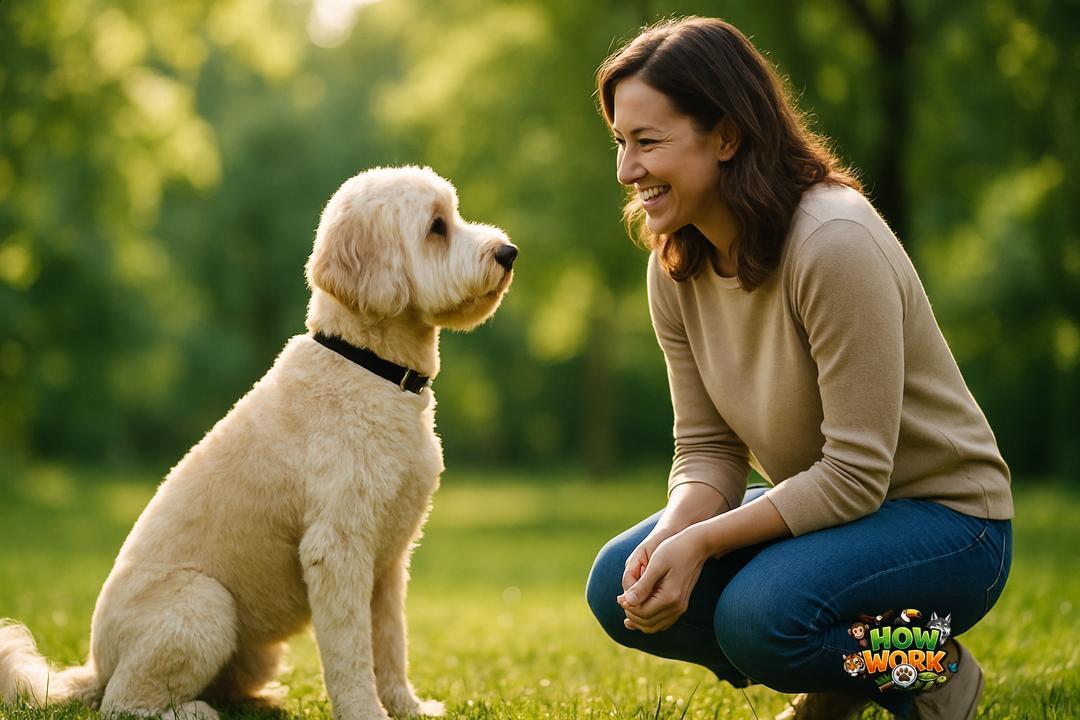
Ever felt like you and your dog are speaking completely different languages? You ask them to sit, but they spin in circles. You call them to come, and they dash after a squirrel instead. Training can seem mysterious, but it’s not reserved for “dog people” or professional handlers, every pet parent can learn basic skills that totally change day-to-day life.
When it comes to dog training, many owners share the same questions: Where do I start? What commands really matter? Research shows that simple, consistent training transforms a dog’s confidence and reduces stress for everyone involved. Modern techniques rooted in positive reinforcement, not punishment, are recommended by most trainers today because they build trust and long-term understanding.
Here’s the thing: plenty of quick-fix tips flood the internet, promising instant results. But skipping foundational steps or relying only on treats often leads to confusion and backslides. True behavior change comes from understanding the science of learning and practicing patience both for you and your dog.
This guide is your blueprint for success: a clear, step-by-step walk through the essential commands every dog should know, why they work, and how to make the lessons stick. If you want a better bond, and a better-behaved dog, you’re in the right place.
Why basic dog training matters for every owner
Basic dog training is essential for every owner. It’s not just about tricks or cute commands, training creates trust and sets the tone for your dog’s entire life with you. When you put in the time to teach, you get a calmer, safer, and happier pet.
Is dog training really necessary?
Yes, real training is necessary because dogs need structure to thrive. Without any rules or direction, most dogs start to act out or even develop serious behavior problems. Training early can stop bad habits before they start and saves you a lot of future stress.
For example, an untrained dog might chew shoes, bark nonstop, or bolt out the front door, simply because they never learned what you expect. Many trainers say, “Dogs crave guidance like a kid needs boundaries.” Even older dogs benefit if you keep sessions short and positive.
Want a tip? Try 10 minutes of training a day. Small, consistent lessons work better than hour-long weekend marathons.
Long-term benefits for you and your dog
Training offers improved safety and communication for both you and your pup. Trained dogs are less likely to run away, develop separation anxiety, or be surrendered to shelters.
There’s more: studies show a stronger lifelong bond forms when you practice together. Trained dogs usually join more family activities and even stay calmer during vet visits or big changes. You both enjoy less stress and more fun.
Consistent training also sharpens your dog’s mind and helps them handle emotions in busy places. Over time, your pup becomes a confident, well-mannered member of your family, and that’s a win for everyone.
Getting started: Creating the right training environment
Starting training is a lot easier when your setup works for both you and your dog. A few smart choices up front help your sessions run smoother and make learning less stressful for everyone.
Choosing safe training spaces
Pick a safe, distraction-free space so your dog stays focused. Loud noises, busy rooms, or too many scents can make dogs tune out quickly. The best spots are quiet corners of a living room, a fenced yard, or even a hallway where your dog feels secure.
Try a short training session in a familiar area before moving to busier places. If your dog gets distracted or nervous, go back to basics somewhere calmer. Keeping stress low makes learning stick. Start with a 5-minute session each day to build positive habits.
The right training gear
Use the right training gear to make sessions fun and consistent. Most owners need just a regular collar or harness, a sturdy leash, and bite-sized training treats. Skip retractable leashes and flashy gadgets for now, simple is best, especially for beginners.
A treat pouch helps you reward your dog right at the perfect moment. Always keep needed gear on hand before you start a session. Consistency matters more than having fancy equipment. Keep it positive, and your dog will look forward to training every time.
Sit, stay, and come: The building blocks of obedience
Every foundation has its key pieces. In dog training, the core commands, sit, stay, and come, are your toolkit for safety and calm, indoors and out. Let’s break them down with simple, proven steps and real-life tips.
How to teach ‘Sit’ reliably
Repeat for reliability: Use a treat to lure your dog’s nose up and back, making their bottom drop to the floor. Reward with a happy “yes!” or a click, then treat. Do 10-15 quick reps for 4-5 days. Most dogs reach about 80% reliability in quiet spaces within a week of regular sessions.
If your dog pops up, lure them back into position instead of starting over, muscle memory grows with practice. Example: Puppies that master ‘sit’ greet visitors calmly, not by jumping. Handy tip: Add a hand signal for faster progress.
Mastering ‘Stay’ in real-life situations
Add distractions slowly. Start with short, 5-10 second holds in a simple sit or down position. Reward, then release with a cue like “okay!” each time your dog waits. Over days, walk a few steps away, talk to someone else, or add gentle noises.
Research suggests 90% reliability is possible with daily 10-15 rep sessions and gradually tougher challenges. Try proofing the ‘stay’ in restaurants or parks to prevent leash pulling or unwanted greetings. Remember: Only add difficulty when your dog easily succeeds at current level.
Recall: The secret to a solid ‘Come’
Solid recall saves lives. To teach “come,” begin at home, use special treats, and get excited when your dog comes. Move outside once they’re great indoors, gradually make the environment trickier.
The secret? Positive practice in low-distraction spots first, then build up. Consistency makes your dog trust the command, even during walks or play. Useful tip: The more you practice recall, the more your dog sees you as their favorite destination.
Leave it, drop it, and impulse control
Keeping your dog safe goes way beyond “sit.” Commands like leave it and drop it train your dog’s brain to pause before grabbing, chewing, or running for something. This impulse control helps at home and outside, protecting your pup from all sorts of trouble.
When to use ‘Leave it’
Use ‘leave it’ to prevent ingestion of hazards, think dropped pills, chicken bones, or even dangerous foods in the street. Cue your dog before they reach something off-limits. Start by asking the dog to ignore a treat in your closed hand, then move to open palm or items on the ground. Progress only when they consistently look away, proving real impulse control before you add distractions.
AKC and training pros agree: if your dog ignores dropped food automatically, you’re building foundational impulse control that boosts daily safety.
Preventing resource guarding
Trade up to reduce guarding. “Drop it” tells your dog to release whatever’s in their mouth (toy, sock, even food). The catch? Always offer something better like a tasty treat or favorite ball. This turns giving up an object into a win, not a fight. Try it during playtime, if your dog drops a toy for a treat, then gets the toy back, it lowers anxiety and guarding over time.
Impulse control every day
Self-control every day pays off everywhere: waiting at the door, ignoring food on the ground, staying calm on leash. Teach through daily games, like “It’s Your Choice,” or putting a treat on the floor and cueing your dog to pause. Trainers recommend you let your dog try to wait before urging them, self-control learned this way sticks longer.
Remember, the real goal is for your dog to make safe choices even when you’re not right there to help.
Making it stick: Consistency, timing, and positive reinforcement
Teaching your dog isn’t just about practice, it’s about how, when, and how often you reinforce good choices. The right mix of timing, rewards, and repetition turns one lesson into a lifelong habit.
Why positive methods work best
Positive methods build trust. Praise and treats boost your dog’s confidence while making it fun to learn. Recent research shows positive reinforcement isn’t just motivating, it helps your dog persist, try harder, and enjoy training sessions.
Experts agree: rewarding the right behavior every time at first sets a strong foundation. Real-life tip: Use praise, petting, or a treat the moment your dog gets it right, especially when they’re learning new commands.
The science of timing
Reward at the right moment. Reinforce immediately, within 1-2 seconds of the behavior, so your dog links action and treat. Studies suggest that short, spaced-out sessions (like 5 minutes a few times a day) beat long marathons.
Need a tool? Many trainers use a clicker or a marker word like “yes!” so dogs know exactly what they did well. Try mixing easy and hard commands in each session to keep it interesting and help lessons stick.
Turning lessons into habits
Routine creates habits. Repeat skills daily, then gradually mix in different places or distractions. Consistency is the secret, follow a schedule for cues, walks, and rewards.
You can phase out treats as your dog gets better, swapping in extra play or attention. A consistent routine helps both you and your pup remember what works, no matter where you train.
Handling common challenges: Barking, biting, fear, and stubbornness
Even the best-trained dogs have rough patches. Barking, biting, and stubborn streaks are signals, not defiance. With a bit of detective work and some gentle strategies, you can turn challenges into progress.
Decoding why dogs misbehave
Understand your dog’s triggers. Most misbehavior is about boredom, anxiety, fear, or simply not knowing the rules. Dogs bark when they’re scared, alerting, or craving attention. Biting is often about poor socialization, resource guarding, or not learning “soft mouth.” Stubbornness? Usually, it’s just low motivation or too much pent-up energy.
Expert Dr. Houpt suggests, “Reward the dog as soon as the trigger appears”, so they connect calm behavior with good things.
Gentle solutions to biting
Gentle solutions work best for bite issues. Gradually get your dog used to being touched on paws, ears, or collar with treats and praise. Teach puppies to mouth softly, if they bite too hard, stop play for a few seconds.
Avoid yelling or punishment. Dogs often see scolding as attention and repeat the behavior. Instead, reinforce calm play and redirect to a chew or toy.
Managing fear and reactivity
Step-by-step confidence is the goal. Try counter-conditioning: give tasty treats when a trigger (like another dog or loud sound) appears, but only at a safe distance. This rewires fear into something positive over time.
Use curtains or calming music to limit visual triggers and games to reduce stress indoors. For tough cases, a vet behaviorist can help build a plan, don’t tough it out alone if your dog seems deeply afraid.
Taking it further: Advanced commands, enrichment, and socialization
Once you’ve mastered the basics, it’s time for your dog’s learning to level up. Advanced skills, creative games, and real-world social time keep any pup happy, healthy, and connected, to you and to their world.
Fun with advanced skills
Advanced skills for fun challenge your dog’s brain and body. Tricks like “spin,” “back up,” or “fetch the leash” build focus and teamwork. Dogs who learn new cues regularly are less likely to pick up bad habits like household mischief.
Real-life example: A daily “touch” or “find it” game sharpens both mind and nose. Work together, advanced training is about partnership, not perfection.
Importance of social walks
Social walks build confidence. Taking your dog to meet people, dogs, and new places in calm settings fights anxiety and fear. These walks teach your dog to handle surprises without getting stressed out or reactive, according to behavior experts.
Practice loose-leash walking in parks or pet-friendly spots. The more social experiences your dog has, the easier vet visits or family parties become, now and later.
Mental stimulation matters
Mental games for healthy minds. Puzzles, food-dispensing toys, and rotating favorite chews keep your dog busy when you can’t play. Studies and trainers agree: enrichment prevents boredom and unwanted behavior.
Try hiding treats for morning “nose work” or teaching your dog the names of toys. Any brain game you can invent or find online helps your dog stay sharp for years to come.
Building a lifelong training bond: Next steps for you and your dog
The key to a lifelong training bond is making every day a new chance to connect. Trust, teamwork, and good habits all grow from the right mix of positive training, play, and routine.
Daily short sessions, just 5-10 minutes, help basics like sit, stay, come, and leave it stick for life. Use treats, praise, or a favorite toy to show your dog that learning is fun and safe. Consistent routines for walks, feeding, and play build comfort and lower stress, for both of you.
Experts stress that reading your dog’s body language and being patient matter just as much as commands. Try playing “find it,” teaching an agility trick, or enrolling in group classes for a social boost. Real-life tip: Adopted dogs may need extra time but blossom fastest with gentle routines and predictability.
“Training is one of the best ways to bond,” as dog experts often say. Every small win adds up. Your dog learns to look to you for guidance, making life together smoother and more fun. The more you invest now, the more you’ll enjoy a confident, well-mannered companion for years to come.
To discourage leash pulling, stop walking immediately when the leash tightens. Wait for your dog to relax, then resume. Changing direction can also help refocus your dog's attention.
Redirect your puppy to appropriate chew toys, praise and treat calm behavior, and provide enough exercise to lower their energy. Avoid punishing; use positive reinforcement instead.
Begin by practicing recall in low-distraction settings using high-value rewards. Gradually add distance and distractions, always keeping sessions short and encouraging.
Take your dog outside regularly on a consistent schedule, reward successful potty trips with treats and praise, and use a chosen phrase like "go potty" to build association.
First, identify what triggers the barking. Teach a command like "quiet," and reinforce silence with rewards. Make sure your dog receives enough exercise and mental stimulation to reduce boredom.