
Cat Behavior: Understanding Your Feline Friend
Cat behavior explained in everyday language. Learn what your cat’s actions mean and how to bond better with your feline friend.
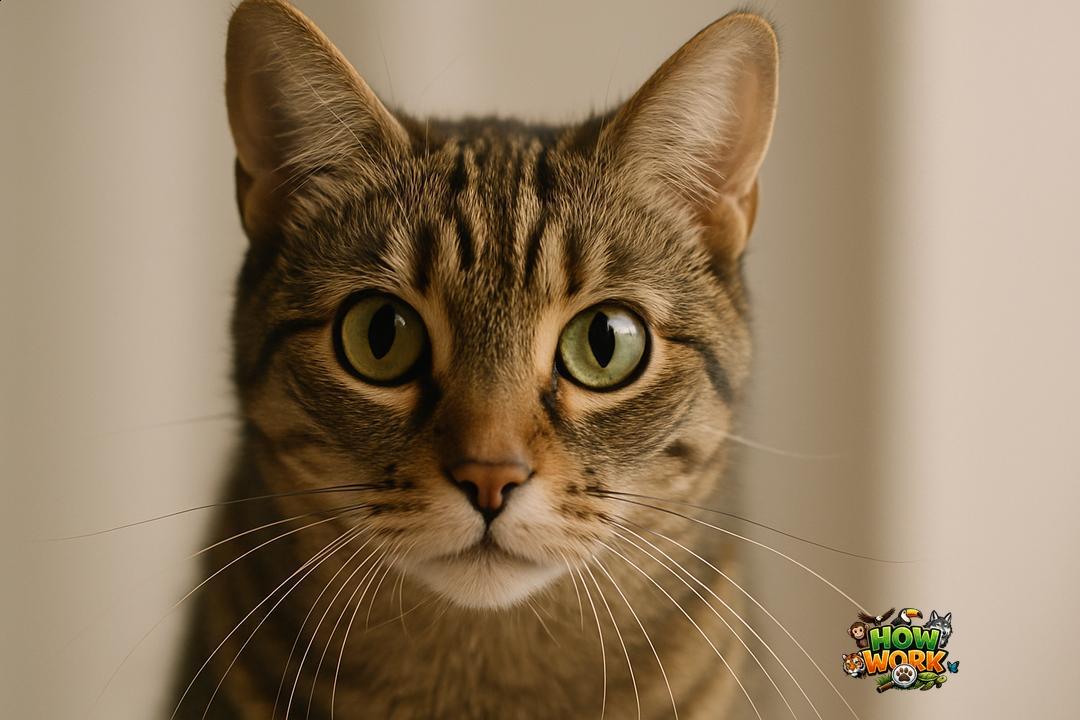
Imagine if your cat could talk. Would your mornings be filled with stories of midnight adventures, or would she simply ask for more treats? The truth is, your cat’s behavior already speaks volumes, you just need the right guide to decode it.
From the sassy tail flick to those mysterious nighttime zoomies, felines display an entire language through actions, sounds, and posture. According to feline behavior specialists, cat owners everywhere want the same thing: to understand what their cats are really telling them. Learning to read cat behavior can actually improve your bond, make cohabitation smoother, and even spot health issues early.
Yet, most advice stops at quick lists or generic tips. It’s easy to find “Why does my cat scratch?” or “Help, what does purring mean?”, but rarely do you get explanations that fit modern homes and ever-evolving research. Many resources overlook recent discoveries about cat emotions and their subtle, personal ways of bonding.
This article is your deep dive. We’ll break down the signals, myths, and science behind everyday feline actions. Whether you’re a new cat parent or a lifelong enthusiast, you’ll uncover real-world insights for decoding your cat’s unique language, giving both of you a more harmonious life under one roof.
Decoding cat body language: tails, ears, and eyes
Cat body language can look mysterious, but it’s really a set of clear signals. If you know what to watch for, your cat’s tail, ears, and eyes will reveal how they feel.
Tail positions and meanings
The tail is a main mood signal for cats. A tail held high means confidence or happiness. If your cat’s tail is low or tucked, it often shows fear or anxiety. A flicking or swishing tail can mean your cat is annoyed, focused, or even ready to pounce. A quick tip: When you walk in and your cat greets you with a high, quivering tail, that’s a happy welcome. If Abbey, your tabby, flicks her tail when you pet her belly, she’s actually saying “enough.”
What cat ears reveal about mood
Ears are cat mood meters. If your cat’s ears point forward and look relaxed, they’re calm or curious about their surroundings. Ears that turn sideways or flatten against the head? That’s a sign of fear, irritation, or even aggression. Try moving away or removing what’s causing stress. Always read ears with tail and eye clues for the full story.
Interpreting feline eye signals
Eye shape and pupil size are clues. Slow blinks from your cat mean trust and relaxation. Wide-open eyes with big, round pupils often show excitement, fear, or even aggression. Combine this with ear and tail signs: if the pupils get big and ears press back, your cat is nervous. Want to connect? Try slow blinking at your cat, the “cat kiss”, to build trust.
Why cats act the way they do: from zoomies to scratching
Cats sometimes seem unpredictable, but almost everything they do is perfectly normal, at least from a feline point of view. Zoomies, playful attacks, and scratching are built-in behaviors.
Common cat behaviors explained
Zoomies and scratching come from natural instincts. Zoomies, those wild sprints, usually pop up in indoor cats who need to burn off extra energy. Cats also scratch to stretch, mark territory, and care for their claws, not to be naughty. Experts say about 70% of indoor cats have daily zoomies. Try letting your cat hunt toys before bedtime to reduce late-night chaos.
The science behind zoomies and midnight craziness
Cats are crepuscular: active at dawn and dusk. That’s when most zoomies hit, about 80% of episodes happen around these times. Sometimes, zoomies come right after a litter box break. Dr. Gerken notes, “FRAPs release endorphins and improve heart health.” Why do they run after the bathroom? For at least half of cats, it’s pure relief! Try timed play sessions before your bedtime to help your cat settle.
Scratching: instinct or problem?
Scratching is healthy instinct, not bad behavior. Cats scratch to communicate, exercise, and care for their claws, which shed every 2-3 weeks. It’s only a problem if done to excess, often because of stress. The fix: Place sturdy scratching posts where your cat likes to scratch. Most vets say 90% of cats with good posts ignore the furniture. Redirect scratching, don’t punish.
Vocalizations and communication: meows, purrs, and more
Cats use a surprising toolbox of sounds, and every meow or trill means something different. If you know how to listen, these vocal hints can help you tell what your cat needs, or warn you when something’s wrong.
Why cats meow and purr
Meows are for us, not for other cats. Most adult cats only meow at people. They want food, attention, or simply to chat. Kittens meow at siblings, but stop by about 4 to 5 months. Your cat’s purr (usually 25–150 Hz) is a comfort cue, yet can also show pain or hunger. Each cat’s purr is unique, researchers found every individual has its personal “purr-ID.” A purr with kneading usually means contentment, but if your cat purrs when sick or hurt, it might be self-soothing.
Chirping, chattering, and trills
Chirps, trills, and chatters are special signals. Chirps and trills greet you or call to kittens, almost like a soft hello. Chattering happens when a cat spots prey or birds through the window, it’s a mix of excitement and frustration. Try mimicking a trill during play to get a response. Watch for your cat’s favorite “hello” sound!
When vocalizing signals distress
Long, deep, or drawn-out meows aren’t good signs. These sounds often signal sadness, pain, or fear. Experts note that a dragged-out “MRRROOOWWW” or wild yowl can mean pain or illness. If your cat’s sounds get lower, louder, or just different, check for health or stress issues. Always pair your listening with watching: body language gives extra clues.
Scent marking and territory: what nose and paws tell us
For cats, scents are like words. They use their nose, paws, and cheeks to talk about home, safety, and even friendships, often without a sound.
Facial rubbing and scratching
Cheek rubbing and scratching mark territory and loved ones. When your cat rubs her face on you or furniture, she’s leaving pheromones from her cheek and forehead. This says “I feel safe” or “you’re part of my group.” With paws, cats scratch to leave both scent and visual claw marks, mostly along paths and edges. If your cat rubs or scratches more after a change, she may be re-marking her space.
Spraying vs. normal marking
Spraying is a stress or boundary marker, scratching is daily routine. Normal marking happens with rubbing and scratching in safe spots. Spraying is urine on vertical surfaces and marks territory, often under stress. If your cat squats and marks tiny puddles outside the box, that may be stress or health trouble. Give cats calm core areas to reduce spraying.
How scent builds social bonds
Group scent helps cats live together peacefully. In homes with several cats, rubbing and sniffing mix scents to ease tension. A returning pet from the vet may need help to pick up the “home smell” again, especially if others growl. Let cats rub on shared objects to blend scents and build trust.
Recognizing and addressing problem behaviors
Sometimes, cat behavior changes fast, knowing what’s normal and what’s a red flag makes all the difference. Small shifts can signal health or emotional trouble, so tuning in helps cats stay happy and safe.
Excessive hiding or aggression
Hiding or sudden aggression is a distress signal. Most cats hide during thunderstorms or after a move, but all-day hiding or new aggression can mean they are stressed, sick, or hurt. If your cat avoids contact for more than 24 hours or bites when touched, track recent changes: new pets, loud noises, people? Make a quiet space and limit disruption. If hiding lasts more than a day, check with your vet.
Litter box problems
Missing the box can mean medical or stress issues. Cats stop using their litter box if it’s dirty, moved, or the wrong type; but health problems (like infections) often play a part. Over 30% of vet visits for behavior are about bathroom woes. Keep the box clean, put it in a calm spot, and always rule out pain if your cat changes habits overnight.
When to consult a vet or behaviorist
Call the vet for sudden or ongoing changes, don’t wait. Any new aggression, all-day hiding, or repeat misses with the box means it’s time for expert help. Many vets say that catching illness early boosts recovery. If stress is the cause, certified cat behaviorists can help create a plan to restore calm at home.
What your cat’s behaviors really mean for your relationship
Your cat’s behaviors are a mirror for your relationship. Every tail twitch, rub, and meow tells you how safe and connected your cat feels with you. These signals are how cats build trust and express affection.
Actions like bunting (head-rubbing), choosing to sleep beside you, and even showing their belly all signal deep attachment. When your cat meows, it’s usually “just for you”, cats rarely use this sound with other cats. Felines mark family by scent, and relaxed body language near you means you pass the trust test.
Did you know cats often reflect their owner’s mood? Studies show cats in calm, predictable homes with caring routines are friendlier and less anxious. On the other hand, cats with stressed or unpredictable owners can become more aggressive or withdrawn. As one expert says, “Owners shape bonds through care.”
To deepen the bond, pay attention to your own habits. When your cat rubs against you, try slow-blinking back (the “cat kiss”), this dates to kitten-parent bonding. The bottom line: knowing how your cat communicates makes both of you happier, healthier, and closer together.
When a cat exposes its belly, it usually means the cat feels relaxed and safe. However, most cats dislike belly petting, so approach slowly and watch for signs of discomfort.
Cats scratch furniture to stretch, keep their claws healthy, mark territory, and relieve stress. You can redirect this behavior by providing sturdy scratching posts and rewarding your cat for using them.
A relaxed tail usually signals happiness. A tightly curled tail may indicate fear or illness, while a flicking or thrashing tail can show anger or defensiveness.
Kneading is a comforting behavior carried over from kittenhood. It signals contentment, relaxation, and affection toward you.
Signs of happiness and bonding include slow blinking, rubbing against you, purring, relaxed posture, and kneading. Responding with gentle petting and play can strengthen your bond.