
Indoor Cats: Enrichment Ideas for Happy Felines
Indoor cats need enrichment to stay healthy and happy. Discover expert-approved ideas to prevent boredom and nurture your feline’s wellbeing.
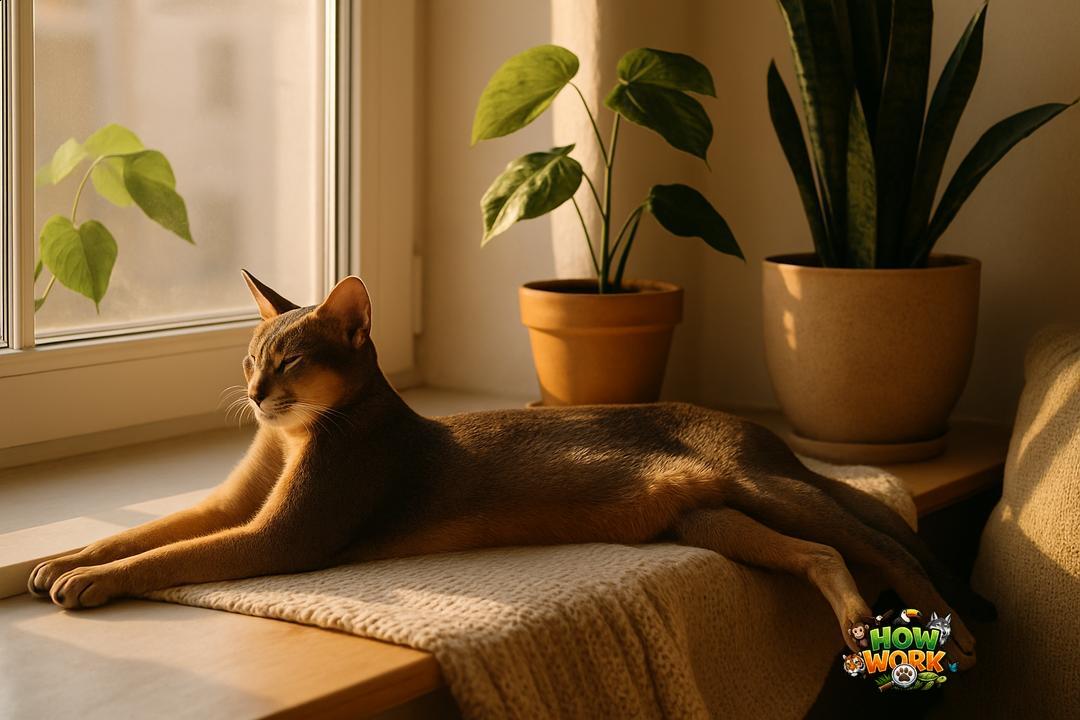
Ever find your indoor cat gazing longingly out the window or knocking your pens onto the floor for the hundredth time? If so, you’re not alone. Many cat owners wonder if their feline friends are truly happy spending life indoors.
Cats are natural hunters and explorers, but indoor living is now the norm in city apartments and busy suburbs. According to animal welfare experts, a growing number of owners worry about their indoor cats getting bored or stressed, which can affect both their health and your home’s peace.
Most articles suggest “play with your cat more” or “buy more toys,” but that barely scratches the surface. Real enrichment goes way beyond quick fixes, and ignoring deeper needs leads to frustration for both pet and owner.
This guide moves past the usual advice. You’ll get evidence-backed insights, practical enrichment strategies, and creative ideas that work for all budgets and spaces. If you want a happy, healthy cat, and fewer shredded curtains, read on.
What indoor cats really need to thrive
To help your indoor cat thrive, you need to focus on more than just food and cuddles. Understanding their basic daily needs sets the foundation for a happy, healthy pet.
Food, water, and litter essentials
Clean, fresh water and balanced meals are musts for indoor cats. Vet experts say water fountains encourage cats to drink more, staying hydrated helps prevent kidney problems. Mix wet food pouches with dry kibble for better moisture intake. Use interactive feeders to mimic hunting and slow down eating, especially for cats prone to weight gain.
Litter hygiene matters too. Covered boxes with fresh scoopable litter feel private, and experts say a clean box every day helps avoid stress and bathroom accidents. Try placing boxes in quiet, low-traffic areas of your home for best results.
Comfortable sleeping and hiding spots
Comfy and safe places help cats relax. Most indoor cats crave enclosed spots like cardboard boxes or soft cave beds. These give them privacy and reduce stress.
Give your cat access to vertical shelves or a cat tree, climbing and napping up high feeds natural instincts. Try rotating favorite napping spots or window perches to keep things interesting.
Routine health care and check-ups
Routine vet check-ups are key. Bring your indoor cat to the vet once a year for exams and vaccinations. Regular brushing keeps fur healthy and helps reduce hairball risks, especially in cats that move less indoors.
You’ll also want to look for signs of boredom, like over-sleeping, destructiveness, or weight gain. Keeping up with dental checks and creative play can make a bigger difference than many owners think.
Enrichment: Preventing boredom and unwanted behaviors
Enrichment isn’t a buzzword. It’s how you prevent boredom and stress in your indoor cat. These ideas keep your cat active and calm at the same time.
Signs your cat is bored
Common signs your cat is bored include scratching furniture, peeing outside the litter box, or sleeping all day.
Experts suggest rotating toys weekly to keep playtime fresh. If your cat seems restless or destructive, that’s a clear sign more stimulation is needed.
Try hiding treats or using puzzle feeders, they recreate the thrill of “hunting” indoors.
Common behavior issues in indoor cats
Behavior issues in indoor cats often include excessive meowing, aggression, and destruction.
Research shows almost 90% of indoor cats will act out if they don’t get enough play and structure in their day. For example, laser pointers alone may frustrate cats if there’s no final “catch.” End games with a toy or treat to avoid this.
Keeping a predictable schedule helps your cat feel safe and calm.
Why enrichment works
Enrichment fuels instincts and keeps cats from getting bored. It gives them new sounds, textures, and challenges.
Simple things can make a big difference. Puzzle toys encourage movement, and catnip or soft sounds trigger curiosity. As behaviorist Mayara Andrade says, “An enriched environment feeds the mind and wakes up instincts.” Combine these ideas with wet food to boost energy and hydration.
Practical enrichment ideas for every home
Enriching your cat’s life doesn’t mean buying fancy gadgets. Everyday creativity is your superpower. Little changes can bring big joy.
DIY toys and entertainment
DIY cat toys are easy and cheap. Use cardboard tubes, paper balls, or hidden treats in a box. Cats love to bat, chase, and explore things that make noise or move.
Try swapping old toys for new homemade ones each week. Food puzzles made from toilet rolls or egg cartons challenge your cat’s mind. Even a crumpled paper ball can entertain for hours.
Safe climbing structures and vertical spaces
Safe climbing spaces help cats feel secure and satisfied. Stack sturdy boxes, use shelves, or buy a simple cat tree.
Create ‘cat tunnels’ with chairs and blankets, or line up cushions for a gentle obstacle course. Always check for stability and use only soft materials that won’t hurt paws.
Window perches and safe outdoor access (catios)
Window perches let cats watch birds, trees, or just the outside world. Secure a soft pad or bed on a safe windowsill, making sure there’s no risk of falling.
Catios (enclosed patios) offer fresh air and sun safely. If you can’t build one, a screen on an open window (always supervised) gives your cat a safe taste of the outdoors. Even simply opening the curtain gives your cat a front-row seat to the world beyond your walls.
Environmental tweaks for mental and physical health
You can boost your cat’s happiness with just a few smart changes at home. Variety and nature make all the difference. Here’s how to get started.
The role of hiding spots and varied textures
Hidden nooks and different textures keep indoor cats calm and active. Cats love hiding for safety, it’s natural! Cardboard boxes, baskets, and tunnels offer fun places to relax and nap.
Add a variety of textures: blankets, towels, cat trees, and even crinkly paper. This encourages scratching, exploring, and play, making your cat feel secure.
Rotating resources to avoid monotony
Rotating resources stays important. Switching out boxes, tunnels, and toys each week keeps things fresh, even a simple swap can spark new curiosity.
For multi-cat homes, rotation can also help reduce fights and keep everyone interested. Put new hides or play zones every 10 feet in busy areas, so cats feel in control of their space.
Introducing pet-safe plants
Pet-safe plants like cat grass add foraging fun and boost indoor nature. While there isn’t direct research on plant effects, many experts say safe greens can promote play and gentle sniffing.
Always double-check that any plant you bring home is non-toxic for cats. Try placing pots by windows, shelves, or in your cat’s favorite resting area for a natural touch.
Expert tips: Preventing health risks unique to indoor cats
Indoor cats have unique health risks that outdoor cats often avoid. Small changes, and expert guidance, can keep them healthy. Here are smart ways to prevent trouble before it starts.
Weight management and exercise
Indoor cats need less food and more activity. Obesity is more common in indoor cats because they burn fewer calories. Try feeding measured portions of high-protein canned food, which matches their wild diet.
Add daily playtimes, think wand toys, cat towers, or treat puzzles. Even homemade climbing corners or hallway sprints help keep weight in check. Water fountains get your cat moving, too.
Litter box hygiene and stress reduction
Litter box cleaning matters for both hygiene and peace of mind. Scoop every day. Use unscented, low-dust litter and place boxes in private, quiet areas to reduce stress.
Monthly, wash the box with mild soap, skip harsh disinfectants. Add scratching posts and hiding spots so your cat feels safe. Stress can cause problems like FLUTD, which affects about 3% of indoor cats.
When to see the vet
Annual checkups are essential. Indoor cats still need vaccines and flea prevention because pests can hitchhike on your clothes. Watch for sudden weight change, bathroom troubles, or odd behavior.
If you spot these, call your vet. Don’t wait, some issues, like FLUTD or toxicity, are urgent. Regular vet visits help catch problems early, keeping your cat healthy and happy.
How small changes can transform your indoor cat’s happiness
Small changes truly transform your indoor cat’s happiness.
Just 10-15 minutes of play each day, switching out toys, or adding a new perch can make your cat more curious, active, and confident. Experts say daily playtime with wand toys or feather teasers reduces boredom and brings out natural hunting instincts. Swapping toys and introducing food puzzles give your cat a fresh challenge each week.
Try installing a window perch or simple shelf, many cats relax and feel secure when they can watch the world safely from above. Even a cardboard box placed near a window can spark hours of exploration and bird-watching. Adding scratching posts or changing up textures (like tossing in a crinkle tunnel) feeds their senses and helps calm restlessness.
Keep routines steady but lively. Consistent feeding and bonding (30 minutes of gentle attention) can lower stress fast. Studies show enrichment like this not only encourages exploration, but also reduces unwanted behaviors, without needing to let your cat go outdoors. Cats thrive on variety. The smallest tweaks can bring big joy.
Offer daily playtime, climbing shelves, puzzle feeders, scent exploration, and safe outdoor access like catios to mimic natural instincts.
Indoor cats without enrichment are more likely to develop obesity, stress, anxiety, joint problems, or digestive issues due to inactivity.
Common signs include excessive meowing, scratching furniture, overgrooming, knocking over objects, aggression, or litter box issues.
Aim for 10–15 minutes of interactive play twice daily using wand toys, feather teasers, or chase games to satisfy hunting instincts.
Yes. Mental enrichment—like puzzle feeders or treat hunts—encourages problem-solving, slows down eating, and supports emotional balance along with exercise.