
Rabbit Care: Housing and Feeding Essentials
Rabbit care essentials: discover expert-approved tips on housing, feeding, safety, and bonding, ideal for new and experienced rabbit owners alike.
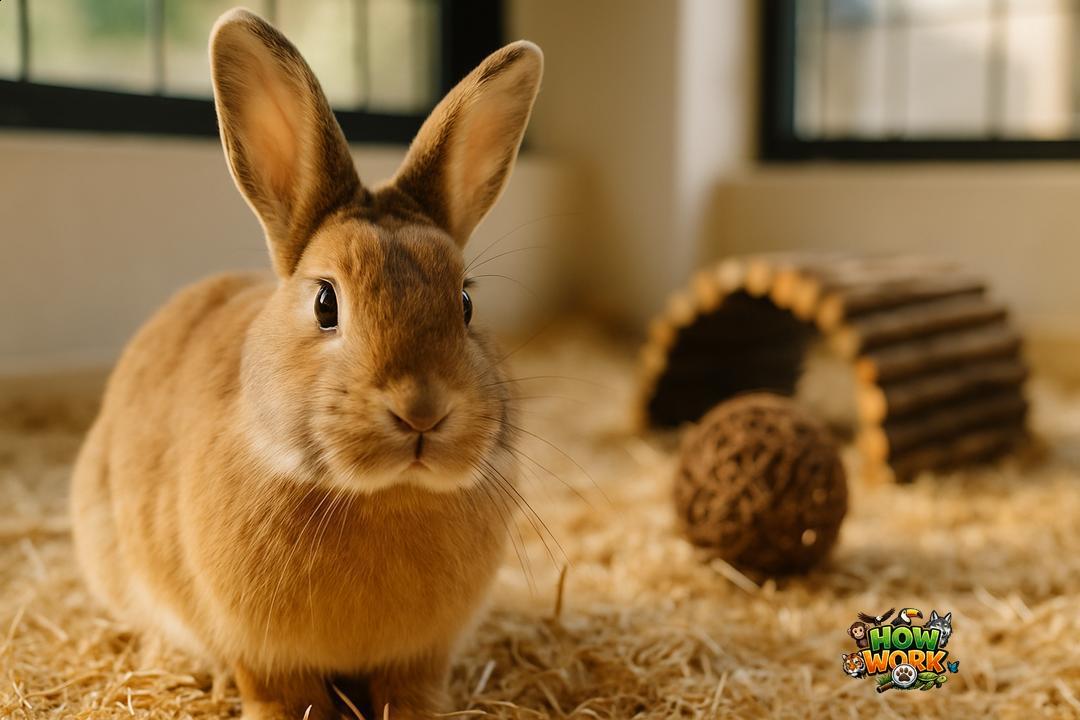
If you’ve ever pictured rabbits as simple, low-maintenance pets, you’re not alone. Many people imagine a bunny happily munching carrots in a tiny cage. The reality? Rabbit care involves much more than fluffy tails and twitchy noses, it’s about creating a safe, enriching world that lets your companion thrive.
A growing number of new owners are learning that rabbits have special needs. According to animal welfare groups, proper rabbit care centers on housing, nutrition, hygiene, mental stimulation, and health checks. Neglecting any of these can lead to stress, illness, or abbreviated lifespans. For instance, healthy rabbits need a living space at least four times their body size, with daily access to grass hay, not pellets alone, for digestive health and dental wear.
Here’s the thing: Many guides skim over critical details or suggest quick fixes like small cages or cheap “rabbit pellets.” But shortcuts can cause long-term harm, from obesity to lonely, bored pets. You deserve honest answers based on proven practices, not pet shop myths.
This article breaks down everything you need with expert-approved, practical advice on rabbit housing, feeding, hygiene, and safety. Whether you’re a new bunny parent or refining your setup, you’ll find real solutions to help your rabbit live a happier, healthier life, for years to come.
Understanding a rabbit’s basic needs
Getting to know a rabbit’s needs is how you’ll keep your bunny happy, and avoid the health problems that leave so many owners stumped. There’s more to this than food and water. Let’s break down exactly what it takes.
Physical and emotional needs
The basic needs of rabbits are a safe space, proper diet, and regular enrichment.
Every rabbit requires an enclosure at least four times its body size. The floor must be solid, wire bottoms hurt sensitive feet. Fill the space with nesting materials and safe hideouts, not just a bowl and water bottle.
Hay makes up 80-90% of a rabbit’s diet. Timothy or orchard grass is best. Two cups of greens per six pounds of body weight, and a quarter cup of high-fiber pellets daily, round things out.
Clean, fresh water is a daily must. Heavy ceramic bowls work better than bottles, they don’t tip as easily.
Rabbits groom themselves, but weekly brushing prevents fur blockages. The real secret? Emotional security matters. Bunnies thrive with gentle daily handling, consistent routines, and a few hours to hop and explore outside the cage.
If you care for more than one, remember: rabbits are social. Bonded pairs or trios live longer, less-stressed lives. Sudden changes, rough handling, or loneliness can lead to destructive behaviors or illness.
Practical tip: Set up a rabbit-safe room or roomy pen full of chew toys, tunnels, and soft bedding. Rotate toys and hiding spots to keep things fresh and fun.
Common misconceptions about rabbits
Common rabbit myths can cause real harm.
Carrots are not main meals, they’re high in sugar and best as an occasional treat. Leafy tops are safe daily, but root carrots only in moderation.
Another myth: rabbits need lots of salty treats or supplements. In truth, a balanced diet of hay, greens, and a small amount of high-fiber pellets covers their needs. Extra vitamins or pet store treats often upset their sensitive digestion.
Some owners believe rabbits are happy alone. Not true, these animals crave social time and routine. Isolating a rabbit can cause stress that weakens the immune system.
Practical pointer: If you notice signs of loneliness (chewing cages, hiding, sudden aggression), try introducing a compatible rabbit friend or maximize positive daily interaction. And always, monitor health: 80% of unspayed females risk uterine cancer by age three, so regular vet advice and spaying are crucial for a long, healthy life.
Choosing the ideal rabbit housing
Choosing the right home for your rabbit is a big responsibility. It’s about more than size, it’s about creating a place where your bunny can move, play, and stay healthy.
Space requirements
Minimum recommended living area must be at least 3m × 2m × 1m for a pair of rabbits.
That’s 10ft × 6ft × 3ft, and it should be available all the time, not just for play. Exercise space matters too. Add a run or playpen with at least 32 square feet for daily exercise. Rabbits that live cramped get bored, stressed, and risk muscle wastage or obesity. A bigger setup is always better.
Example: If you bring home two medium rabbits, combine a hutch for sleeping plus a large pen they access 24/7.
Safe materials and layout
Safe materials and layout protect rabbits from harm and stress.
Use solid flooring, never wire, as wire can injure rabbit feet. Pick natural, non-toxic materials, wood, metal bars with powder coating, and plastic-free bedding are usually best. Good ventilation helps keep air fresh. Every rabbit needs a cozy shelter, a hiding box, and clear access to food and water.
Tip: Avoid cheap “starter cages.” Build or buy a modular pen you can expand, and rotate cardboard tunnels, hideouts, and platforms for mental stimulation.
Keeping the home clean
Keep rabbit homes clean with daily spot cleaning and weekly deep cleaning.
Change bedding, remove soiled litter, and wipe surfaces regularly. Most experts suggest using white vinegar and hot water, never harsh household chemicals. Clean water bowls and food dishes with soap at least once per week.
Practical pointer: Set up litter trays lined with paper-based pellets to save time. Always check corners and hideouts, rabbits are tidy but curious and sometimes stash food there. A clean space means fewer health risks and a happier rabbit.
Nutrition: Building a healthy rabbit diet
Rabbits depend on their diet for everything, energy, dental health, and how they feel day-to-day. Getting nutrition right helps avoid most common rabbit health problems.
Hay varieties and importance
80-90% of a rabbit’s diet should be high-quality hay.
Grass hays like timothy, orchard, brome, or oat are best. They keep teeth worn down and digestion moving. Alfalfa hay is only for young rabbits or nursing moms, too much can cause urinary stones in adults. Check that hay is always fresh, green, and free of mold.
Tip: Provide a large hay rack and swap out old hay daily for fresh flavor and less dust.
Fresh foods versus pellets
Fresh vegetables are essential, but keep it simple.
Feed 1-2 cups of leafy greens per 4 pounds of rabbit daily. Always offer at least three different greens (like romaine, cilantro, or dill), which should make up most of the fresh part. Pellets play a smaller role: max 1/4 cup of high-fiber, timothy-based pellets per 6 pounds rabbit. Skip mixes with seeds, grains, or colored treats to avoid digestive trouble.
Example: One rabbit eating romaine, parsley, dill, and a measured scoop of plain brown pellets with no extras.
Safe treats and foods to avoid
Safe treats only, never share human food or risky veggies.
Introduce new veggies one at a time. For fruit, keep it to 1-2 ounces per 6 pounds and stick to safe types like strawberries or apple (no seeds!). Never feed anything with corn, seeds, nuts, or dairy, these can cause blockages or tummy trouble. Baby rabbits should skip all fruit and fresh veggies until their gut matures.
Actionable tip: If you spot soft stool or diarrhea after a new food, stop immediately and go back to hay only for a day or two before trying again.
Routine care: Hygiene, grooming, and health checks
Routine care is your best defense against small problems turning into big ones. Rabbits are great at hiding illness, so daily attention to hygiene and health makes all the difference.
Grooming basics
Daily brushing helps rabbits stay healthy and comfortable.
Most breeds shed regularly and need weekly brushing. Long-haired breeds should be brushed every day to prevent mats. Check nails once a month and trim as needed. Look over your rabbit’s fur and skin for debris or sore spots, and gently check ears and bottoms for buildup. Clean bedding and litter keep coat and paws clean even longer.
Action tip: Get your rabbit used to gentle grooming young. Give a favorite treat after a session to make it positive.
Preventing common health problems
Routine health checks let you catch infection or sickness early.
Change water daily and replace soiled bedding as needed. Most experts recommend a deep clean weekly to remove bacteria and parasites. Watch for signs: dirty fur around the bottom, wetness, or odor may point to urinary issues. Keep an eye on how much your rabbit eats and poops, sudden changes often mean something’s wrong.
Tip: Keep a weekly checklist. Log food, weight, and general mood, so you have a clear picture if something changes.
Spotting signs of illness
Watch for warning signs like droopy posture, crusty eyes, loss of appetite, or odd droppings.
Healthy rabbits are alert, eat constantly, and have regular, round droppings. If you notice sores, bald patches, labored breathing, or ongoing diarrhea, act quickly. Waiting can mean longer recovery or life-threatening issues.
Practical advice: If you spot something off, call an experienced rabbit vet right away, rabbits can go from fine to very sick in just a day or two.
Veterinary care and preventive measures
Veterinary care isn’t just for emergencies. With rabbits, regular checkups and preventive measures can add happy years to their life.
When to see the vet
Routine vet checks catch health problems early, even if your rabbit looks fine.
Most experts suggest a full checkup every 6–12 months. Go sooner if you see signs like ongoing diarrhea, sudden weight loss, breathing trouble, or major behavior changes. “Even seemingly healthy pets can harbor hidden diseases,” says Dr. Susan Barrett. Fast action gives your rabbit a better shot at a full recovery.
Tip: Keep a notebook for health notes and schedule your next visit after each exam.
Vaccines and parasite control
Core vaccines and regular parasite control keep rabbits safer from life-threatening diseases.
In many regions, vaccines for myxomatosis and rabbit hemorrhagic disease virus (RHDV) are considered essential for rabbits. Preventive medicine also means monthly checks for fleas and mites. Where risk is high, antiparasitic treatments can reduce infection and discomfort by up to 99%.
Action step: Ask your vet what vaccines and parasite control are needed in your area, and stick to a yearly routine.
Spaying and neutering facts
Spaying and neutering rabbits reduces health issues and unwanted litters.
“Population-wide sterilization dramatically decreases shelter intake and euthanasia rates,” according to the AVMA. Spaying female rabbits nearly eliminates uterine cancer risk, a leading threat after age three. Neutered or spayed rabbits are less likely to spray, fight, or exhibit aggression with humans or other pets. Most vets recommend surgery by 4–6 months old, but timing depends on size and health.
Tip: If you’re unsure about the best age, ask a rabbit-savvy vet for advice. Delay raises risks but rushing without a plan isn’t smart either.
Enrichment and safe handling for bonding
Rabbits need more than just food, they need daily fun, freedom to move, and gentle human contact to truly bond with you.
Exercise and playtime
Daily exercise needs are critical for rabbit health and happiness.
Experts suggest at least 20–30 minutes of supervised play per rabbit, but many thrive on 3+ hours of activity. Use pens or safe rooms with toys, like treat balls and cardboard tunnels, to spark curiosity and movement. Rotate or move toys weekly. Some shelters see over 70% calmer rabbits when enrichment is a bonding focus rather than direct confrontation.
Tip: Supervise all play sessions and keep new environments hazard-free until your rabbit is fully comfortable.
Understanding rabbit behavior
Understand rabbit signals to avoid confusion and build trust.
Signs of happiness include relaxed “flops,” gentle grooming, or sharing space with another rabbit. Pre-bonded pairs may thump or hide, these cues are nervous, not mean. Vet Patrick Butler notes, “If they are lying side-by-side and sharing a litter box, they are usually bonded.” Bonding can take several weeks, and patience pays off. Unspayed/unneutered rabbits are more likely to fight.
Actionable: Watch for consistent routines or sleeping close together as signals you’re on the right track.
Handling without stress
Gentle, consistent handling is key to bonding without stress or fear.
Always support the chest and hindquarters when lifting. Start with short sessions and build gradually. If rabbits fight when together, separate them quietly with a towel, never yell. Calm pets build more trust: “Be calm, gentle, and relaxed; rabbits pick up on your tension,” says Dr. Brem. Try petting both rabbits at once to mix scents, which can help them accept each other faster.
Practical tip: Always end handling or bonding sessions before either rabbit shows stress, stop while everyone is calm, not after a scuffle.
Long-term rabbit care: Setting expectations for a decade of companionship
Bringing home a rabbit means signing up for up to a decade of daily care and commitment.
Most healthy pet rabbits live between 7 and 10 years, with some making it to 12 or 14. That’s as long as many dogs or cats, so their needs change over time. Each stage asks something different from you, from extra play and social time for the young to extra vet care as they grow older.
Rabbits can’t be left alone for more than 24 hours. For their health and happiness, experts recommend not leaving them alone for more than 12 hours if possible. Daily checks, feeding, exercise, and affection are non-negotiable.
Companionship matters. Rabbits suffer from stress and boredom if alone, many welfare organizations emphasize that pairs or bonded groups are far healthier. A single rabbit, especially left without enrichment, may get anxious or destructive.
Costs add up. It’s normal to spend over £11,000 (about $13,000) on two rabbits through their lives, so it’s smart to plan finances and keep an emergency vet fund. Good setups, with run-space to hop, stretch, and dig, help avoid muscle loss and obesity. Larger breeds, like Flemish Giants, may only live 5-8 years and need more space and food than smaller buddies.
Practical tip: Rethink holidays, moves, and schedule changes around your rabbits, not the other way around. Responsible rabbit care is a lifestyle, not a hobby.
Rabbits require large pens or enclosures and several hours of daily free-roam time to hop and explore. Small cages can harm their physical and mental health.
Hay should make up 80–90% of a rabbit's diet, with daily fresh leafy greens, a limited amount of pellets, and occasional healthy treats.
Rabbits should visit an exotic pet veterinarian at least once a year for wellness exams. More frequent visits are needed if illness is suspected.
Well-cared-for house rabbits typically live 7–10 years, and some reach 12 years or more. Indoor rabbits generally live longer than those kept outside.
Yes, rabbits are social animals that need daily companionship and playtime with their owners or fellow bunnies to stay happy and healthy.