
Pet Anxiety: Calming Stressed Animals at Home
Pet anxiety can disrupt your furry friend’s life, and yours. Discover practical, vet-backed tips to spot stress and create a calmer home for pets.
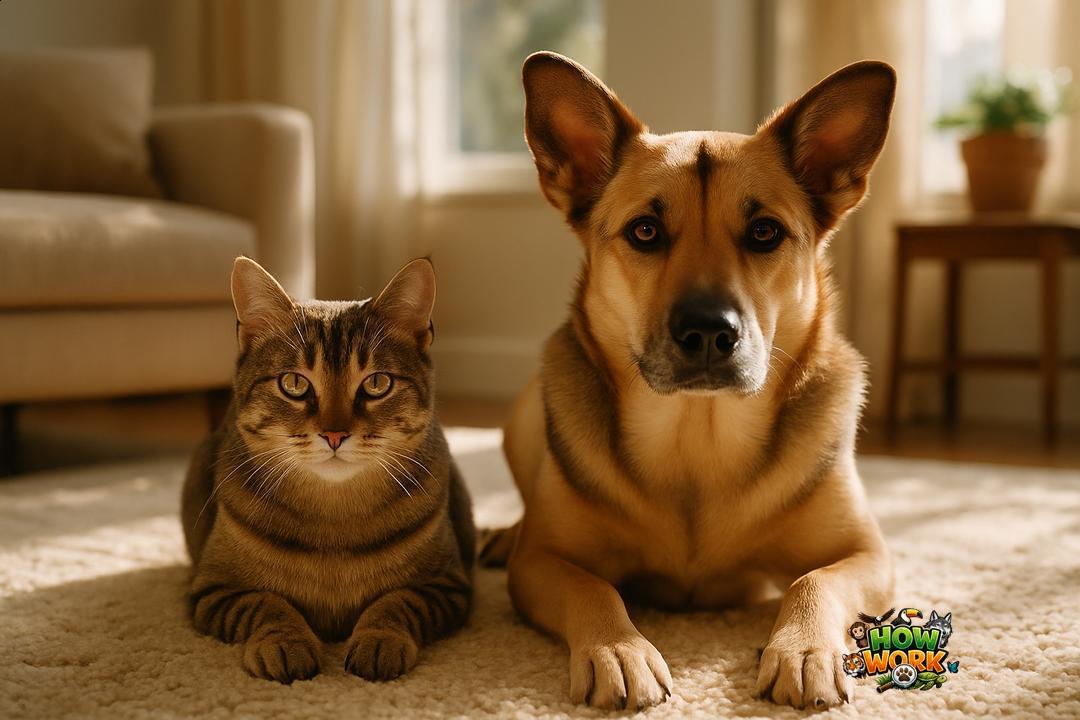
Ever noticed your dog trembling during thunderstorms, or your cat hiding for hours before a vet visit? If so, you’re not alone. Pet anxiety isn’t just a quirky trait, it’s one of the biggest concerns facing today’s animal lovers.
For many families, pet anxiety can cause disrupted routines, destructive behaviors, and a lot of stress for both pets and their people. Experts are seeing a rise in anxiety-related issues, especially as our homes become busier and pets pick up on our own worries. Separation anxiety, noise phobias, and even subtle behavioral changes are more common than most of us realize.
The web is packed with quick tips and miracle products that promise instant calm. But here’s the thing: most overlook the true complexity of animal behavior. Real solutions take more than a new toy or a few drops of “calming” oil.
This article cuts through the noise. You’ll get a practical, evidence-based look at why anxiety happens, how to spot the warning signs, what works (and what doesn’t), and actionable ways you can make life calmer for your furry family, starting right at home.
Understanding pet anxiety: what it is and why it matters
Every pet has moments of worry, but true anxiety is a bigger deal. It shapes behavior, impacts well-being, and can strain your bond with your animal companion. Understanding what’s happening is the first step to healing and happier days, both for your pet and your family.
Types of pet anxiety
Pet anxiety shows up in several different ways, from separation anxiety to noise fears and trauma-based phobias. Around a third of dogs show symptoms at some point, even cats aren’t immune. Some dogs panic when left alone, tearing up doors or whining for hours. Others freeze or hide during storms or fireworks. Phobias can also follow a traumatic event, like a bad vet visit. If you notice these patterns, try keeping a diary, as experts recommend, to spot what sets your pet off and track improvement.
How anxiety differs from normal stress
Normal stress and anxiety are not the same. It’s normal for pets to react briefly to loud noises or strangers. But while short bursts of stress help animals stay alert, anxiety is ongoing. It doesn’t go away when the trigger is gone. You might see pacing, avoiding family, or even aggressive behavior lasting hours or days. If your pet seems stuck in a loop of worry, it’s time to look for solutions beyond just comfort.
The science of animal anxiety
Brain chemicals in animal anxiety work a lot like in humans. Anxious pets often have changes in their stress hormones and brain chemistry. Studies show that animals with chronic anxiety may have a genetic tendency or could be responding to life changes, like moving homes. Dr. Karen Overall, a veterinary behaviorist, explains, “Anxiety in pets isn’t just bad behavior, it’s a medical issue.” Try calming signals, like soft music or scent-based therapies, as part of your at-home toolkit. It can make a real difference, especially when combined with training and vet guidance.
Recognizing anxiety in your pet: symptoms and early signs
Recognizing anxiety means thinking like a pet detective. Some signs are impossible to miss, but others slip right by. Spotting the difference can save your furry friend a lot of trouble down the road.
Physical vs behavioral symptoms
Physical changes in anxious pets often come first. Look for trembling, shaking, or panting when it’s not hot. Pacing and restlessness are other big clues. On the behavior side, anxiety shows up as hiding, tail-tucking, or even lashing out with barking or biting. Some pets become destructive, think chewing on furniture or having accidents indoors. Chronic stress can raise heart rate, blood pressure, and even weaken a pet’s immune system. If you see these, pause and ask: what’s changed in their world lately?
Hidden signs many owners miss
Subtle signs owners miss may show up quietly. Many anxious pets yawn, lick their nose or lips, or suddenly act jumpy without cause. Sometimes they stop following simple commands, or shake off as if wet, even when dry. These early warnings can be easy to miss. Research even shows your pet may mirror your own stress, picking up on your emotions without you realizing. Try noting these smaller shifts in a notebook to catch patterns over time.
When to seek expert advice
When to seek expert advice comes down to your pet’s quality of life. If anxiety is constant, stops normal routines, causes health trouble, or makes daily independence hard for either of you, reach out. Frequent vet trips for stress-related issues, or persistent guilt or panic you can’t ease alone, mean it’s time for help. Early action often prevents bigger problems down the line, so don’t wait to ask for support if your gut says something’s off.
Root causes: what triggers pet anxiety at home?
Most pet anxiety doesn’t appear out of nowhere. Instead, it’s sparked by changes in routine or household environment, things that might seem minor to us, but big for animals. Understanding the root cause is the first step to finding lasting solutions.
Separation anxiety explained
Separation anxiety in pets means real distress when left alone. Dogs often bark, chew, pace, or have accidents. Cats may avoid the litter box or become destructive. Studies show post-pandemic routine shifts made separation issues worse, almost 12% of owners saw new signs of anxiety. Prevention works best: keep departures calm, and practice leaving for short periods to build your pet’s confidence.
Noise, visitors, and environmental stressors
Noise and visitors are big triggers. Dogs and cats notice everything from thunderstorms and fireworks to home construction or new faces. Some pets drool, hide, or show sudden changes in toilet habits. During the pandemic, noise-related issues rose nearly 17%. If your pet starts acting up after a loud night, try offering a safe, quiet retreat and play calming music to mask triggers.
Owner behavior and household routines
Household routines trigger anxiety when they change fast. Animals thrive on predictability. New jobs, school schedules, or sudden absences unsettle them, especially for shelter pets or those super-bonded to their humans. Experts say anxious attachments appear when pets follow owners everywhere. Making routines more predictable and adding puzzle toys or safe alone time can help your pet feel more secure.
First steps: immediate ways to soothe anxious pets
When anxiety strikes, your pet needs relief fast. Simple changes, made right away, can lower stress for both pets and people. Here’s how to start calming things at home today.
Creating a safe haven
Creating a safe haven is step one. Choose a quiet space with a favorite blanket or bed where your pet can relax undisturbed. Covered crates, or a cozy corner in a room with low lights, work well. Try pheromone diffusers like Adaptil for dogs or Feliway for cats. Some pets respond to calming vests or white noise, just like shelter dogs who relax with gentle music and limited foot traffic. The goal: a cozy, secure retreat your pet can count on.
Soothing techniques for acute stress
Soothing techniques for acute stress help during sudden flare-ups. A calm touch, cuddle, or gentle petting often work quickly. Play or a brisk walk before you leave helps dogs burn nervous energy. Use music therapy or white noise to cover scary sounds. If your dog is anxious before you go, try a quick game of fetch or introduce triggers slowly, rewarding calm behavior. “A well-exercised pet is more likely to rest peacefully,” vets say. Positive reinforcement builds calm quickly.
The power of routines
The power of routines can’t be overstated. Feed, walk, and play at the same times each day so pets know what’s next. Use puzzle toys or scent walks to beat boredom. Regular routines, even during life changes like back-to-school season, make anxiety less likely. If something big is coming up, try to introduce changes slowly and always give your pet their safe space.
Long-term solutions: training, enrichment, and environment
Immediate tips help, but real change takes more time. Long-term solutions focus on new experiences, training, and daily enrichment, helping animals grow confident inside and out.
Scent-based and sensory enrichment
Scent-based enrichment taps into your pet’s strongest senses. Scent games, like hiding treats around the house, have helped even stressed shelter dogs relax and stop destructive behavior. Studies found bacon-scented bubbles and lavender bedding lead to more calm time and less pacing. Try rotating toy scents each week so things stay fresh and exciting.
Desensitization and counterconditioning
Counterconditioning training teaches pets to swap fear for good feelings. When scary noises hit, like fireworks, pair them with favorite treats or a game. Research says soothing sounds (like nature audio) help dogs rest and bark less, especially in shelters. According to experts, social time with people actually beats toys for stress relief. Start young if you can: puppies under 12 weeks benefit from gentle new sounds at home.
Enriching your pet’s daily routine
Daily routine for pets builds up their resilience. Daily walks, gentle grooming, and belly rubs lower stress and make pets more sociable. Swap toys every week, animals lose interest in just two days with the same ones. Protocols in shelters show that regular outdoor walks, handling, and even music (quiet Mozart) reduce stress and boost relaxation. Mix things up: use different toys, smells, and routes to keep your pet’s brain happy.
Medical approaches: when and how to consider medication
Sometimes, soothing routines and training aren’t enough for anxious pets. This is when your vet might suggest medical help, especially if daily life is disrupted.
Types of medications for anxiety
Types of medications for anxiety your vet might use include SSRIs and SNRIs, like fluoxetine, or tricyclic antidepressants. Other options are pregabalin or, less commonly, benzodiazepines. It often takes 4-6 weeks to see results at a proper dose. Medications are only safe when prescribed by your vet and used as part of a complete plan.
Risks and monitoring
Risks and monitoring are important. Side effects can include nausea, headache, and dry mouth. Some, like SSRIs, might cause agitation at the start, especially if dosed quickly. For older pets or those on other meds, extra caution is needed. Benzodiazepines are used rarely because of dependency risk. Always check with your vet if things seem off.
Integrating medical and behavioral treatment
Combine medication and training for the best results. Research shows therapy, like desensitization, counterconditioning, or pet versions of Cognitive Behavioral Therapy (CBT), work better when paired with meds in tough cases. As experts recommend, a “combined approach works best for hard cases.” Continue positive routines and update your vet often, so your pet gets safer, longer-lasting relief.
The human–pet connection: your stress, their stress
Your calm shapes your pet’s calm. When you’re stressed or upset, your pet picks it up. But when you both relax together, anxiety drops for everyone.
How owner emotions affect pets
How owner emotions affect pets is more direct than most people think. Research shows dogs and cats mirror their humans’ stress levels, when you’re tense, their stress hormones rise too. For example, a tense dog walk often leads to pulling, barking, and more anxiety for both of you. Try pausing for a few deep breaths before high-stress moments.
Mindfulness and stress management for you both
Mindfulness and stress management work for pets and people. Simple routines, like calm breathing or quiet time together, help lower anxiety on both sides. Experts even found that slow, relaxed breathing right before a dog walk leads to less problem behavior. When things get hectic, take five minutes to sit quietly with your pet, this teaches them it’s okay to pause and unwind.
Building a supportive bond
Building a supportive bond takes daily practice. Positive routines, such as play, petting, or training, build trust and comfort. Studies show that predictable activities lead to better bonds and more calm, confident pets. Make shared downtime part of your schedule, and always reward calm behavior you want to see again.
Creating a lifetime of calm: practical steps to a happier, less anxious pet
Creating a lifetime of calm starts with daily, positive habits and understanding your pet’s unique needs.
Building consistency in feeding and walks helps pets feel safe. Use regular playtimes and social walks, research shows these routines cut down stress and anxiety. If your pet seems uneasy, create a quiet area where they can unwind without interruptions. Rotate toys every week to keep things interesting and reward your pet whenever they choose to settle calmly.
Daily routines matter more than most people think. Predictable schedules can prevent many anxiety issues before they start. Early intervention, spotting nervous behavior and acting quickly, gives the best results. Programs with play and gentle handling help shelter dogs show less stress, for example.
Try to avoid stress triggers where possible, like chaotic noise or frequent changes. If changes are needed, introduce them slowly and always give lots of praise for brave, relaxed behavior. If stress sticks around or grows worse, reach out to a vet or animal behavior expert sooner rather than later.
Reward calm behavior and watch for subtle signs. With patience and support, even the most anxious pets can become more relaxed. Your steady, gentle efforts set the stage for a happier, less anxious life, one day at a time.
Common signs include fidgeting, pacing, panting, drooling, destructive behavior, restlessness, repetitive actions, or changes in bathroom habits. Triggers can include stress, new situations, or loud noises.
Anxiety can be caused by loud noises like thunderstorms or fireworks, separation from owners, changes in routine, new people or pets, boredom, or health issues. Sometimes it has no obvious cause and may develop over time.
Try creating a safe, quiet space with familiar items, playing soft music or white noise, offering positive reinforcement, or using calming aids like pheromone diffusers. Gentle touch and routine help too.
Establish consistent routines, provide comfort objects or safe spaces, increase exercise and play, and use positive training methods. Stay calm, as pets often mirror your own emotions.
If anxiety doesn’t improve with home strategies, starts affecting daily life, or seems severe, it’s important to consult a veterinarian. They can recommend treatment plans or refer you to a behavior specialist.