
Hamster Care: Setting Up the Perfect Habitat
Hamster care starts with the right setup. Discover practical tips for habitat, diet, and enrichment, so your hamster thrives from day one.
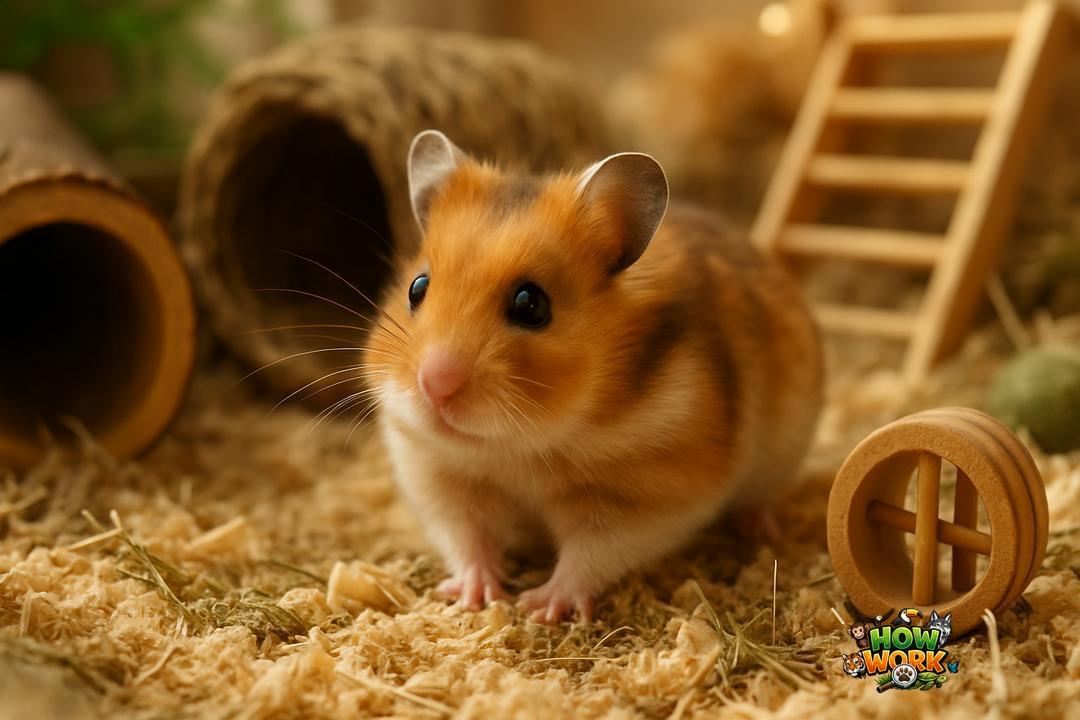
Imagine living your whole life in just one room. Now, think about what it would take for that space to actually feel like home. For your hamster, their habitat isn’t just a cage, it’s their entire universe.
Many owners don’t realize how much a hamster’s wellbeing depends on the right setup. Hamster care starts with more than cute accessories and a food dish. A well-designed space affects their health, their mood, and even how long they live. Current best practices, backed by veterinarians and welfare groups, push for bigger enclosures, varied diets, and meaningful enrichment. The right approach can truly change your pet’s quality of life.
But too often, advice you find online skips essential details, overlooks behavioral needs, or suggests “quick fixes” that might even cause harm. Many guides ignore that hamsters are crepuscular, need behavioral enrichment, and have their own personalities. That’s where most content falls short.
Here is the thing: This article will walk you through every step of creating a hamster habitat that checks all the boxes, from big-picture health down to the tiniest detail. You’ll get not just suggestions, but science-backed reasoning and easy-to-follow tips. Ready to build your hamster a home they’ll truly love?
Choosing the right enclosure: safe space matters
Getting the enclosure right is the most important choice you’ll make for your hamster. This space shapes their safety, behavior, and long-term health. Let’s break down what truly matters.
Minimum space requirements
The minimum cage size is crucial for physical and mental wellbeing. A cramped cage causes stress and health problems. While standards vary, many welfare groups now suggest no less than 24 inches by 12 inches of floor space, with a minimum height of 12 inches for a single hamster.
Try to go bigger when you can. Large enclosures let hamsters run, dig, and explore naturally. For example, a 40-gallon breeder tank or modular habitat can meet, and often exceed, basic space needs.
Secure cage materials and ventilation
Ventilated wire cages with secure latches make the best choice for most hamsters. Good airflow is vital to prevent ammonia buildup, which can cause respiratory disease. The best cages combine a deep plastic base for bedding with a metal wire top, never wood, since it absorbs urine and boosts the risk of odors and mold.
Bar spacing matters, too. Look for bars spaced less than half an inch apart to prevent escapes. Daily checks for loose parts keep the living space safe.
Setting up bedding and nesting areas
A deep bedding layer and natural nesting material are essential for hamster comfort. Use paper-based, absorbent bedding. Avoid cedar, pine, or sawdust, which can irritate your hamster’s lungs.
Offer at least 4 inches of bedding so your hamster can burrow. Add shredded paper or hay as nesting material, and give them spots to build cozy hideouts, like a cardboard box or store-bought nest. This setup keeps your pet happy and healthy, and it’s easy to keep clean.
Diet essentials: what should a healthy hamster eat?
Hamsters may be tiny, but their dietary needs are more complex than most people realize. A balanced menu is the secret to long-term health. Let’s make mealtime both safe and interesting for your furry pal.
Daily food variety beyond pellets
Hamsters need more than plain pellets. Experts say about 90% pellets and 10% fresh food is ideal. Mix in daily vegetables like broccoli, peas, dandelion greens, spinach, cucumber, or romaine lettuce.
Give a small piece, about the size of their paw, each day. Introduce new foods slowly, changing one thing every 2 or 3 days. This avoids stomach upsets and lets your hamster adjust.
Safe treats and fresh foods
Fresh treats add nutrients, but stay picky. Hamsters need 16-24% protein, especially youngsters or moms. Good proteins: a bit of boiled chicken or a mealworm once a week. Fruit is okay, but never feed grapes, rhubarb, or citrus since these are toxic.
Skip iceberg lettuce, raw beans, and anything salty, sweet, or spicy. Always double-check a food list if you’re unsure. A simple treat idea: a slice of apple or a sunflower seed for occasional variety.
Water: bottle vs dish
Always use a valveless water bottle. Hamsters have small mouths and weak suction, so they do best with a pinched or valveless bottle tube.
Check and refill the bottle daily. Clean it with warm water once a week to keep bacteria at bay. Bottles beat bowls for keeping water clean, no risk of bedding getting soaked or your hamster tipping it over.
Habitat enrichment: toys, tunnels, and mental wellbeing
Enrichment isn’t just a nice extra, it’s what keeps your hamster from feeling bored or stressed. With smart setups, you help your pet stay happy, curious, and active every day.
Best types of toys and wheels
Interactive puzzle toys and a safe hamster wheel are vital for both mind and body. Hamsters need daily mental challenges, not just exercise. Choose wheels with a solid surface, at least 8 inches in diameter, to prevent back problems.
Hide treats in commercial puzzle balls or scatter a little food in clean sand or shredded tissue. Rotating toys every week keeps interest high and prevents boredom.
DIY enrichment ideas
DIY tunnel maze and snuffle mat idea make enrichment easy. Connect cardboard tubes, boxes, or safe PVC pipes to create new paths. Tuck healthy treats into folded fleeces or paper pouches for foraging fun.
A small maze made from toilet paper rolls or a homemade foraging box costs almost nothing but gives hours of activity. Change up the layout every week so your hamster always has something new to explore.
Signs of boredom to watch for
Restless pacing or biting is your hamster’s way of saying “I need something to do.” Other signals include bar-chewing, repeated attempts to escape, or long periods of staring into space.
If you spot these signs, add or swap enrichment items right away. Keeping your pet engaged reduces stress and lowers the risk of behavior issues, backed by both expert advice and animal welfare research.
Cleaning, hygiene, and odor control tricks
A clean habitat keeps your hamster healthy and your home smelling fresh. It’s all about the right schedule and choosing safe cleaning products.
Spot cleaning vs deep cleans
Spot clean daily for poop, soiled bedding, and old food. Deep clean the whole cage every two weeks, or sooner if you notice an odor.
Spot cleaning saves time and keeps stress low for your hamster. For deep cleans, move your pet gently to a safe space. Scrub the enclosure with hot, soapy water, rinse, then use a pet-safe disinfectant. ASPCA experts say this combo removes and kills germs best.
Safe cleaning agents for cages
Use only pet-safe disinfectant, like Rescue, Oxyfresh, or diluted bleach after soapy water. Never mix bleach with ammonia; the fumes can be deadly.
Simple soap and water are enough for most daily jobs. Dishwasher-safe bowls and toys can go right in the dishwasher. Sun-drying or air drying parts helps prevent mold, too.
Handling bedding and waste
Change bedding weekly with fresh, dust-free material. Always do this more often if your hamster is sick or the cage smells.
Seal used bedding in a trash bag right away to block odors. If you use litter, choose unscented and skip strong-smelling cleaners. Wash soft toys and beds with hot water and pet-safe detergent for full odor control.
Understanding hamster behavior and social habits
Every hamster has its own style, but most follow some basic patterns. Learning these helps you bond and avoid unnecessary stress for your small pet.
Handling and taming: realistic expectations
Hamsters startle easily and need time to adjust. Experts recommend letting new arrivals settle for 2-3 days before trying to handle them.
Smaller breeds are usually less fond of handling than Syrians. Always use gentle cupped hands instead of grabbing. Dr. Alleyne reminds owners: “Hamsters do not necessarily require regular handling.” Try offering treats or playtime in their cage for shy pets, rather than forcing contact.
Social needs: solitary or group?
Most hamsters are solitary by nature. Syrians must always live alone, as they tend to fight, even injuring cage mates.
Dwarf types sometimes tolerate companions if introduced young, but experts warn that individual housing is usually safest. Territorial fights rise when space or resources are limited, so always watch for aggression.
Nocturnal routines and best interaction times
Hamsters are most active at night and sleep through the day. That means feeding and bonding work best at dusk or early evening.
Waking a sleeping hamster risks bites and stress. Let them explore outside the cage after dark, try a supervised obstacle course for gentle enrichment and easier bonding.
Putting it all together: building a habitat your hamster will love
The best hamster habitats combine space, comfort, and enrichment for a truly happy pet. Aim for at least 600–650 square inches of unbroken floor space, experts like Yvonne Villasenor confirm this as a global minimum, whether you choose a 40-gallon breeder tank or a secure 200 qt bin cage.
Mimic wild conditions by giving your hamster deep bedding (10-12 inches) for tunneling. Stick to safe paper or aspen bedding, never cedar or pine, since those cause health problems.
Every dream habitat needs hideouts, chew toys, a sturdy 6-oz water bottle, a sand bath, and a solid-surface wheel. Place your setup somewhere away from drafts but close enough to family activity for comfort, but keep it quiet and calm. Always use bar spacing under 1/2 inch for safety.
Keep things spotless: do spot cleans daily, and a deep clean once a week with a pet-safe bleach solution. Real owners report much less odor and happier hamsters with this routine.
Solo housing is always safest, hamsters are solitary by nature, so avoid pairing them even if the setup is large. A habitat like this supports hamster lifespans of 2-3 years and plenty of curious, relaxed exploration every day.