
Pet First Aid: Emergency Basics for Animal Owners
Pet first aid matters. Learn the must-know steps for emergencies, choking, bleeding, poisoning, and how to be your animal’s first responder.
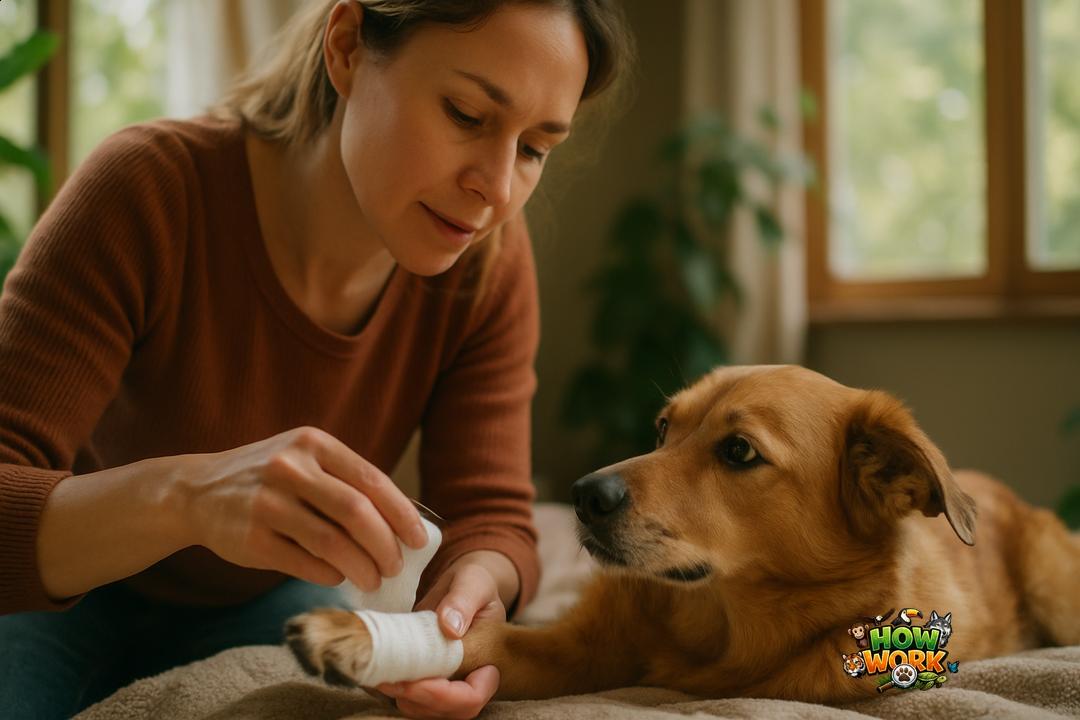
Imagine this: Your dog swallows something it shouldn’t, or your cat suddenly collapses with no warning. Panic? Most of us would. These moments strike without notice, and what you do in the first five minutes could change everything, for you and your pet.
For thousands of animal lovers every year, being ready with pet first aid is not just smart, it’s vital. Emergencies involving pets, like choking, poisoning, or heatstroke, are more common than many realize, and quick, effective action can save lives. A growing number of owners are searching for reliable, step-by-step answers to these stressful situations.
The problem? Too many articles dish out generic advice or complicated checklists. You find conflicting tips. Some guides skip the practical moves and real-world challenges owners actually face. Many never answer the crucial “what now?”
This article breaks that cycle. It gives you a thorough, no-fluff guide to pet first aid basics, packed with expert-backed steps, actionable checklists, and a fresh look at digital and offline tools. If you want to be the best advocate for your animal, you’re in the right place. Here’s your roadmap for stepping up at the moments that matter most.
Foundations of pet first aid: why every owner needs it
Pet emergencies are often silent. Your pet can go from fine to very sick in minutes. Basic first aid gives you the tools to help fast, before a vet steps in.
Even being calm and knowing what to do, like stopping bleeding or cooling a hot animal, can mean the difference between life and death. Time is critical for animals.
Common misconceptions about pet emergencies
Common myths confuse owners and delay help. Some believe pets “bounce back” or that human first aid works for them. That’s risky, an injured pet may hide pain or bite from fear.
First aid is not a cure. It’s a way to stabilize your pet on the way to real medical care. For example, a bandage can slow bleeding but won’t fix a deep cut. Pets hide pain, so spotting trouble early is key.
Actionable tip: Always have your vet’s number and an emergency clinic saved in your phone. Don’t wait to “see what happens.”
Key differences: Pet vs. human first aid
First aid for pets isn’t human first aid. Human painkillers like aspirin or ibuprofen are toxic to pets. Pets need direct pressure on wounds, not tourniquets, and handling must account for biting or scratching from fear.
Animals can’t tell you where it hurts. Signs like sudden hiding, whimpering, or limping are all clues. For CPR, pets need a different hand position and rhythm, ask your vet for a quick lesson.
Example: Chocolate is a treat for people, but it can be fatal for dogs. Always learn species-specific dangers and check with a vet before treating your pet’s symptoms.
How to safely assess and approach an injured animal
Your safety and your pet’s safety come first. Always stop, look, and listen before you approach an injured animal. Reading the scene right away helps you decide your next move.
Reading animal body language under stress
Watch for warning signs before you get close. Animals in pain or fear might stiffen up, glare, stop moving, or show tight muscles. Tail movement can fool you, just because a dog’s tail wags, it isn’t always friendly.
Remember whole-body language matters. A cat pressed low to the ground, a dog with pinned ears, or a horse tensing at your approach, all show stress. One example: an abused horse might rear at certain hats or sudden moves but calm down if you back off.
If you’re ever unsure, take a moment to watch. Shelter staff are trained to read these signals, and learning them reduces bite and scratch risks. You can watch online videos to practice at home.
Personal safety tips for handlers
Move slow, stay safe. Keep a safe distance, especially if you don’t know the animal. Quick movements or blocking the animal’s way out can make fear worse, and put you at risk.
Behavioral science shows distance protects you. On farms, most injuries come from handling cattle in tight spaces. For pets, use slow steps, block vision if needed, and always make sure you have a way out.
If the animal is truly agitated, open mouth, heavy panting, charging, or wild running, call a pro or animal control. Actionable tip: prepare a towel or light blanket to help restrain pets if they’re not aggressive, but skip this step if you sense danger. Always look out for yourself, then help the animal.
Responding to the big five: choking, bleeding, poisoning, seizures, heatstroke
Emergencies happen fast. The big five, choking, bleeding, poisoning, seizures, and heatstroke, can be life or death. You need quick action, and some dangers are not always obvious.
Step-by-step: Heimlich for pets
Call the vet fast. If your pet is choking, difficulty breathing, pawing at their mouth, blue tongue, call the vet before doing anything. Heimlich isn’t one-size-fits-all, and doing it wrong can cause harm.
Don’t blindly attempt the Heimlich. If you’re trained, be gentle and use caution. Always get help.
Dealing with severe bleeding
Apply pressure, stay safe. Use a clean cloth and press on the wound if it’s safe, never put yourself in danger. Keep pressing until you can get to a vet.
Uncontrolled bleeding leads to shock. Bite wounds and cuts are common and need immediate care. When in doubt, choose safety for you and your pet.
First steps after suspected poisoning
Never induce vomiting without vet advice. Remove your pet from the source. Do not give anything, including home remedies. Call the Pet Poison Helpline (855-764-7661) or your vet right away.
Write down what they ate, how much, and when. Fast action and accurate info can save lives.
Handling a pet seizure safely
Move hazards away. Don’t restrain your pet or put anything in their mouth. Pad the area with a blanket and keep calm.
Time the seizure (most last 2-3 minutes), then call your vet. Loss of urine or twitching is common, stay with your pet until they recover.
Quick action for overheating
Keep your pet cool, not cold. Move them to shade right away. Wet them with room temperature water, never ice; fan for gentle cooling. Stop when their temperature hits 103°F.
Early cooling can improve survival by more than half. Rush to the vet, dogs especially struggle to cool themselves. Normal temp is 101.5°F, so don’t wait if temps rise.
When and how to call the vet: what’s really urgent?
Knowing what’s urgent saves lives. Some signs mean you need a vet right now, no waiting, no guessing. Here’s how to spot those moments and prepare for help.
Deciding when emergency care is needed
Seek emergency care at once if your pet has trouble breathing, collapses, suffers heavy bleeding, or has a seizure. Don’t wait for symptoms to pass, blue or pale gums, inability to walk, or repeated vomiting/diarrhea all count as urgent too.
Even a few minutes can make a difference. As one vet says, “Breathing difficulties can become life-threatening within minutes.” When in doubt, call, the triage nurse at the hospital sorts the worst cases first.
Actionable tip: Always have your closest emergency clinic number on your fridge or saved on your phone.
Critical info to give your vet
Bring medical history and incident details. Tell the vet about all meds, past conditions, shots, and anything else important. Share what happened, what your pet ate, fell from, or any behavior changes.
Triage is faster with info. If poison is possible, write down what and how much your pet ate. Know your pet’s normal temp, heart rate, and breathing if you can, they sometimes help guide care.
Actionable tip: Keep a folder with your pet’s records ready for emergencies. It can save crucial minutes in a crisis.
Building your at-home pet first aid kit, and what to leave out
Your kit matters when every second counts. The right supplies give you a huge head start. Here’s what to pack, and what to skip.
Absolute must-haves for any kit
Core supplies save lives. Your kit needs gauze pads and rolls, self-sticking bandages, blunt scissors, tweezers, digital thermometer, sterile saline, gloves, pet-safe ointment, cold pack, and styptic powder. Don’t forget an extra leash or muzzle and a copy of vet contacts and key records.
Tailor for your pet. Cats need a carrier; active dogs may need paw balm. Check your kit every 6 months for expired or empty supplies, just like vets recommend.
Example: For a bleeding toenail, a common injury, use gauze and styptic powder right away to slow bleeding before the vet visit.
Dangerous myths: items to avoid
Human meds are toxic to cats and dogs. Never use ibuprofen, acetaminophen, or aspirin unless your vet prescribes. Human adhesive bandages (like Band-Aids) don’t work on fur and can cause pain or infection.
Avoid hydrogen peroxide or alcohol on wounds unless your vet has told you. “Some human supplies are toxic to dogs.” Even plain diphenhydramine must be double-checked for the right ingredients.
Quick tip: If you suspect poisoning, call the ASPCA Poison Hotline (888-426-4435) before trying home fixes. Safe is smart, always go pet-specific for supplies and advice.
Using digital and offline resources in an emergency
Tech and paper both save pets. Not every emergency happens at home, your plan should cover power outages, travel, and no-wifi moments.
Recommended free online tools
Free expert help is just a click away. The American Red Cross Pet First Aid app walks you through emergencies step by step, even offline. The Pet Poison Helpline website lists common toxins and has quick facts, bookmark it just in case.
Apps work offline once downloaded, so set them up before you need them. For advice on local risks, many vet clinic sites now post printable first aid checklists and maps.
Guides for handling when the internet is down
Print emergency lists and hands-on how-tos. Keep a folder with your vet’s contacts, poison helpline (ASPCA: 888-426-4435), and basic pet first aid guides on hand, in your home, car, or pet travel kit.
Tip: Write down your own pet’s info (weight, allergies, meds) and keep it updated. When seconds matter, a simple printed sheet is often fastest to reach, no wifi needed.
Taking charge before help arrives: your real impact in a pet crisis
Your actions before help arrives can make all the difference. In a pet emergency, whether it’s injury, sudden illness, or finding a lost animal, what you do right now can greatly increase survival and prevent pain.
Research shows early action maximizes survival for pets in crisis. Giving water, shelter, or safe handling until pros arrive makes a real impact. In fact, acts like providing food or contacting a rescue group double the odds of a stray getting help, according to recent studies. Even basic first aid, like stopping bleeding or staying calm, buys precious time.
Behavior matters too. Owners who address anxiety or fears during emergency handling lower the risk of pets being surrendered later. For example, early help with house soiling prevents many dogs and cats from losing their homes. As Dr. Bonnie V. Beaver says, “Prevention is the only way.” Quick comfort makes a big difference.
Act fast, but safely. Assess risks first. Shelter the pet from hazards, control bleeding or do CPR only if you’re trained, then call your vet or local rescue. Keep personal safety a priority. The bottom line: your help is crucial to its survival, be ready and step up until professionals arrive.
A basic kit should have your vet’s and emergency numbers, pet medical records, digital thermometer, muzzle, gauze rolls, nonstick bandages, blunt scissors, gloves, and tweezers. Ask your vet about pet-safe extras like styptic powder or antibiotic ointment.
Apply pressure to the wound with clean gauze until bleeding slows. Secure the area but avoid removing embedded objects. First aid is temporary—get your pet to a vet quickly.
Choking, not breathing, and heatstroke are common emergencies. For choking, remove visible objects only if safe. For breathing emergencies, use chest compressions. Cool heatstroke pets with wet towels and call your vet for guidance.
Mistakes include muzzling a vomiting pet, using hydrogen peroxide to induce vomiting without vet advice, and delaying a vet visit. First aid is not a replacement for professional care—see a vet for anything serious.
Trusted online resources include the AVMA's first aid guides and pet poison hotlines. Offline, print AVMA or American Humane checklists and consider pet first aid courses. Always keep key contacts and records accessible.