
Altruism in Nature: Why Wild Animals Sometimes Help Each Other
Animal altruism fascinates nature lovers. Discover why wild animals help others, what drives this behavior, and the latest scientific insights.
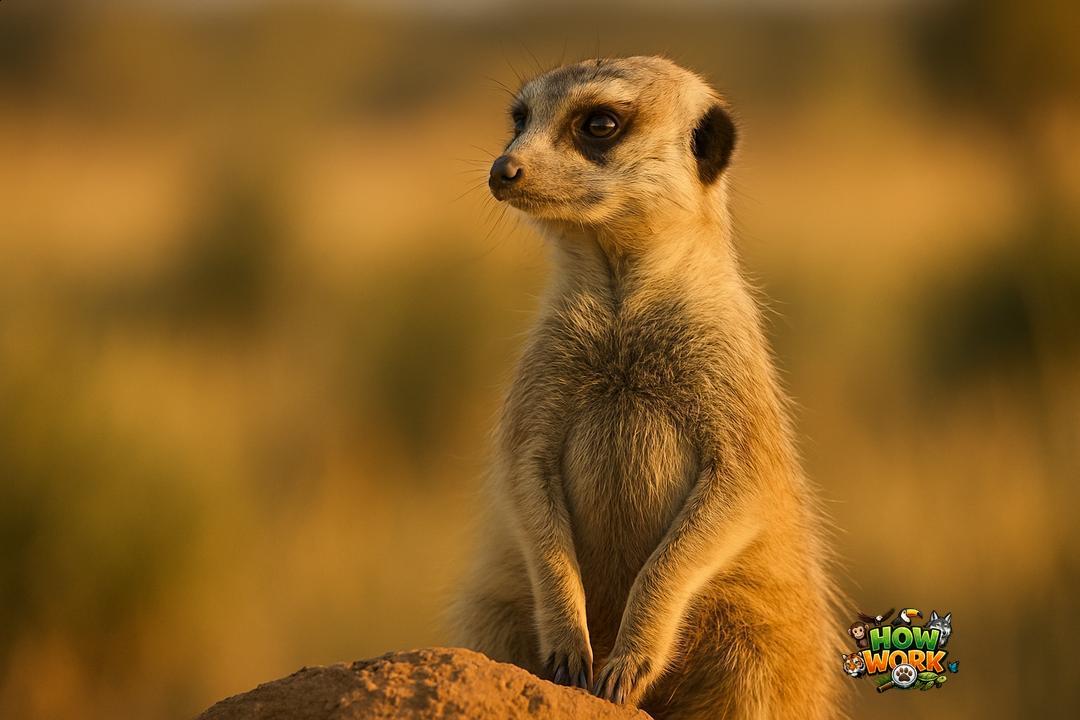
Ever watched a meerkat stand guard as its family forages for food, putting itself at risk for the group? Or seen a viral video where dolphins nudge a lost swimmer toward shore? Animal lovers everywhere can’t help but marvel: why do wild creatures sometimes help others, risking their own safety?
Scientists have puzzled over animal altruism for decades. From elephants rescuing injured herd members to vampire bats sharing meals, these acts look like genuine kindness in the animal kingdom. Yet recent research shows that what appears to be selfless may serve deeper social or evolutionary needs. Some animals recognize need in others and act accordingly, a sophisticated twist that’s captivating both researchers and nature enthusiasts alike.
But most explanations you’ll find online are frustratingly one-dimensional. They often boil down to “animals help for genetic reasons” or “it’s just instinct,” missing how complex, flexible, and surprising real animal behavior can be. These quick takes ignore recent discoveries that challenge what we thought we knew.
This article cuts through the surface. We’ll unpack why wild animals help both family and strangers, explore new science on animal empathy, and tackle the big debate: can animals be truly selfless? If you’re curious about what drives animal heroics, and what that tells us about nature, read on. You’re about to see the wild world in a new light.
What is animal altruism? Understanding the basics
When you see animals helping one another, it’s easy to wonder what’s really going on. This section explains animal altruism in simple terms and why it fascinates biologists and animal lovers alike.
Defining altruism in the animal kingdom
Animal altruism means self-sacrifice for others. One animal takes a risk or gives up time and energy to benefit another, even if it loses something itself.
In nature, a classic example is meerkats standing guard while the rest of the group feeds, risking attack to protect their family. Another is a mother bird pretending to be injured to distract predators from her chicks. These acts don’t require planning or “kindness” like humans show, but the outcome is often the same: another animal is helped.
Biologists say animal altruism is all about results, not intentions. It’s measured by how helping others affects survival, especially if those helped are related or likely to return the favor someday.
Biological versus psychological altruism
Biological altruism is about actions, not motives. If an animal’s behavior lowers its own survival but raises another’s, it’s called biological altruism. The mammal doesn’t need to understand or care about helping. For example, vampire bats will share a blood meal with a hungry bat, knowing they might get help returned later, this is called reciprocal altruism.
Psychological altruism is different. It means wanting to help for its own sake, like a person deciding to give away money or food. According to scientists, most animal actions fall under biological, not psychological, altruism. Their behaviors, like wolves caring for pups that aren’t their own, are instinctive strategies that help the whole group or close relatives.
The big takeaway: If you want to understand how and why animals help each other, focus on what their actions achieve, not what they might be thinking or feeling.
Kin selection: Why helping family can make evolutionary sense
Helping family isn’t just a human thing. In the wild, many animals are wired to help relatives because it boosts their shared survival. This is where kin selection comes in, and it shapes how animal societies work.
How genetic relatedness drives animal aid
Animals are more likely to help close relatives. That’s because helping kin spreads shared genes. This idea is described by Hamilton’s rule: if the genetic reward is bigger than the cost, the behavior sticks around.
For example, siblings share about 50% of their genes. So, when an animal helps a brother or sister, it’s also helping copies of its own DNA. Biologists call this strategy inclusive fitness, helping family helps everyone’s genes go further.
Research says, “Altruism is strongly contingent on genetic closeness.” Animals rarely risk themselves for strangers unless there’s a guaranteed benefit.
Examples: bees, elephants, and meerkats
Different species show kin selection in unique ways. In bee colonies, sterile worker bees spend their lives caring for the queen’s offspring. This boosts the chances their family’s genes will continue, even if they never reproduce themselves.
Mother elephants form close groups to protect each other’s calves. Everyone pitches in during danger, making sure related babies survive.
And when you see meerkats guard relatives, one stands watch and warns of threats. If a predator shows up, the lookout risks itself for the younger members. This kind of teamwork means more family members live to have babies of their own.
Reciprocal altruism and animal friendships
In the animal world, helping others isn’t always about family. Sometimes, it’s about building trust and swapping favors. This is where reciprocal altruism and true animal friendships step in.
What is reciprocal altruism?
Reciprocal altruism means animals help non-relatives, expecting future help in return. The idea was first explained by Robert Trivers in 1971.
It works best when animals live in stable groups and can remember who helped them before. Think of it as “I help you today, you help me tomorrow.” This kind of teamwork relies on memory and trust.
The system can fall apart if anyone cheats too much. So, animals that use reciprocal altruism must be able to recognize individuals and track favors.
Case studies: dolphins, vampire bats, primates
Many animals show reciprocal altruism in the wild. Vampire bats share food by regurgitating blood for hungry roost-mates, especially if those bats helped them in the past.
Dolphins sometimes risk safety to help friends. Scientists have seen dolphins supporting sick companions, acts not directly linked to kinship but to strong social bonds.
Among primates, research with chimpanzees and vervet monkeys shows help is more likely among close friends, not just family. One study noted blind chimpanzee Peony receiving care from unrelated group members out of “respect and love.” Lori Marino, a neuroscientist, calls this “empathy-based altruism.”
Altruism beyond kin: Interspecies help and rare behaviors
Most animal helping happens within families or groups. But sometimes, nature throws us a curveball, animals helping strangers or even members of other species.
Famous examples of interspecies altruism
Interspecies altruism does happen, though it’s rare. In 2008, a bottlenose dolphin rescued two stranded pygmy whales in New Zealand. The dolphin guided them to open sea, doing in minutes what humans couldn’t manage after hours of trying.
In 2013, another dolphin with a curved spine was “adopted” by a group of sperm whales, forming a real cross-species bond. Experts are still puzzled, with one conservation officer saying, “The dolphin managed in a couple of minutes what we had failed to do in an hour and a half.”
These stories prove that animal generosity can leap boundaries, even when there’s no genetic reward.
Recent discoveries: parrots and cognitive empathy
African grey parrots are changing the way we see empathy in animals. In a recent study, these parrots handed over exchange tokens to their peers who had none, but only when the other bird needed it. They rarely gave the token if the food window was closed, showing an awareness of timing and need.
This kind of cognitive empathy used to be credited only to mammals like humans and primates. Researchers now think parrot intelligence is much deeper than assumed. Takeaway: When you look at your pets or wildlife, remember, they might just notice and care when others need a helping hand.
The science behind the acts: Are animals truly selfless?
When we watch animals help each other, we might imagine they’re acting out of pure kindness. But science suggests their motives may be more complex. This section breaks down whether animal “help” is truly selfless, or something else.
Debate: selfless or strategic helping?
Most experts believe animal altruism is strategic, not truly selfless. Animals gain in ways that help their genes, boost their status, or give them allies.
For example, bonobos sometimes adopt foreign orphans. Researchers say this may help them gain future political support inside their group. Dolphins that rescue beached whales may also be boosting their survival odds or building reputation. As science writer Eric Strong puts it, experts have debated animal altruism for over 100 years, and true selflessness remains rare in nature.
Biological market theory and evolutionary payoff
Biological Market Theory says animals trade favors for future benefits. This means every favor, giving food, sounding an alarm, is a transaction. Vervet monkeys risk themselves with alarm calls because they expect help in return if danger comes.
Even non-family animals exchange services, but only if the benefit outweighs the cost. Researchers found that oxytocin and certain genes affect how empathic animals are. So far, the evidence says animal help pays off in the long run, even if it looks like pure generosity on the outside.
What animal altruism teaches us about nature and ourselves
Animal altruism teaches us that nature is built on cooperation and emotional connections. It’s not just about survival of the fittest, but about shared benefit and helping behavior, sometimes across species.
Look at collective survival: when vampire bats share blood with hungry colony-mates, or when meerkats stand guard to warn others of danger. These sacrifices lower the individual’s own chance to reproduce, but boost the group’s overall fitness. It shows us that kin selection and reciprocal altruism are built into evolution and social living, not only for animals, but for us too.
Emotional processes, like empathy, are behind many of these acts. African grey parrots have been seen giving food tokens to partners in need, even when there’s no personal gain. When a dolphin led two stranded pygmy whales back to deep water, researchers saw a form of cross-species aid that surprised everyone.
Specialists now think animals help because of feelings we humans share, caring, empathy, and the drive to connect. If you notice cooperation in pets or wildlife, nurture it. These shared instincts remind us that supporting others isn’t only smart, it’s one of nature’s oldest lessons.