
Nature’s Architects: Incredible Animal Nest Builders and Engineers
Animal architecture shows nature’s brilliance. Dive into clever nest builders, wild engineers, and secrets behind iconic animal structures.
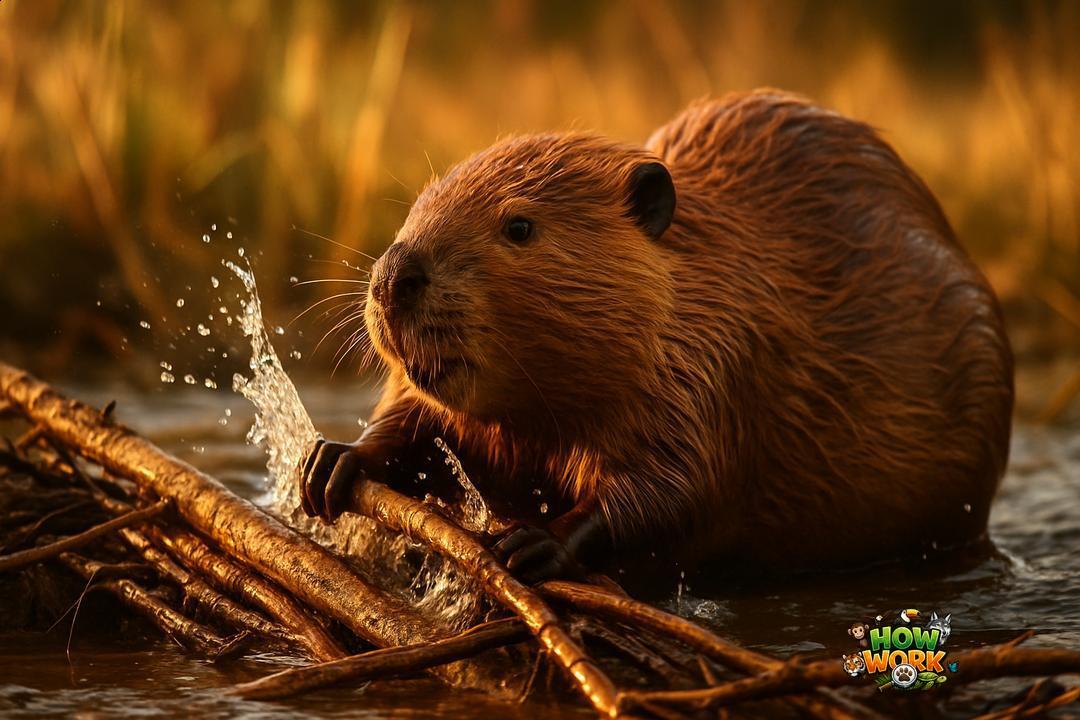
Ever looked at a bird’s nest and thought, “Could I build that from scratch with my bare hands?” Imagine weaving twigs into a rainproof basket or stacking mud bricks to control indoor climate, no blueprints needed. Welcome to the astonishing world of animal architects, where the raw creativity and skill of creatures big and small put the most famous human engineers to the test.
From labyrinthine termite towers with built-in air conditioning to beaver dams visible from space, wild construction is everywhere. Experts in animal architecture have discovered that animal-made structures often exceed our own in proportion, sustainability, and even ingenuity. A spider’s silk is tougher than steel by weight; a single weaverbird can tie hundreds of knots without ever taking a class. It’s not just trivia, it’s a lesson in evolution, resourcefulness, and even inspiration for human design.
Yet, most coverage only scratches the surface, listing “top 10 nests” or highlighting fun facts without explaining the why and how. That leaves animal lovers, builders, and curious minds wanting real answers. What drives a bird to choose a specific twig or a termite to build a climate system rivaling modern tech?
This article does more than string together amazing facts. Here, you’ll uncover the purpose behind wild structures, learn how animals pick their materials and adapt to crazy challenges, and find real-world lessons in creativity. If you want a thorough, evidence-based, and supremely practical look at nature’s leading engineers, you’re in the right place.
Why animals build: Purpose and evolution behind wild structures
Animal architecture begins with a simple goal: survival. But the ways animals put this into action are anything but simple. From hidden nests to buzzing cities underground, the reasons stretch beyond just having a place to sleep.
Shelter, safety, and climate control
Animals build shelters to stay safe from predators and the weather.
Tree nests reduce risk of attack by up to 50% compared to ground nests. Beavers build lodges with underwater entrances, letting them hide and access food safely. Termite mounds act like natural air conditioners, some keep steady temperatures even as the sun bakes outside. Think of animal homes as nature’s inventions for climate control and comfort.
Practical tip: If you have a backyard, notice which birds build where. High places mean more safety. What would you change if you were picking a spot for a nest?
Courtship and raising young
Nests and structures help protect vulnerable young and attract mates.
Many birds, like the satin bowerbird, craft elaborate structures decorated with colorful objects to impress potential partners. The quality of the nest or bower can mean the difference between finding a mate or not. Once eggs are laid, well-built nests keep chicks warm and hidden from danger. This is the animal world’s version of “setting up a nursery”, all built by instinct and sometimes learned skills.
Try this: Next time you see a nest, look for its materials. Does it blend in or stand out? Camouflage often helps keep babies safer.
Resource gathering through construction
Some animals build to gather, store, or trap food.
Beavers create ponds that offer shelter and make food like water lilies easier to reach. Spiders spin webs not just as homes, but as traps. Ants and termites construct complex tunnels for farming fungus or storing seeds. These are practical solutions, turning hard work now into stored meals for tougher times later.
Key idea: Watch for patterns in building near water or food sources. Animals know the easiest way to keep snacks close is by clever construction.
Master builders: Birds, beavers, and insects redefining construction
When it comes to building, some animals set a new standard for engineering. Nature’s most creative architects show just how much can be accomplished using found materials and pure instinct.
Swallows’ mud homes versus weaverbird nests
Swallows and weaverbirds use totally different techniques to create safe, comfortable nests.
Weaverbirds in southern Africa weave woven apartment nests from grass and palm, sometimes spanning several feet and holding colonies. In contrast, swallows and mud daubers make sturdy mud bowl homes high in trees, each shaped like a tiny, sun-baked pot. Both offer climate control and protection from predators, but one houses just a family and the other, a crowd.
If you spot a nest, notice its style, woven or mud-walled? Household size and resources drive the design.
Beavers’ dams and their ecosystem impact
Beavers build huge dams that turn streams into beaver-engineered wetlands.
Some dams stretch hundreds of feet and use branches, mud, and rocks. These structures protect beavers, store food, and control water levels. Beaver dams create ponds that filter pollution, trap sediment, and support frogs, fish, otters, even herons and turtles.
Where you find a beaver dam, watch for extra wildlife visiting the new wetland. It’s a whole ecosystem, not just a home.
Insect construction: Termites, ants, wasps
Termite mounds, ant nests, and wasp homes are insect architecture masterpieces.
Some termite mounds in Africa rise 30 feet, complete with air tunnels and fungus gardens. Tree ants stitch leaves into multi-room nests using silk-producing larvae. Mud dauber wasps build mud fortresses for their young. All these structures regulate temperature and keep the colony safe from predators.
Look around logs and trees for insect engineers. Their tiny cities may be hiding in plain sight.
Miraculous materials: How animals select and use resources
Every animal home starts with one goal, choose the right material for the job. Nature’s architects don’t have hardware stores. They rely on their own local resources and smart choices.
Spiders’ silk and structural genius
Spider silk is one of nature’s strongest materials and a top pick for animal engineers.
Many orb weaver spiders spin silk that’s stronger than steel by weight. Their webs can stretch and flex, making them perfect for catching prey and surviving wind and rain. Some spiders even make nursery webs to protect their eggs, tiny hammocks built for safety.
Next time you see a web, look closely. Imagine building something that tough using only what’s inside you!
Mud, leaves, saliva: nature’s toolkit
Birds, insects, and even mammals use mud, leaves, and saliva to craft sturdy, weatherproof homes.
Swallows sculpt mud nests that cling to cliffs and bridges. Termites mix mud and spit to build tall, cool towers. Some mammals use chewed leaves to seal their dens. This mix of ingredients acts as nature’s building glue.
Want to spot animal handiwork? Search for nests in muddy spots after rain. You might find a swallow family or busy termites at work.
Reusing and recycling in the animal world
Many animals save energy by reusing old nests or borrowing from others.
Some birds, like house sparrows, welcome new eggs into old nests from previous seasons. Squirrels may take over empty bird homes. Even insects like wasps can rebuild or patch last year’s mud shelters instead of starting over. This is true creative reuse.
Try this: Keep an eye out for nests that look patched or extra large. That’s classic animal recycling, proving waste is just a chance for a new start.
Super-structures: Animal feats that rival human engineering
Animal engineers don’t just build homes. Some create structures so big and clever, they influence how humans design our own buildings and tunnels.
Termite skyscrapers and climate control
Termite mounds are giant, climate-controlled mounds made with mud and chewed wood.
Some termite towers stand 10–16 feet tall, taller than many people! Inside, the insects build air tunnels and fungus gardens, keeping a steady temperature no matter the heat outside. Their advanced ventilation has inspired real-life tunnel designs for humans.
Next time you see a photo of a termite mound, think “natural air-conditioning.”
Beaver dams visible from space
Beaver families fell trees and create massive beaver dams to change rivers and landscapes.
Their dams aren’t actually visible from space, but they can stretch incredibly wide and reroute water for entire habitats. It takes a whole family and serious teamwork to pull this off. These projects rival anything we do with heavy machinery!
Find a beaver dam on a stream and watch the new wetlands and wildlife it supports, that’s an animal-made world.
Ant colonies: Underground cities
Ants design underground ant cities with complex tunnel networks and chambers for every job.
Some colonies sprawl for yards, rivaling subway maps in complexity. Each section has a role: nurseries, food storage, and leader chambers. Scientists once poured cement into an abandoned nest and uncovered miles of twisting tunnels!
Look for a busy anthill and imagine what’s happening far below your feet. There’s a whole city under there, hidden from the world.
Instinct versus intelligence: How animals plan and learn to build
Animal architects use more than just instinct, their brains help them adapt, learn, and even invent new tricks for the perfect home. Every build is a mix of what’s in their genes and what’s learned along the way.
Instinctive blueprints vs. learned behaviors
Animals often follow instinctive blueprints but also pick up learned behaviors by watching or practicing.
For example, most songbirds build their first nests with no lessons from parents, nest-building comes naturally. But many species also pick up better ways to build by copying more experienced birds or experimenting with materials in their environment.
If you watch sparrows or robins, notice younger ones may fumble at first, then get neater with practice.
Trial, error, and adaptation in the wild
Trial and error lets animals adapt when things don’t go as planned.
In the wild, mistakes are common. A young beaver’s dam may fall apart the first time, but with each failure, they try new tricks. Crows learn the best angles to drop nuts on hard roads to crack them open.
Want to see animal learning in action? Watch how birds change tactics if their first nest site is blown away or food is hard to reach.
Stories: Crows and problem-solving
Crows are famous for tool-using intelligence and animal problem-solving.
Some crows have been seen bending wires into hooks to grab treats, a skill even some young children find tough! Their smarts prove animals don’t just copy, they can invent and plan new ways to solve problems.
If you spot crows in your area, look for creative problem solving. Try leaving a puzzle feeder and see what tricks they invent.
Lessons for humans: Nature-inspired innovations in architecture
Humans aren’t the only architects, but we’re finally learning from the world’s best, animals. Designers and engineers now use nature’s strategies to make smarter, greener buildings that last.
Biomimicry in today’s green buildings
Biomimicry in construction means copying nature’s solutions for better efficiency and sustainability.
The Eastgate Centre in Zimbabwe uses passive cooling based on termite mounds and has cut energy costs by 90%. Green buildings around the world now use shapes and systems found in plants and animal homes to save power and adapt to climate. As Janine Benyus puts it, watching nature hones our senses for “beauty and good design.”
When you walk by an eco-friendly building, look for natural touches, shapes, airflow, or even garden-covered roofs inspired by wildlife.
Animal architecture’s influence on design
Animal-built structures inspire everything from aerodynamic shapes to smarter materials and surfaces.
The Japanese bullet train was redesigned after the kingfisher’s beak, reducing noise and boosting speed. Hospitals now use wall coatings inspired by shark skin to keep bacteria away. These examples show how nature’s efficient blueprints help humans solve tough problems.
Take a closer look at clever inventions, can you spot any that got their start in the animal kingdom?
How studying animals changes construction thinking
Learning from animals pushes construction to heal the planet, not just use it.
Modern architects now ask: “What problem has nature already solved?” This leads to designs that run on sunlight, recycle energy, and work with Earth’s rhythms. Benyus says our future depends on copying nature’s genius solutions and embracing “co-evolutionary design.”
Next time you hear about a new building or green space, ask how it partners with nature, not just how it stands out.
What animal engineers can teach us about creativity and resourcefulness
Animal engineers can teach us a lot about creativity and resourcefulness in the real world.
Beavers reshape entire landscapes using sticks, mud, and stones found right around them. Weaverbirds invent hundreds of knot types using only their beaks. Crows shape twigs into hooks and problem-solve for food, showing tool use once thought unique to humans.
These creative animal solutions work because animals make do with what’s at hand, improvise under pressure, and adapt quickly to challenges. Studies of New Caledonian crows reveal not just tool use, but invention, they craft new tools for new problems, an unexpected sign of advanced intelligence.
The lesson? Nature rewards resourceful reuse and quick thinking. Building, solving, and adapting are part of surviving. For us, that could mean fixing something with what’s nearby or finding new uses for old materials instead of giving up or buying new. Next time you face a tough problem, ask yourself: what would an animal engineer do?