
Animal Courtship: Mating Rituals in the Wild
Animal courtship is full of surprises. Discover stunning displays, odd rituals, and the science behind wild mating behaviors in this fascinating guide.
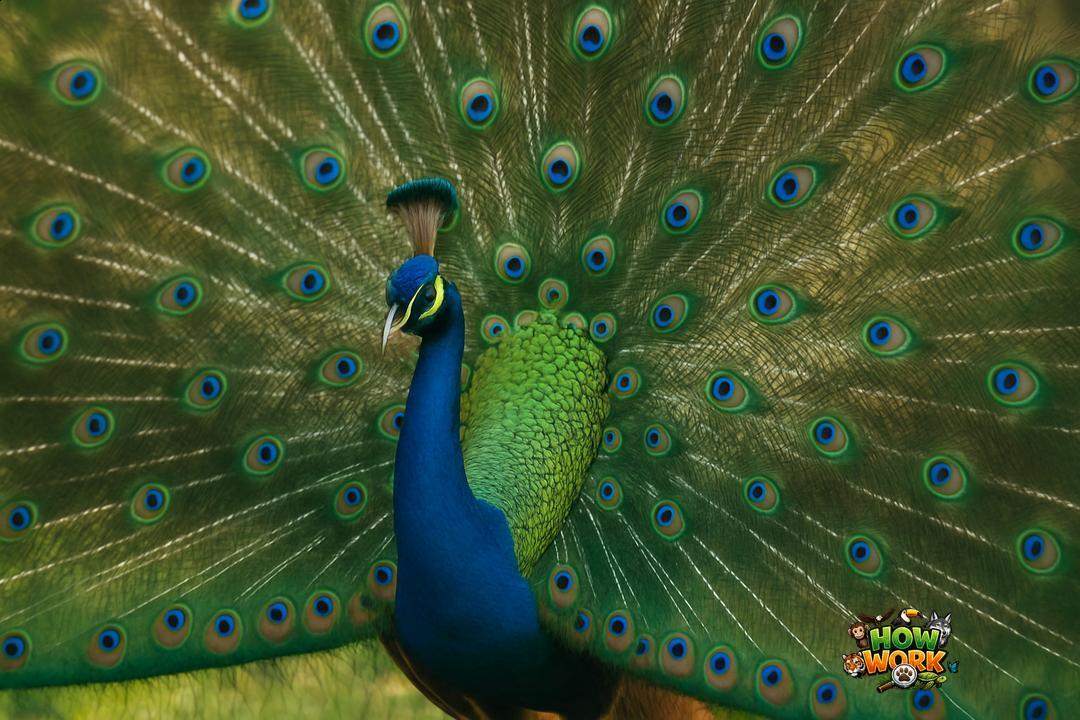
Ever felt awkward on a first date or wondered why some folks go to outlandish lengths to impress a crush? Turns out, humans aren’t alone, nature is full of wild romance. From peacocks flaunting brilliant feathers to penguins offering pebbles, animal courtship is a spectacle of creativity and strategy.
If you’ve ever marveled at a bird’s dance or pondered why some species risk it all for love, you’re not alone. Scientists and animal lovers are fascinated by how animals display affection and compete for mates. Animal courtship is not just about getting noticed, it’s about survival, evolution, and sometimes, pure drama.
Most online guides stick to basics or recycle myths about “love” in the wild. But the truth is, animal mating rituals are more diverse and surprising than any rom-com plot. Common content often misses the truly weird, risky, and ingenious courtship moves happening out there.
This article takes you beyond the usual stories. We’ll unpack dazzling displays, jaw-dropping rituals, and the science behind each strange behavior. Get ready to see romance in nature through fresh eyes, and maybe find inspiration for your own courtship style, too.
What is animal courtship? The basics of love in nature
Animal courtship behaviors are rituals and actions animals use to attract a mate and increase the chance of starting a family.
These routines are much more than random acts. They help animals find the right partner and avoid mistakes.
Types of courtship behaviors
Animals use many ways to attract a mate. Some show dazzling displays or dances, like peacocks fanning their tails or Sandhill Cranes leaping and tossing sticks together.
Birds might sing duets, such as Great Horned Owls calling to each other during winter. Others rely on touch, wolves nuzzle, prairie dogs “kiss” noses, or snakes twine around one another.
Some build or give gifts. Bowerbirds spend days making colorful nests to appeal to females. Penguins hunt for smooth pebbles to give their chosen mate. These behaviors can last from just a few minutes to even months depending on the species.
Want to observe courtship at home? Watch local birds in spring for unique dances or song battles.
Purpose and evolution of courtship
The main purpose of courtship is reproductive success. These rituals help animals pick healthy, strong partners and pass on the best genes to their young.
Courtship evolved for survival. The more impressive the show, the more likely an animal is to be chosen by a mate. Prairie voles, for example, use courtship to form lifelong pairs and take better care of their babies.
Healthy courtship behaviors also signal that an animal’s environment is thriving. When you see elaborate displays, it’s a sign the wild world is doing well.
Spectacle in feathers: Visual displays and dances
Some animals turn romance into high drama, putting on bright, bold shows just to win a mate. Birds are famous for these acts, feathers, color, and rhythm come together in wild performances that signal strength and beauty.
Peacocks and bowerbirds
In a visual display and courtship dance, peacocks fan out tails with over 200 eyespots, shaking them to create a rustling sound and a shimmering 360° view.
Females choose partners based on the number and symmetry of those eyespots. Bowerbirds don’t show off their feathers, they build! Males collect and arrange 1,000+ colorful objects (from berries to bottle caps) to decorate their bowers, then dance inside to impress picky females.
If you want to see these shows up close, many documentaries capture peacock or bowerbird rituals in detail, perfect for animal lovers of any age.
Ostrich and bird-of-paradise dances
Ostrich group displays and bird-of-paradise mesmerizing dances are other astonishing sights. Male ostriches gather in groups (called leks) and boom, flap their wings, and strut for attention.
Birds-of-paradise, like the magnificent riflebird, do fast footwork and whip their heads while showing off dazzling feathers, many absorbing nearly all the light. Audubon calls watching these dances “a transcendent spectacle.” For nature fans, springtime zoo visits or online bird cams are a prime way to enjoy these jaw-dropping rituals from anywhere.
The soundtrack of romance: Animal vocalizations and calls
Romance in the wild has a soundtrack. Animal calls and songs carry powerful messages, you just have to listen for the music in nature’s courtship drama.
Unique calls in birds and mammals
Unique animal love songs play a big part in drawing mates. Brazilian free-tailed bats sing complex tunes, mixing chirps and trills to attract females and warn off rivals.
Zebra finches tweak their song’s pitch and rhythm, and females notice even tiny changes. Fruit flies serenade their partners for up to 20 minutes, shifting between different song types.
Fiddler crabs drum their huge claws on the sand, creating a four-step “song” that gets louder if their claw is big. Even if you don’t catch a bat or crab, you’ll hear wild serenades if you tune in to singing birds at dawn or dusk.
Why animals sing or call during courtship
Songs signal fitness in the animal world. A healthy tune or loud call says, “I’m strong and ready to mate.”
This honesty helps animals find genuinely fit partners, females use sound clues to judge strength, health, and even territory. Princeton’s Mala Murthy sums it up for flies: “He chases her and sings to her, and she chooses.” Next time you’re outside, try recording bird calls or searching online for animal love songs. You might hear a wild romance of your own.
Tactile courtship: Touch, nuzzling, and more unusual gestures
Tactile courtship is love you can feel. In many animal species, touch is a powerful way to strengthen bonds and send a clear romantic message.
Nuzzling in mammals
Nuzzling in mammals helps build trust and comfort before mating. Wolves gently nuzzle and lick their partners, sometimes following up with playful gestures.
Primates, like monkeys and apes, spend lots of time grooming each other. Elephants use their trunks for soft, caring touches that show affection. Sheep, pigs, and cattle also use nudging and rubbing to signal readiness or interest. If you have pets, see how a gentle head bump or nudge can be their way of bonding with you.
Kissing, tail-holding, and tactile displays
Greeting kissing in prairie dogs is more than cute, it’s a bonding gesture unique to their colonies. Two prairie dogs will touch noses and teeth as a hello or courtship sign.
Some animals wrap tails or dance together for hours, building trust and connection. Horses use raised tails to show excitement or interest. In your own home, look for “grooming bonds”, like cats licking each other or dogs nuzzling, to spot tactile friendship in action.
Strange and risky rituals: Extreme courtship in the wild
Extreme courtship in nature isn’t just dramatic, it can border on the dangerous or truly bizarre. For some animals, winning a mate means risking life, limb, or dignity.
Cannibalism and danger
Cannibalism in spiders is one of the wildest dating risks. Male black widows “twerk” to avoid being eaten by their date.
Giant pandas spend weeks in tense standoffs, while black rhinos headbutt in violent bluffing matches. Some animals, like pandas, need rival fights just to trigger ovulation.
Watching spider or rhino courtship in documentaries can show just how high the stakes get in the animal kingdom.
Weird courtship, from love darts to rival fights
Love darts and wild stunts aren’t rare. Porcupines spray urine for 8 hours in November to impress females. Snails shoot calcium darts to “communicate” during mating.
Flatworms fence with stylets to decide who gets to be the dad. White bellbirds have the loudest call, 125 decibels, louder than a rock concert, and can be heard from a mile away. Sage grouse compete with dozens or hundreds of pumping chests, kori bustards inflate necks 4 times their normal size to show off on a lek, and pufferfish make mystery circles in the sand. Even octopuses sometimes give up an arm in the name of love.
Next time you’re online, look up animal “lek” battles or pufferfish art, these rituals are nature’s next-level reality TV.
Gifts of love: Tokens and offerings in animal mating
For some animals, courtship means more than dances or song, it’s about what you bring to the table. Gift-giving in the wild can win over even the pickiest partners.
Penguins, spiders, and gift traditions
Gifts in animal courtship come in many forms. Gentoo penguins search for perfect pebbles to present to their mate. Those chosen stones are used to build or upgrade nests, and penguins can reuse prized pebbles season after season.
Spiders, like the nursery web spider, wrap up insects as “nuptial gifts” for females. Sometimes, though, a male might offer an empty silk package as a trick! Katydids and scorpionflies both use food gifts as their courtship offering. If you have pet birds, you might notice gift behaviors, like a parakeet sharing food as a sign of trust.
Do gifts improve mating success?
Success in mating often goes to the best gift-givers. Research suggests females may mate longer, and more successfully, with males who offer top-notch presents.
Bigger or tastier treats mean more time together, and more offspring. In some species, females judge both the value of the gift and the effort it took to get it. Next time you see animals sharing, it might just be a clever strategy to win love.
Monogamy, pair bonds, and loyalty: Myths and facts
Lifelong bonds and romance aren’t just in fairy tales, but animal loyalty is more complex than you might think. From swans to prairie voles, the truth is sometimes sweeter, sometimes surprising.
Species that form lifelong bonds
Some animals do form lifelong bonds. Prairie voles are famous for monogamy, they cuddle, share parenting, and support each other.
Swans, wolves, and beavers are all known for strong pair partnerships. Even the wandering albatross, flying thousands of miles a year, will reunite with its mate season after season. But true monogamy is rare; research suggests fewer than 10% of all mammal species actually stick with one partner for life.
If you watch bird couples in your yard all spring, you may see signs of tight teamwork, but don’t assume they’re monogamous forever.
Misconceptions about animal loyalty
Animal loyalty has its myths. Most “monogamous” bird species are actually “socially monogamous”, they raise young together but often mate with others on the side.
DNA tests in songbirds show over 30% of chicks have a different father than usual! Famous pairs like swans may “divorce” and switch partners if things go wrong.
Loyalty in nature often means cooperative parenting, not endless romance. Try reading animal DNA studies or watching nature documentaries to learn just how creative nature gets with love and family ties.
What animal courtship reveals about the wild side of love
Animal courtship shows us that the wild side of love is about survival, not just romance. These rituals, dances, gifts, calls, or acrobatics, evolved to help animals attract partners, prove their fitness, and choose the best teammate for raising young.
Red-tailed hawks perform breathtaking aerial stunts, sometimes locking talons in midair before pairing for life. Blue-footed boobies show off their brightly colored feet in high-step dances; the bluer and brighter the feet, the healthier the bird. Prairie dogs do greeting kisses to build bonds, while Adelie penguins hunt for the perfect rock to offer a mate.
These rituals get most dramatic in animals that raise young for a long time. Laysan albatrosses dance with the same partner for decades, one even paired up for over 50 years! Hawks, swans, and wolves all put on big displays if raising a family will take a team effort.
Animal courtship teaches us that real “love” in nature is about partner choice, teamwork, and building a future. Next time you watch birds or animals interact, look for these wild courtship clues, there’s more going on than meets the eye.