Animal Intelligence: Surprising Cognitive Abilities
Animal intelligence: Explore remarkable animal minds, real-life problem solving, and the latest discoveries. See intelligence in birds, mammals, and beyond.
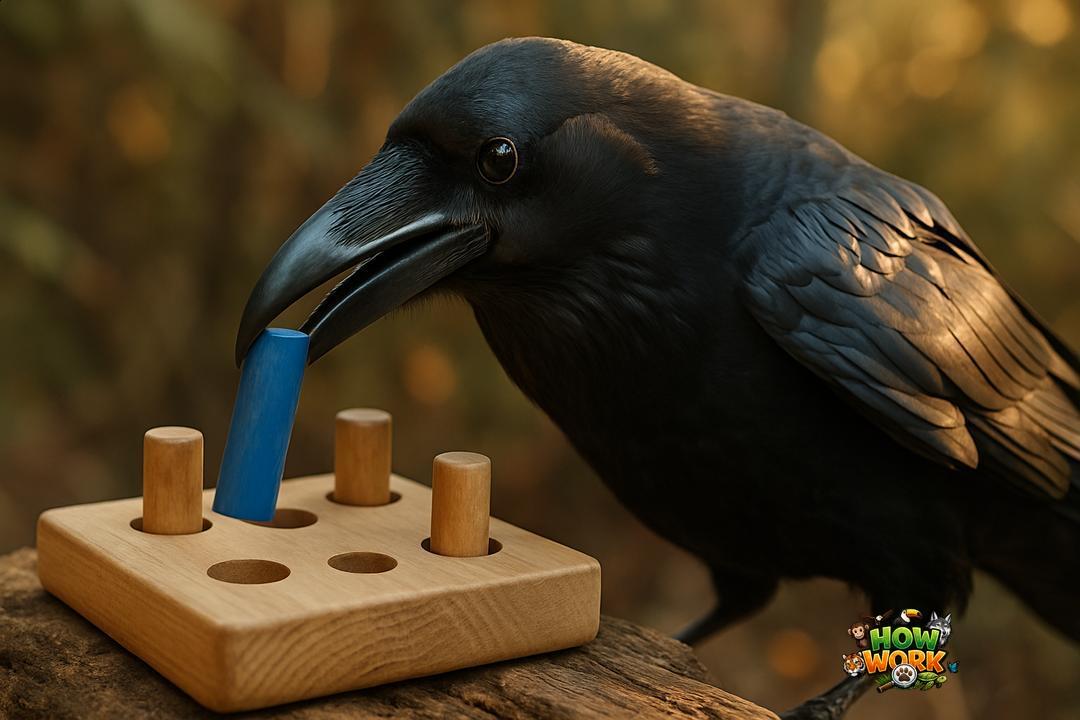
Have you ever looked into a pet’s eyes and wondered what’s going on in their mind? Or been amazed to see a crow craft tools or an octopus unlock a jar? When it comes to animal intelligence, the natural world is full of surprises that challenge everything we thought we knew about the minds around us.
New research has flipped the script on animal intelligence. It’s not just about one species being “smarter” than another. Studies show that factors like neuron count, social relationships, and even an animal’s environment shape how they solve problems, use tools, and communicate. This matters because it changes how we treat, train, and even protect animals in the wild and at home.
The trouble is, most guides gloss over the subtleties, or fall back on tired lists of “top 10 smartest animals.” They miss the stunning, sometimes quirky ways different species push the boundaries of memory, learning, and cooperation.
This article is your hands-on guide to what science really knows about animal smarts. We’ll unpack why parrots beat logic tests, how tortoises outsmart dogs in research, and why there’s no single “IQ” for animals. If you want surprising stories, proven insights, and tips on appreciating your own pet’s mind, you’re in the right place.
What is animal intelligence?
When people talk about animal intelligence, they usually think of pets doing tricks or apes solving puzzles. But the truth is much bigger. Animal intelligence covers a wide set of abilities, shaped by each species’ needs and surroundings. It’s not about ranking animals by a single IQ score.
How scientists define and measure intelligence
Scientists say animal intelligence means the ability to solve problems and learn, in ways that fit each species. There’s no universal test. For example, researchers use behavioral tests like giving elephants mirrors to see if they recognize themselves, or seeing if parrots can solve logic puzzles. Chimpanzees, dolphins, and even some birds have passed these challenging tests.
One simple rule? Intelligence is “an agent’s ability to achieve goals in a wide range of environments.” That comes from Legg and Hutter, 2007. Since the 1950s, scientists are learning more by watching real animal behaviors, not just looking at brain size. African grey parrots have passed logic tests meant for young kids. Elephants showed signs of empathy and social smarts in a big 2014 study. Try setting up simple puzzles for your own pet, you might be surprised by their clever solutions.
Anthropomorphism: separating fact from myth
It’s easy to mix up animal behavior with human thinking, but that’s a common mistake called anthropomorphism. Animals’ minds are shaped by evolution and their unique survival pressures. For example, octopuses have amazing camouflage skills, and bees can navigate huge areas using memory, but this isn’t the same as reasoning like a human does.
Frans de Waal, a well-known primatologist, reminds us: “Intelligence is shaped by evolution, environment, and unique survival pressures.” Dogs may not solve logic puzzles like parrots, but they excel in reading human emotions. When you watch animals, look for what they’re built to do best, not just what looks smart to you. That’s the real measure of their genius.
Brains, neurons, and evolution: Why intelligence varies
Some animals seem smarter than others, and it all starts with the brain. But there’s more to intelligence than just brain size. Let’s see how evolution and brain wiring really shape animal smarts.
Evolutionary leaps in animal cognition
The biggest jumps in animal intelligence came from evolutionary leaps in brain wiring, not just growth in size. Over the last two million years, the human brain tripled in volume. Our cortex now has about 16 billion neurons. That gave us complex language, planning, and empathy.
Small-brained animals can be brainy, too. Parrots and crows pack hundreds of millions of neurons into tiny spaces, helping them rival primates in problem-solving. “The best fit…is reached by a combination of cortical neurons and packing density,” says neuroscientist Suzana Herculano-Houzel. If you ever watch a crow use tools or a parrot solve a puzzle, size isn’t the secret.
Does brain size or neuron count matter?
Neuron count and density matter more than brain size for real intelligence. Brain size does predict some differences between distant species, but it’s a weak guide within a group, like comparing two dogs. More important are features like neuron packing and connection speed. That’s why humans and apes score high, even though elephants and dolphins have bigger brains, but thinner, less dense cortex.
Practical tip: Pay attention to how birds, even with tiny brains, can solve tricks or memorize patterns. The power is in the wiring, not the weight.
Problem solving and tool use
Some animals use tools so cleverly, it makes you rethink what they know. From birds to primates, problem solving isn’t a human-only skill. Even simple actions can lead to complex results.
Tool use in birds and primates
Birds and primates are leaders in creative tool use and problem solving. New Caledonian crows have stunned scientists, one named Sam inspected a tricky puzzle for 110 seconds and then completed the steps in the right order, all without training. Crows make twig tools to get food and predict outcomes before acting.
Primates excel too. Chimpanzees “fish” for termites using sticks and have been seen stacking boxes or using linked sticks to reach hidden food (an idea first reported by Wolfgang Köhler in the early 1900s). Capuchin monkeys pick rocks based on weight and durability to crack open nuts, showing they can plan and adapt. Want to see creative intelligence? Try offering your parrot or even your dog a new type of puzzle, watch how they troubleshoot.
Fish and invertebrates defying expectations
Fish and invertebrates rarely use tools in the wild, but the story keeps evolving. Specific examples are rare, but scientists point out that simple mechanisms can sometimes look like higher reasoning. Dolphins (not fish, but still aquatic animals) use sponges as tools, passing this trick from mother to calf. While tool use seems linked to bigger forebrains, not every tool user is “smarter” than others.
Sometimes, surprising behaviors pop up in unexpected groups. Next time you watch animals, at the aquarium or in your yard, look for new ways they play or adapt. Even the simplest creature can give us a new perspective.
Communication, memory, and learning
Animals don’t just act on instinct, they learn, talk, and remember in impressive ways. Some even share specific messages, recognize friends years later, or recall places over huge distances. Let’s look at their surprising social skills and memory.
Complex communication: elephants, dolphins, parrots
Some animals use complex communication, much like a conversation. Elephants can identify the unique call of a herd member even after years apart. Dolphins are famous for using signature whistles as names, they recognize these whistles for at least 20 years. Parrots go further, mimicking human speech or inventing sounds to ask for food or attention. These learned signals aren’t just noise; they’re real exchanges of information.
If you live with a talkative pet, try repeating new words or phrases. You might be amazed at what they can pick up over time.
Impressive memory feats: from bees to tortoises
Remarkable memory is another animal superpower. Bees remember flower locations across kilometers and adjust routes using the sun. A study found tortoises could learn and recall maze routes for up to a year, way longer than anyone expected from a reptile. Memory helps with everything: finding food, recognizing friends, and adapting to changes in the wild.
Practical tip: Hide treats in new places for your pet, and watch how they remember, and improve, their search. You’re building their brain, just like nature does.
Social smarts: How animals cooperate and deceive
Some animals are team players, while others know how to trick or outsmart those around them. These social smarts help them survive and sometimes thrive in tough situations. Let’s see how animals use cooperation, and the occasional sneaky move.
Cooperative hunting and alliances
Animals like wolves, orcas, and chimpanzees use cooperative hunting and form alliances for more success. Wolves hunt in packs, each member playing a role and using positions or signals to bring down prey. Orcas even create waves to knock seals off ice flows, a feat that needs planning and tight teamwork.
Chimpanzees take it further. They build alliances to gain power within their groups or to outnumber rivals for food. Next time you watch a group of pets, notice if they work together for treats or defend each other from strangers, even simple pets can show these social instincts.
Examples of deception and tactical behavior
Many animals use tactical deception to steal food, distract rivals, or protect their own resources. Crows are classic tricksters: they pretend to hide food when rivals watch, but then move it later out of sight. Some fish, like the cleaner wrasse, “cheat” by biting instead of cleaning, but only when no bigger fish are watching.
These behaviors show real thought about others, not just reacting automatically. Try watching your pets: do they ever hide toys from each other, or work as a tag team to get your attention? That’s animal social intelligence in action.
Unique findings and ongoing debates
Every year, scientists discover animal abilities that rewrite the rules. Some of the biggest debates now focus on animals we once saw as simple. Let’s see where the real surprises are, and why one score can’t cover it all.
Reptiles and fish challenging our ideas
Reptiles and fish have surprised researchers with smart and flexible behavior. Red-footed tortoises learned maze routes and remembered them for up to 18 months, a big deal for an animal many thought acted only by instinct. A 2016 study in PLOS ONE found cleaner fish could pick out human faces in photos, showing memory in fish rivals some birds and mammals.
These examples challenge the idea that only mammals and birds have real intelligence. Try offering a puzzle or new toy to your reptile or fish at home, you may spot learning that challenges what you expect from “cold-blooded” animals.
Why no single measure of animal intelligence works
There is no universal test for animal intelligence, context matters most. What makes a parrot smart isn’t the same as what helps a rat or octopus thrive. “Intelligence is what intelligence tests test, in other words, it depends on the test.” Each species shines at what suits its world best.
The bottom line: If you watch different animals, compare how each solves a problem. Forget human standards, look for patterns and solutions that work for them. That’s real animal intelligence in action, no matter the species.
Why understanding animal minds matters for the future
Understanding animal minds matters because it shapes how we treat, protect, and coexist with other species on our shared planet. As science uncovers more animal intelligence, laws and policies begin to reflect that animals deserve better welfare and compassion. Research has already driven changes like the UK recognizing animal sentience in law since 2022.
Seeing animals as thinking beings leads to smarter conservation. When we know how zebras, orangutans, and dolphins adapt to new challenges, we can help them survive as habitats change. This approach protects not just individuals, but entire ecosystems.
The way we care for pets also improves. Animal welfare tips rooted in mental enrichment, like puzzle feeders or new social opportunities, make life better for animals at home and in zoos.
There’s also a big lesson for us. As Frans de Waal put it, “What we learn from animals often bounces back to reshape human psychology.” Studying animal minds teaches us empathy and helps us adapt ourselves. Practical tip: Try giving your pet new challenges or toys that fit their strengths. You’ll build a stronger bond and support their natural intelligence, and maybe learn something about your own mind along the way.
Scientists use tests like problem-solving tasks, memory games, mirror self-recognition, and observation of tool use or adaptive behaviors. No single test works for all species, and context matters.
Dolphins, chimpanzees, crows, ravens, pigs, and some parrots show the most advanced problem-solving and learning skills. However, there’s no universal IQ ranking—all excel in different ways.
Great apes like chimpanzees can pass the mirror test, showing self-awareness. Some other species, like elephants and dolphins, also show this ability, but many intelligent animals do not.
Research suggests pigs and sheep can outperform dogs in certain memory and reasoning tests. Intelligence can look different depending on the animal and task.
Crows solve complex puzzles and use tools, at times rivaling young children in flexibility and reasoning. Octopuses also show strong problem-solving skills, challenging the belief that only mammals can be highly intelligent.