
The Science of Animal Sleep: Weird Snoozing Habits in the Wild
Animal sleep habits are fascinating. From penguin micro-naps to wild elephant all-nighters, discover eye-opening animal sleep science and weird wonders.
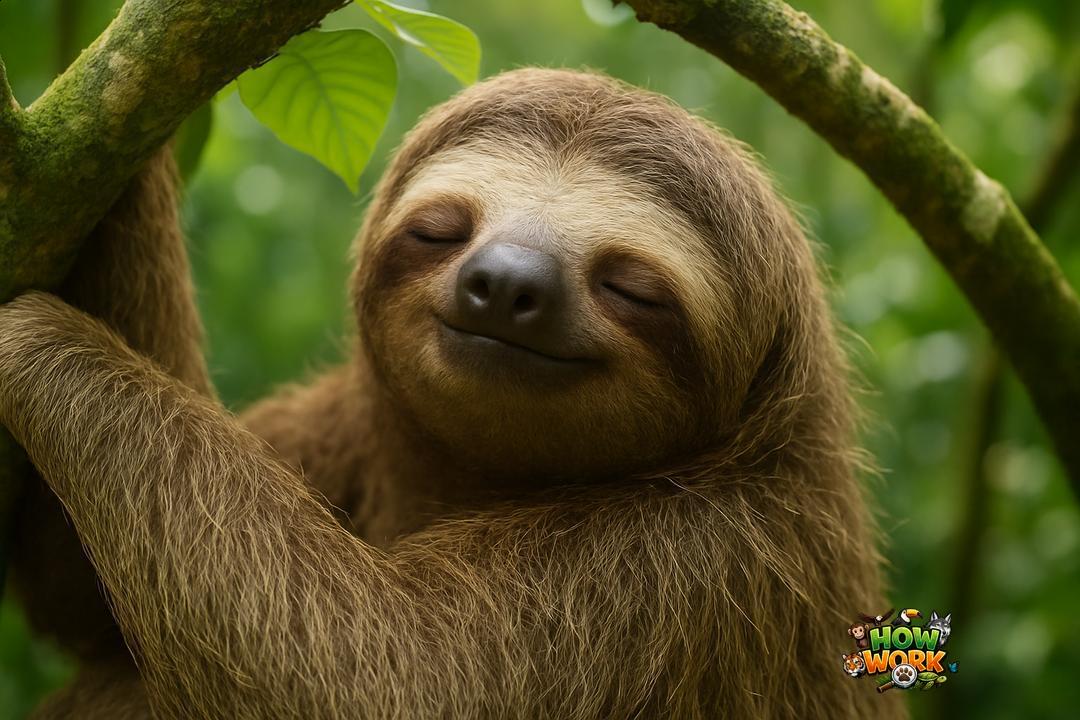
Ever stared at your pet sprawled out asleep and wondered, “Do wild animals get this comfy too?” Or maybe you’ve envied a cat’s twenty-nap day and thought: how do creatures in the wilderness really catch their Z’s?
Here’s the thing: animal sleep habits turn out to be full of surprises. Research reveals chinstrap penguins squeezing in over 10,000 four-second micro-naps each day, or wild elephants going days with barely any sleep at all. Even familiar favorites like sloths don’t snooze as much as we thought. With sleep needs shaped by diet, predators, and weather, every creature’s routine is a little different, and endlessly fascinating.
The trouble is, most articles toss out a sloth’s 15-hour snooze stat or cherry-pick weird stories without showing you the reality or the science. They skip how and why animal sleep is so different, or how it connects to traits you can see at home.
This article dives deeper: you’ll get the latest research, strange-but-true sleep methods, and a peek at what science can teach you about both wild creatures and your own pets. Ready for a behind-the-scenes look at nature’s most creative nappers?
How much do animals actually sleep? Surprising winners and losers
Not all animals snooze the same way, some seem to sleep their lives away, while others barely nap at all. If you’ve ever wondered who claims the title of champion sleeper and who gets by with the least, here are the wild answers.
Longest and shortest animal sleepers
The longest sleepers in the animal world are usually those with low-energy diets and safe habitats. Koalas can sleep around 22 hours a day, while some bats clock in close to 20 hours. On the other end, the shortest sleepers include wild elephants and giraffes, getting just 2 to 4 hours, mostly at night and often standing up. Scientists think low-energy diets and predator risks are the main reason for this divide.
Want a practical tip? If your pet seems to nap a lot, remember: Dogs average 12–14 hours of sleep, with puppies needing up to 20 hours, pretty close to some wild champions!
Extreme cases: elephants, koalas, and more
While koalas top the list for sheer hours logged, wild elephants are amazing in the opposite way. Studies show wild elephants sleep just 2–4 hours per day and can sometimes go 46 hours without sleeping at all. Giraffes are also famous for sleeping very little, usually just a few minutes at a time. At the other extreme, dogs in human care mirror some wild trends, with pups or sick animals sleeping far more than usual.
Example: If your dog suddenly starts sleeping much less (or more), it could signal a health or stress issue, time for a vet check.
How scientists measure animal sleep
To figure out these wild routines, scientists use EEGs (electroencephalograms), behavior watching, and even movement sensors. EEGs track brain wave patterns just like in humans, letting researchers spot deep, dreaming, or awake states. Behavior clues include stillness, closed eyes, and reduced reflexes.
Try this at home: Notice your pet’s body position, breathing, and responsiveness while napping. Sleep repairs stressed systems, supports memory, and is key for survival, for animals in the wild, and for creatures at your feet.
What shapes sleep: Diet, safety, and environment
Why do some animals nap all day while others barely doze? It comes down to diet, safety, and the world around them. These factors shape not just how animals sleep, but how long and how deeply they rest.
Why carnivores nap longer than herbivores
Carnivores nap longer because they need less time searching for food and can spend more hours resting. Lions might snooze up to 20 hours after a big meal. Contrast that with antelope, which graze for hours and grab short naps so they’re less likely to become prey.
Want to help your pet sleep better? After a protein-rich meal, don’t be surprised if your dog or cat heads off for a serious nap. It’s a wild instinct in action.
Role of predators and habitat
Habitat safety shapes how sleep works. Animals in safe, sheltered spots, like burrows or tree canopies, can afford longer, deeper sleeps. If predators or noisy environments are near, sleep gets shorter and lighter. That’s why deer nap with one eye open in tall grass.
If your pet seems restless, think about their sleep spot. A quiet, dark place at home mirrors the safest wild environments.
Seasonal changes and hibernation
Hibernation changes sleep for many creatures. Bears, ground squirrels, and even turtles shift to deep sleep during winter months to conserve energy. During hibernation, true sleep cycles become slower, but the animal is still not fully awake or aware.
At home, notice if your pet wants to nap more in winter. Like wild animals, indoor pets can rest more when it’s colder or darker, a natural seasonal rhythm every creature shares.
Strange techniques: Micro-naps, unihemispheric sleep, and beyond
The animal kingdom doesn’t only count on long nights of sleep. Some creatures get by with clever tricks, quick micro-naps, half-brain snoozing, and barely-detectable rest that would surprise even the lightest human sleeper.
Penguin micro-sleeps
Penguin micro-sleeps are tiny naps lasting under four seconds. Chinstrap penguins can log over 10,000 of these micro-naps each day, adding up to more than 11 hours of sleep, one blink at a time. These short rests happen while watching eggs or staying aware of threats around their colony.
Notice your pet taking super short snoozes? It’s a similar survival trick, helping animals rest while on alert.
Dolphins and birds: sleeping with half a brain
Unihemispheric sleep means one side awake, one side asleep. Dolphins, seals, and many birds rest one hemisphere at a time, letting them keep swimming, breathe, or catch threats in their environment. During migration, some birds nap in flight without falling from the sky.
Try to spot a backyard bird perched with one eye open, it may just be sleeping “on the job” with half its brain at work.
Insects and the question of true sleep
True sleep in insects is still a mystery. Most insects don’t show the brain patterns mammals do during sleep. Some experts debate if they truly “sleep” or just enter a low-activity state. For example, termites lack regular sleep cycles but keep their body clocks steady.
If you watch ants or moths late at night, you might see periods of stillness, it’s their own version of insect “rest mode.”
Do animals dream? What REM sleep actually means
Ever noticed your dog twitching in its sleep or your cat chasing invisible prey? It’s not just random movement. Humans aren’t the only ones to dream, many animals do it too, and science gives us fascinating clues about how and why.
Mammals and REM sleep
Most animals likely dream because they experience REM sleep. This special phase is marked by rapid eye movement, lively brain waves, and muscles that temporarily shut down. Mammals and birds show the clearest cycles, cats, mice, and horses all clock real REM sleep. The platypus takes the crown with up to 8 hours of REM daily, but scientists think its dreams might not be very vivid.
Ever see your pet’s paws twitching during a nap? That’s probably REM sleep in action.
Dreaming behaviors observed in pets and wildlife
Dream-like behaviors show up everywhere. Cats in a rare sleep condition called “REM without atonia” even stalk imaginary mice mid-nap. Dogs will whimper or paddle like they’re chasing something, and songbirds rehearse their tunes as they sleep. Some cuttlefish and zebrafish even flash their colors and twitch eyes, hinting at possible dreams outside mammals.
Curious if your pet dreams? Watch them when they’re deeply asleep, twitches, sounds, and kicks often give it away.
REM versus non-REM in animals
Vivid dreams mostly happen in REM sleep, but some can show up in non-REM too. Humans and animals on certain drugs still report wacky dreams without REM, so the link isn’t perfect. Cold-blooded animals, like reptiles, don’t show REM and probably don’t dream in the ways warm-blooded species do. Monotremes may have dreams in a different, non-storylike style.
If your pet seems to zone out but isn’t showing those classic REM twitches, they still could be dreaming, just a bit differently than you might expect.
Pets and sleep: Lessons for owners from wildlife science
Wildlife teaches us a lot about pet sleep. Domestic dogs and cats have patterns rooted in their wild ancestry. Understanding these lessons can make your pet’s naps healthier and your home calmer.
Common questions pet owners ask
Healthy sleep habits matter for pets, just like for us. Many owners worry if their dog or cat sleeps “too much” or “too little.” Most dogs snooze 9–14 hours daily (usually in 45-minute chunks), while cats clock up to 13 hours in longer naps. Sleep helps memory, healing, and keeps animals calm and sharp.
Notice how your pet acts after a restless night. Grumpiness or excitement might mean they need more rest, just like people.
Sleep disorders in domestic animals
Sleep disorders in pets can harm their health. Sleep deprivation affects pet rats and other animals, causing weight loss, infections, and even shortened life. For all pets, restless sleep from heat or noise breaks up restful cycles. Over time, that can mean stress and weaker immune systems.
If your pet can’t settle, try adjusting their sleep setup. Cooler temperatures and a calm routine help any animal rest better.
Natural versus artificial sleep environments
Natural sleep routines are best, but pets adapt. Wild animals nap in safe, hidden spots and adjust to what’s around them. At home, safety matters too: a quiet, comfy spot and daily play ease anxiety. Stimulating toys during the day help pets relax at night.
Want a practical fix? Create a cozy sleep den and stick to a routine. Your pet will thank you with calmer days and deeper sleep.
What wild sleep teaches us about animal resilience and adaptation
Wild sleep shows that resilience comes from being adaptable, not stubborn. Animals change their sleep patterns to survive heat, cold, and danger. Those who can’t adapt pay the price in lost health, while flexible sleepers cope better with stress and threats.
Climate can shrink sleep time. Studies on wild boars and deer fawns reveal that hot weather can cut sleep by 17%. Quality falls, too, when nights are warm or noisy. Rain and snow actually give animals a better sleep by cooling them down. Some “short-sleepers” get by on far fewer hours than their cousins but may risk long-term health problems because of it.
Example: Baboons forfeit rest to watch for predators. Dolphins, and even mothers with newborns, cut sleep almost entirely for days when protection is needed most. Being alert sometimes matters more than sleeping deeply.
For pet owners, wild sleep offers practical lessons. Help your animals adapt: Provide shade and water, especially in summer, to avoid heat-related sleep loss. A safe home, free from loud noise and anxiety, is key, just as it is for wildlife facing predators. Spot changes in your pet’s mood or activity, as these could signal sleep loss from temperature shifts or stress. In the big picture, animals’ changing sleep routines hint at how climate change threatens both wildlife and our own beloved pets.