
Aquarium Care: Maintaining a Healthy Fish Tank
Aquarium care made simple: Learn how to keep your fish tank clean, balanced, and thriving with practical expert tips inside.
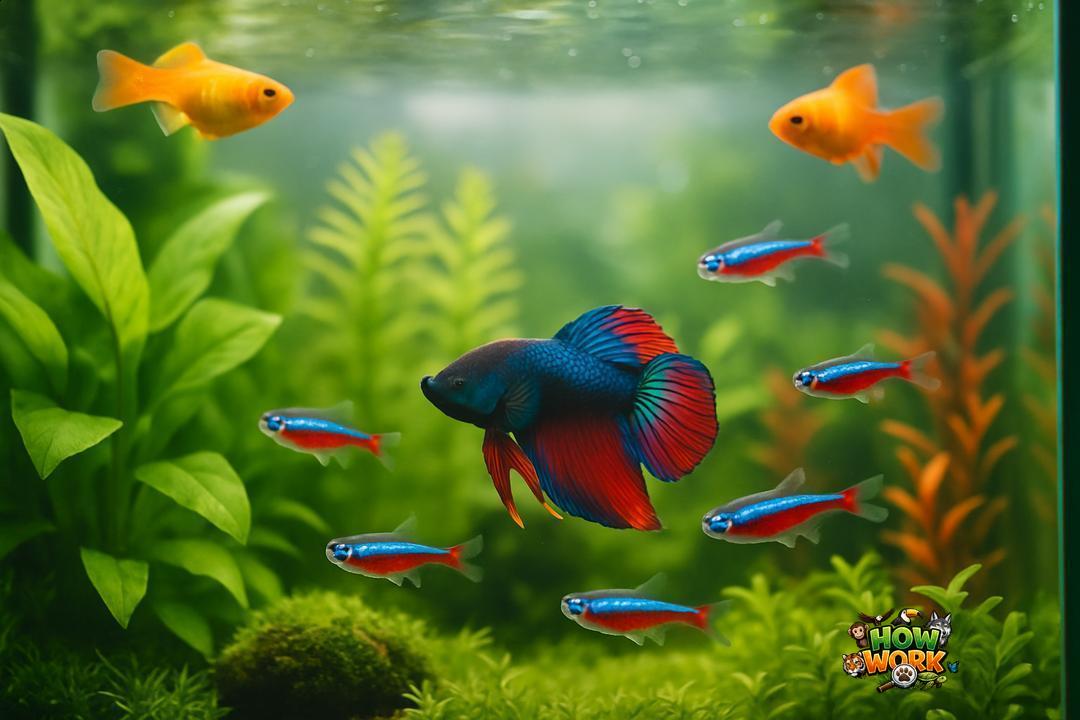
Keeping an aquarium isn’t just about pretty fish and bubbling water, it’s more like tending a living, breathing ecosystem in your home. If you’ve ever found yourself frustrated by cloudy water, finicky equipment, or stressed-out fish, you’re definitely not alone.
In fact, a healthy aquarium demands regular routines and background knowledge that many new aquarists underestimate. Aquarium care is one of the most searched pet topics, questions about water changes, algae, and feeding show up constantly. While plenty of advice is out there, confusing or conflicting tips make it hard to know what really works.
Many newcomers fall into the trap of chasing instant results: quick chemical fixes, skipping the cycling process, or cramming tanks full of gadgets. But short-cuts almost always result in sickly fish, stubborn algae, or tanks needing constant rescue.
This article takes a different path. You’ll get a practical, science-backed breakdown: from choosing the right tank through understanding the hidden world of beneficial bacteria, establishing simple routines, and troubleshooting real-life problems. Whether you’re starting your first tank or refining your setup, you’ll find clear steps and smarter habits for an aquarium where both you and your fish can truly thrive.
Choosing the right aquarium and location
Setting up your aquarium starts with two smart choices: picking the right tank size and finding the perfect spot. Get these right, and everything else gets simpler.
Selecting tank size
Tank size matters for fish health and water stability. Experts suggest following the rule: one gallon of water per inch of adult fish. But choosing a bigger tank than the minimum is usually best.
Larger tanks are forgiving, they hold temperature and water chemistry steady, making them safer for new fish keepers. A 10-gallon tank works for beginners with small fish. A 20-gallon or even a 60-centimeter long tank is better if you want more fish or plan to upgrade.
Remember, a 55-gallon tank is heavy, it can weigh over 200 pounds with water and decorations. Think about what fish you want as adults, not just the cute babies at the store. Planning ahead saves money and stress.
Practical tip: If you want a tank easy to care for, start with at least 20 gallons. It’s easier to keep water safe and clear.
Room placement and stability
Stable location means safety for your fish and your home. Aquariums get very heavy when full. A 60cm (about 24-inch) tank can weigh up to 150 pounds. Bigger tanks may need up to 700 pounds of solid support!
Always place your tank on a stand or furniture made for aquariums. Weak shelves or tables can break, risking leaks or crashes.
Avoid sunlight, radiators, and busy walkways. Sun can cause algae blooms and quick temperature shifts. Put the tank near a power source but away from windows, vents, and loud electronics. Leave about 3-6 inches free on all sides for cleaning and gear.
Tip: For tanks over 50 gallons, get a pro to check upper floor support before setup. This keeps both fish and house safe.
The science of cycling: establishing a healthy tank
Before adding fish, your tank needs helpful bacteria. This step, called cycling, keeps water safe and stops fish from getting sick.
Understanding nitrogen cycle
Nitrogen cycle is the secret to stable water. Fish waste and old food break down into ammonia. Ammonia is dangerous, but special bacteria eat it up, turning it into nitrite and then into safer nitrate.
Ammonia to nitrate conversion makes the tank safe. Your goal is 0 ppm ammonia and under 20 ppm nitrate. It takes time: usually 4 to 10 weeks to finish cycling. Keep pH above 6.5, the bacteria won’t grow in acid water.
Tip: Get a test kit. Test for ammonia and nitrate every few days. Only add fish when ammonia stays at zero for a week.
How to ‘seed’ a new aquarium
Bacterial colonies make everything healthy. You can start them in three ways. The fastest is to add seeded filter or gravel from a friend’s healthy tank. This jumps starts the cycle.
If you don’t have that, try bottled beneficial bacteria or use ‘ghost feeding’ (drop in a bit of fish food or pure ammonia to feed bacteria).
Pro tip: Too much food or not enough starter bacteria means a slow cycle. Be patient. Clear water does not always mean a safe tank, test first!
Setting up your equipment for long-term success
Choosing the right gear makes aquarium care way smoother. Your fish and plants count on steady water, safe decor, and light that fits their needs.
Heaters, filters, and lighting basics
Right heater size and filter keep the tank comfortable and clean. Get a heater rated for your tank’s gallons, 1 watt per liter usually works. A filter must match your tank’s size, too. Too small, and water gets dirty fast.
Replace air filters every 90 days, or sooner if you have pets. Lights matter: LED lighting for plants saves energy and keeps aquatic plants thriving. Swap UV bulbs each year for best results. Experts suggest yearly checks on your heater and filter to catch problems before they start.
Tip: Keep equipment manuals handy for quick fixes or settings changes.
Substrate and decor choices
Natural look and safe for fish, that’s the goal. Only use gravel, sand, or decor made for aquariums. Regular rocks or sharp objects may harm fish or cause pH swings.
Wash all substrate and decor before adding them. Avoid painted items unless made for aquarium use. Live plants and smooth stones create a stable, natural-looking base, plus hiding spots for fish.
Practical tip: Place decor with gaps, making caves or tunnels. Fish need places to hide and explore to feel at home.
Water parameters explained: testing and adjusting
Clean water is key to happy fish. You can’t see all water problems, so regular testing is a must. Let’s break down what to look for and how to fix it.
pH, ammonia, nitrite, nitrate
Test weekly for safe pH range, 0 ppm ammonia, and low nitrate. Most tropical fish like pH between 6.8 and 7.8. Ammonia and nitrite must always stay at zero. Nitrate should stay under 10 ppm for healthy tanks.
Too much ammonia is deadly, even 1 ppm can kill. Nitrite hurts fish gills. Nitrate in high amounts makes fish stressed or sick. If anything spikes, do a water change right away.
Tip: Write down your test results. Fast action makes a big difference if numbers change suddenly.
RO/DI water and mineral needs
RO/DI needs minerals added back. Pure reverse osmosis or deionized water is missing minerals fish and plants need. Add a mix like Seachem Equilibrium to boost general hardness (GH 4–8 dGH) and carbonate hardness (KH 3–6 dKH).
Target TDS 100–300 ppm to help keep things stable. Under 80 ppm means not enough minerals. Check these levels if you see slow plant growth or fish acting odd.
Tip: Test RO/DI water before every tank top-off or water change. Consistency is what helps your fish thrive.
Routine maintenance that makes a difference
Sticking to a simple routine keeps your tank clean and your fish happy. Let’s look at the three steps that really matter.
Water changes: how and how often
10-50% water change every 1-2 weeks is the rule for most tanks. Small aquariums fill with waste much faster, so they may need weekly changes. Bigger tanks with more fish (heavy bioload) also need frequent attention.
Vacuum the gravel during a water change. This lifts out fish waste and leftover food in one step. Never swap out more than half the water at once unless it’s an emergency.
Tip: Set a phone reminder for water changes. Mark your calendar for the same day every week or two to keep it consistent.
Substrate vacuuming and filter care
Vacuum monthly and clean filter media regularly. Gravel or sand should get a good cleaning at least once a month. Don’t vacuum and clean the filter on the same week, this keeps good bacteria safe.
Filter care varies: rinse mechanical parts weekly, swap chemical media every 2-4 weeks, but never replace all filter parts at once. Biological filter parts should only be cleaned in tank water, not fresh tap water, to protect healthy bacteria colonies.
Tip: Write down dates for vacuuming and filter cleaning. It keeps you ahead of any surprise tank issues.
Feeding your fish: nutrition and prevention
What and how you feed your fish shapes their health, color, and lifespan. Getting the basics right makes a huge difference long-term.
Choosing the right food
Balanced nutrients and variety are key for healthy fish. Quality fish food should have protein (18-50%), healthy fats (10-25%), and carbs (15-20%). Vitamins, especially vitamin C, help boost the immune system.
Pick food sizes that fit your fish’s mouth. Tiny flakes work for small species. Bigger pellets suit large fish. Mix it up with pellets, flakes, frozen treats, or even veggies for herbivores.
Tip: Spending a bit more on quality food pays off with bright colors and stronger fish.
Avoiding overfeeding pitfalls
Remove uneaten food and use the 2-3 minute rule. Only feed what your fish finish in 2-3 minutes. Take out leftovers after 5 minutes to keep water clean.
Feed most species once or twice daily. Young fry and slow grazers might need smaller meals more often. It’s safer to underfeed just a bit, too much food causes bad water and sick fish.
Practical tip: Watch your fish’s bellies. A little roundness is good, but if they look bloated, cut back.
Troubleshooting: common problems and practical fixes
Every aquarist faces weird tank problems sooner or later. Point is, you can solve most of them with a careful look and a few smart steps.
Algae outbreaks
Reduce light hours and scrape glass often to control algae fast. Algae blooms strike when there’s too much light or nutrients. Cut light to 6-8 hours each day. Wipe glass weekly and remove decaying plant leaves.
Brown algae is normal in new setups and should fade as your tank matures. Green spot algae means too much light or bulbs that are too old. If algae starts covering everything, test for nitrate and phosphate, the numbers might be too high.
Tip: Try adding live plants. They compete with algae for nutrients and keep things in check.
Signs of fish stress and solutions
Spot fish stress early, look for gasping, hiding, or flashing. Stress shows up as rubbing on rocks or hiding for long periods. Big causes are poor water, sudden changes, or bullying from other fish.
Test water fast if fish gasp near the surface. Ammonia spikes are a common trigger. Add hiding spots and reduce loud sounds or fast movements near the tank. More plants or a cave help fish feel safe.
Tip: Fix the cause, not just the symptoms. A tiny change makes a big difference for calm, colorful, active fish.
Creating a thriving ecosystem: lessons for every aquarist
Building a thriving aquarium ecosystem comes down to balance, planning, and daily care. No single trick or gadget replaces the basics: steady water quality, matched species, and patience with nature’s pace.
Healthy aquariums always start with research. Choose fish and plants that get along and match your skills. Test the water for pH, ammonia, nitrite, and nitrate often. When levels are steady, and within safe ranges, both fish and plants flourish.
Live plants help a lot. They give off oxygen, absorb extra nutrients, and provide shelter for fish. In more self-sustaining setups, experts suggest a refugium or plant area that’s about 20% of your tank’s volume. This boosts oxygen and houses helpful critters like shrimp and snails that break down waste.
Nutrient cycling is the tank’s hidden engine. Bacteria change ammonia into safer forms. Algae and plants use up what’s left. Tiny animals, like copepods or shrimp, help by eating old food and debris. Each group has a job, together, they keep things stable.
Routine matters. Change 10-35% of the water regularly. Use dechlorinated water and watch your fish for any changes. If something seems off, act early, small fixes prevent most big problems.
Here’s the big lesson: be patient and focus on what matters. Don’t rush new fish or chase every gadget. Give your tank steady attention, and the ecosystem will reward you, with color, life, and calm, every single day.
A 20-gallon tank is a common starting point because it offers stable water conditions and is easier to maintain than smaller tanks.
Cycling means building up beneficial bacteria to handle fish waste. Test for ammonia and nitrite; only add fish when these levels are zero.
Most aquarists recommend changing 10-25% of the water every 1-2 weeks. Smaller tanks may need more frequent changes.
Feed fish once or twice daily with food made for their species. Only give as much as they can finish in 2-3 minutes; remove uneaten food.
Reduce lighting to 6-8 hours a day and avoid overfeeding. Regular water changes and live plants also help keep algae under control.