
Bioluminescence: Creatures That Glow in the Dark
Bioluminescence makes nature glow after dark. Discover glowing creatures, how they shine, and why this natural light fascinates scientists.
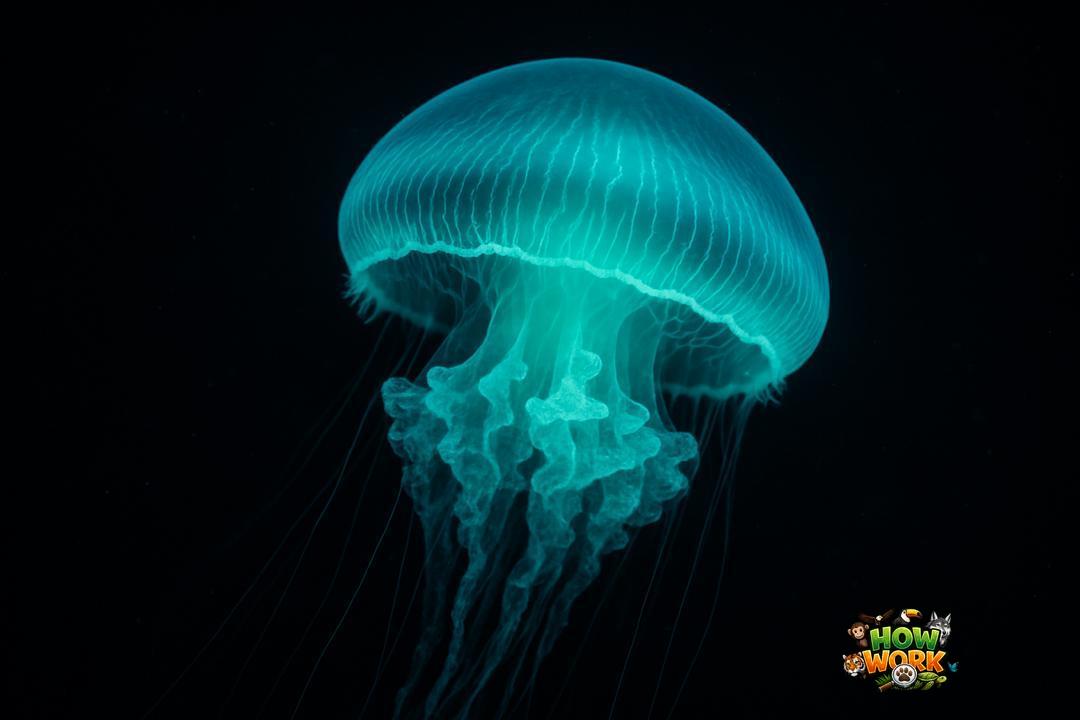
Imagine walking along a secluded beach at night, only to see the waves ignite in shimmering blue with each step you take. Or spotting a tiny firefly blinking its own code in your backyard, breaking the darkness in a way that feels almost magical.
The reason behind such phenomena is called bioluminescence, living light created by animals, plants, and even some fungi and bacteria. It’s not just a party trick for nature; marine experts estimate that up to 80% of deep-sea creatures use bioluminescence for survival. This incredible adaptation has fascinated both scientists and casual nature lovers for generations.
Yet, most articles simply skim the surface, offering fun facts without unpacking how these natural lights work, why the colors differ, or what makes the chemistry so special. Quick lists rarely answer the “why” or show how this science connects to real technology and medical breakthroughs.
In this article, we’re doing a deeper dive, from the basics of glowing chemistry to dazzling marine displays, rare land sightings, and how bioluminescence is changing modern science. If you’re curious about glowing life, you’re in for some electrifying discoveries and practical tips on seeing the spectacle for yourself.
What is bioluminescence? A look at nature’s natural lights
When you think of animals that glow in the dark, you might picture deep-sea creatures or the fireflies lighting up your backyard. But this natural glow, called bioluminescence, is one of nature’s most fascinating light shows. It is found in many places, especially under the ocean’s surface.
How bioluminescence works at a chemical level
The production of cold light in living things happens thanks to a special chemical reaction. These organisms use luciferin and luciferase with oxygen in their special light cells, called photocytes. The reaction creates light, often blue-green, with almost no heat.
This isn’t just a science experiment. For example, dinoflagellates, tiny plankton, make the beach sparkle at night, attracting curious tourists. Scientists also use the glowing protein from jellyfish (GFP) to mark cells in medicine for research, an innovation that even won a Nobel Prize in Chemistry in 2008.
Origins and evolution of bioluminescent abilities
Bioluminescence evolved independently more than forty times in nature. It started first in bacteria, then showed up in fungi, insects like fireflies, and in 90% of deep-sea fish. These abilities usually help with survival, hiding from predators, catching food, or finding a mate.
Some animals, like squid and fish, get their glow from symbiotic bacteria living inside them. If you ever visit a bioluminescent bay or watch fireflies at night, you’re seeing the creative results of this incredible evolutionary phenomenon in action.
The chemical magic: luciferin, luciferase, and glowing reactions
Bioluminescence might seem like pure magic, but it’s actually all about chemistry. These glows start with a chemical reaction between luciferin and luciferase. Let’s look at how each species creates such unique light shows.
Diversity of chemical pathways across species
Each glowing animal has a unique chemical pathway. In fireflies, the mix of luciferin, luciferase, and oxygen produces their famous 560 nm green-yellow glow. Deep-sea creatures, like some jellyfish, tweak their chemistry to emit blue light instead.
This diversity is mind-blowing: the bioluminescent reactions evolved independently in animals like fireflies, fungi, and deep-sea fish, each using a slightly different formula. Even glow sticks try to copy this chemistry by mixing special chemicals to create light.
If you want to see these effects, watch for the green-yellow flash of a firefly or visit a coastal bay to spot blue glowing plankton, each light is powered by its own biochemical toolkit.
How light intensity and color are controlled
Oxygen controls brightness and the structure of luciferin sets the color. Fireflies, for example, use special cell parts called peroxisomes to channel oxygen. That lets them turn their lights on and off with perfect timing.
The exact color, green, yellow, or blue, depends on the chemical arrangement of luciferin and luciferase. So, a firefly’s glow is different from a jellyfish’s shimmer. Labs take advantage of this by using firefly proteins to check for infections or test new medicines.
If you ever used a glow stick, you’ve seen a similar effect: a mix of chemicals, plus a little shake, lights up the night. In nature, controlling that light is key for signaling, hiding, or stunning prey.
Meet the masters: marine organisms owning the glow
Head into the ocean’s depths, and you’ll see a different kind of nightlife. Many marine creatures truly own the glow. From glowing fish schools to flashing squid, bioluminescence lights up some of the darkest habitats on Earth.
Fish, squid, and shrimp: ocean bioluminescence hotspots
About 90% of deep-sea fish use bioluminescence. They light up for all sorts of reasons, finding food, hiding from predators, even attracting mates. The flashlight fish, for example, has a special organ under its eye packed with glowing bacteria and can “blink” on and off.
Squid don’t just glow, they put on shows. Some species release bioluminescent ink, creating glowing clouds to distract threats. Even shrimp get creative: the deep-sea “light shrimp” can shoot a burst of blue light to scare off attackers.
If you want to witness this, seek out footage of a deep-sea anglerfish or a glowing squid from ocean documentaries, these animals are the superstars of the underwater glow world.
Symbiotic bacteria and their underwater partnership
Many marine animals rely on symbiotic bacteria for their light. The famous Vibrio fischeri partnership is a classic case. These bacteria live inside special organs in squid and certain fish. In return for shelter and food, the bacteria provide the light the host needs.
This teamwork is essential: for example, the Hawaiian bobtail squid uses its glowing bacteria to blend into moonlit water, hiding from predators below. If you’ve ever heard of a “living flashlight” fish, that’s usually thanks to its glowing bacterial partners.
Lights on land: fireflies and rare glowing animals
While ocean creatures steal the glowing spotlight, a handful of land animals have their own ways of lighting up the dark. Let’s shine a light on fireflies and some surprise bioluminescent species you might never have heard of.
Fireflies: signals and mating dances
Fireflies use light for communication, mostly to find a mate. There are over 2,000 species of fireflies on Earth. Each species has its own signature flash pattern and timing.
In some places, like parts of the United States and Malaysia, large groups of fireflies create synchronized light shows. The flashing isn’t just beautiful, it’s how males let females know they’re ready to mate. If you’re lucky enough to live near these firefly hotspots, plan a summer night walk for a magical experience.
Other rare terrestrial bioluminescent creatures
Some land animals and fungi glow too. “Glowworms”, the glowing fungus gnat larvae in New Zealand and Australia, dangle sticky silk lit by blue-green light to catch flying insects.
Over 85 species of bioluminescent fungi (like Mycena and Omphalotus) grow in forests around the world, their faint green light earning them the nickname “foxfire.” Some millipedes and snails also give off a glow, using it to warn predators or attract prey. Looking for a thrill? Night hikes to see glowing mushrooms or glowworm caves are a unique way to witness nature’s rare land lights in action.
Survival by shining: camouflage, hunting, and communication
Glowing in the dark isn’t just for show. Many animals, especially ocean dwellers, use their bioluminescence to stay alive, by hunting, hiding, or talking to each other with light.
Bioluminescence as a lure and defense
Light can be a powerful weapon for survival. Some fish and squid use counter-illumination camouflage, they match the glow of the water above to blend in and hide from predators below.
The anglerfish is famous for its glowing lure, a “fishing pole” on its head that attracts curious prey in the darkness. Small shrimp and fish can push this further, releasing “burglar alarm” clouds of light to startle predators and slip away. Watching ocean documentaries or snorkeling at night can reveal these clever tricks in action.
Light for communication and finding mates
Flashing as a signal is common in glowing animals. Squid flash colorful patterns to warn off rivals or signal their group. Fireflies use courtship light displays, each species blinks in a special rhythm to call for mates.
Some fish form synchronized schools and flash together to confuse predators or attract others. If you’re lucky enough to spot squid at night, watch for their quick light shows, it’s a reminder that for many creatures, language can come in a wave or a blink of pure light.
From nature to laboratory: bioluminescence in science and technology
Nature’s glowing secrets aren’t just wonders to watch, they’re reshaping real-world science and even how we might light our cities in the future. Let’s follow bioluminescence from wild creatures straight to the lab bench.
Medical imaging and disease research with glowing proteins
Scientists use glowing proteins for imaging. The green fluorescent protein (GFP), first found in jellyfish, helps track disease cells, test new medicines, and label genes in research.
GFP won a Nobel Prize in 2008 because it lets researchers make specific cells “light up” under a microscope, making it easier to study cancer, infections, or genetic changes. Next time you see colored cells in a science video, you’re probably looking at this glowing breakthrough in action.
Bioluminescence as a sustainable light source
Engineered bacteria as light is no longer sci-fi. Scientists have created biological night lights, plants and bacteria that glow gently, with pilot projects already running to light up sidewalks and display panels.
These living lights don’t need electricity and could help reduce our carbon footprint if someday used in cities or homes. Although the field is still young, the promise is huge: bioluminescence might soon help us see our way with nothing but nature’s help.
How to witness bioluminescence: tips for spotting glow-in-the-dark wonders
If you want to see nature’s best light show, planning makes all the difference. The most magical glows appear where darkness, timing, and respect for wildlife all line up.
Best places and times for natural displays
Top bioluminescent bays and caves have global fame. Mosquito Bay in Puerto Rico, Toyama Bay in Japan (firefly squid), and the Waitomo Caves in New Zealand (glowworms) are must-sees for glow lovers.
Tropical and subtropical waters often glow best during spring and summer. For beaches, look for dinoflagellate “sea sparkles” in Florida and California. Always go on a moonless night with minimal light pollution, the darker, the brighter the show. If you plan a trip, check local timing, as some displays are seasonal or peak during certain moon phases.
Ethical wildlife watching tips
Watch, don’t touch, that’s the golden rule. Never collect, disturb, or step on bioluminescent organisms. Red lights are better than flashlights; they protect your night vision and don’t stress animals.
Support eco-friendly operators and guides who put wildlife first. Look for tours certified by conservation groups, and if you can, support local conservation programs. Being a respectful witness helps ensure these wonders keep lighting up the wild for years to come.
The future of glowing life: what bioluminescence can teach us
Bioluminescence has huge lessons and promise for the future. This natural glow shows us new ways to solve real-world problems, sometimes with less energy and less harm than modern technology.
Today, engineers and scientists are harnessing bioluminescence for everything from city lights to advanced medicine. In France, a project lights up public spaces with saltwater tubes filled with glowing bacteria, cutting power use and light pollution. In medicine, bioluminescent imaging helps researchers track cancer, infections, and individual cells in real time. Ocean scientists even use bioluminescent markers to spot pollution or climate changes in the sea.
One big takeaway: nature’s light is low-energy and sustainable. Unlike normal bulbs that need electricity and pollute the night sky, bioluminescence runs on simple, clean chemistry. Market research shows strong growth in this field, bioluminescent energy solutions could soon glow much brighter as city lighting, reducing our fossil-fuel footprint.
The bottom line? Nature’s glowing organisms remind us that bio-inspired ideas can solve tough challenges. Watching how animals light up their world teaches researchers new ways to bring safer, smarter, and more sustainable solutions out of the dark and into the light.