
Bird Pets: A Guide to Feathered Companions
Bird pets open a world of color and intelligence. Discover how to choose, care for, and bond with your feathered friend.
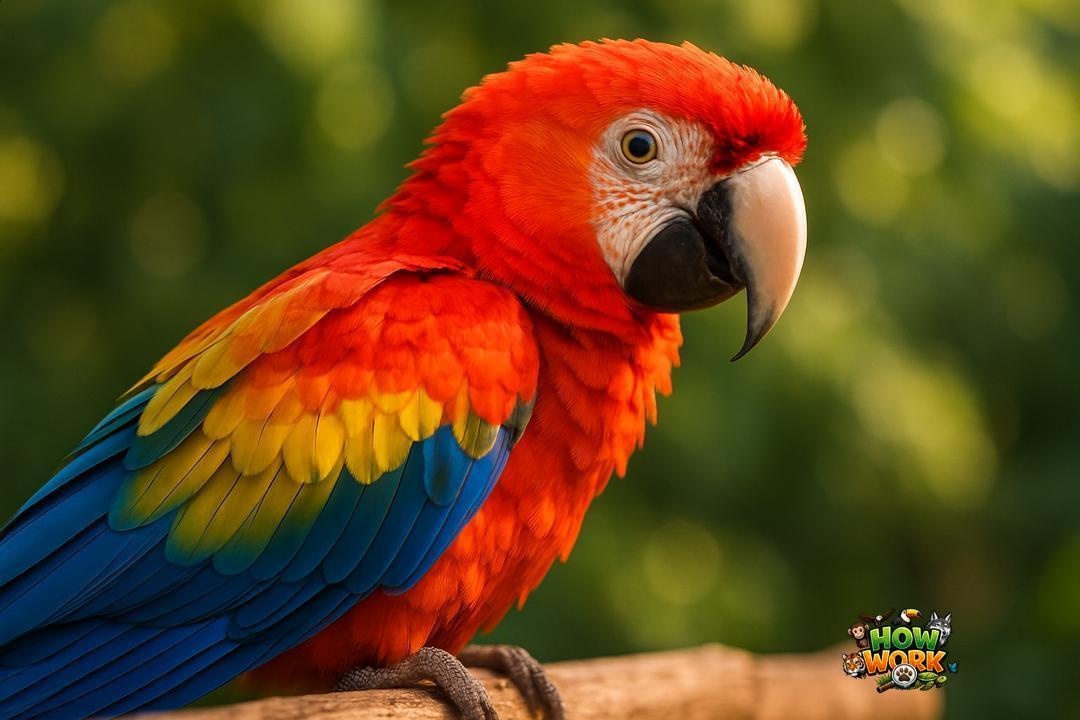
Ever thought a pet bird would be a low-maintenance companion, just feed, clean, and enjoy the chirping? Many people do. But the reality of living with bird pets is both more rewarding and more demanding than these quick assumptions.
A growing number of families, singles, and even city dwellers are adding feathered friends to their lives. According to avian specialists, birds make interactive pets and come with remarkable personalities, from chatty parrots to serene finches. Still, successfully caring for bird pets means committing to much more than a pretty cage and fresh seed: nutrition, mental enrichment, safe housing, and social interaction are all crucial pieces of the puzzle.
Most guides gloss over the details or sell “easy bird care” that skips what birds actually need. Too often, people discover the real time and attention these animals require only after problems arise, like behavioral issues or health crises that could have been avoided.
This article is your genuine, no-shortcuts guide, packed with practical advice, current research, and insight from avian experts. You’ll learn how to choose the right bird for your household, meet their care needs, solve common problems, and build a fulfilling bond that lasts for years. Let’s get started on the path to a vibrant, healthy partnership with your feathered companion.
Choosing the right bird: matching species to your lifestyle
Match the bird species to your lifestyle. Not all pet birds fit every home. Think about the time you have, how much noise you can handle, and if you want a companion for decades.
Popular bird species for beginners
Budgies, cockatiels, and small parrots are the top picks for first-time owners. These birds are social, friendly, and easier to care for than large parrots.
For example, a budgie might cost $20–$60 up front. They learn tricks quickly and love to chirp, but can handle being alone for short periods. Cockatiels often bond deeply and live about 15–20 years. Small conures are playful if you want a little more energy at home.
Always choose a bird that matches your experience and daily routine. Ask breeders or rescues what they recommend if you’re unsure.
Questions to ask before choosing
Think about your time, space, and budget before bringing home a bird. Some birds need constant attention, while others do fine in pairs.
Ask yourself: How many hours a day will your bird be alone? Do you have space for a large cage and safe flying time? Can you afford regular cost and vet care for many years?
The AVMA suggests matching a bird’s personality with your own. A quiet person may not enjoy a loud conure, while active families might love a playful cockatiel.
Long-term commitment and lifespan
Choose with a multi-decade obligation in mind. Some parrots will live 40–70 years. Even smaller birds like cockatiels are a 15+ year commitment. That’s longer than most dogs or cats.
Experts warn: too many birds are surrendered because people underestimate the time and work. As one avian vet put it, “Choosing the right species for your lifestyle is the single most important decision you’ll make.”
Plan ahead and talk with other bird owners. A good match means you’ll both thrive together, and that reduces surrender rates for unwanted birds.
Essential care: nutrition, housing, and hygiene fundamentals
Essential care for pet birds starts with daily basics: food, housing, and cleaning. Miss any of these, and your bird may quickly get stressed or sick.
Balanced diets: pellets, seeds, and fresh foods
Birds need a balanced diet, not just seeds. Experts say all-seed diets are a top reason for illness.
Mix pellets, high-quality seeds, and a few fresh vegetables or fruits for best health. Too many seeds lead to obesity and vitamin shortages. Try offering chopped carrots or leafy greens a few times weekly alongside specially made bird pellets.
Ideal cage size and setup
Give birds a spacious cage setup where they can stretch their wings fully in every direction.
Most experts agree: the bigger, the better. Fill the cage with a variety of perches and toys to prevent boredom. Place cages away from drafts, direct sun, and loud kitchens. Birds feel safest with one side of the cage by a wall.
Cleaning routines and cage maintenance
Stick to daily cleaning and regular deep scrubs. Dirty cages invite bacteria that can make birds sick fast.
Change papers and water every day. Do a deep clean of bowls and bars with bird-safe soap weekly. A fresh environment supports good health and makes your bird feel at home. Think of cleaning as bonding time that keeps both of you happier.
Mental and physical wellbeing: stimulation, exercise, and socialization
Birds need more than food and a cage to thrive. Mental and physical wellbeing come from letting them explore, solve puzzles, and build real bonds with you every day.
Daily out-of-cage time
Birds need daily out-of-cage time for their muscles and minds. Just sitting in a cage isn’t enough for any parrot or songbird.
Most avian experts recommend at least one or two hours out each day. Let your bird fly in a safe, closed room, or perch on a play stand. Even supervised time on your shoulder helps reduce stress and boredom.
Foraging toys and enrichment
Foraging toys mimic wild bird behavior. These toys let birds work for food, which keeps their brains active.
Use paper rolls, puzzle feeders, or even a bowl of crumpled paper with treats hidden inside. Change up toys every week to keep things fresh. This simple step can prevent destructive habits like feather picking.
Building a bond: interaction tips
Real interaction matters as much as food. Birds are social by nature, and yours needs your attention.
Start by talking softly and offering treats from your hand. Keep routines predictable. Let them sit with you during calm activities. Over time, you’ll be building trust that makes your bird more confident and connected to your family.
Grooming, health, and recognizing warning signs
Grooming is vital for bird health, not just looks. Clean feathers, trimmed nails and beak, and catching subtle changes quickly can mean the difference between a thriving bird and a crisis.
Bathing and feather care
Gentle bathing keeps feathers and skin healthy. Most birds should bathe or be misted 2–3 times a week, but never more, as too much can dry them out.
Use lukewarm water with no soaps or sprays. Offer a shallow dish or gently mist from above, making sure your bird feels safe and calm. Check regularly for signs like ruffled feathers or bald spots, which could signal stress, mites, or illness. Keep the cage clean and avoid strong-smelling products nearby.
Nail and beak maintenance
Trim nails and beak only as needed. Most birds wear them down naturally by chewing wood toys or concrete perches.
If you notice overgrowth, difficulty eating, or your bird dropping food, call an avian vet. Never trim beaks at home unless an expert shows you how, improper cuts can be painful or dangerous. Routine check-ups with an exotic vet help prevent issues before they get serious.
Knowing when your bird is sick
Watch for sudden behavior changes. Less eating, fluffed or dull feathers, sleeping too much, or sitting low in the cage are warning signs.
Other red flags: strange droppings, open-mouth breathing, or your bird just seeming “off.” Birds hide illness well, so when you spot something odd, it’s smart to schedule an early vet visit. Quick action can save lives.
Common myths and first-time mistakes to avoid
It’s easy to fall for old bird myths and beginner mistakes. These can quietly harm your pet’s health or lead to behavior headaches down the road. Here’s what you absolutely need to know.
Time demands and social needs
Birds have serious time demands. They need daily social time, structured routines, and mental stimulation.
A common myth says parrots are “easy.” In truth, birds left alone or ignored get lonely or destructive. Many birds end up in rescues because owners underestimate these needs. Tip: Schedule play and training at the same time each day to build a stable routine.
Diet misconceptions
Seed-only diets cause real harm. Seeds are high in fat and miss many vitamins birds need.
Offer pelleted food, vegetables, leafy greens, and small bits of fruit. Ignore the myth that parsley or spinach are dangerous, most birds can have them in small amounts. Avoid feather sprays and sandpaper perches; these are often a waste and can even irritate your bird.
Recognizing and breaking bad habits
Breaking bad habits takes time, don’t quit early. Sometimes, owners enable behaviors like screaming, biting, or selective eating by inconsistent responses.
Try positive training, give lots of foraging toys, and always reward calm behavior. Watch for myths online about using sugar water or miracle cures; if in doubt, choose regular vet care over risky shortcuts. Good habits build happier, more predictable birds.
Building a happy life together: keys to a thriving human-bird bond
The key to a thriving bond is trust, communication, and respect for your bird’s unique needs. A happy human-bird partnership takes more than treats and tricks, it means building a real relationship on your bird’s terms.
Start slow and patient. Some owners say it takes a full year for shy parrots to truly bond. Sit near your bird’s cage, chat softly, and let them come to you. Vocal interaction works wonders, even non-talking birds love it when you talk, whistle, or sing.
Turn mealtime into a flock event. Many birds feel secure eating together, just like they would in the wild. Try “flock dining”: share bird-friendly food when you eat (no salt or seasonings!).
Touch is special. Never force cuddles, watch for relaxed body language and give your bird the choice. If they look away or seem tense, back off. This prevents mistrust and fear.
Trust grows when you set a predictable routine and respect your bird’s personal space. Let your bird have quiet time in a safe spot when needed. Add enrichment daily: teach tricks, rotate toys, and let them explore safely outside the cage. Training with rewards, like favorite treats, builds confidence for both of you.
Avoid common pitfalls, like over-cuddling or copying “cute” bird videos online that ignore real animal needs. Remember, every bird is different. Listen to their signals, and over time, you’ll experience the deep loyalty and affection that only a well-bonded bird can give.
Bonding takes time and patience. Spend time near your bird, offer treats, talk gently, and let your bird approach at its own pace.
A balanced diet should include pellets, some seeds, fresh vegetables, and fruits. Avoid offering only seed mixes as they can cause health problems.
Most pet birds need daily social time, mental stimulation, and structured routines. Lack of attention can lead to boredom and behavior issues.
Warning signs include changes in appetite, fluffed or dull feathers, lethargy, and unusual droppings. If you notice any of these, contact an avian vet promptly.
Common mistakes include underestimating time demands, feeding only seeds, not providing enough mental stimulation, and misunderstanding behavior. Research and regular vet visits can help avoid these pitfalls.