
Camouflage: How Animals Blend Into Their World
Camouflage lets animals hide in plain sight. Discover the science, strategies, and wild facts behind how creatures blend into their world.
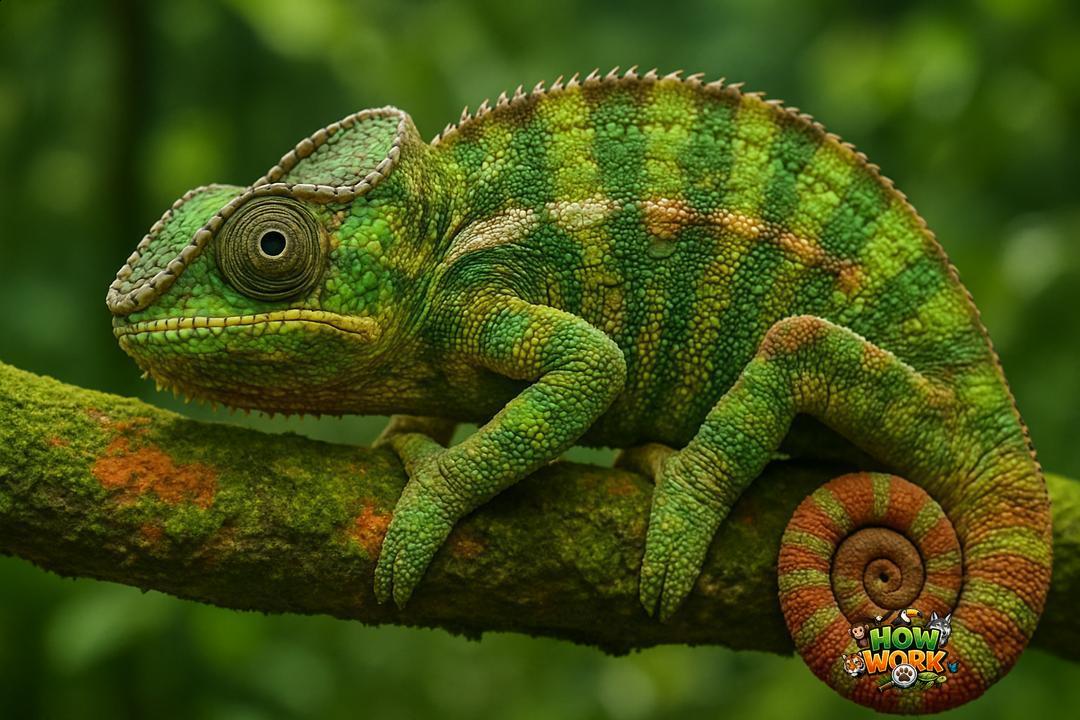
You walk through a forest and, suddenly, a stick starts moving, or so you think. Turns out, it’s an insect perfectly disguised as a twig. Ever experienced that flash of wonder when an animal vanishes before your eyes? Welcome to the world of camouflage, where survival is an art form.
Across almost every ecosystem, animals rely on camouflage to outsmart predators or sneak up on prey. Researchers point out that camouflage comes in many shapes: color changing, body shape-matching, even imitating inanimate objects. Techniques like crypsis, mimicry, and disruptive coloration have allowed creatures from tiny moths to majestic snow leopards to thrive in hostile environments.
But here’s the thing: Most content just scratches the surface. Tips and lists rarely explain the science behind these tricks, or how animals have inspired modern tech and design. What’s missing is a real dive into both the wonder and complexity of how camouflage keeps surprising us, and helping us in unexpected ways.
This article fixes that. You’ll get a tour of wild animal adaptations, uncover bizarre survival strategies, and see why even scientists keep finding new mysteries in nature’s greatest hiding act. Expect practical knowledge, fun facts, and a whole new appreciation for creatures that blend right in.
The science behind animal camouflage
Camouflage is nature’s original magic trick. Animals depend on it for staying safe or getting their next meal. This section explains how and why this works, ending with real-life examples you might not expect.
How does camouflage actually work?
Animals use camouflage to blend into their environment to avoid being seen by predators or prey. By matching their color, pattern, or even texture to what’s around them, animals can “disappear” in plain sight.
This trick only works if the animal can fool whoever is watching: most often, a predator. Over time, predators may get better at spotting camouflaged prey, but for many animals, this disguise makes the difference between life and death. Next time you walk in a forest or go tide-pooling, look closely, nature is full of hidden surprises.
Key scientific principles: crypsis, mimicry, disruptive coloration
The main camouflage strategies are crypsis, mimicry, and disruptive coloration. Crypsis is when an animal matches its environment almost perfectly. Think of insects that look like leaves or moss on a tree.
Mimicry is when an animal pretends to be something else entirely, like a harmless butterfly resembling a toxic one, or a caterpillar looking like a twig.
Disruptive coloration breaks up an animal’s outline, making it hard for predators to tell where the animal’s body starts and ends. Zebras’ stripes are a classic example. There’s also aposematism, or warning coloration (like bright red frogs), which is actually the reverse: it tells predators to stay away!
Fascinating animal examples: chameleons, octopuses, and beyond
Chameleons and octopuses are masters at changing color. Chameleons can adjust their skin color in under eight seconds! Octopuses and cuttlefish go even further, shifting their entire body color and texture to match what’s beneath them.
Not every camouflage artist is obvious. Pandas use their black fur to blend with trees and their white fur to hide in snowy patches. Leaf insects and stick bugs match not just color, but specific shapes and veins found in their habitats.
If you want to spot these experts in the wild, slow down and look for movement, not just shapes or colors. Camouflage is everywhere, once you know what to look for!
Types of camouflage in nature
Not all animal camouflage works the same way. Nature has invented several strategies, each suited for a different environment or danger. Let’s look at how these types actually play out in the wild.
Background matching: blending with the environment
Background matching means looking just like your surroundings. Many animals match color, pattern, and sometimes even texture to become nearly invisible.
For example, the arctic fox’s white winter fur blends perfectly with the snow. Leaf insects mimic both the color and veins of real leaves. Want to test your eyes? Try finding a camouflaged insect on a busy forest floor, sometimes it’s almost impossible!
Disruptive coloration and its visual tricks
Disruptive coloration breaks up an animal’s outline using strong patterns or shapes that confuse the eye of a predator or prey.
Classic examples are zebras’ stripes and certain flounders with patchy spots. Those bold patterns create optical illusions that make it hard to pick out where one animal ends and the next begins. Next time you spot a herd of zebras, watch how fast they blend together.
Countershading: light versus dark
Countershading uses a dark back and light belly to make animals look flat instead of three-dimensional.
Many creatures use this trick, from sharks and dolphins to deer. The dark top blends with deeper water or shade, while the lighter underside matches sunlight or the sky, helping them slip by unnoticed. If you see a shark from above or below, it doesn’t stand out.
Unusual types: motion camouflage, counterillumination
Some animals use motion camouflage or counterillumination, both much rarer and more advanced.
Motion camouflage is seen in dragonflies that approach prey using a straight line, making it hard for the target to detect them. Counterillumination is a trick deep-sea creatures like squid use, they light up their bellies with special organs to match the faint sunlight from above, so predators below can’t see their outline. Researchers are even copying these ideas for modern stealth technology.
How animals adapt their camouflage to survive
Animals don’t just pick a camouflage style and stick with it for life. Many change their disguise based on season, behavior, or the need for a super-fast response to a threat. Here’s how they manage these survival tricks.
Changing colors with the seasons
Some animals switch fur or feather color as the seasons change, blending in whether there’s snow or grass.
Arctic hares and arctic foxes turn white in winter and brown in summer. This swap, called “seasonal polymorphism,” helps them stay safe from predators all year. Their changes are triggered by shifting day length, not just temperature. If you live where these animals roam, look for their color shift each spring and fall!
Behavioral adaptations and movement
Camouflage goes beyond color, behavior matters too. Animals like white-tailed deer or brown owls freeze or move slowly to avoid being seen.
Zebras use stripes in herds, creating a blur that confuses predators chasing them. Some animals, like California ground squirrels, even use smell camouflage by rubbing chewed snake skin on their fur! If you spot a deer hiding in tall grass, notice how it barely moves to stay hidden.
Rapid-response camouflage: cephalopods and cuttlefish
Cephalopods like cuttlefish and octopuses can change color and texture in milliseconds.
Using special skin cells called chromatophores, they choose from different patterns, solid, mottled, or disruptive, depending on what’s around them. Scientists found these animals can reach about 80-90% camouflage effectiveness in lab tests. If you ever see an octopus in action, watch how it seems to vanish instantly, a true master of disguise!
Unusual and advanced camouflage strategies
Some animals are true magicians when it comes to hiding. Let’s dive into the wildest and most high-tech camouflage strategies found in nature.
Mimicry: animals impersonating objects, plants, or even other animals
Mimicry is when animals copy objects, plants, or even other creatures to survive. Stick insects look just like twigs, making them hard for birds to notice. Leaf-tailed geckos in Madagascar seem to disappear among dead leaves. The orchid mantis tricks pollinators by mimicking flowers, so well that bugs land right on them!
Studies show that even imperfect mimicry can boost survival by up to 20-50% in lab tests with bird predators. When hiking, try finding a stick insect or a flower that doesn’t belong; you might spot a mimic.
Camouflage that targets predator senses
Some camouflages target specific predator senses, like sight or even smell. Zebras use “motion dazzle”, their stripes blur together and confuse lions during a chase. Deep-sea squids light up their bellies to match the faint light above, hiding their outline from hungry fish below. Black panthers and deep-sea fish use “ultra-blackness” skin that absorbs over 99.5% of light, making them nearly invisible in darkness.
Researchers have found that counterillumination is used by more than 70% of deep-sea species. Some ground squirrels even disguise their scent by rubbing chewed rattlesnake skin on their own fur, nature’s version of scent-blocking!
High-tech nature: color-changing skin and active camouflage
Some animals actually change their color or skin texture in real time. Octopuses and cuttlefish use special skin cells to match new backgrounds within seconds, even choosing between stripes, spots, or plain colors. Veiled chameleons can shift color in less than a second, helping them hide or signal to rivals and mates.
Lab studies reveal cephalopods hit 85-95% camouflage accuracy in controlled settings. Fun fact: Modern military camo tech is often inspired by how these animals work. Next time you watch an octopus at an aquarium, notice how fast it blends into a new setting, it’s the closest thing nature has to a shapeshifter!
Lessons from nature: Camouflage in technology and design
Nature has always offered inspiration for human problem-solving. Camouflage, in particular, shows how closely we watch and borrow ideas from the animal world for our own challenges in security, tech, and design.
How animal camouflage inspired military patterns
Military camouflage comes directly from animal survival tricks. In 1902, artist Abbott Thayer patented “countershading” for warships, matching animal coloration seen in sharks and rabbits. During World War I, British artist Norman Wilkinson designed “dazzle painting”, wild, striped patterns breaking up ship outlines to confuse enemy submarines, mirroring tricks found in nature.
Still today, military patterns use disruptive shapes and colors, straight from the animal playbook. If you visit a military museum, look for “dazzle” stripes and ask yourself which animal might have inspired them.
From animals to tech: digital camouflage revolution
Modern scientists copy animals’ camouflage systems for technology. Harvard and Stanford labs have created “adaptive skins” that change color and texture, modeled after cuttlefish and octopuses. New microfluidic materials shift pattern and reflect light, just like cephalopods do underwater.
A Harvard professor put it well: “Nature solved the riddle of adaptive camouflage a long time ago.” If you attend a robotics fair, look for soft robots that blend into backgrounds, they are using real “animal thinking.”
Nature’s influence on fashion and product design
Camouflage turns up in clothing and product design too. Hunting camo now mimics not only color but also texture and light absorption, avoiding the shiny look that fooled animals for years. Modern gear uses more “organic” patterns and “matte” surfaces, methods taken straight from wild environments.
Many everyday products, paints, electronics, even makeup, use nature-inspired design tricks. Try touching a piece of new camo gear: does it feel like leaves or bark? Designers are paying close attention to these details, making our gear blend the way animals have done for millions of years!
Why animal camouflage continues to intrigue scientists and nature lovers
Animal camouflage fascinates so many people because it shows off nature’s creativity and the power of evolution. Scientists and nature lovers are drawn to the way camouflage lets animals survive, adapt, and sometimes even trick not just predators and prey, but us too.
Researchers see camouflage as a textbook example of natural selection. Classic books by Thayer and Cott used amazing animal illustrations to prove how survival depends on blending in, hunting smarter, or fooling enemies. Each animal, whether it’s an arctic hare shifting fur color or a leaf-tailed gecko turning invisible on a branch, teaches us about evolution’s endless ways to solve problems.
It goes beyond just color. There are over a dozen different camouflage techniques: background matching, disruptive coloration, mimicry, and even scent disguise. Recent studies combine biology, psychology, and tech to understand how animals change in real time, from cephalopods flashing colors to deer freezing in tall grass.
Interest has only grown in the last decade. New research links camouflage to big themes like climate change and adaptation. For example, scientists track how wildfires affect the color of mantises in Brazil, or how shrinking ice affects arctic animals’ seasonal color tricks.
Nature lovers feel the magic too. Camouflage pops up everywhere: in military patterns, wildlife gear, photography, and even art. Want to see it for yourself? Try spotting a moth on tree bark or a lizard hiding among rocks, sometimes, the best scientists are the ones who stop, look closely, and wonder how nature manages to hide its secrets in plain sight.
Animal camouflage is when animals blend into their surroundings using color, patterns, or body shape to avoid being seen by predators or prey.
Animals use camouflage mainly to hide from predators, sneak up on prey, or avoid threats, increasing their chances of survival in the wild.
The main types are background matching, disruptive coloration, countershading, and mimicry—each helping animals hide in unique ways based on their environment.