
Coral Bleaching: Understanding the Greatest Threat to Global Reefs
Coral bleaching is rapidly threatening reefs worldwide. Discover why it happens, what it means, and how you can make a difference.
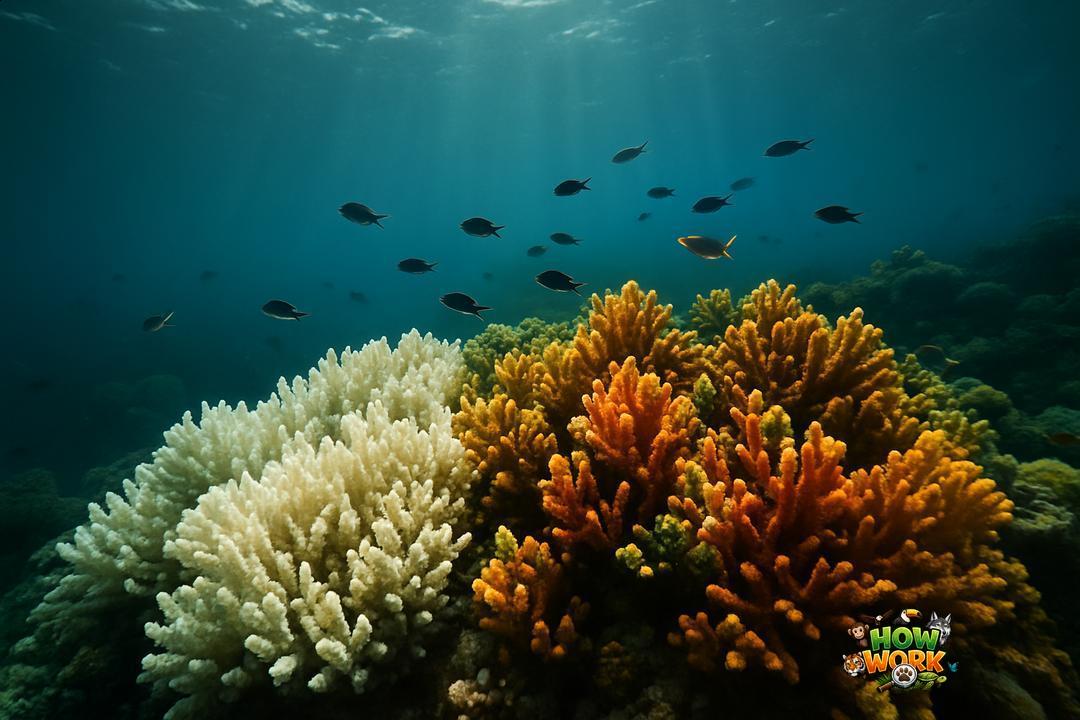
Imagine walking through a vibrant garden, only to see the colors fade overnight, leaving behind a field of white. That’s what’s happening right now beneath the waves, and it’s all because of coral bleaching.
Coral reefs, often called “rainforests of the sea,” are under intense threat. According to recent reports, a staggering 84% of global reefs have faced dangerous heat stress since 2023, triggered mainly by ocean warming. The phenomenon of coral bleaching is so serious, scientists now count six mass bleachings for Australia’s Great Barrier Reef alone. But while many people know the headlines, few realize that corals aren’t always dead when they bleach, and that the difference between life and loss can hang on a tiny change of just 1–2°C.
Most articles treat coral bleaching as an inevitable tragedy or tout magical solutions to “save the reefs” overnight. The reality is far more complex. Quick fixes can unintentionally disrupt the delicate balance of an entire ecosystem, and new interventions carry both promise and risks.
This article dives deep into the world of coral bleaching, decoding what really happens on the reef, spotlighting the latest innovations, and offering practical ways you can help. Whether you’re a diver, nature lover, or simply want to understand the story behind those viral white reef photos, this is the evidence-based guide you’ve been looking for.
What is coral bleaching and why does it happen?
Coral reefs are in trouble, and the main reason is a process called coral bleaching. If you want to understand what’s really happening underwater and why, keep reading.
The science behind coral-algae symbiosis
Corals and their algae are partners for survival. Most corals get up to 90% of their energy from tiny algae (Symbiodiniaceae) living inside them. These algae use sunlight to make food that the coral needs.
If things get too hot or stressful, symbiotic algae leave the coral tissues. Without their algae, corals lose color and energy fast. If the algae don’t come back within weeks, many corals begin to starve and die.
For students or parents: Think of it as a plant losing its leaves. No leaves, no photosynthesis, no food.
Triggers: temperature, pollution, and stressors
Even a small increase in heat, just 1–2°C, can start bleaching. The main cause is hot ocean water from climate change, but pollution and sunlight also matter.
A good example: In 2016, the Great Barrier Reef experienced its worst bleaching ever because of unusually warm ocean temperatures. Runoff and low tides made things worse, showing that it’s often a mix of stressors, not just temperature alone.
Actionable tip: Reduce local runoff near coasts and use reef-safe sunscreen when snorkeling or swimming around reefs.
Can all corals bleach the same way?
No, not all corals react the same. Some types can swap their algae for heat-tolerant species and recover better. For example, Acropora millepora has adapted by partnering with tougher algae after bleaching events.
Others, like Acropora hyacinthus and Acropora tenuis, don’t adjust as easily. That means some reefs bounce back, but others disappear. If you want to help, support efforts to protect a variety of coral species, not just the showy ones.
Global impact: recent mass bleaching events
Mass coral bleaching is not just a local story, it’s a crisis with ripple effects felt around the world.
2023–2024 fourth global bleaching event
The fourth global event began in early 2023 and is the most extensive in history. NOAA confirmed it spread across every major ocean basin by April 2024, hitting reefs in both hemispheres before El Niño even arrived.
Expert Derek Manzello called it a “wake-up call” for urgent global action. You can raise awareness by sharing reputable updates or supporting organizations working on reef restoration.
84% of reefs affected: a closer look
About 84% of the world’s coral reefs suffered bleaching-level heat stress from 2023 to 2025. At least 83 countries were impacted, including places like Tanzania, Fiji, and Vanuatu.
This event was so severe that NOAA issued an unprecedented “Alert Level 5,” where some corals die immediately rather than just bleach. Supporting sustainable fishing and choosing ocean-friendly travel can help reduce local stressors.
The Great Barrier Reef: six mass bleachings
The Great Barrier Reef endured its sixth mass bleaching, including in 2023–2025. Some reef areas saw immediate coral death, showing the limits of recovery.
Scientists say this is proof reefs need help, from governments, scientists, and the public, to survive. If you want to help, support policies to reduce greenhouse gases and back coral conservation efforts.
Are bleached corals dead? Recovery and risks explained
When corals turn ghostly white, many wonder if they’re already lost forever. The answer is more complicated, and recovery is possible, sometimes.
How corals recover from bleaching
Bleached corals are not dead but stressed. They can regain their color and health if cooler, safer water returns within a few weeks.
Some corals will welcome back their algae (zooxanthellae) and slowly rebuild strength. But their reproductive health might need years to fully bounce back. If you spot a pale coral while snorkeling, avoid touching or crowding it, give it every chance to recover.
What makes recovery possible, or impossible?
Quick recovery depends on short-lived stress. If the heat or pollution sticks around, corals might not recover at all. Their skeletons can get taken over by seaweed, blocking new coral from growing.
One real-world example: Some species like P. astreoides can’t recover vital proteins after harsh events. Lesson for reef visitors and fishers, minimize extra stress by keeping the water clean and respecting marine zones.
Long-term ecosystem consequences
Whole reef systems can take 10–15 years to recover from a big bleaching event. But if global warming pushes the planet 1.5°C hotter, scientists warn these losses could soon be permanent.
Supporting cuts to carbon emissions and choosing reef-friendly habits at home can make a real difference in the long run.
Innovations and interventions: fighting coral bleaching
Scientists and conservationists are racing to develop new ways to help coral reefs survive. Some ideas sound futuristic, but real progress, and real questions, are emerging fast.
Cloud brightening and underwater parasols
Cloud brightening and parasols aim to cool down reefs. By spraying seawater into the air, marine cloud brightening creates light-reflecting clouds that lower water temperatures. Underwater parasols, like floating shade cloths, block some sunlight, offering emergency shading when water gets too hot.
These tools cut bleaching severity and buy precious time for threatened areas. Want to help? Support groups using shading as part of bigger reef recovery plans, and push for rapid emission cuts.
Selective breeding for heat resistance
Scientists are breeding corals that can handle hotter water. They find tough coral types and help them reproduce, then plant heat-resistant babies back on reefs.
By 2031, projects may plant over 1 million heat-tolerant corals a year, 30 times current efforts. If you want to help, back organizations that invest in coral farming and “assisted evolution” research.
Critiques and ethical dilemmas
Some experts warn that technical fixes come with real risks. New breeding or shading methods could disrupt natural reef systems or delay urgent climate action.
“Local shading is only an emergency buffer,” says one specialist. The most important move is still cutting greenhouse gas emissions, not just treating the symptoms. You can take action by lowering your own carbon footprint and voting for climate-forward policies.
What the future holds for our reefs, and how you can help
The future of coral reefs will depend on bold global action and personal choices. If we keep warming unchecked, up to 90% of reefs could die by 2045, causing massive losses for people and wildlife.
Yet there’s still hope, recent research finds that some coral species can adapt, but only if humanity keeps warming below the Paris Agreement’s 2°C target. Without strong action, up to 50% of reefs could face extinction by 2100. But protected areas in Fiji and the Caribbean show that restoration is possible when local threats, like overfishing and pollution, are managed.
What can you do? Every choice matters. Reduce single-use plastics, use reef-safe products, and choose sustainable seafood when shopping or eating out. Back organizations that invest in science-based conservation or coral “seed bank” projects.
Experts stress that nature’s resilience is real if we act decisively. Even simple changes at home, like conserving energy and spreading awareness, contribute to reef survival. Connect with youth-led climate groups or community cleanups, these “small” steps really do add up over time.