
Guinea Pig Care: Diet, Cage Setup, and Social Bonding
Guinea pig care starts with the right diet, cage setup, and social time. Discover practical, expert-backed tips for happy, healthy pets here.
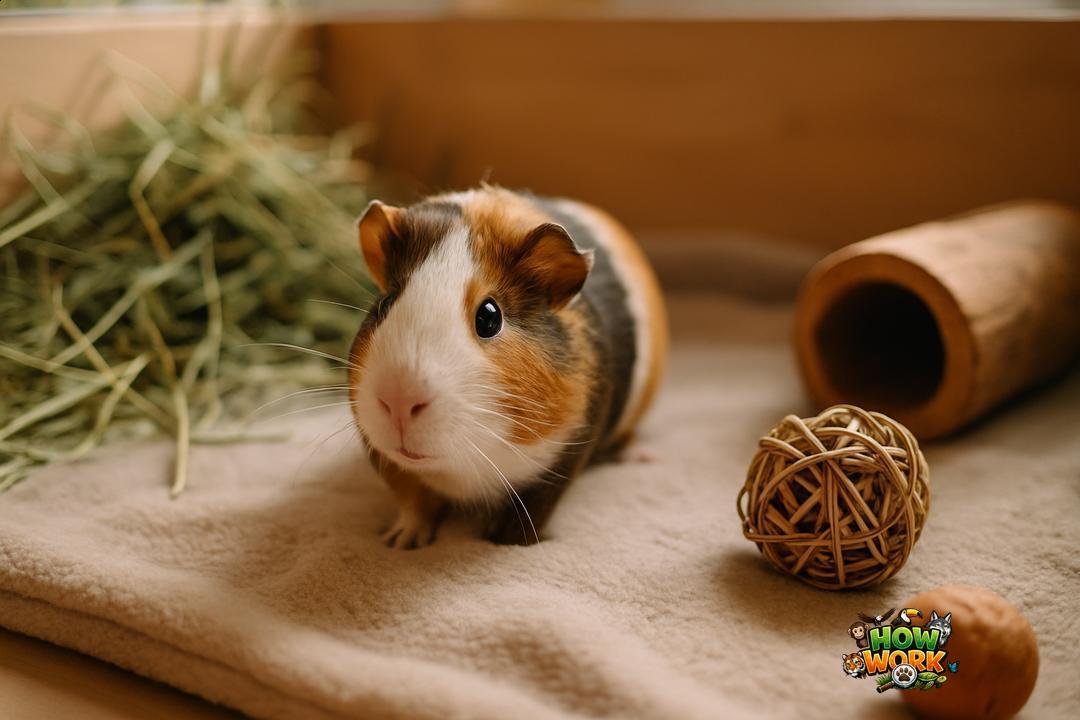
Imagine bringing home a guinea pig: they’re cute, chatty, and seem easy to please. But did you know that what looks simple can be unexpectedly tricky? Many pet lovers are surprised to find guinea pigs have specific needs that go well beyond a bowl of pellets and a cozy nook.
Ask around or check the latest humane society guides and you’ll see that guinea pig care means mastering diet, cage setup, social habits, and daily routines. Issues like vitamin C deficiency, cage size, and depression have become talking points among vets and animal welfare groups because skipping the details can lead to real harm.
It’s easy to get lost in quick lists or social media “hacks,” but these shortcuts often skip vital context. For example, not all hay is created equal, and certain bedding can cause paw injuries, facts missing from most guides. Basic checklists rarely teach you how to spot early health warning signs or foster a guinea pig’s natural curiosity.
This article offers a fresh perspective that’s both science-based and genuinely practical. You’ll get straight answers, proven routines, and actionable tips for every stage, from feeding and bedding, to social bonding and health checks. Let’s make your guinea pig’s life as joyful and healthy as it truly can be.
The essentials of a balanced guinea pig diet
Your guinea pig’s health starts with what’s in their bowl. The right diet is the #1 factor in a long, happy life. Think of hay, greens, and vitamin C as the must-haves. It’s more specific than “just feed them veggies”, details matter!
Hay: the foundation of nutrition
An unlimited hay supply is essential. Hay should make up 80–90% of your guinea pig’s diet. Timothy or orchard grass hay is best, they’re full of fiber for digestion and tooth health. Guinea pigs need hay all day, every day. Missing even a few hours can cause serious gut problems. Keep fresh, dry hay in their cage 24/7. A practical tip: place hay both in their feeder and hiding areas to encourage natural foraging.
Pellets and fresh greens: what, how much, and when
Pellets and daily leafy greens balance the diet. The right amount is about 1/8 cup (2 tablespoons) of vitamin C-fortified pellets daily. Check that they’re made for guinea pigs, not rabbits or other pets. Give them 1/2–1 cup of fresh greens daily, rotating choices like romaine, cilantro, and parsley. Skip iceberg lettuce (it has almost no nutrients). Replace stale pellets and wilted greens daily for freshness. Example: morning greens, pellets at night.
Foods to avoid and safe treats
Some foods are risky or toxic. Avoid rabbit pellets, seeds, nuts, dried fruit, dairy, candy, and salty snacks. Don’t overdo high-calcium greens (spinach, kale) as they can lead to bladder stones, keep them as rare snacks. Want to offer a safe treat? Try a tiny slice of kiwi, blueberry, or an orange wedge. Always introduce new foods slowly.
Understanding guinea pig vitamin C needs
Guinea pigs need vitamin C every day. Their bodies can’t make it, putting them at risk for scurvy without a supplement. Many experts recommend a daily vitamin C tablet or liquid drop, since pellets lose vitamin C fast after opening, don’t rely only on them. Give a piece of bell pepper or citrus fruit as a fresh source, but always double-check safe amounts. If you’re ever unsure, most vets suggest a supplement as backup.
Creating the ideal cage environment
A guinea pig’s home affects every part of their health. Right cage setups mean less stress and more play. Let’s break down what really matters for comfort and safety.
Minimum space recommendations
Guinea pigs need a minimum 7.5 square feet cage. That’s a 30″×36″ setup for one or two pigs, but 10.5 square feet is better. More space means more room to run, play, and stay healthy. Make sure the bar spacing on the cage is no more than 0.5 inches. This keeps curious pigs from getting stuck or escaping. Try adding tunnels or ramps to use the space.
Best bedding: fleece vs. alternatives
Fleece bedding advantage: comfort and savings. Soft fleece liners are washable and gentle on paws. Paper bedding is safer than wood shavings, offering better absorbency but isn’t reusable. Avoid wire-mesh floors, these cause injuries. For practical cleaning, use fleece if you can spot-clean daily; use paper bedding if you want easy full-changes. Mix and match until you find what works for your routine.
Cage cleaning routines that work
Spot-clean daily and deep clean weekly. Remove dirty bedding or soiled spots every day. Once a week, wash the whole cage with mild pet-safe sanitizer. Swap in fresh bedding completely every week or two. Make a habit of rinsing water bottles and cleaning food bowls at least every week. Heavy ceramic bowls help stop tipping accidents.
Maintaining a safe and comfortable temperature
Keep cage 65–75°F and out of direct sun. Guinea pigs can overheat or chill easily. Stay away from cold drafts and hot windows. Place a thermometer in the cage so you always know the temperature. If you need, use fleece covers to add warmth or adjust fans for better airflow in summer. Expert tip: If your home swings outside this range, the risk of illness goes up fast.
Social needs and enrichment for guinea pigs
Guinea pigs aren’t just cute, they crave a social life to stay healthy. Loneliness can cause real problems. Their happiness depends on friends, play, and interaction.
Why guinea pigs need company
Never keep guinea pigs alone. They’re gregarious animals, wired for life in groups. Living by themselves can trigger depression and shorter lifespans. Experts consistently recommend adopting at least a pair, not a single pet. If you’re unsure, watch your pig, those in pairs show more activity and less stress-related behavior.
Safe ways to introduce new guinea pigs
Take slow, careful steps with introductions. While research doesn’t outline exact steps, most recommend neutral territory for the first meeting. Watch for aggression, then gradually increase their time together. Provide hiding spots for each pig to retreat if needed. Sometimes it takes several meetings for comfort to build. If you spot repeated fighting, seek advice from a vet or rescue group experienced with guinea pigs.
Best enrichment activities
Rotate enrichment toys and offer daily playtime. Chew tunnels, hideouts, and cardboard mazes are favorites. Scatter food to encourage foraging. Active play matters, give floor time in a pig-proofed room several times each week. Try new items often so play never gets boring. When you see your pets exploring and chirping, you’re doing it right.
Spotting signs of loneliness and stress
Watch for isolation signs. If your guinea pig hides all day, eats less, or whimpers, they may be lonely. Boredom can also show up as fur chewing or frantic cage running. By responding early, you’ll help your pets thrive, not just survive.
Health monitoring and common care mistakes
Health checks are how you spot trouble early with guinea pigs. Simple routines help prevent big problems, so it pays to pay attention every week.
Weight checks: the early illness signal
Track weight weekly to catch illness fast. Even a small loss, a drop of 5% in a month, can mean infection or something more serious. Catching changes early can save your guinea pig’s life. Use a digital kitchen scale, and record weights in a notebook. If you spot a shift, call your vet right away.
Nail trimming and grooming tips
Never cut too short or ignore nail growth. Cutting guinea pig nails too close risks pain and infection, much like what happens in people. Use pet-safe nail clippers and trim small bits at a time. If you’re unsure, your vet or a groomer can show you the ropes. Regular brushing also reduces hair mats and keeps their coat tidy.
Unsafe products and hidden hazards
Label and store all products safely. Some supplies, from medications to cleaning sprays, can be harmful if mixed up or left out. Always check cage liners, toys, and chews for choking risks, sharp edges, or broken parts. Switch out any damaged items right away. When in doubt, choose certified safe products made just for small pets.
Checking for depression and behavioral changes
Spot mood changes before they worsen. Signs like hiding more, eating less, or acting jumpy can point to stress or sickness. Even subtle personality shifts count. A lonely guinea pig, for example, may stop grooming or play less. If habits suddenly change, schedule a health check and think about extra social time or enrichment.
How small changes can dramatically improve your guinea pig’s life
Small changes, like better diet or routine checks, can actually add years to your guinea pig’s life.
Experts say a switch from cedar bedding to safe paper or fleece can prevent bumblefoot and infections. A single hour of daily floor time helps prevent obesity and makes life more fun. Guinea pigs paired with a buddy tend to live longer and avoid loneliness.
Keeping Timothy or orchard grass hay available all day protects teeth and digestion. If you weigh your guinea pig each week, you’re more likely to spot illness early. Try rotating leafy greens, a half cup per pound of body weight is a good rule.
Regular vet checkups every six months help catch arthritis, dental issues, or mobility troubles before they get worse. Even these simple routines, fresh hay, soft bedding, more movement, and repeat health checks, lead to happier, healthier pets. As one vet put it, catching small issues early “dramatically extends their lives and gives them a real shot at joy.”