
Kelp Forests: Underwater Jungles of the Coast
Kelp forests dazzle with rich marine life and crucial carbon capture. Discover their secrets and why protecting these underwater jungles matters.
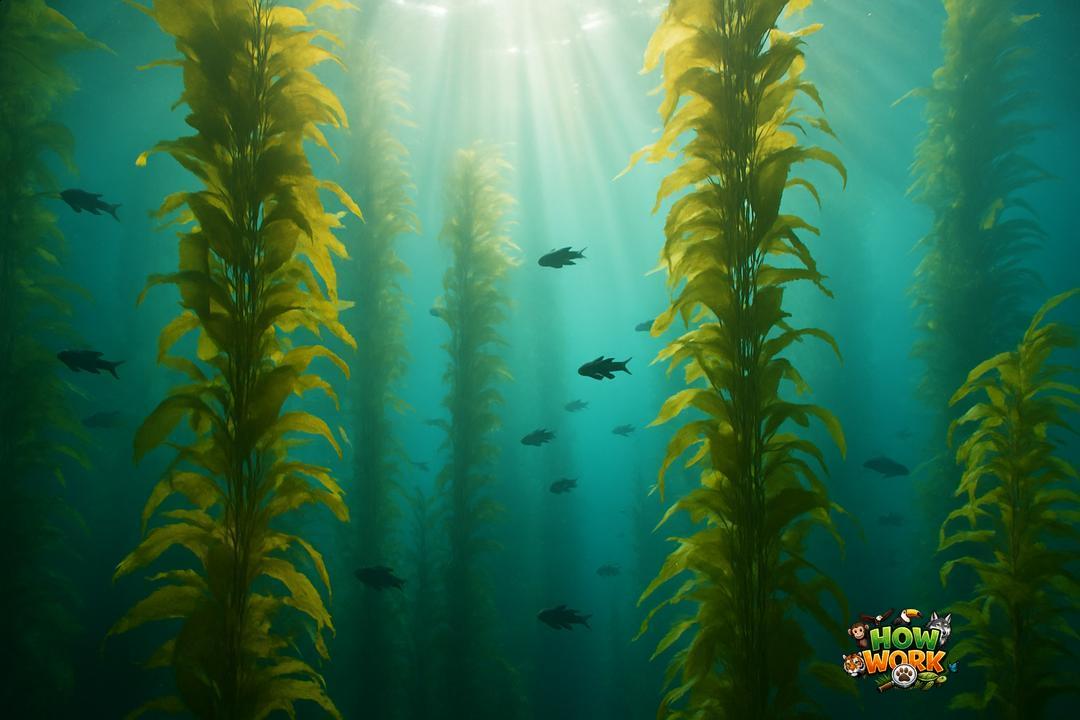
Imagine a jungle that sways gently with the currents, teeming with strange and beautiful creatures, except, it’s underwater. Kelp forests are more than an oceanic curiosity. For wildlife lovers, divers, and anyone drawn to the coast, these lush aquatic realms inspire awe and curiosity.
These vibrant marine forests cover vast stretches of shallow, cold-water coastlines around the world. Scientists estimate that kelp forests deliver ecosystem services worth up to $500 billion annually, protecting coastlines, storing carbon, and nurturing fisheries. A single patch might shelter hundreds of different species, many found nowhere else on Earth.
But most articles barely skim the surface, offering pretty photos or simple warnings without real depth. They gloss over lesser-known threats, the nuance of kelp restoration, and why kelp’s dramatic climate role matters beyond marine life alone.
This guide will take you beneath the waves. You’ll discover the ecosystem’s secrets; learn why kelp is a linchpin for ocean health; and take away tangible ways to help, whether you’re a curious beginner or a committed ocean advocate. Let’s dive into the real story of our underwater jungles.
What are kelp forests and where do they grow?
Kelp forests are some of the most impressive underwater ecosystems on Earth. They look like green jungles beneath the waves, providing shelter and food for hundreds of species. Let’s explore what makes them unique and where you can find them.
How kelp forests form underwater canopies
Kelp forests grow when giant brown algae form dense canopies underwater.
These towering plants use gas-filled bladders to float their leaves up to the sunlight, just like balloons. Some species, like giant kelp (Macrocystis), can reach up to 45 meters tall! The dense canopy shades the sea floor and helps slow down ocean currents so nutrients settle. As expert Dr. Taylor says: “Canopy kelp forests are fascinating: creatures live at different heights.” If you ever go diving off California, you can swim through these waving underwater jungles yourself.
Key geographic regions for kelp forests
Kelp forests thrive best in cool, shallow, rocky coastal waters around the world.
The Pacific Coast of North America, especially from central California to Alaska, is famous for its lush kelp forests. You’ll also find them in the Norwegian Sea and along other temperate coasts, almost everywhere except Antarctica. The Broughton Archipelago in British Columbia, Canada, is known as a climate refuge for kelp. Even coastal art projects, like an underwater sculpture museum in Cyprus, are using recreated kelp habitats for awareness and education. Want to experience kelp forests? Look into snorkeling or eco-tours where local guides protect and share these amazing places.
The biodiversity within kelp forests: a hidden world
Kelp forests are communities with incredible biodiversity. These underwater habitats are crowded with life, from tiny snails to large sea otters. Every season brings new creatures, making each visit to a kelp forest a unique experience.
Top animal species found in kelp forests
Kelp forests are home to key animal inhabitants like starfish, sea otters, crabs, seals, rockfish, herring, and urchins.
In the Pacific Northwest alone, there are over 640 seaweed species living in and around kelp forests. You might spot playful sea lions swimming through the stalks or salmon resting in the shade. In South Africa, pyjama sharks help control sea urchin numbers, showing just how connected these species are. Visiting marine aquariums or coastal parks can give you a front-row seat to these natural wonders.
How kelp forests support juvenile fish
Kelp forests act as a “nursery for salmon and rockfish,” providing essential shelter and food for young fish.
The forest’s three-dimensional structure lets baby fish hide from predators and find plenty of food among the fronds and understory. Researchers note healthy kelp reefs support over 70 fish species in peak seasons. As Dr. Bridgette Clarkston puts it: “Kelp forests are an oasis for life.” If you’re passionate about sea life, support ocean groups that work to protect these vital nurseries for future generations.
Kelp forests as marine life nurseries and safe havens
Kelp forests are world-class nurseries for ocean life. Their swaying leaves and sheltered spaces give young animals the start they need to survive.
Why kelp forests matter for endangered species
Kelp forests are critical nursery habitats for endangered and vulnerable species.
Sea otters, salmon, rockfish, and seals all depend on kelp for protection in their earliest stages. Kelp forests support over 1,000 ocean species worldwide. In Oregon, these underwater forests shelter rockfish and salmonids, while Portugal’s ‘green gravel’ project has helped kelp thrive and rebuild local nurseries. Marine protected areas often see a quick rebound in kelp and animal numbers after protection starts. To help, support conservation groups that focus on preserving these habitats.
Kelp’s role in food webs
Kelp forests are foundation species that boost fish abundance and connect the entire marine food web.
Kelp forests feed everything from tiny herbivores to big predators like lingcod and whales. Removing kelp leads to big drops in both small and large fish numbers. Recent global studies confirm: “Kelp forests increase abundance of reef fishes.” Participating in beach cleanups or reporting kelp loss can have a ripple effect, protecting the food chain from the bottom up.
The ecosystem services of kelp forests: beyond the ocean
Kelp forests do more than fill our oceans with life. They provide important benefits that ripple far beyond the water’s edge.
Carbon capture and climate importance
Kelp forests store carbon better than most land forests, helping to fight climate change.
Each year, these underwater giants capture 175 million tons of carbon. That’s up to twice as much per area as Canada’s boreal forests. One hectare of Arctic kelp forest can soak up as much CO₂ as the yearly output of five million Canadians. Looking forward, expanded kelp farming by 2050 could absorb emissions from 52 million cars each year. You can join in by supporting kelp restoration projects in your community or online.
Storm buffering and coastline protection
Kelp forests protect coastlines and slow wave action, buffering storm impacts and erosion.
Their thick blades act as a shield, calming ocean currents and stabilizing shoreline sediments. Kelp forests are home to over 1,500 marine species while safeguarding coastal communities. However, experts say 40-60% of global kelp forests have been lost in the past 50 years. Their loss puts not just habitats, but also $500 billion annually in ecosystem value at risk. Following and supporting local conservation groups is an easy way to help preserve these critical natural barriers.
Threats to kelp forests: climate change, pollution, and overfishing
Kelp forests are under threat. Changes in the climate, poor water quality, and overfishing put their future at risk everywhere from Tasmania to California.
Effects of warming oceans and marine heatwaves
Warming oceans and heatwaves cause rapid kelp loss in many regions.
Eastern Tasmania’s coast heats up four times faster than the global average. This lets sea urchins invade and strip away kelp. Studies show kelp loss up to 60% worldwide since the 1970s. Yet, protected areas with fishing bans help kelp forests bounce back, since predators like sheephead and otters keep the urchin numbers down. Supporting new marine reserves is one action that works.
How pollution disrupts kelp growth
Pollution disrupts kelp growth by reducing water quality and helping harmful algae outcompete kelp.
In Morro Bay, California, eelgrass fell 90% since 2007, mostly from pollution and dredging. Polluted water lets “turf algae” release chemicals that block young kelp from growing. Overfishing makes it worse by removing fish that keep the seafloor healthy. You can make a difference by reducing runoff, joining local beach cleanups, and urging cities to improve coastal water quality.
Restoring and protecting kelp forests: real-world success stories
Across the world, people are stepping in to heal and protect kelp forests. Two strategies stand out, managing sea urchin populations and building local partnerships for restoration.
Sea urchin management strategies
Sea urchin removal works to restore kelp forests.
In Northern California’s Greater Farallones, experts pulled out nearly 50,000 lbs of purple urchins in just two years. After reducing urchin numbers below 2 per square meter, kelp density bounced back. Places like Noyo Bay show proof: targeted removals led to measurable kelp gains. In Japan, similar approaches using spore-settled blocks on reefs restored hundreds of hectares of kelp since 1999. For divers and local workers, these projects also bring job opportunities and a sense of pride in recovery.
Community-driven restoration projects
Community partnerships make kelp restoration stronger and more lasting.
California’s Tolowa Dee-ni’ Nation recently trained local staff for kelp nursery work in their ancestral lands, thanks to new grant funding. In Mendocino, twelve organizations teamed up to restore five acres of kelp in Big River. Around the world, groups like Puget Sound Restoration Fund show that success grows when neighbors, scientists, and tribes work side by side. Restoration isn’t cheap, it can cost $100,000s per hectare, but financial and volunteer support make it possible. If you want to help, look for local citizen science projects or kelp sponsorship programs near you.
How you can help: everyday choices and advocacy
Your daily habits matter for ocean health. The way you shop, eat, and support the environment can help kelp forests thrive for years to come.
Sustainable seafood choices for kelp protection
Sustainable seafood choices support kelp forests and reduce pressure on fragile marine life.
Look for local fish and sea urchin caught under strict rules. The Seafood Watch app helps you avoid seafood that harms kelp, such as overharvested urchins. By picking “Best Choice” or “Good Alternative” seafood, you signal to markets and restaurants that protecting kelp habitats matters. Even small changes in your diet can support responsible ocean stewardship.
Volunteering, education, and advocacy tips
Direct action, like volunteer beach cleanups and kelp education events, makes a huge difference for kelp.
Many communities offer kelp citizen science programs: you can help monitor kelp growth and health. Share what you learn about kelp with friends, family, and local leaders. Supporting ocean conservation groups and voting for pro-environment policies keeps pressure on decision-makers. Sometimes, just starting one conversation can spark bigger change for our underwater forests.
Kelp forests’ future: what will our underwater jungles look like tomorrow?
Kelp forests’ future depends on bold action, innovation, and all of us working together.
If we keep losing kelp at recent rates, some scientists warn that over half of global kelp forests could vanish within decades. But the story isn’t written yet. Restoration experts now aim to rebuild one million hectares of kelp worldwide. New technology, like underwater drones and seed-spreading robots, may help track and regrow kelp at scale. Aquaculture projects are testing how to farm kelp for food, fuel, and carbon capture, turning threats into solutions.
Still, as marine ecologist Dr. Karen Filbee-Dexter notes, “The future of these forests depends on rapid, coordinated action, in the water and in policy.” Community action matters. Areas with strong protections already show kelp bouncing back. You can help tip the balance by choosing ocean-friendly seafood, supporting restoration groups, or even sharing kelp’s story to inspire others. With effort and hope, our underwater jungles could be just beginning a whole new chapter.