
Marine Camouflage: Masters of Disguise in the Underwater World
Marine camouflage secrets revealed: dive into how ocean creatures and military uniforms blend into the underwater world. See what sets true masters apart.
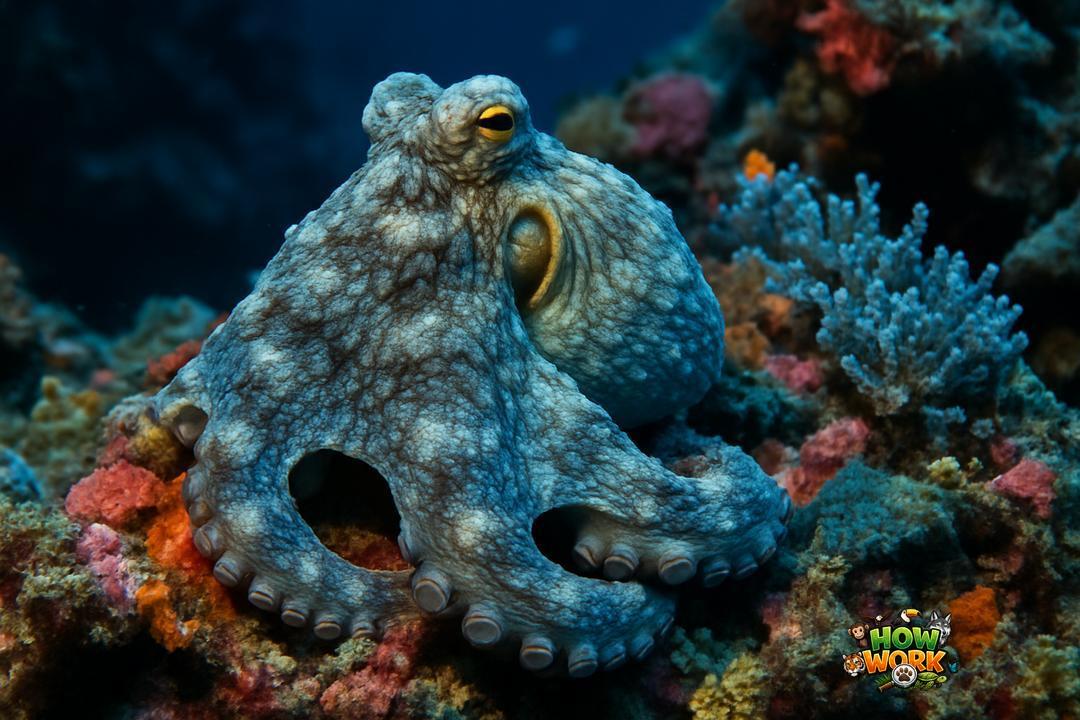
Imagine walking into a crowded room wearing a perfect disguise, no one notices you slip by. Now picture that, but it’s in the ocean, where survival depends on staying hidden from predators and prey. Marine camouflage is that ultimate underwater disguise, and both animals and humans have mastered the craft in some astonishing ways.
For sea creatures, blending in is more than a clever trick. Countless species like octopuses, cuttlefish, and flounders have evolved complex color-changing abilities and skin textures to melt into reefs, sand, or open water. Even the U.S. Marine Corps has taken inspiration from the ocean, developing MARPAT, a patented digital pattern designed for maximum stealth above and below water. This marine camouflage isn’t just about colors; it’s a life-or-death adaptation, with recent advances even incorporating smart fabrics and thermal reduction.
Most articles stop at pretty pictures or quick definitions. They rarely explore why camouflage sometimes fails, or how technology is now closing the gap between animal instinct and human innovation. You’re left wondering, what really works, and where does fantasy end and reality begin?
This article pulls back the “seaweed curtain.” You’ll find scientific insights, practical explanations, and fascinating stories, from octopus tricks to military breakthroughs, showing exactly how camouflage helps both ocean dwellers and humans thrive. Ready to see through the world’s best disguises?
How marine camouflage revolutionized survival underwater
Marine camouflage is the secret weapon for survival underwater. It lets creatures and even humans hide, hunt, and thrive in places where the visible are quickly caught.
Key principles of aquatic camouflage
The core trick behind underwater camouflage is blending in. Fish and sea creatures often use color-matching abilities to vanish against sand, coral, or rocks. This helps them dodge hungry predators or sneak up on food.
Mimicry in nature is another game-changer, shapes and textures can match surroundings perfectly. Octopuses use color-changing skin and flexible bodies to transform in seconds, going from spotted to striped, smooth to rough. These rapid changes mean an octopus can look like seaweed one moment and a rock the next.
If you want to see these principles in action, watch videos of cuttlefish, their skin shifts like underwater screensavers. For any aquatic pet owners, adding rocks or colored backgrounds in tanks supports these natural behaviors.
Examples from marine life and military
Nature invented disguise, but humans copied it for survival too. The stonefish is almost invisible as it lounges on sea beds, turning patience into the ultimate survival advantage.
The military took notes. Patterns like MARPAT, a digital camo used by the U.S. Marine Corps, are inspired by ocean camouflage tricks. These digital camo patterns use small shapes and shades to break up silhouettes, helping Marines blend in, not stand out.
Modern tech is going even further. Some military projects test electromagnetic aquatic camouflage, which could even hide submarines by reducing water drag and erasing their wake. If you’ve ever worn patterned swim gear or changed a tank’s décor to match your fish, you’re applying the same principles, just without the life-or-death stakes.
The science behind blending in: patterns, colors, and textures
The science of blending in isn’t magic, it’s a mix of biology, light, and brain tricks. Both animals and people use patterns, colors, and textures to slip past watchful eyes. This is all about fooling perception and making the viewer see something ordinary instead of a hidden threat.
Adaptive camouflage in animals
Animals use adaptive camouflage to survive. Cephalopods like octopuses change both color and skin texture in seconds, copying nearby rocks or coral to hide from predators and sneak up on prey.
It’s not just about color. Texture mimicry makes their skin look rough, bumpy, or totally smooth, whatever matches the background.
Watching octopuses in action shows nature’s best adaptive tricks. If you keep colorful aquatic pets, providing textured backgrounds or hiding spots helps express their natural behaviors.
How military tech imitates nature
Modern military camouflage copies animal tricks. New “smart skins” can shift their own color and feel, inspired by what cephalopods do every day.
Stanford researchers in 2026 created a special material that changes both color and pattern instantly, it even works for robots. Military designs use these ideas to break up shapes, making people or machines nearly invisible against complex terrain.
The science behind this involves what experts call pattern perception, tiny “textons” in a texture fool our eyes and brains. Want to try this at home? Choose clothes or backgrounds with blended colors and mixed textures, you’ll stand out less, just like marine masters of disguise.
Iconic masters of disguise: animal champions of the ocean
Some animals are nature’s real-life shape-shifters. The ocean is home to disguise experts that vanish in plain sight or pretend to be something else. Here’s how the best do it.
Cuttlefish and octopus tricks
Cephalopods lead the league in ocean camouflage. Cuttlefish and octopuses perform rapid color changes, pattern mimicry, and texture shifts to blend in with almost any surface.
Cuttlefish have even been filmed copying chessboard patterns while swimming. The brush-tipped octopus can look just like a crab, down to mimicking algae on its body.
Strangest of all, octopuses are colorblind, but their blending abilities are still a scientific mystery. If you care for pet octopuses or cuttlefish, give them objects and backgrounds with different colors and textures to encourage these natural skills.
Other remarkable species
It’s not just cephalopods that bend the rules of sight. The mimic octopus can impersonate flatfish, jellyfish, or even sea snakes to scare off predators.
The argonaut was once mistaken for a floating snail, thanks to its clever drifting disguise. Many of these animals combine intelligent behavior and jet propulsion camouflage, making speed and deception their best defense.
For those with marine tanks, use creative hiding places. These ocean champions thrive on changing scenery.
Military marine camouflage: From MARPAT to new innovations
Military camouflage changes as quickly as the battlefield. MARPAT didn’t just copy nature, it started a new trend, pushing technology, tactics, and even the way soldiers stand out or disappear.
History and development of MARPAT
MARPAT’s launch in 2002 made digital patterns standard issue. The pattern came from Canada’s CADPAT and replaced older woodland and desert uniforms for the US Marines.
Full adoption wrapped up a year early, by 2004. MARPAT was one of the first digital camouflage patterns issued worldwide.
Patent and unique features
MARPAT is the only U.S. military camo officially patented. It was patented by the US Marine Corps in 2001, a rare move in uniform history.
Its pixelated “visual noise” breaks up a Marine’s outline at every distance. Look for the small Eagle, Globe, and Anchor (EGA) emblem and “USMC” stitched right in, that’s how you spot a genuine MARPAT uniform.
Next-gen smart camouflage tech
Camouflage is always evolving. Now, militaries are testing smart materials that could change color on command or adapt to different terrains by reading sensors.
While these new fabrics aren’t on soldiers yet, many believe adaptive camo with electronic features is just around the corner. Like MARPAT, these tech upgrades are inspired directly by animal masters of disguise, think color-changing cuttlefish, only on fabric.
Does camouflage always work? Surprising limitations and real threats
Camouflage might look perfect, but it’s not foolproof. Real threats and natural limits can expose even the best disguise. Here’s why mastery isn’t always enough.
When camouflage fails
Camouflage fails most when the environment or animal moves. Changes in habitat, like pollution or new species, make it harder to stay hidden.
Even perfect patterns can’t hide animals if they move suddenly. Some predators use sharp hearing or smell, making visual camouflage useless. For pet owners, remember sudden tank changes or loud noises may stress and expose hidden creatures.
Predation and detection challenges
Camouflage lowers risk but isn’t a sure thing. Scientists list at least 16 different camouflage strategies, but their success depends on the situation.
A moth can still get caught if its pattern doesn’t match the new bark. Marine animals like octopus switch their look fast, but a predator using sonar or scent might spot them anyway.
Practical tip: mix hiding places in tanks and avoid making big changes at once. Even the ultimate disguise works best when paired with smart, quiet behavior.
Lessons from the ocean: Adapting natural camouflage to human tech
Nature isn’t just a model, it’s an engineer. By copying tricks from the ocean, scientists have designed better technology, stronger materials, and smarter medicine. Let’s see how the water’s top camouflage artists inspire real breakthroughs.
Biomimicry breakthroughs
Ocean animals sparked a wave of new inventions. Scientists made adaptive artificial skin by mimicking cephalopod color cells. Chromatophore-based coatings shift color on command, just like octopuses or cuttlefish.
Whale fins led to whale-inspired turbines that make 20% more power. Mantis shrimp shells gave us tough, light materials. Even deep-sea sponges helped build skyscrapers with 20% more strength.
Janine Benyus says, “Biomimicry is learning from and then emulating natural forms.” If you’re a student or inventor, study sea creatures for your next idea.
Field-tested results
Ocean-inspired tech isn’t just for the lab, it works in real life. Wind turbines with whale bumps are now quieter and stronger. Hagfish bulletproof threads protect soldiers and police.
New aquaporin water filters, based on diatoms, help fight water scarcity. Octopus-inspired robots now do delicate surgery or tricky tasks underwater.
Here’s a wild stat: medicines from the sea are four times more likely than land drugs to work. The ocean’s disguise tricks are now helping save lives, with science as the ultimate copycat.
Why marine camouflage will always fascinate scientists and storytellers
Marine camouflage will always inspire curiosity because it is nature’s ultimate invisibility trick, outsmarting both predators and human science. These strategies, from polarized reflection in fish to color-shifting cephalopods and glowing bioluminescent animals, reveal survival at its most clever and mysterious.
Scientists are fascinated because ocean camouflage solves real technical puzzles. For example, open-ocean fish like the lookdown direct light using tiny platelets, outperforming a mirror’s disguise at tough “chase angles.” Cephalopods, such as cuttlefish, control chromatophores to match sand or coral in seconds. Deep-sea jellyfish can become truly invisible with transparency, while others use precise bioluminescence to hide or signal in total darkness.
This field links biology with art, visual psychology, and even biotech. Scripps Oceanography recently made xanthommatin, the same pigment that lets octopuses vanish, in a lab. That means marine camouflage isn’t just beautiful, it’s opening new doors for science and materials.
For storytellers and educators, these hidden dramas spark big questions: How does a colorblind octopus blend in? Why do so many deep-sea tales focus on creatures you rarely see? Conservation groups like Tales For Gaia turn these mysteries into stories that teach ocean literacy. If you want to fascinate family or students, dive into these real-world marvels: they’re proof that nature can still amaze us, and sometimes, even teach technology a thing or two.