
Marine Migrations: The Longest and Hardest Underwater Journeys
Marine migrations fascinate with epic distances and wild survival stories. Explore how ocean animals navigate, adapt, and face modern threats.
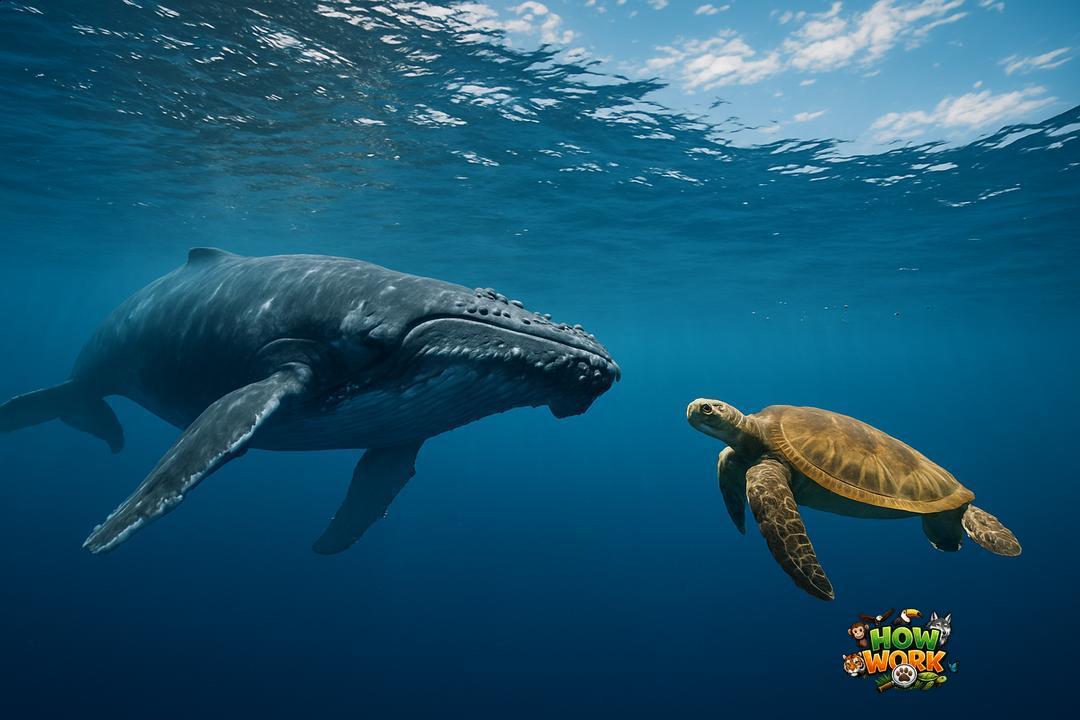
Imagine swimming 5,000 miles just for dinner, or braving subzero currents every year just to raise a family. While most of us dream of distant road trips, the ocean’s greatest travelers are already on the move, embarking on epic journeys that stretch the limits of sense and survival.
Behind every great underwater adventure are marine migrations: those vast, seasonal treks millions of fish, whales, turtles, and even plankton make across the blue wilderness. These migrations aren’t just mind-blowing for their distances, think Arctic terns circling half the globe or humpbacks navigating by song, but also for their critical roles in the balance of our planet’s ecosystems. Researchers highlight that diel vertical migration by tiny plankton, moving up and down the ocean daily, is now seen as key for carbon cycling. Meanwhile, humans create new threats every year, from ghost fishing gear to doubled Arctic shipping lanes, putting ancient migratory routes at risk.
Most articles give you a list of incredible distances and a few fun facts. What they miss is how these journeys work, why they matter for everyone (not just ocean scientists), and what new efforts and tech are reshaping the future of migration for animals and people alike.
This guide dives deeper. We’ll break down the real reasons marine animals migrate, reveal record-breaking species, and explore both the science and the threats behind their routes. You’ll also uncover how migration impacts everything from your local climate to the global food web, and what actions actually make a difference. Ready to see the ocean differently?
Why do marine animals migrate? Unpacking the drivers
Marine animals migrate for survival. Every journey is about searching for food, finding safe places to breed, or escaping danger. This pattern holds true for whales, turtles, fish, and even tiny plankton.
Seasonal food searches
Food is the main driver for many migrations. Oceans change with the seasons, and so do the feeding grounds. Magellanic penguins swim from the cold Patagonian coast to warmer waters off Brazil every year, following schools of fish between May and October. As ocean temperatures shift, up by about 0.13°C per decade since 1970, some food-rich zones move even farther, pushing animals to travel longer distances. If you want to see this in action, watch for local reports of whales and dolphins near coastlines, they’re often following the food.
Breeding grounds and reproduction
Safe breeding grounds are essential. Humpback whales make epic journeys, swimming from Antarctica’s icy waters to the warmer coasts of Brazil to mate and give birth. Fish often migrate to special spots called “nursery grounds” where eggs and young can grow with fewer threats. For some animals, the need to reproduce in these places means traveling thousands of miles each year. Conservation groups sometimes post updates when whales arrive in breeding areas, great times to learn and even spot these animals safely.
Predator avoidance in the open sea
Some animals migrate to evade predators. Zooplankton like krill and copepods make daily trips up and down the water column. At night, they rise close to the surface to feed, then sink during the day, hiding from fish and seabirds that hunt by sight. This “vertical migration” also helps the planet by moving nutrients and carbon down into deeper water. Even the smallest migrants play a huge role in ocean health. Reducing light pollution near coasts and supporting protected areas can help these migration patterns stay healthy.
Underwater champions: Record-breaking migrations and the species behind them
Some marine animals are true migration legends. Their journeys cross oceans and break distance records, revealing just how determined ocean life can be.
Longest documented journeys
The title for longest swim ever goes to a male humpback whale. In a single journey, he traveled 15,100 km (9,384 miles) between Australia and Brazil. That’s about the same as swimming from Sydney to London. Most humpback migrations are still impressive, often over 8,000 km. Keep an eye out for news during migration seasons; whale-watching tours sometimes spot travelers making these marathon swims.
Iconic migrators: whales, turtles, sharks
Some species are famous for their epic migrations. Whales lead the pack, but turtles and hammerhead sharks also travel thousands of miles, sometimes crossing multiple oceans to breed or feed. Hammerhead sharks head to special breeding areas. Watch for conservation updates, many organizations track tagged animals online so you can follow migrations in real time.
Lesser-known marathon travelers
Freshwater fish and other hidden marathoners make vital journeys, too. As many as 325 migratory freshwater fish species are now at risk of disappearing, with their populations dropping by 80% since 1970. These trips are crucial for river health and even human food. Learning about local fish migrations can be a great way for communities to support river protection and healthy oceans.
Navigation secrets: How do marine animals find their way?
How do marine animals cross the open sea without getting lost? They use a mix of senses, the Earth’s magnetic field, and even learned memories to find their way.
Magnetic fields and navigation
Many sea animals have an internal GPS. Sharks, turtles, and whales use the Earth’s magnetic field to travel huge distances. This ability, “magnetoreception”, works like a compass and a map. For example, sharks create a “magnetic map” by learning from the places they visit. Expert Bryan Keller explains, “Sharks have a sense similar to a map.” Tracking and protecting migration routes can help keep these amazing journeys safe.
Senses and ocean cues
Navigators rely on more than magnetism. Marine life also uses sun position, water currents, temperature, and even smells from home beaches. Turtles, for instance, perform a “dance” in the water to recognize magnetic cues. Paying attention to how clean and healthy oceans are can help keep these natural guides reliable for animals.
Case studies: scientific research unveils mysteries
Recent studies reveal new secrets every year. In 2023, a research team showed that breadcrumb sharks use the Earth’s field as a map, not just a compass. In 2024, scientists proved turtles can learn and remember magnetic coordinates, a true sign of learned navigation. Many migrators are tracked through tiny tags, letting scientists and everyday people see exactly where these travels take place online.
Invisible highways and dangers: Human impacts on migration routes
Invisible highways in the ocean help marine animals travel, but humans are making these routes more dangerous. Our activities, like shipping and fishing, create real risks for all kinds of migrating species.
Shipping and sound pollution
Shipping noise disrupts marine migrations. More ships travel through sensitive ocean areas every year. Their engines create underwater noise that can confuse animals using sound to find their way. Supporting efforts to reduce ocean noise, like slower ship speeds or protected migration corridors, can help animals stay on course.
Lost fishing gear and ‘ghost gear’
Lost fishing nets are deadly for ocean life. Abandoned gear, known as “ghost gear,” traps and kills countless animals along migration paths. These nets keep catching even after fishers are gone. Volunteers sometimes join cleanups to remove ghost gear, helping marine life survive the journey.
Blue corridors: new conservation approaches
Blue corridors offer hope for ocean travelers. Conservationists are pushing for protected “blue corridors”, safe migration paths for whales, turtles, and more. These areas are designed to reduce human impact and let animals cross oceans safely. Supporting ocean-friendly policies and sharing what you learn can make a difference for these invisible travelers.
Migrations that shape the planet: Ecological roles and surprising discoveries
Most migrations do more than move animals from place to place. They drive planet-shaping processes, feed other creatures, and teach scientists new things every year.
Diel vertical migration and the carbon cycle
Diel vertical migration is the world’s biggest animal movement. Trillions of zooplankton swim up and down the water column every night. This “living elevator” moves about 10 billion tons of ocean mass daily. As zooplankton rise and sink, they pump carbon deep into the ocean where it can be stored for centuries. Supporting research on these tiny animals helps us understand and fight climate change.
Food webs and global impacts
Migrations power global food webs. When animals move, they move energy and nutrients across oceans. This helps fish populations stay healthy and supports food for both wildlife and people. Protecting migratory paths keeps these links in the food chain strong for marine life and humans alike.
Recent technology and mapping breakthroughs
Scientists now map migrations like never before. By tracking hydrogen in insect wings or fitting animals with tags, researchers are revealing hidden journeys and triggers, like a certain temperature sparking mass movements. These tools help predict ecological changes and create new ways to protect at-risk species. Try following real-time migration maps online for a new view of ocean life on the move!
What these epic journeys teach us, and why your awareness matters
Epic migrations teach us about transformation, survival, and the value of facing challenges in nature. These long journeys aren’t just impressive, they show how adapting to hardship creates stronger animals and ecosystems.
Some researchers say, “An Epic Journey is a powerful phrase that encapsulates adventure, challenge, and transformation.” Following these animal travelers, whether online or in person, opens up awe and respect for oceans and all who depend on them. For example, expert-run journeys tracking whales or sea turtles highlight how lifecycles and habitats connect across continents and generations.
A growing number of conservation projects are modeled after these journeys, building “epic families” of scientists and ocean lovers who care deeply about the wild. There’s evidence that reflecting on these epic migrations helps us appreciate what’s at stake, our own connection to wilderness and global environmental health. Supporting these causes, even just by sharing accurate facts or following migration updates, helps create real change.
The bottom line: Raising your awareness and curiosity isn’t just good for animals. It builds a wider understanding of how all life is linked, and pushes you to be part of the solution, no matter where you start.