Microchipping and ID Tags: The Best Ways to Keep Your Pet Safe
Microchipping pets is the safest way to ensure your furry friend gets home. Learn the facts and smartest steps every owner should know.
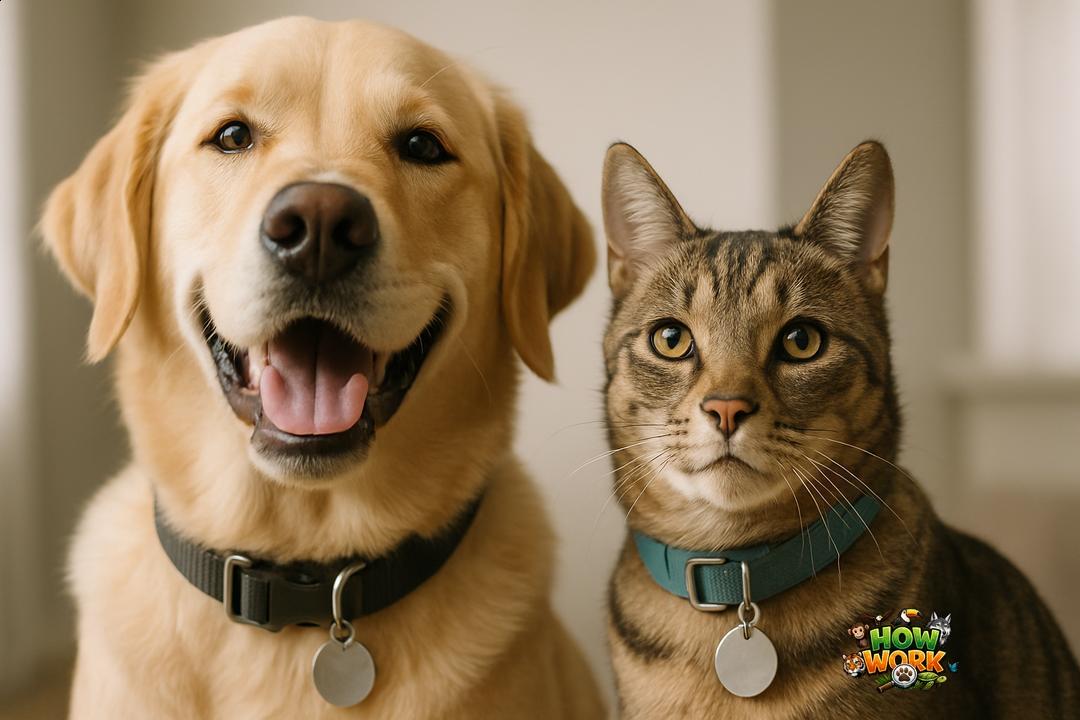
Imagine your dog bolting after a squirrel or your cat sneaking out when the door is left ajar. It happens in a heartbeat, and suddenly, your world revolves around getting them back home safe. For countless pet owners, that moment of panic is all too real.
Lost pets are a growing concern among families and animal lovers. Research shows that a combination of visible ID tags and microchipping pets dramatically improves the odds of a happy reunion. Yet, not every owner knows about the practical details, or about new data suggesting over 70% of microchipped pets find their way home compared to fewer than 25% without chips.
Many well-meaning owners rely on collars alone or skip registering the microchip, missing essential steps. Quick fixes, outdated info, or one-size-fits-all advice can leave gaps in your pet’s safety net.
This article puts you in the driver’s seat. You’ll get the straight facts on how microchips work, what they can, and can’t, do, and why layering your approach makes all the difference. Ready for practical steps, proven tips, and real-life perspective? Let’s make sure your best friend always finds the way home.
Why microchipping matters for modern pet safety
Every pet owner worries about a lost animal. But what really keeps pets safer? Microchipping changes the numbers for the better.
How often pets go missing
Millions of pets go missing each year. Stray pets end up in shelters daily. Many are never reunited because tags fall off, or collars snap during play or escape.
Microchips offer a permanent ID solution that local laws increasingly require in high-risk cities. In places like Presidente Prudente, microchipping isn’t a nice-to-have, it’s the law. Many pets run away in storms, get lost during moves, or are stolen. If they’re chipped, shelters can scan for an ID and help them get home faster.
Practical tip: Check your chip registration each time you move or change your phone number. That tiny step can mean everything.
Real-life reunion stories
Microchipping creates real-life miracles. While we can’t name specific pets here, animal shelters around the world tell hundreds of stories where lost dogs and cats are quickly returned, sometimes even after years, because a scanner beeped on a microchip.
One shelter described reuniting a stolen dog with its family in minutes, just by calling the number tied to the chip. These moments would be nearly impossible if the pet only wore a tag that slipped off.
Action step: Make sure your chip’s info stays current. It only works if someone can reach you.
Microchipping vs traditional tags
Both ID tags and microchips play vital roles. But tags break, fade, or get removed. A microchip, about the size of a grain of rice, stays with your pet for life, lasting up to 25 years and recognized as legal proof of ownership in many places.
For the ultimate safety, use both. Tag your pet with your contact info, but also chip, and register, them. That way, if the tag vanishes, your pet’s identity is safe under the skin.
Quick tip: Add a “I’m microchipped” tag to your pet’s collar. It reassures whoever finds your pet that help is just a scan away.
How microchipping actually works (and what it does not do)
Ever wonder what’s really inside your pet’s microchip? Let’s break down the science, and clear up some myths about what these tiny devices can do (and can’t do).
Microchip technology explained
A microchip is a passive RFID chip, about the size of a grain of rice. It sits under your pet’s skin, usually between the shoulder blades. The chip has no battery and stays inactive until a vet or shelter waves a special scanner over it.
That scanner sends out radio waves. When the chip “wakes up,” it sends back a unique ID number. The chip itself is encased in biocompatible glass, safe for your pet to carry for life.
Tip: Ask your vet what brand and frequency your pet’s chip uses, so you know which scanners work best for you.
The scanning and registration process
Registration is essential for the microchip to do its job. A vet injects the chip with a needle, no surgery or anesthesia needed.
When a shelter finds a lost pet, they scan the chip to get the ID number. Staff check that number in a registry, which is usually specific to the chip’s maker. In the US, there’s no single, central database, so making sure your details are updated with the right company is extra important.
Practical step: Each year (like at vaccine time), double-check and update your registration details. It only takes a minute!
Debunking GPS and tracking myths
No GPS tracking, that’s the biggest myth about pet microchips. The chip stores only your pet’s unique number. It can’t be used to find your pet’s location or track them in real time.
Think of the chip as a permanent backup. If your pet’s collar or tag is lost, the chip is still there, ready to identify your pet if scanned. Experts remind us: “Chips only store an ID number.” For quick returns, always use a collar with your phone number too.
Step-by-step: What to expect during a microchipping procedure
Worried about what happens when your pet gets microchipped? Here’s what you (and your furry friend) can really expect.
Does it hurt? Pain and safety concerns
Most pets barely notice microchipping. The quick pinch from the needle feels much like a vaccine or blood draw. Sedation is not needed, and the whole thing is done in minutes.
Experts say adverse reactions are rare. The most common minor issue is that a chip may migrate a little under the skin, but major problems are extremely uncommon. Recent research shows no cancer link; the benefits far outweigh the slight risk.
Tip: Give your pet a treat and extra affection so they associate vet visits with good things!
Frequency of procedures and checks
Microchipping is a one-time procedure, your pet only needs it once in their life. But an annual scan is a smart habit, often done during regular checkups.
Yearly scans make sure the chip still works and is easy to find. Use that time to double-check your registration info, too.
Costs and where to get it done
Microchipping typically costs between $25 and $50. Most vet clinics and animal shelters offer this service. Sometimes (especially during adoption events), it might even be free or discounted.
Pro tip: Always ask if registration is included in your payment, or if you’ll need to do it separately with the chip maker.
Maximizing safety: The case for ID tags and other redundancies
Want to make sure your pet always finds their way home? The smartest approach is layering safety, mix tags, chips, and tech for backup.
Why ID tags still matter
Visible ID tags get your pet home fastest. Anyone who finds your dog or cat can quickly call, text, or contact you straight from the tag. Unlike a microchip, no scanner or stranger’s trip to a shelter is required.
ID tags can also share important safety info, like if your pet needs medicine or has allergies. Experts note that instant data access on a tag can save valuable time and even lives.
Pro tip: Use a tag that’s durable and clear, scratches and fading make numbers hard to read.
Technology backup: QR and GPS collars
QR and GPS collars take safety further. A QR tag can link to a web page with your pet’s photo, medical needs, and emergency contacts. GPS collars mean you can see your pet’s live location from your phone, great for dogs that tend to roam or run away.
Remember: GPS collars need to be charged and can be pricey, but add a strong layer of security.
Actionable tip: If you use GPS or QR, check that batteries and info are current every month.
Tips for up-to-date contact info
Your contact info should always be updated, on the tag and in the chip registry! After any move or phone number change, make pet ID updates part of your moving checklist.
Set a phone calendar reminder to double-check your info twice a year. That simple step keeps every layer of protection working the way it should.
Risks, misconceptions, and responsible ownership
Microchips are powerful tools, but using them wisely, and knowing their limits, is part of truly caring for your pet. Here’s what every responsible owner should know.
Side effects and rare complications
Microchip complications are extremely rare. Some pets might have mild swelling for a day or two, but serious side effects are very uncommon. According to recent research, there’s no link between microchips and major health risks.
Responsible pet care means also keeping pets inside, vaccinating, deworming, and never giving medicine without a vet’s okay.
What microchips can’t prevent
Microchips can’t prevent disease or injury. They don’t protect against parasites, virus spread, or street accidents. Your pet still needs regular checkups, vaccines, and a safe environment.
For example, microchips don’t stop zoonoses like toxoplasmosis or prevent injuries from things like chicken bones. Think of chips as an ID card, not a shield.
International travel and legal protection
A microchip is often required for travel. Many countries need a registered chip as proof that your pet belongs to you. This is especially important if your pet gets lost or is involved in a legal dispute, your chip is your proof of ownership.
Remember: true responsible owner habits mean staying up-to-date on laws, health care, and never assuming technology can replace hands-on care.
The bottom line: Giving your pet every chance to get home
Giving your pet every chance to get home means using layered safety steps. That means a visible tag, an up-to-date microchip, and your current contact info always on file. No system alone is perfect, but together, they make a powerful team.
Being a responsible pet owner is a lifelong responsibility. Research shows that pets have the best outcomes when owners stay involved, even if they ever need to find a new family for their pet. Always check references and meet new adopters in person. Posting a notice at your local vet’s office or asking a trusted friend to foster can help provide a second chance for pets who need it.
Avoid shortcuts like “free to a good home” ads, these increase risk for your pet. Instead, combine ID tags, microchips, and backup contacts. Remember, keeping your tag and microchip information updated is an easy habit that can save heartbreak later.
The bottom line: every smart, simple move you make today gives your best friend the greatest chance of coming home if they ever get lost.