
Nudibranchs: Meet the Colorful and Toxic Sea Slugs of the Deep
Nudibranchs wow with electric colors and wild survival skills. Discover their secrets, dangers, and why ocean lovers can’t get enough.
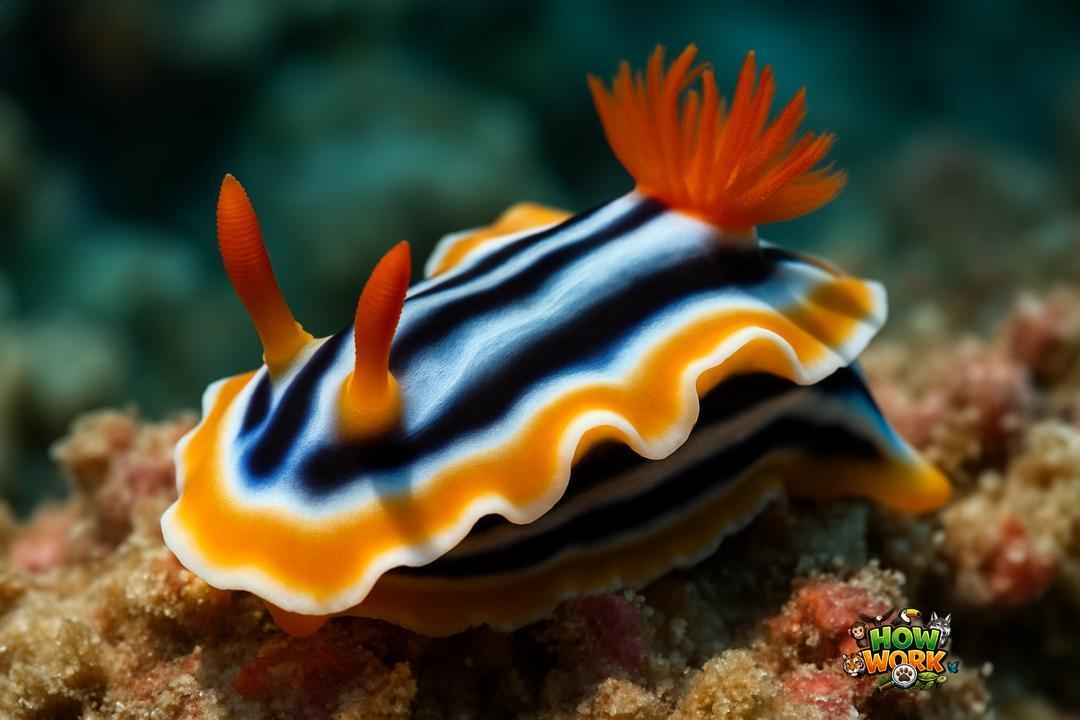
Imagine a creature that looks more like a psychedelic art project than an animal, now picture that it lives on the ocean floor. That’s the world of nudibranchs, and it isn’t just for divers or biologists. If you enjoy nature’s oddities, these sea slugs redefine what’s possible in the animal kingdom.
Why does this matter? With over 3,000 species and dazzling colors, nudibranchs inspire both ocean lovers and scientists. They act as vital barometers for reef health. Some species even thrive in the deepest, harshest environments, while others have evolved “superpowers” like harvesting solar energy from algae or recycling toxins as defense. The fascination is real, from their survival tricks to their role in keeping oceans in check.
The problem? Most articles just skim over “nudibranch = colorful sea slug, neat!” and don’t explain what makes them unique. Or worse, they offer a list of fun facts but skimp on context, leaving a gap between weird trivia and genuinely useful knowledge for enthusiasts or would-be nudibranch spotters.
This guide changes that. Dive in with us to discover the coloring secrets, toxic abilities, bizarre behaviors, and new discoveries that set nudibranchs apart, not just as a curiosity, but as a window into ocean health and resilience. Whether you’re a diver, photographer, or just animal-curious, this is your backstage pass to the wildest show in the sea.
What exactly are nudibranchs?
Want to know what those bright, jelly-like creatures in ocean photos really are? Meet the nudibranchs. They’re more than just pretty faces, they’re nature’s wild side, up close.
Types and main features
Nudibranchs are shell-less sea slugs with soft bodies and lots of personality. Forget the boring gray slugs in your garden; these are the ocean’s living rainbows, showing off every color imaginable. Scientists recognize over 3,000 species, with two main types: dorids and aeolids. Both have unique gills, special tentacles called rhinophores (like tiny noses for smell), and fascinating ways to survive. Unlike snails, they lose their shells as they grow, leaving soft, exposed skin. Many steal toxins or stinging cells from their prey, think “eat your enemy, wear their weapon.” Spotting a nudibranch in the wild is a real treat for divers and tidepoolers.
How big do they get?
Nudibranchs range from tiny to 12 inches or more. Most are about 3–5 cm (just over an inch), so you’d need sharp eyes to find them. But superstars like the Spanish Dancer can reach an impressive 40–45 cm, longer than some people’s forearms! That means sizes can surprise, even on the same reef. The next time you’re exploring rocky tidepools or coral walls, keep an eye out for both the tiny jewels and the gentle giants.
Where are nudibranchs found?
Nudibranchs are found worldwide, from icy polar seas to warm tropical reefs. They live in shallow waters, rocky shores, coral reefs, and even at depths over 2,500 meters. The brightest are usually in tropical spots, but there’s a good chance to spot one if you get under the waves almost anywhere. Snorkelers and scuba divers often report the best encounters, so try exploring your local coastline or joining a guided wildlife dive for a glimpse.
Nature’s palette: The science and strategy behind their colors
Ever wondered why nudibranchs are the show-offs of the sea? Their colors aren’t just eye candy, they’re vital signals for life in a tough ocean world.
How do nudibranchs get their colors?
Nudibranchs’ colors come not from pigments, but from tiny guanine crystals stacked in layers in their skin. These crystals act like thousands of miniature pixels, scattering light in different ways to create every bold hue and soft matte shade you see. They can build colors across the rainbow, all without the classic paintbox. Scientists were surprised to discover just how many colors nudibranchs can make from a single ingredient. So, those glossy blues or fiery oranges you spot are pure optical magic. Next time you see one, use a magnifying glass or macro lens to spot this dazzling detail.
Warning coloration and camouflage
Bright colors often serve as warning coloration. Some nudibranchs, like the red-spotted Chromodoris splendida, advertise their toxicity, if a fish bites, it regrets it. Others use mimicry and camouflage to dodge danger entirely. The Spanish Dancer may hide toxins in its eggs, gaining double protection. A clever trick: many nudibranchs eat venomous prey and recycle those stinging cells for their own defense, making any would-be predator face a very bad meal. Want to try spotting camouflaged nudibranchs? Look carefully at sponges and seaweeds, they’re masters at blending in.
Toxic talents: Defense mechanisms and what they eat
Toxic? Yes. Dangerous attackers? Not exactly. Nudibranchs have tricks that work quietly behind the scenes, helping them stay off the menu in a tough underwater world.
Venoms, toxins, and how they’re used
Nudibranchs are not venomous. They don’t inject venom or sting like jellyfish. Instead, they store toxins from their food and use this as a poisonous defense if something tries to eat them. For example, Chromodoris magnifica keeps sponge toxins in its tissues. That makes it a bad snack for fish. Here’s the expert rule: “Venoms are actively applied for prey and defense; poisons are passive and defensive.” So, nudibranchs use ‘poisons’, not ‘venom’, to stay safe. If you watch predators avoid these flashy slugs, you’re seeing chemical armor in action.
Diet and prey: The nudibranch menu
Nudibranchs eat sponges and hydroids most of the time. Some experiment with algae or sea anemones. The key? They pick foods loaded with toxins, much like someone choosing only spicy peppers from a buffet. These toxins get recycled into the nudibranch’s own defense. If you’re searching for nudibranchs while diving, look around sponge gardens or hydroid forests, you’ll likely find these ‘toxic collectors’ lurking nearby.
Unusual behaviors: Superpowers and reproduction
When we say nudibranchs have “superpowers,” we’re really talking about how evolution gave them a few extraordinary tricks to survive, no comic-book magic required.
Hermaphroditism and reproduction
Nudibranchs are hermaphrodites, meaning each one has both male and female reproductive organs. When two meet, they share sperm to fertilize eggs, giving both a chance to lay hundreds of spiral-shaped egg ribbons. This strategy helps them make the most of every encounter. Snorkelers and divers might spot these intricate egg spirals on rocks or coral, a sign nudibranchs have been busy nearby.
Superhero traits: Stealing toxins and solar power
Some nudibranchs steal toxins by eating venomous prey and storing those chemicals in their own bodies. A few even borrow stinging cells from jellyfish relatives, making predators think twice before snacking. Symbolic “solar power” isn’t fiction: certain species house algae in their tissues, letting them gain a burst of energy from sunlight. That’s efficiency any animal could envy. Curious about these behaviors? Look for nudibranchs on sunlit patches where their colors seem brightest.
Regeneration and autotomy
Nudibranchs can regenerate lost body parts in some cases, such as growing back damaged cerata (their finger-like extensions). Some even drop these appendages, like a lizard loses its tail, to escape danger. While not as rapid as some comic-book creatures, this trick helps nudibranchs survive after rough encounters. The next time you spot a “battle-scarred” nudibranch, you might be witnessing nature’s slow-motion superpower at work.
What nudibranchs reveal about ocean health and discovery
Nudibranchs are ocean health indicators. Their abundance, diversity, and shifting ranges reveal how our seas are changing, sometimes faster than science can keep up.
With over 3,000 species known and new ones still being found (as recently as December 2024!), nudibranchs give scientists a front row seat to nature’s hidden stories. Their short lifespans and reliance on specific food make them highly sensitive to pollution, warming, or habitat loss. In places like the Philippines or Australia, shifting nudibranch populations have marked changes in ocean temperatures and water quality. For example, more than 60 species now live farther south in Australia than ever before, tracking ocean warming in real time.
Solar-powered species disappear where corals bleach, but others that eat algae may suddenly thrive on dead reefs. These changes help researchers spot trouble early and adjust conservation efforts. As Professor Smith put it, the “ongoing discovery of new species” shows just how much is left to learn. If you join a **wildlife survey** or citizen science dive, you might help discover the next big clue for ocean protection. Watching nudibranchs isn’t just a hobby, it’s a way to see the health of the sea, right before your eyes.