
Octopus Facts: The Most Intelligent Invertebrate
Octopus facts reveal a world of clever, curious creatures. Dive in for mind-blowing details, unique behaviors, and practical insight into these ocean wonders.
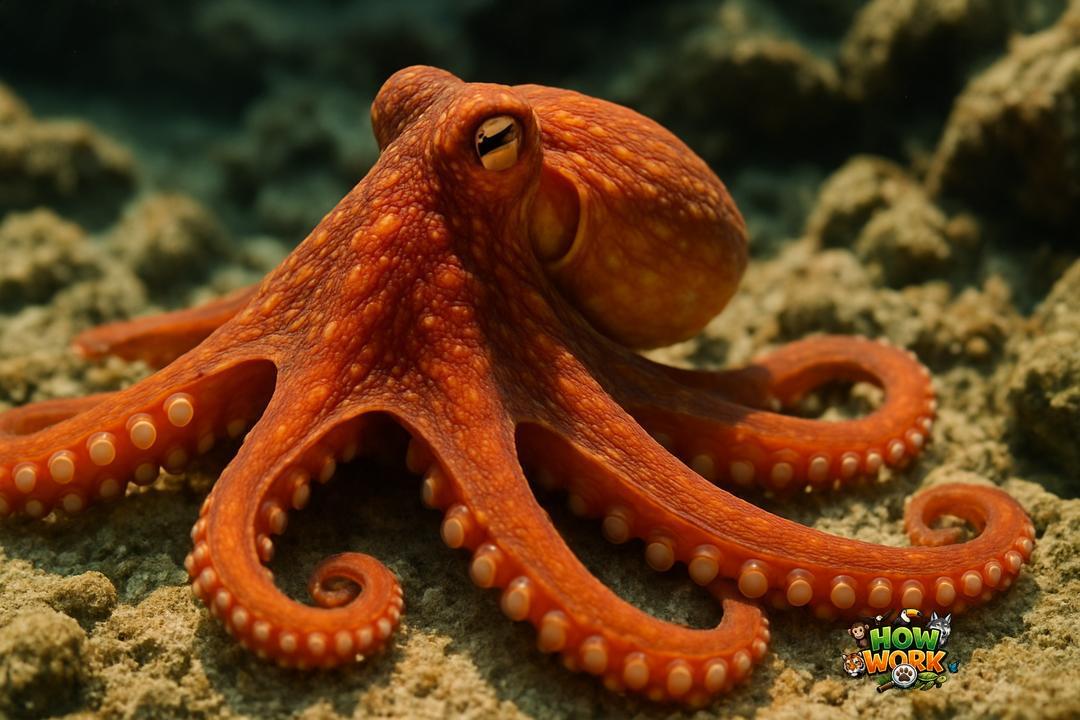
Ever wished you could instantly disappear or squeeze through impossible spaces? For the octopus, these are just everyday tricks in its undersea life.
Unlike most sea creatures, the octopus facts are almost stranger than fiction. Scientists marvel at their three hearts, shape-shifting bodies, and the brainpower that lets them solve puzzles most pets can’t. This has made the octopus the subject of curiosity and even awe, especially among animal lovers wanting to celebrate nature’s wildest minds.
The problem? Most articles about octopuses just list a few quirky traits and call it a day. They miss the deeper stories, their personal dramas, mind-bending abilities, and the real threats they face in a changing ocean.
In this guide, you’ll get the full picture: anatomy decoded, intelligence explained, surprising lifestyle differences, and urgent conservation insights. Ready for a deep dive into the world’s most misunderstood marine genius? Let’s explore the octopus like never before.
Octopus basics: anatomy, hearts, and arms
The octopus is like no other animal in the sea. With a body built for problem-solving and survival, it’s got more surprises than most science fiction.
Why do octopuses have three hearts?
Three hearts keep them alive in deep, cold water. Two hearts move blood across the gills for oxygen, and the third pumps it to the rest of the body.
Octopus blood is blue, not red, thanks to copper-rich hemocyanin. This makes oxygen delivery more efficient in cold or low-oxygen waters. When swimming fast, the heart that moves blood around the body stops. That’s why you’ll see octopuses crawl more than swim, they tire out quickly in full motion.
Fun fact: Their unique blood and hearts help them handle life in extreme environments, from chilly ocean floors to tide pools.
Functions of octopus arms and suckers
Each of the eight arms is a powerhouse, lined with up to over 2,000 suckers (for all eight combined) that help taste, touch, grip, and explore.
What’s truly wild? Each arm acts almost like it has a mind of its own, packed with nerve endings. In aquariums, octopuses can solve puzzles and even escape tanks using just their arms. Arms are strong and nimble enough to open jars, build dens, and catch prey, and if an arm is lost, it regrows in about four months.
Try this: Next time you see live footage of an octopus, watch how each arm does a different job, like a multitasking robot.
Beak and venom: surprising adaptations
Every octopus hides a powerful beak under its arms. Imagine a parrot’s sharp beak, but designed to crush crab shells and tear tough prey.
The beak, teaming up with a rough tongue (radula), lets octopuses eat a wide range of meals. Most species are also venomous, using venom to paralyze or subdue food. For pet owners or science fans: be careful with wild octopuses, as some species’ venom can be dangerous, even to humans.
This unbeatable combo of sharp beak and venom makes the octopus a top predator, despite its soft body. Now you know why nothing holds this creature back!
Where do octopuses live? Distribution and habitats
Octopuses are true world travelers. From shallow tropical reefs to chilly, pitch-black ocean depths, these animals turn almost any ocean zone into home.
Tropical reefs vs. deep-sea environments
Octopuses live in both sunlit reefs and the deep sea.
On colorful reefs, like in the Caribbean, species such as the Caribbean reef octopus get shelter and plenty of food just a few feet below the waves. The common octopus can be found from the shore down to around 650 feet, sticking close to rocky hiding spots.
But the deep sea isn’t empty. In 2023, scientists found four new deep-sea octopus species off Costa Rica, living near hydrothermal springs over a huge ocean area. These creatures survive with less competition, sometimes using bioluminescence as an edge to find food.
If you ever snorkel a tropical reef, look for octopus eyes peeking out from rocks or coral, their camo is world-class!
How octopuses use dens and hideouts
Octopuses pick dens to stay safe and hunt.
They love squeezing into rock crevices, old shells, and even trash, scientists have seen octopuses taking over glass bottles. These dens don’t just keep them hidden. Octopuses stash prey leftovers and even collect shiny objects for decoration.
Some, like the Maori octopus, go out at night to hunt and return before sunrise. If you ever spot an octopus lair in an aquarium, look for a pile of crab shells or odd treasures nearby. It’s their secret signature!
The octopus diet: carnivorous hunters
When it comes to dinner, octopuses don’t waste time with plants or seaweed. They want pure protein, and their hunting style is all about skill.
Favorite foods and hunting techniques
Octopuses are strict carnivores, with a big appetite for crabs and other crustaceans.
Research shows crustaceans can make up over 80% of their diet in some species. They also eat mollusks and fish when available. Most octopuses use their sensitive arms to feel around rocks for prey or ambush victims by hiding. If prey escapes, some species jet forward with surprising speed.
The common octopus likes reefs where its favorite meals hide, while deep-sea species, like the Dumbo octopus, eat worms and tiny snails. Fun fact: aquarium octopuses often get live crabs to keep them entertained and well-fed.
Unique digestive system features
The octopus digestive system is built for tough jobs.
Under their arms, they have a radula, a rough tongue covered in small teeth, and a salivary papilla. When faced with a hard clam or snail, the octopus uses the papilla and special saliva enzymes to drill tiny holes and dissolve the shell.
Some deep-sea species, like the Dumbo octopus, skip the drilling and just swallow their prey whole. When watching an octopus eat, look for the beak and watch how quickly they can get through even the hardest shells. That’s some serious seafood magic!
Octopus intelligence: the problem-solving cephalopod
Get ready to rethink what animals can do. Octopuses amaze scientists with a brainpower that rivals some mammals, and their wild tricks go beyond anything most pets can pull off.
Learning and memory: what science shows
Octopuses have remarkable learning and memory abilities.
About 500 million neurons power their brains, two-thirds of these are in the arms, letting each arm solve problems independently. Studies show octopuses can learn by watching others, remember mazes, and plan future moves, similar to skills seen in some birds and mammals.
Researchers discovered active intelligence genes and brain regions much like our own hippocampus. Dr. Alex Schnell calls cephalopods “highly developed learners,” able to tackle new challenges both in labs and in the wild.
Famous octopus problem-solving stories
Octopuses earn headlines for outsmarting obstacles.
In labs, they can unscrew jars, open latches, and remember how to solve complicated puzzles. The Giant Pacific Octopus named Baxter became famous for acing food tests. In the wild, species have been seen using coconut shells as tools and even escaping from aquarium tanks, sometimes squeezing through space as small as a coin!
Tip for the curious: If you’re ever near an octopus in an aquarium, watch closely, many will explore and test their tank’s limits in real time.
Defense and deception: camouflage and ink
Think hide-and-seek is just for kids? For the octopus, escape is a serious game, filled with color tricks and inky magic.
The science behind rapid color change
Octopuses change color in seconds to blend into their surroundings and fool both predators and prey.
They use tiny muscle-controlled sacs called chromatophores, along with papillae that can instantly create bumps or spikes, letting them match rocks, sand, or coral. One superstar, the Mimic Octopus, can copy over 15 sea creatures, even looking like a venomous lionfish or sea snake in a flash.
Octopuses can shift their color and shape nearly as fast as you blink. Next time you spot a video, watch for the skin’s quick switch, that’s their secret power in action.
How ink clouds confuse predators
When in danger, octopuses release inky decoys that look just like themselves.
This “smoke screen” gives them a running head start. The ink, packed with a chemical called tyrosinase, not only hides the octopus but can also sting a predator’s eyes and take out their sense of smell for a few seconds. As one expert puts it, “the ink cloud acts as a decoy, allowing the octopus to escape while the predator eyes the blob.”
Pro tip: Watch documentaries to see these inky escapes, each puff is a master class in ocean defense.
Life cycle: short lives, big impact
In the ocean, an octopus lives life on fast-forward. They grow quickly, dedicate everything to having young, and then vanish, leaving a new group of tiny survivors behind.
Mating behaviors and egg care
Most octopuses mate once and die soon after their eggs hatch. This strategy, called semelparity, means putting all resources into a single round of offspring.
A female may lay thousands or even hundreds of thousands of eggs. She guards them fiercely, staying with her clutch without eating for months. Some stories are incredible, the deep-sea Graneledone boreopacifica watched over eggs for 4.5 years, the record for any animal! Giant Pacific octopuses also watch their eggs for up to 7 months, showing endless patience.
If you keep octopuses or visit an aquarium, don’t be surprised to see mothers hiding away for weeks, fanning their eggs.
Why octopuses live fast and die young
Fast life cycles help octopus babies survive. Octopuses grow quickly, adapt to sudden changes (using a trick called RNA editing), and then die after reproduction, maximizing the chances for healthy, competitive offspring.
Scientists found octopus eggs can develop from 14°C to 24°C in just hours, giving hatchlings an edge in shifting waters. Even though it sounds sad, this cycle gives octopuses a powerful survival strategy in oceans full of hungry predators. The next time you watch baby octopuses hatch, you’re seeing nature’s big bet on the next generation.
Conservation and the future of octopuses
Saving octopuses isn’t just about curiosity, it’s about action. Their future depends both on wild luck and smart choices from humans.
Threats from habitat destruction and fishing
Overfishing and habitat loss are major threats to octopus survival. Catches have risen worldwide, even though overall cephalopod fisheries have declined since 2014.
Destructive fishing like bottom trawling destroys reefs and ocean beds, while bycatch, accidental capture, kills many octopuses not meant for market. Certain fisheries, such as those targeting the Patagonian red octopus, sometimes catch brooding females, hurting the next generation. Pollution from industry or farming further weakens their habitats, and climate change could shift octopus ranges by 2040.
One tip: Choose sustainable seafood and support marine protected areas to help reverse these losses.
What protects octopus populations?
Seasonal closures and protected areas help octopus numbers rebound. Measures like Territorial Use Rights in Fisheries (TURFs), temporary fishery closures, and enforcing marine parks are in place in some regions.
However, experts say real progress needs global teamwork, stricter catch limits, better identification of species, and public education. Every act of pollution reduction and every marine preserve makes a difference. Consider visiting marine parks or learning about your local fishery rules if you want to help keep octopuses in our oceans for the future.
Why octopuses keep amazing us: final thoughts for animal enthusiasts
Octopuses keep amazing us because of their alien intelligence and endless curiosity. These animals rewrite what we thought possible in the ocean, from shape-shifting to solving puzzles.
Every time scientists study octopuses, they discover new surprises. Some species use tools, like coconut shells, for shelter. Others break out of aquarium tanks, opening latches and fitting through gaps the size of coins. They can mimic more than 15 different creatures or care for eggs nonstop for over 4.5 years, as seen with Graneledone boreopacifica. Their genes even adapt fast to temperature changes, helping them survive a shifting world.
“Octopuses are the ocean’s puzzle-solvers,” say many experts. Animal lovers see personalities in their eyes. Watching an octopus explore its tank, tuck into a den, or flash new colors is a real treat. If you want to see this wonder first-hand, visit a well-run aquarium or join a beach tidepool walk.
By learning about octopuses, supporting ocean research, and backing conservation, you help keep these masters of surprise thriving for years to come.
Octopuses are among the smartest invertebrates, showing advanced problem-solving, learning, and even tool use in studies and the wild.
Octopuses have three hearts to efficiently circulate oxygen in their bodies. Their blue blood, due to copper-based hemocyanin, helps them survive in low-oxygen environments.
Octopuses can be found in oceans worldwide, from shallow tropical reefs to deep-sea environments, often making dens in rocks, shells, or even discarded bottles.
Most octopuses live just one to two years. After mating, both males and females die as part of their natural life cycle, with females often guarding eggs until the end.
Most octopus species are not currently endangered. However, some populations face threats from overfishing, habitat loss, and pollution, so conservation is important.