
Pack Behavior: How Social Animals Cooperate
Pack behavior reveals how social animals organize, cooperate, and thrive. Discover surprising facts and practical tips for understanding group animal life.
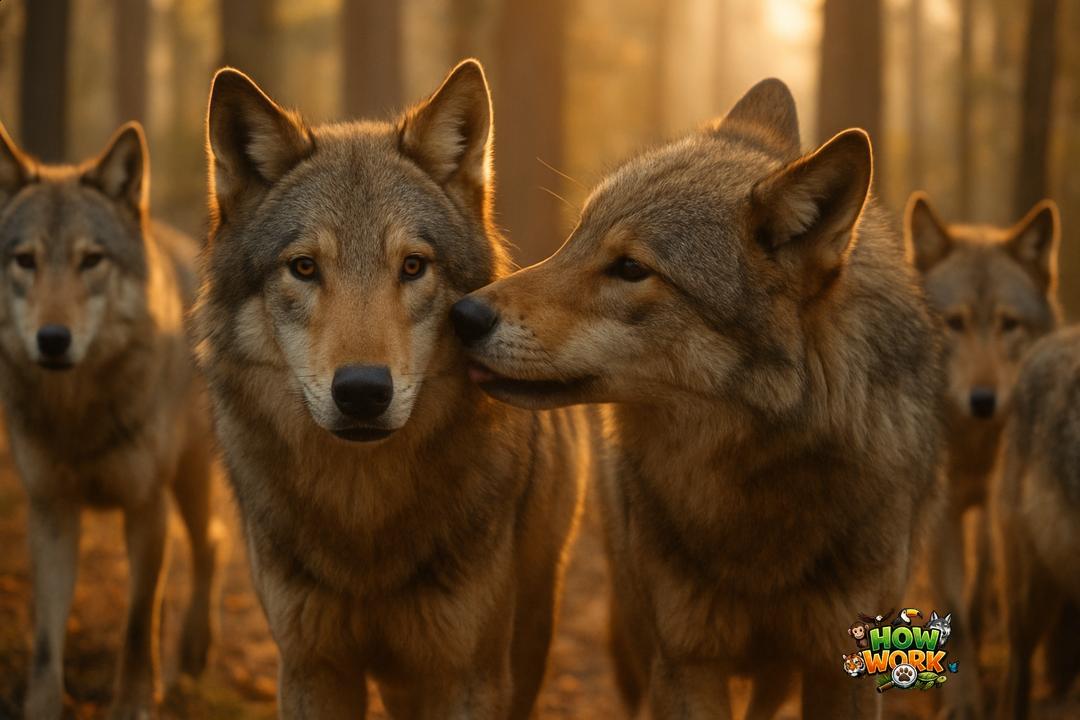
Ever noticed how a group of wolves takes down prey, or how your family dog seems to follow a pecking order at the dog park? That’s pack behavior in action, unfolding all around us, even if we don’t always see it.
Across the animal kingdom, scientists observe that pack behavior is key to survival and thriving. From the hunting tactics of African wild dogs to the intricate role assignments of lion prides, these social dynamics decide who eats first, who leads, and how young animals grow up safe. For dog lovers, pet owners, and wildlife enthusiasts alike, unraveling these social codes unlocks a deeper understanding of animal minds, and our relationships with them.
But here’s the thing: most quick reads or viral videos reduce pack life to “alpha” wolves or dominance myths. They miss the real science, the gentle negotiations, or the ways dogs and wild relatives actually prevent fights through manners and communication. This means many people still cling to advice that can backfire, like trying to “dominate” their dog instead of guiding with positive leadership.
This article goes deeper. We’ll dissect the real roles within packs, bust common myths, and reveal expert-backed ways you can use this knowledge, whether you’re training your pup, marveling at wildlife, or just want to see animals in a new light. Ready to discover how social animals truly cooperate? Let’s dive in.
What is pack behavior? Demystifying social animal groups
Pack behavior isn’t just a buzzword, it’s how some of nature’s smartest animals work together to survive. When you see wolves hunting or a pride of lions raising cubs, that’s pack life in action.
Defining pack structure
Pack structure means organized social groups with a clear hierarchy.
Most packs have an alpha pair, often parents, leading the group. Average wild wolf packs size ranges from 5-10 animals, but some, like Yellowstone’s Druid Peak pack, reached 37 members at their peak. These roles keep the group running smoothly, seasoned leaders guide from the back and let the young eat first. When leaders leave or die, small packs can fall apart quickly.
If you watch dogs at a park, you’ll see similar group instincts, even within pet groups, there’s order, not chaos.
Examples of classic pack animals
Wolves, African wild dogs, coyotes, and jackals show true pack behavior.
Gray wolves live in tight family units, hunting together and caring for pups. African wild dogs are famous for team hunting and watching over sick or young members. Most coyotes pair off, but they’ll form temporary packs with their offspring to take down bigger prey. In Yellowstone, packs got so big they changed how scientists understood wolf social lives.
Even birds like ravens prove group power: they steal more than 60% of lone wolf kills, but struggle against wolf packs. For pet owners, understanding these examples helps you see why your dog naturally looks for group rules.
Why evolution favors group living
Social living helps animals cooperate for survival and reduces risk for everyone.
Working together allows packs to bring down bigger prey, defend territory, and raise young more safely than alone. This isn’t about constant fighting, pack hierarchy helps avoid arguments by making everyone’s role clear. Scientists also find packs pass down skills and information, sometimes across decades. Even dispersal (when individuals leave) helps spread new genes, making life better for the group and the species.
At home, this means giving dogs clear rules and positive leadership feels natural to them, it taps into ancient pack instincts, not just obedience training.
Hierarchy and roles: How structure defines the pack
Ever heard someone talk about “alpha wolves” or suggest you must dominate your dog? Let’s set the record straight about real pack structure.
Alpha, beta, omega: Meaning and myths
These ranks come from captive studies, real wild packs don’t work this way.
The famous alpha-beta-omega model started in 1947 with captive wolf research. Wolves from different backgrounds were put together and created rivalries. But field studies show that in the wild, the “alpha” is just the parent, leading the family naturally. Long-term studies (like the Ellesmere Island pack, 13 summers) found almost no dominance fights. As biologist L. David Mech says, “In natural wolf packs, the alpha male or female are merely the breeding animals.”
If you have a dog at home, remember: building trust, not using force, makes you a respected leader.
Kinship, cooperation, and status
Wild packs get their structure from family ties, not constant battles.
A real wolf pack is usually parents and their children. Sometimes aunts or uncles join. Order comes from kinship, not fighting. Yellowstone wolf packs, for example, often include grandparents, parents, and pups all working together. When young adults grow up, they leave to start new packs, nobody gets overthrown.
If you watch puppies or siblings, you’ll see cooperation and lots of learning, not just power struggles.
Human misunderstandings of dominance
The “dominance myth” is common in TV shows and movies, but it’s not real wolf life.
Popular culture, including films and dog training advice, can make us think wolves constantly battle for leadership. This comes from early captive studies and has been debunked by modern science. Wild wolves resolve most things with subtle signals, not fights.
For dog lovers, this changes everything. Instead of acting like a boss, try setting clear rules and showing care. That’s what real pack leaders do in nature.
Communication in the pack: More than howls and growls
Pack communication isn’t just noise, these animals talk with their whole bodies and voices. Understanding this helps you see the real social side of group life.
Visual and vocal signals
Pack communication uses both body signals and sounds.
Wolves show dominance with high tails or raised hackles, and signal submission by lowering their ears and tails. Their howls can travel up to 130 km², letting the group claim territory or call together. Chorus howls, scent marking, and even simple touches like licking or nuzzling keep the team close and informed.
If you watch your dog, you’ll start to see these cues, pay attention to ear angles and tail wags during play or greeting.
Reconciliation, appeasement, and discipline
Wolves use gestures and gentle acts to prevent or solve fights.
After squabbles, you might see friendly nose pushes or muzzle touches. Submissive members lower their bodies, tuck tails, or lick faces as greetings. When parents or leaders need to set rules, they use growls or tall posture, not violence. These little signals keep peace and help young ones learn, day after day.
For pet owners: If dogs get tense, encourage calm greetings and let them end scuffles with space rather than punishment.
What humans can learn from these signals
We can model unity and reduce fights by watching pack life.
Clear, honest body language strengthens teamwork, both for people and pets. High tails or bold postures in wolves are like human team captains rallying a group. Experts note that communication is crucial for family groups, not just wild packs. If there’s trouble at home or at work, try calm, clear signals, sometimes non-verbal cues solve problems faster than words.
Benefits of group living: Cooperation and safety in action
Living in a group isn’t just about numbers. For animals, it means real, daily teamwork, hunting, protecting, and caring for each other to raise the odds for everyone.
Collaborative hunting techniques
Groups hunt bigger prey and succeed more often by working as a team.
Lions and wolves are classic examples, they take down much larger animals by coordinating their moves. Social spiders, like Stegodyphus dumicola, feed up to 30% more efficiently in large groups thanks to shared webs and joint attacks. This is why wild dogs and even fish hunt in packs.
If you want your dog’s playgroup to succeed, structured play and teamwork are more natural, and safer, than solo wild bursts.
Caring for young and injured packmates
Packs share parenting and help the weak, boosting everyone’s survival chances.
In wolf families, older siblings protect pups while parents hunt. Lions take turns babysitting and defending young. Even birds and spiders show this: bigger nest groups help babies survive tricky conditions. Sharing the load makes all the difference when life gets tough.
At home, teaching kids or pets the value of helping others mirrors what animal packs do every day.
How group living reduces risk
Being in a group means lower risk from predators and the world.
The “dilution effect” shows that an animal alone is more likely to get picked off, but as a group, each individual’s risk drops. Spiders in bigger nests lose less weight and survive harsh weather better. In mammals, female survival increases with group size, and group watchfulness (“mobbing”) spots threats faster.
If you let your pets bond with friendly others, you help everyone feel safer, just like nature’s pack instinct intends.
Pack dynamics in pet dogs: Applying the science
How do pack instincts play out in your home with pet dogs? Science gives us some surprising, and helpful, answers for real-world training and bonding.
What the latest research tells us
Modern research on dogs shows they don’t need an “alpha”.
Experts like L. David Mech have shown that dogs, just like wolves in real packs, do best with family-based social systems. Their groups are flexible, there’s rarely a single leader. Studies find dogs form bonds with calm, predictable owners and thrive with structure, not force. The old alpha dog model was debunked in 1999.
Want to see results? Try consistency and gentle direction instead of intimidation.
Positive leadership and behavior modification
Positive leadership means guiding, not bossing, dogs.
Reward-based training delivers better results than punishment, reducing fear and aggression. Clear communication, patience, and gentle corrections make dogs feel secure. Many trainers now use treats, praise, or toys to encourage good behavior instead of harsh discipline.
If your dog misbehaves, redirect with a command or offer a reward for better choices. Trust and respect go further than force.
Avoiding outdated “alpha” strategies
It’s time to discard dominance myths and focus on respect.
The “alpha roll” and physical dominance are risky and often backfire, leading to stress or aggression. Science recommends relationship-based approaches over dominance or scare tactics. Studies show dogs look for reliable, loving leaders, not “bosses”.
For pet owners: Build trust, use predictable routines, and keep rewards and gentle discipline at the heart of your training.
Unpacking the myths: Surprising discoveries and ongoing debates
Not everything you hear about pack life is true. Animals, even predators, surprise us with cooperation and flexible group rules. Let’s separate myth from reality.
Why strict dominance models fall short
The dominance myth came from stressed captive wolves, not real packs.
Research from the 1940s showed wolves fighting for an “alpha” spot, but these wolves weren’t even family, just strangers put together. Wild packs are made of parents and their pups, not rivals. L. David Mech, a leading expert, calls the alpha idea “outdated and misleading.” When wolf pups reach about 20 months, they leave to start new families, so nobody has to overthrow a leader.
If you want harmony with your pets, focus on trust, not power plays.
Do wolves really have alpha leaders?
Wild wolves don’t have true alphas, just parents guiding their young.
Field studies show regular packs have 4-10 wolves, sometimes as many as 37. Hunts are family teamwork, not dominance battles. Parents, sometimes called alphas, lead by experience, not force. Bloody fights are nearly unheard of in nature. Mech’s modern research actually disproved his own early “alpha” ideas.
At home, think of yourself as a steady guide, just like a wolf parent, especially when training pets.
Animals with surprising pack structures
Some animals bend the pack rules and show wild twists.
Wolves use age and wisdom more than muscle, older wolves make many decisions. Disease, like Toxoplasma gondii infection, oddly makes some wolves 46 times more likely to lead. In food-rich places, packs can split or combine, becoming flexible “super families.”
Even in nature, real leaders care for, share with, and listen to the group, something pet owners (and families) can learn from too.
How understanding pack behavior can change your view of animals
Understanding real pack behavior transforms how you see animals, from rivals to families working in harmony.
Decades of science now show that wild packs aren’t ruled by a harsh “alpha” but by parents guiding and caring for their young. Dr. David Mech’s research found that in wolf families, leaders often eat last and youngsters leave peacefully as they grow up, not by fighting for control. Modern experts call this the family model, replacing the old, stressful ideas from 1940s studies of captive wolves.
This has practical benefits. In pet dogs, misplaced ideas about dominance create separation anxiety and even aggression. About 30-40% of problem behaviors may be linked to misunderstandings about “who’s in charge.” Trainers now fix barking and resistance faster by using calm, trust-based leadership, not force.
Here’s the big lesson: animals with pack instincts thrive on trust, clear roles, and relationships. Humans can learn a lot from this, whether raising a puppy, working in a team, or just watching wildlife, knowing how real packs work helps you support cooperation, not conflict. That’s a powerful shift, and it can make our bond with animals much stronger.