
Ray Species: Graceful Gliders of the Ocean Floor
Ray species reveal the ocean’s wonders, from giant manta rays to elusive skates. Explore types, habitats, and what makes these creatures so captivating.
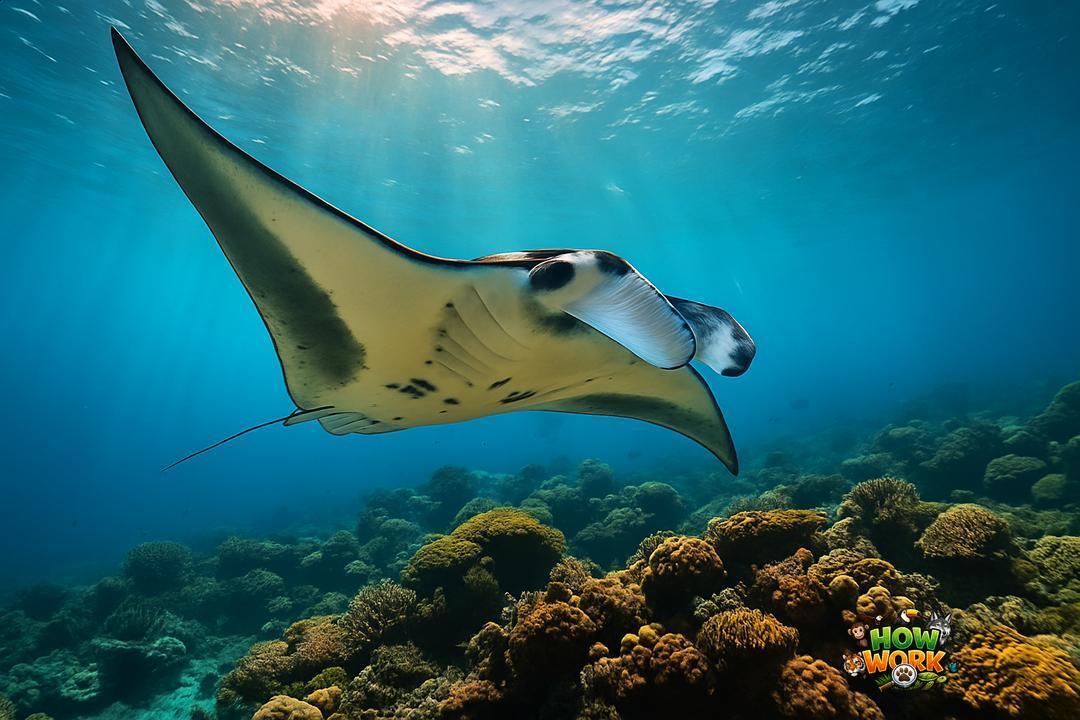
Imagine gliding weightlessly above sunlit sands, wings outstretched, this is daily life for ray species, the ocean’s most graceful pilots.
These extraordinary fish, relatives of sharks, slip through coastal shallows and the deepest trenches. There are nearly 600 recognized ray species, each revealing something astonishing: from the electricity-wielding torpedo rays to manta rays with brains smarter than most fish, and skates that craft mysterious “mermaid’s purses.” Scientists keep discovering new species, one as recently as 2025, while shark attacks make headlines, rays stay in the background, quietly shaping ocean ecosystems.
The trouble? Most articles only skim the surface: listing a handful of species, repeating the myth that all rays are dangerous, or failing to show how varied their lives really are. That leaves curious minds unsatisfied and questions unanswered.
In this guide, you’ll get far more: clear comparisons between types of rays, inside looks at how and where they thrive, and insights into their intelligence. We’ll dig into their threats and how you can help. Get ready to see these underwater gliders in a whole new light.
What defines a ray? Anatomy and adaptations revealed
What really makes a ray different from other sea creatures? Rays have flattened, disc-like bodies and glide along the ocean floor, helped by their flexible skeletons. From tiny electric rays about 4 inches long to huge manta rays with wingspans up to 29 feet, this group of fish comes in many shapes, but they all share the same basic blueprint.
Cartilaginous skeletons vs. bony fish
Rays have a cartilaginous skeleton instead of bones.
This means their frames are made of tough cartilage, not hard bone like most fish. Cartilage weighs less, allowing rays to be more flexible and agile. It also lets them maintain their flat, flowing shapes. Their skin has tiny, tooth-like scales, called denticles, that make them feel like sandpaper and help them move through water smoothly. And here’s a wild fact: rays can sense electric fields using special organs. Bony fish can’t do this!
If you ever get a chance to touch a ray in an aquarium (under supervision), you’ll notice this rough skin and flexible body compared to typical bony fish.
Fused pectoral fins: gliding explained
The secret to a ray’s graceful movement is its fused pectoral fins.
These fins start near the head and stretch out like wings. By undulating their fins, rays «fly» just above the ocean floor, sometimes even through open water. Stingrays use many small waves to move over sand, while speedy manta rays and their relatives use a single broad wave, almost like birds flapping their wings. That’s how a manta can glide long distances with little effort.
Next time you watch footage of rays, spot the differences in their swimming styles, bottom clingers vs. open-water gliders!
Eyes, gills, and unique tails
Rays have eyes and spiracles on top, gills and mouths underneath, and tails built for defense or speed.
With their eyes and special breathing holes (spiracles) placed high, rays can hide under the sand and still watch for danger and breathe. Their mouths and gills are underneath, perfect for scooping up snacks from the sea floor. Many rays sport “whiplike tails”, some longer than their bodies, with venomous spines, useful for defending against predators. In electric rays, stubby tails help power their defensive shock!
Look for these features the next time you see ray photos. If you’re visiting a touch tank or aquarium, ask staff to point out spiracles and tail types, each species shows off its own design.
Stingrays, skates, mantas, and beyond: main families compared
If you think all rays look and act the same, you’re about to be surprised! Ray families differ a lot in body, behavior, and even how they have babies. Here’s how to spot the stars of the ray world up close.
Spotting differences: stingrays vs. skates
Stingrays have barbed tails; skates do not.
Stingrays use venomous tail barbs to defend themselves, and most give live birth. Skates rely on thorny skin, no barb, and instead lay “mermaid’s purses”, tough egg cases that hatch in about 12 weeks. Stingrays tend to glide in shallows, while skates can go as deep as 10,000 feet.
Next time you visit an aquarium, look for those leathery egg cases, the sure sign of a skate!
The majesty of manta and eagle rays
Giant filter-feeding mantas have no stingers; eagle rays leap from the water.
Manta rays can reach wingspans up to 29 feet and weigh far more than a car. They eat plankton, not fish, and are totally harmless. Eagle rays have a diamond body and triangular fins, often seen “soaring” or even leaping above the waves!
If you spot a massive underwater “blanket” with wide fins and no tail spine, it’s a manta. A mid-sized ray leaping? That’s likely an eagle ray.
Electric rays and oddball relatives
Electric shock defense sets these rays apart.
Electric rays can stun both prey and threats, no need for a stinger. Families like guitarfishes, sawfishes, and rhino rays add even more shapes to the ray family tree, all being distant shark relatives. Interestingly, mantas lost their tail stings millions of years ago.
Look up “electric ray shock” videos and you’ll see these smaller, round-bodied rays deliver real jolts, nature’s way of saying, “Stay back!”
Habitats and lifestyles: where do rays call home?
Where do rays make their homes? These adaptable fish live from sunny beaches to the shadowy deepest ocean trenches. Each habitat shapes how a ray eats, moves, and survives. Let’s look at how rays fit into every corner of the ocean.
Shallow coasts to deep ocean trenches
Rays thrive in shallow coasts and deep trenches alike.
Most rays prefer warm, shallow waters close to shore, this is where life is busiest! Some hunting or hiding rays go from just a few feet deep all the way to 11,000 meters below in trenches. Stingrays love sandy coastal bays. But a few rarities, like pelagic stingrays, reach down to the twilight or even midnight zones, where it’s always dark and cold. Electric rays are built for efficiency, adapting their bodies for deeper water.
If you want to see native rays, check out sandy bays and rocky tide pools, most aquarium displays show shallow-water species.
Sand burrowers, reef wanderers, and open ocean flyers
Different rays have lifestyles matched to their habitat: buried in sand, exploring reefs, or soaring through open sea.
Round stingrays are expert “burrowers”, they spend up to 90% of time buried in sand to ambush prey or hide. Reef rays, like the beautiful spotted eagle ray, cruise sunlit coral reefs, feeding and sometimes migrating more than 60 miles. Open-ocean flyers, including manta and devil rays, have huge fins and can glide hundreds of kilometers in search of plankton, even diving far below the sunlight. Sadly, some of these ocean travelers are now at risk, with populations dropping up to 50% from overfishing.
On your next snorkeling trip, watch for rays resting under sand or gliding along a coral drop-off. Open-ocean rays are harder to spot, but catch them on wildlife documentaries for an awe-inspiring view of their travels!
Survival and diet: how rays hunt and eat
How do rays catch their food? Every ray has its own favorite meal and hunting trick. From digging up shellfish to soaring through open water for plankton, their survival depends on what and how they eat.
Crushing shellfish and catching plankton
Rays are masters at crushing hard shellfish and catching drifting plankton.
Stingrays dig in the sand, making small pits to pull up clams, oysters, and snails. Australian whiprays create three times more feeding pits than most rays, a sign of their non-stop foraging! Some, like the ocellate river stingray, even chew dragonfly larvae with jaws that work almost like a mammal’s. Other rays, like mantas and pelagic stingrays, filter tiny plankton, jellyfish, and shrimp at depths of up to 780 feet.
Next time you see holes in the sand at the beach, you might be looking at a ray’s meal site!
Unique feeding adaptations
Rays use special feeding tools: vacuum mouths, electric sensors, and night hunting habits.
Many rays “vacuum up prey” with mouthparts shaped for the job and use Ampullae of Lorenzini, tiny sensors, for finding food hidden in the sand. Their eyes sit on top for safety, while mouths hide underneath for easy digging. Some rays hunt only at night; others prefer daylight. These unique adaptations let rays survive in different habitats and play a big role in keeping the ocean healthy.
If you visit an aquarium, check if your local rays are day or night hunters. Look for their mouths close to the ground and ask guides about those special electric sensors!
Intelligence, senses, and social secrets
Can rays be smart? Rays and their relatives have brains that support learning, memory, and some surprising behaviors. Scientists are only starting to uncover how these ocean gliders think and sense their world.
The big brain: learning, memory, and play
Rays have a complex brain for memory and social learning.
The hippocampus inside their brains, especially the CA2 region, helps rays process new things and turn them into long-term memories. Social learning, watching others, playing, solving problems, boosts what they can remember. Play can help brain growth and problem-solving, just like in humans.
A practical tip: If you watch rays in aquariums, try to spot social play or group feeding. These are signs of their smarts in action!
Electroreception and sensory superpowers
Rays have amazing sensory tools, but specifics are still being studied.
Scientists believe many rays sense electric fields, which helps them find food hidden under sand or mud. This “electroreception superpower” is common in relatives like sharks. Although exact data for rays is limited, you can often spot them searching the sand for hidden snacks.
Next time you see a ray with its nose in the sand, it’s likely using these hidden senses.
Manta self-awareness: what’s been discovered?
Manta rays may show self-recognition, but science is just beginning to understand it.
There are hints that mantas notice themselves in mirrors or act differently when they see their reflection. Researchers are still exploring if this is true self-awareness or something simpler. For now, it’s one of the ocean’s coolest mysteries!
Keep an eye out for future studies, manta intelligence still has secrets to share.
Threats and conservation: safeguarding ray species for the future
Many of the ocean’s most graceful rays are in trouble. They face big threats from human activity, but with smart choices, people can help protect these unique animals.
Overfishing, bycatch, and habitat risk
Overfishing threatens rays far more than most people realize.
One-third of all rays and sharks are now threatened, mostly from targeted fishing and bycatch, rays caught by accident. Since 1970, some populations have dropped by 71%. Habitat loss is also serious. Mangrove destruction for shrimp farms is wiping out homes for stingrays, and dams can block river stingray migration. Climate change means risk for 1 in 10 ray species, especially as coral reefs bleach and habitat shifts.
Help out by supporting seafood brands and stores that back science-based, sustainable fishing. Reduce plastic use to cut microplastics and ghost nets that trap rays.
Species on the edge: endangered rays
One-third of all known rays could face extinction if nothing changes.
Almost 1 in 10 rays are now Critically Endangered. Bluntnose guitarfish, sawfish, whiprays, and wedgefish are some of the hardest-hit families. Major global efforts, like the IUCN Red List, CMS agreements, and CITES rules for manta trade, aim to slow this loss. The newest research, from 2024, confirms many rays are still slipping through the cracks, conservation is urgent.
Learn which rays are at risk in your area, and share what you learn with others. The more people know, the more action we can drive.
How you can help: citizen conservation tips
Citizen action matters, a lot!
You can support local ray conservation by reducing plastic pollution, advocating for science-based catch limits, and spreading awareness. Dr. Rima Jabado calls for “action at all levels.” Look for conservation groups protecting reefs and mangroves where 75% of threatened rays live. Help track rays through community science projects or beach cleanups. Every bit of effort counts!
Why rays deserve our fascination and protection
Rays are vital to our oceans and deserve both fascination and protection.
They help keep marine ecosystems balanced by eating sick fish, controlling shellfish populations, and even shaping seabeds. Rays are ancient survivors, some lineages are over 200 million years old, with bodies and behaviors found nowhere else. Every year, rays inspire thousands of divers and snorkelers, driving eco-tourism in places like the Maldives and Mozambique.
Wildlife guides often call mantas “ambassadors of wonder.” Meeting one in the wild connects people to ocean life in a powerful way. And unlike some creatures, rays can be observed peacefully from a respectful distance, making them favorite stars of documentaries and family trips.
By supporting conservation efforts, visiting ethical wildlife tours, and spreading awareness, you help ensure these gentle gliders remain part of ocean life, and our collective sense of awe, for generations to come.
Stingrays are not typically aggressive. They usually sting only if accidentally stepped on or threatened by humans.
Manta rays are large filter feeders without stingers, stingrays have venomous tail barbs, and skates lack stingers and lay egg cases. All are related cartilaginous fish.
Yes, stingrays are fish with cartilage skeletons and are closely related to sharks, forming part of the Batoidea group.
A stingray’s mouth is on its underside. They move by smoothly gliding or "flying" with their wing-like pectoral fins.
Some rays, especially stingrays, have venomous barbs. Stings can be painful or dangerous, but rays rarely attack unless provoked.