
Sea Turtles: Ancient Mariners of the Ocean
Sea turtles guide: discover their life cycle, habitats, threats, and conservation with fresh insights. Perfect for animal lovers, families, or students.
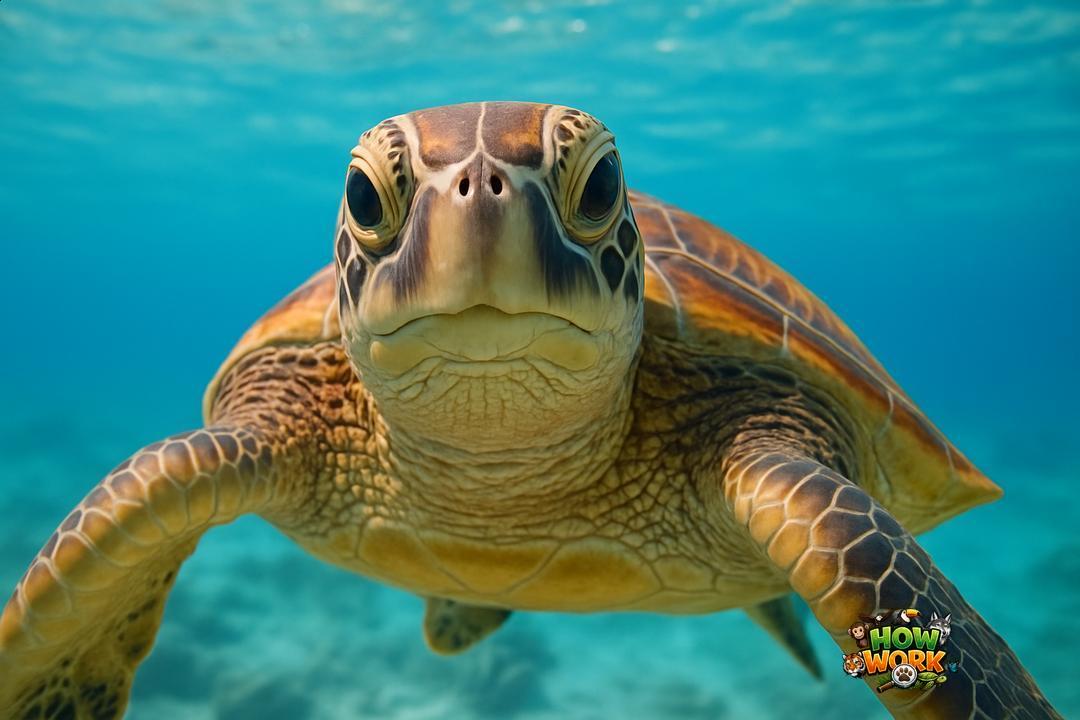
Imagine crossing an entire ocean, guided by nothing but an ancient map written in your DNA. That’s everyday life for sea turtles, true survivors tracing their lineage back over 100 million years.
Despite this remarkable past, sea turtles now face more challenges than ever. Their epic migrations and mysterious nesting rituals captivate scientists and animal lovers alike. With all seven species threatened or endangered, the question isn’t just, “How do they live?” but, “How can we help them survive?”
Most blogs just scratch the surface, recycling fast facts and generic conservation calls. What’s usually missing are real, actionable steps anyone can take, along with surprising science and first-hand insights from researchers in the field.
This article goes deeper. You’ll discover not only what makes sea turtles extraordinary, but also what you can do, right now, to protect these ancient mariners. Dive in for a blend of fascinating natural history, practical conservation tips, and the latest breakthroughs shaping their future.
Sea turtles 101: biology, evolution, and what makes them unique
The story of sea turtles is one of deep history and extraordinary adaptation. These animals connect ancient worlds to modern oceans, offering a living window into evolution in action.
How sea turtles evolved into modern ocean travelers
Sea turtles trace their roots back over 100 million years, first appearing during the time of the dinosaurs. Their ancestors lived on land, but, over millions of years, they gradually adapted to life in the ocean by developing streamlined bodies and powerful limbs.
Fossil evidence shows that early turtles lost their bulky legs and developed flipper-shaped limbs perfect for swimming. Today’s sea turtles make epic global migrations, with some species traveling thousands of miles between feeding sites and nesting beaches. Scientists track these journeys using satellite tags, which reveal just how far these ancient mariners roam.
If you’re near a nesting beach, you can support conservation groups that monitor turtle migrations. Volunteers often help identify returning females based on unique shell markings.
Key physical traits and adaptations for ocean life
Sea turtles are built for the ocean, with streamlined shells, strong jaws, and advanced senses. Their rigid, hydrodynamic shells cut through water, while large, paddle-like flippers give them speed and power.
Sea turtles can hold their breath for hours, an essential skill for diving deep to find food or evade danger. Unlike most reptiles, they drink seawater and excrete excess salt through specialized glands near their eyes, often mistaken for tears.
Practical tip: If you spot a turtle on the beach, keep your distance, avoid bright lights, and let these unique adaptations work undisturbed. Nesting turtles are sensitive, and a little care goes a long way for their survival.
Habitats and epic migrations: where sea turtles live and roam
Sea turtles are true global travelers. Their lives weave through sunny nesting beaches, deep ocean currents, and the data maps of scientists tracking their journeys.
Tropical and subtropical nesting beaches
The direct answer: Sea turtles nest on tropical and subtropical beaches around the world, then migrate hundreds to thousands of kilometers to coastal feeding grounds. Some sites, like the coasts of Australia, Mexico, and the eastern U.S., host dense turtle populations each year.
These reptiles show remarkable site fidelity, returning to the same stretch of sand for many years. One tracked loggerhead female traveled the same route between Bald Head Island and Maryland or South Carolina at nearly the same time each year. If you live near these beaches, join citizen science programs that help monitor nests and support turtle-friendly beach management.
Oceanic drift: juvenile years in open water
After hatching, sea turtle juveniles face a perilous ocean “frenzy period,” swimming for up to 36 hours to reach safer, deeper water. Once offshore, they spend most of their time in open ocean, floating along currents during what’s called their “lost years.” Juvenile green turtles reportedly spend around 72.5% of their time in deep ocean zones before ever seeing the coast again.
If you boat or fish offshore, always keep an eye out for tiny turtles riding seaweed mats. Protecting open-ocean habitats is as vital as guarding nest sites.
How scientists track migrations
Scientists use satellite tracking devices to follow turtles on their epic migrations. These tags let experts learn about nesting, feeding, and migration patterns, including changes over time.
New species distribution models help predict how turtle routes and hotspots may shift as oceans warm. One recent finding: North Pacific loggerhead turtles have shifted northward much faster than other marine animals since 1997, a clue to how adaptable, and vulnerable, sea turtles remain in a changing world. You can check many of these migration maps and research updates online to follow real turtle journeys from home.
The sea turtle life cycle: from egg to ancient mariner
Every sea turtle starts small, but faces big hurdles on the path from egg to adult. Their life cycle is packed with drama, tough choices, and a surprising amount of strategy, even before they ever reach the ocean.
Nesting rituals and smart mothers
Female sea turtles return to their birth beaches, sometimes after decades at sea, to lay eggs. Each nest can hold around 100 eggs per clutch. After laying, mothers expertly camouflage the nest with sand, helping protect it from predators.
Eggs are buried above the high-tide line. The temperature inside the nest decides each hatchling’s sex, a process called temperature-dependent sex determination. Want to help moms and hatchlings? Volunteer to put up protective screens around nests during the season, or join a local patrol group.
The perilous journey from nest to sea
The dash to the ocean is a life-or-death race. Babies dig out of the sand at night, then travel fast to the waves, dodging crabs, birds, and other predators along the way.
Sadly, fewer than one in 1,000 survives to adulthood. If you live near nesting beaches, keep lights off at night and steer clear of marked nest sites so hatchlings have the best chance possible.
Slow growth and long lives
Sea turtles grow slowly, taking decades to mature. Many do not breed until they are 20–30 years old. With luck, a sea turtle can live over 80 years, making them among the true elders of the animal kingdom.
A practical tip: support research projects that tag young turtles. Tracking their survival and movement helps us learn how to protect every new generation of ancient mariners.
Ocean diet: what sea turtles eat and why it matters
What a sea turtle eats depends on its species, age, and habitat. These diets do a lot more than just fuel the turtles, they help keep oceans healthy, too.
What different species eat
Sea turtle species have specialized diets based on what’s available and their own biology. Green turtles eat mostly seagrass and algae as adults, but the young start out as carnivores, munching small crustaceans and zooplankton.
Leatherbacks devour jellyfish almost exclusively, while hawksbills target sponges and even a bit of coral. Loggerheads crush crabs, conchs, and mollusks. Olive ridleys and Kemp’s ridleys are more opportunistic, feeding on crabs, algae, and whatever else they can find. The variety and shift in these diets is immense, one Texas study found green turtles consumed 73 different species of food, mostly seagrasses.
Want to help? Support groups that fight seagrass and reef loss in your area or worldwide.
The impacts of diet on ecosystems
Sea turtle diets shape ocean ecosystems. Green turtles graze seagrass beds, keeping these habitats healthy and productive. Hawksbills help coral reefs by eating sponges, which, if left unchecked, could smother delicate corals and harm reef fish.
These roles support diverse fish, stable shorelines, and entire food webs. Long-term research shows that pollution or climate change, which alters turtle diets, can quickly ripple out and threaten coastal resilience. Protecting what turtles eat helps entire ecosystems, not just these gentle mariners.
Modern threats: understanding dangers facing sea turtles today
Sea turtles face a triple challenge today: threats from commercial fishing, disappearing habitats, and rapid changes in climate. Each of these dangers links directly to choices we make on land and at sea.
Fishing bycatch and new reduction tech
Fishing bycatch is the biggest threat to sea turtles worldwide. They often get caught in gillnets, longlines, or ghost nets, abandoned gear still trapping animals. Thankfully, tools like Turtle Excluder Devices (TEDs) and lighted nets now help turtles escape fishing gear.
Want to help? Choose seafood from fisheries using TEDs or proven turtle-friendly practices.
Habitat loss and pollution
Habitat loss and pollution destroy nesting beaches and poison turtles of all ages. Coastal construction, sand mining, and bright lights can make nesting impossible and disorient hatchlings.
Ocean plastic, oil spills, and farm chemicals make things worse, damaging immune systems, shrinking egg clutches, and causing hatchling deformities. A real difference starts with reducing plastic use and keeping lights low on turtle beaches at night.
Climate change: rising risks
Climate change pushes turtles to new extremes. Rising sand temperatures make nests produce mostly females, which throws off natural balance. Sea level rise, storms, and erosion shrink already limited nesting space.
Some places, like Raine Island in Australia, now see fewer baby turtles because nests get flooded more often. Stay informed on climate-friendly products and support local projects that protect beaches from erosion or flooding.
Conservation efforts and how you can genuinely help
Saving sea turtles takes teamwork. From nest patrols to expert rehab, every step matters, and everyone can play a role.
Monitoring and protecting nests
Monitoring and protecting nests is the first line of defense for sea turtle populations. Conservation groups install protective screens, mark nesting sites, and often guide confused hatchlings safely to the water.
Want to help? Volunteer with local patrols or log nest locations using community science apps. Simple actions keep eggs, and future turtles, safe.
Successful rescue and rehabilitation stories
Rehabilitation stories show what’s possible when injured or stranded creatures get another shot. While recent research highlights beaver and wildebeest rescues, the logic holds for turtles, too. Many regions run special rehab centers where turtles are rescued, healed, and released to the wild, reviving local populations and hope.
If you spot a stranded turtle, call a wildlife hotline, not all heroes wear wetsuits, but you can be one.
How communities (and you) can make a difference
Communities and individuals drive real species recovery. Zoos, botanic gardens, and marine centers run reintroduction programs and public education campaigns. These efforts bring turtles back from the brink, and sometimes even off the “Extinct in the Wild” list.
Join beach clean-ups, support marine rescue charities, and spread the word about sea turtle protections. Even one person’s voice or action can tip the scale for these ancient mariners.
Why sea turtles matter: lessons from an ancient journey
Sea turtles matter because they are ancient survivors and keystone species that shape the health of our oceans. For over 100 million years, they’ve weathered dramatic changes, even the event that wiped out the dinosaurs.
Every sea turtle species plays an outsized role. Green turtles keep seagrass beds healthy, which helps capture carbon and maintain biodiversity. Loggerheads balance crab and shellfish numbers, while hawksbills protect coral reefs by eating sponges. Even leatherbacks are important, controlling jellyfish populations that would otherwise explode.
When sea turtle numbers fall, it’s a warning sign for ocean health. Scientists call them ecosystem engineers and keystone species for this reason. Recent studies show real hope: about 40% of sea turtle populations are now considered Low Risk–Low Threat, up from just 23% in 2011. That’s clear proof strategic conservation, from protecting beaches to reducing plastic and improving fishing gear, can work.
Their story also inspires people everywhere. Children learn about science and navigation thanks to these ancient travelers. Sea turtles demonstrate biological compass skills scientists are still trying to fully understand. Cultures worldwide see them as symbols of resilience and wisdom. The bottom line? Protecting sea turtles helps keep the ocean in balance, and helps us learn from nature’s best navigators. Your support truly matters.
There are seven recognized species of sea turtles, each with unique diets and habitats.
Sea turtles are endangered due to threats like fishing bycatch, habitat destruction, pollution, and climate change disrupting their nesting and survival.
Sea turtles eat different foods depending on the species and age. Their diets include seagrasses, jellyfish, sponges, crabs, and algae.
Sea turtles often live over 80 years, but most face many risks before reaching adulthood.
You can help by reducing plastic use, supporting sustainable seafood, volunteering for nest monitoring, or joining local beach clean-ups.