
Marine Birds: Life Above and Below the Ocean Waves
Seabirds fascinate with their oceanic lives. Explore unique behaviors, threats, and active conservation strategies. Discover why seabirds matter to you and our planet.
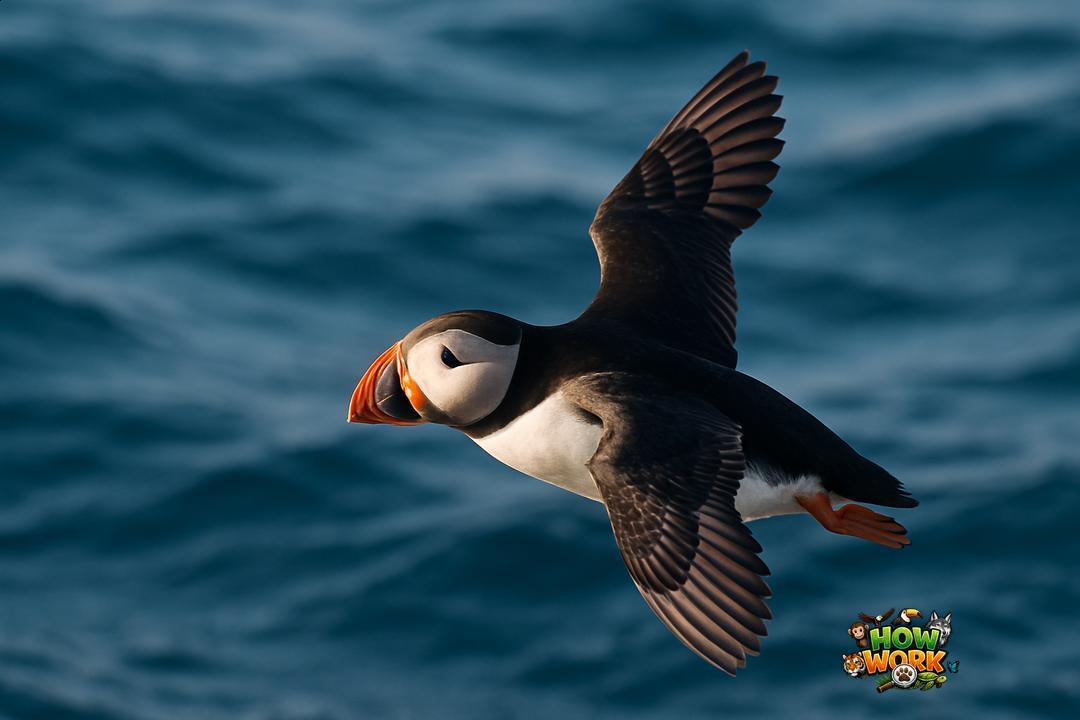
Imagine a world where birds ride the wind for thousands of miles, diving straight into icy waves and vanishing for months, only to reappear, right on schedule, back at the same rocky cliffs. That’s the daily reality of seabirds, nature’s true aviators. Their journeys above and below the ocean waves are nothing short of epic.
When you read about ocean health, one word pops up again and again: seabirds. Seabirds are more than fascinating; researchers now track their lives to reveal changes in our oceans. Their population has dropped by almost 70% since the 1950s, largely due to bycatch, invasive species, and climate change. Yet, seabirds serve as early warning systems, if they struggle, so could entire marine ecosystems.
But most online guides skim past the most intriguing aspects. They ignore just how clever many seabirds are, or how new tracking technology is turning the tide for albatrosses. Often, they gloss over what you, sitting far from the coast, can actually do to help.
This article ditches the ordinary approach. Get ready for a guided tour that mixes expert science with real-world actions, showing how seabirds survive, why their struggles matter, and how each of us can make a difference. Let’s dive into the currents and find out what life looks like above and below the waves.
Seabirds as ocean health indicators
Seabirds are like living sensors for the sea. When their habits change or their numbers drop, it often means bigger problems are bubbling beneath the waves. Tracking seabirds helps us see the health of our oceans with surprising detail.
What makes seabirds key ocean sentinels?
Seabirds are key ocean sentinels because they sit at the top of marine food webs. Changes in their health or behavior, like fewer chicks or odd feeding, can warn us that a marine ecosystem is under stress before other signs show up.
Experts even call seabirds Essential Ocean Variables. For example, one study tested blood in over 11,000 seabirds from 108 species to map mercury in the ocean. Because seabirds travel and eat all over the globe, what happens to them often signals wider issues, from fish shortages to pollution.
If you live near the coast, joining a beach bird count is one way to help track seabird health in your area.
Tracking changes in marine environments
Seabirds help us track changes in marine environments by reflecting shifts in food sources, water quality, and climate patterns. When their numbers dip or their breeding fails, it’s usually a red flag.
Marine heatwaves are a clear example. In 2023, scientists found that short-term spikes in ocean temperature killed thousands of seabirds. The heat changed plankton, reducing available fish, and seabirds went hungry.
Regular monitoring projects, like NOAA’s Beach Watch, prove how seabird declines signal broader marine crises, helping scientists and communities protect ocean life quickly. Even if you’re far from the sea, learning about these changes can help you support smarter conservation efforts and better seafood choices.
Marvels of adaptation: Feeding, migration, and survival
Survival at sea isn’t easy. Seabirds have mastered the art of adaptation, developing unique ways to find food and travel incredible distances. Their lives are a nonstop lesson in solving tough challenges.
Foraging strategies explained
Seabirds use smart foraging strategies to survive in ever-changing waters. They build up fat reserves before long journeys and time travel to match food peaks.
Some, like the bar-tailed godwit, fly over 12,000 km nonstop to chase ideal feeding grounds. Seabirds rely on the sun, stars, and Earth’s magnetic field to find their way. This keeps them on target, even across vast, empty oceans.
If you want to see these adaptations in action, watch for local seabirds stocking up before migration, sometimes with the help of binoculars or a birding app that tracks movement.
Yearly migrations across the globe
Many seabirds complete yearly migrations stretching thousands of kilometers. The arctic tern is the world champion, flying nearly 50,000 km every year from the Arctic to the Antarctic and back again.
Migrations help seabirds reach the best breeding and feeding grounds. But it’s not just instinct, many use collective memory and environmental clues, adapting routes when old ones no longer work. New protected areas along flyways are helping more birds survive these epic journeys.
Bird migration isn’t far from home. You can look up global migration patterns or join a coastal count during migration season to connect with the marvel in your backyard.
Shared lives: Social structures and intelligence cues
What goes on in a crowded seabird colony? Much more than meets the eye. These birds don’t just survive the elements; they share complex lives built on bonds, teamwork, and real smarts.
Bonding, memory, and learning
Seabirds rely on deep social bonds for daily life and raising young. Many, like albatrosses, pick lifelong partners, some pairs stay together for over 30 years.
Chicks know their parents by sound alone, even in nests packed side by side. Gulls and cormorants watch and learn from their neighbors, copying clever ways to spot food or escape danger. Scientists found that cormorants even pass migration routes across generations.
If you visit a seabird colony or tune into a coastal wildlife cam, watch for adults greeting each other or chicks learning from the flock, it’s social learning in real-time.
Surprising parallels with humans
Seabirds and people share some impressive memory and teamwork for survival. These birds remember feeding grounds and use cues from others, much like people share advice about where to eat or travel.
Some seabird species have even shown problem-solving skills, like opening shellfish with tools or watching humans to find new food sources. Experts often compare their group dynamics to a village: each bird with a role and a voice in the crowd.
Next time you spot seabirds on a beach, notice how they work together, and spot the smart tricks that keep their colonies thriving.
Facing the storm: Declining populations and main threats
Seabirds once filled the skies and coasts in massive numbers. Now, they face a true storm of threats. Understanding their decline helps us spot the damage, and fix it, before it’s too late.
Population changes since the 1950s
Seabird populations have suffered sharp declines since about 1950. Studies show their numbers are down nearly 70% in just the past seventy years.
Today, 31% of seabird species are considered threatened. These are not small losses, colonies that once numbered millions have vanished from places like the North Atlantic and Pacific islands. If you want to help, look for citizen science bird counts or local beach surveys tracking these changes.
Major threats: fisheries, invasive species, climate shifts
The main threats to seabirds are risk from fisheries bycatch, invasive predators, and climate change. Hundreds of thousands of birds a year die accidentally in fishing gear. The good news? Using bird-safe hooks and lines has cut albatross bycatch by over 90% where tested.
But it’s not just fishing. Rats and cats on islands eat seabird eggs, wiping out entire colonies. Climate change adds heatwaves and food shortages, causing nest failures. You can help by choosing seafood from responsible fisheries or joining a coastal cleanup, every step matters.
Lighting the way: How technology is saving seabirds
It’s not all bad news for seabirds. Technology is bringing real hope, helping humans and wildlife work together for better, brighter futures.
Reducing bycatch with innovation
Saving seabirds with innovation means fewer birds die in fishing gear. LED lights on nets and bird-scaring lines can cut bycatch by up to 90% in places like South Africa and Brazil.
Many fisheries are now testing these methods, which means tens of thousands of birds are spared each year. You can encourage change by choosing seafood from fisheries using bird-friendly techniques or by supporting advocacy groups.
Tracking and conservation success stories
GPS and satellite tags are game changers for seabird science. These small trackers map migration paths and identify both danger zones and safe havens.
This info has helped create new marine reserves, save nesting sites, and even bring species back from the edge. Albatrosses in New Zealand and penguins in South America have bounced back thanks to this tech. If you want to help from home, many projects let you follow tagged birds online or sponsor research, proving small actions add up to real conservation success.
Helping from home: Practical steps for seabird conservation
Caring for seabirds doesn’t require a science degree or a seat on a research ship. Small changes at home or in your neighborhood can make a real difference for these ocean travelers.
Everyday actions that make a difference
Everyday actions help seabirds more than most people realize. For example, cutting down on single-use plastics keeps waste out of ocean food chains, important since nearly 90% of seabirds have plastic in their system today.
Choosing seafood with sustainability labels supports fisheries using bird-safe gear. Hosting a local cleanup or joining a group effort at a public beach is another way to keep habitats safe.
Citizen science and local advocacy
Join citizen science projects like the Great Backyard Bird Count or log your bird sightings on eBird, which help experts track species everywhere.
You can also advocate for safer laws. That includes writing to local officials about coastal protections or signing petitions for bird-friendly policies. Even sharing simple facts about seabirds with friends and family can inspire larger changes, proving that small efforts add up fast.
Riding the waves: What seabirds teach us about our blue planet
Seabirds reveal ocean health in ways no machine or satellite can. When their numbers fall, get sick, or vanish from an island, we get an early warning about what’s really happening beneath the waves.
Scientists often call seabirds “the ocean’s canary in a coal mine.” Pollution, overfishing, plastic, and climate change hit them first, and hard. In several cases, drops in seabird colonies flagged problems like fish shortages or pollution years before official data caught up.
Nearly every aspect of seabird life, migration, feeding, breeding, depends on a healthy ocean. When a food chain breaks or garbage builds up, birds are among the first to show the effects. Everything connects: What touches seabirds touches fisheries, beaches, and even people living far inland.
This offers a powerful lesson for conservation. By caring about seabirds, we protect the ocean. By tracking their journeys or supporting clean coasts, we help safeguard our shared blue planet. Even reading seabird conservation news or donating to science projects is a small but real way to pitch in and keep the waves alive for generations ahead.