
Seahorse Life: Unique Creatures of the Shallows
Seahorse life is full of surprises, from male pregnancy to clever camouflage. Discover the mysteries of these unique fish with this essential guide.
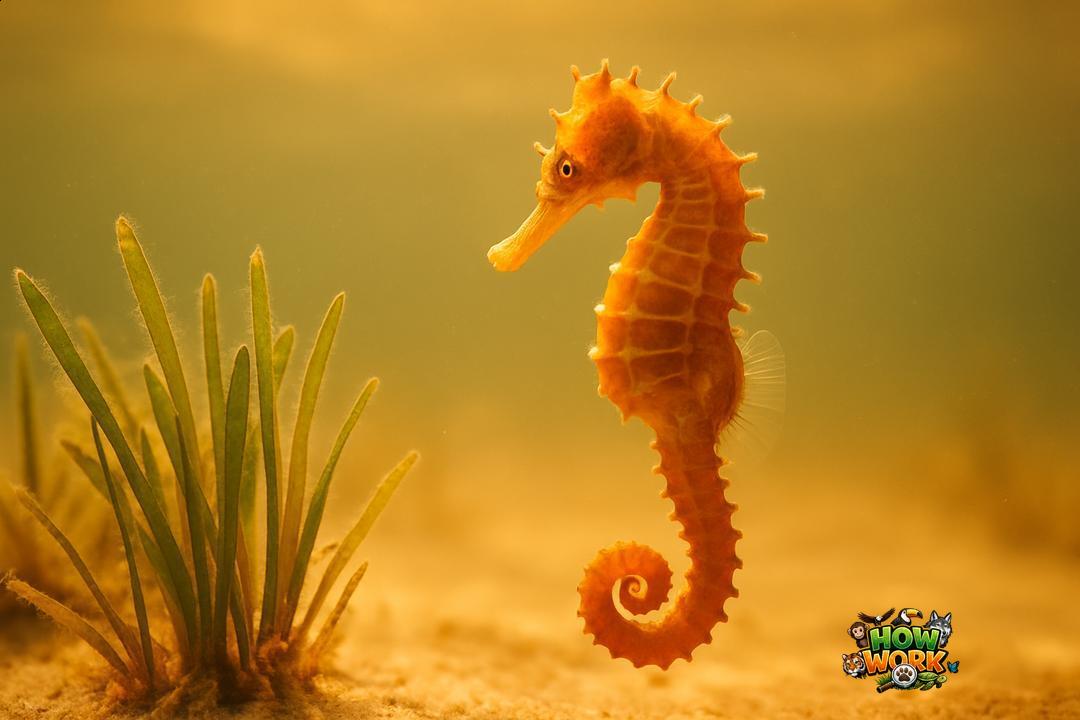
Ever looked at a seahorse and wondered how such a quirky creature survives in the wild? This isn’t your average ocean fish. Seahorses move through life upright, camouflaged like living driftwood, and break just about every rule in the fish playbook.
One look at the seahorse life cycle reveals why marine biologists, eco-travelers, and curious minds are hooked. These animals are the only fish where dads give birth. They’re masters of disguise, loyal partners, and relentless eaters who must hunt all day because they don’t have stomachs.
Trouble is, most articles on seahorses give you cute trivia or skim the surface. They skip the real ‘hows’ and ‘whys’, like what it means for a fish to have a pouch, why their habitats matter, or the real risks seahorses face today.
This guide takes you deep under the surface. You’ll learn how seahorses challenge biology, the dangers they face, and ways to help ensure their survival. If you’re after the untold truths and practical takeaways about one of the ocean’s most mysterious fish, you’re in the right place.
How seahorses defy fish expectations
Seahorses look nothing like typical fish. Their shape, posture, and strange way of moving break all the rules we expect. But these oddballs are 100% fish, just in their own unique way.
Why seahorses swim upright
Seahorses swim upright to survive in seagrass and shallow waters. Instead of a side-to-side tail like most fish, they use a tiny fin on their back to move forward. Small fins near their head steer them, like oars.
This vertical style helps them blend with reeds and grasses. If you spot a seahorse at an aquarium, notice how it barely moves, camouflage is their best defense.
Spiny plates, tails, and fascinating anatomy
Unlike most fish, seahorses have bony plates instead of scales. Their skin stretches over these fused plates, giving them armor that protects from predators.
Their prehensile tails act like hands. A seahorse can grab plants or coral to stay put, even in strong currents. No other fish in your average tank can do this, only their relatives, like pipefish, share this trick.
What makes them true fish (not myths)
Seahorses have gills and fins, swim in water, and are cold-blooded. That’s what makes a fish, even if the shape fools people. They also have a swim bladder for buoyancy and skeletons like other fish.
Victorian scientists once mixed up seahorses with insects because of their hard armor, but modern biology shows they fit all the key points of a real fish. Next time you see one, remember: it may look weird, but it’s as fishy as a goldfish or a tuna.
Shallow homes: where seahorses really live
Where you find seahorses, you’ll usually find shallow water bursting with life. They don’t stray into open oceans or the deep blue. Instead, they count on busy coastal habitats to hide, hunt, and survive.
Seagrass, mangroves, and coral environments
Seagrass meadows are the main homes for most seahorses. These grassy underwater fields offer plenty of places to cling to with their tails. Mangrove roots also provide shelter and safe nursery grounds for young seahorses.
Some species venture into coral reefs nearby, but always stick to places with lots of hiding spots. Over 70 kinds of seagrass grow worldwide, so this habitat connects seahorses from tropical Asia to the Atlantic shore.
How seahorses choose their habitat
Seahorses pick spots where they can anchor and blend in. They look for sturdy grass blades or tangled mangrove roots. These areas give them calm water and plenty of food, especially during their early, risky weeks.
If you hope to spot a wild seahorse, search quiet, sheltered waters first. Focus on seagrass beds and the edge of mangrove forests, and check for tiny tails curled around plants.
Camouflage: blending in to survive
Seahorses are camouflage masters, matching their home’s colors and shapes. They can change shades to blend with green grass or dark roots, helping them dodge predators and sneak up on prey.
Noticing a seahorse in nature takes practice. Look closely at each grass blade and mangrove root, you might just catch one hiding in plain sight.
Always eating: how seahorses feed and hunt
Seahorses are some of the hardest working feeders in the ocean. If they’re not eating, they’re on the hunt. Their bodies simply never allow time to rest from finding food.
Power of suction feeding
Seahorses use suction feeding to catch their meals. Their long, tube-like snout acts like a vacuum, sucking up tiny prey in an instant. The dorsal fin beats up to 70 times per second to help them drift close before they strike.
In tanks, keep an eye out, some seahorses will even snatch shrimp out of mid-water. They can’t chew, so everything is swallowed whole.
Diet staples: what do seahorses eat?
Most seahorses eat Mysis shrimp, small crustaceans, and plankton. Wild adults may eat 30-50 times daily, while babies can gulp down over 3000 tiny pieces in one day!
For pet keepers, offer frozen or live Mysis and brine shrimp. Make sure to feed them at least twice every day, and aim for at least 20 pieces per seahorse at each meal.
No stomach, so how do they survive?
Seahorses have no stomach, so they must eat all day. Food races through their digestive systems, leaving no space to store nutrients for later. If a seahorse goes without food for more than three days, it can get sick or even die.
Tip for hobbyists: stop the tank’s pumps during feeding so food doesn’t blow away. Pregnant males might eat less for a day or two, but watch carefully to make sure they’re still getting enough.
Secrets of seahorse romance and male pregnancy
Seahorse romance is like no other in the animal world. These ocean partners form tight bonds, dance for hours, and challenge every rule about parenting.
How do seahorses choose a mate?
Seahorse pairs begin with a courtship dance that can last up to eight hours. They swim side by side, change colors, and even “pump” water into the male’s pouch as a signal. Many species are monogamous for the season or for life, sticking together after this first connection.
If you spot two seahorses twirling and flashing colors at dawn, you’re probably seeing courtship in action. Look for synchronized moves and gentle tail holding.
Male pregnancy step by step
Male pregnancy starts when a female transfers up to 1,500 eggs into the male’s pouch. The male fertilizes these eggs inside, then carries them for 10 to 25 days, depending on species and water temperature.
When it’s time, the male uses his muscles to push out hundreds of tiny babies, sometimes in bursts. In the wild, a male can give birth in the morning and be ready to mate again by evening, a cycle called rapid re-mating.
To spot a pregnant male, look for a pouch that looks swollen or feels firm to the touch (never squeeze!).
Dangers and odds for seahorse babies
Only 0.5-5% of seahorse babies survive to adulthood. Newborns drift as plankton, facing predators and rough waters. They get no second chances if development goes wrong inside the pouch.
Even in aquariums, it’s rare for all eggs to develop. Too many in one pouch can cause stress or failure. Every baby that survives is a triumph, not a guarantee.
The threats facing seahorses today
Seahorses, though tough, can’t escape the pressures humans put on the ocean. Their strange beauty makes them valuable, but also vulnerable, in today’s world.
Why seahorses are under threat
Habitat destruction and fishing are the biggest dangers for seahorses worldwide. Almost 1 in 3 species may be at risk according to experts. Industrial trawl fisheries scoop up seahorses as bycatch, and pollution, from plastics to pesticides, damages their seagrass and mangrove homes.
The Cape seahorse in South Africa now ranks as endangered. Even species once considered common can quickly become threatened as waters warm and coastlines change.
Impact of the pet trade and habitat loss
Millions of seahorses die yearly for the pet trade and traditional medicines. Nearly 98% of pet store seahorses come from the wild, much of it illegally, despite regulations.
Habitat loss is just as damaging. Plastic trash covers the ocean floor, forcing seahorses to cling to litter instead of living plants. Coral and seagrass disappear with coastal development, leaving less room for survival.
If you see seahorses for sale, always ask if they’re captive-bred. Avoid supporting wild-caught trade.
Conservation: what helps seahorses survive?
Conservation needs action both big and small. CITES now protects all seahorses globally, but rules are not always enforced. Local projects like iSeahorse let divers and citizens log sightings and help scientists track population changes.
Support nature groups that restore estuaries, watch where your seafood comes from, and share what you learn. Every report and every safe, healthy habitat gives these unique fish a fighting chance.
What these tiny marvels teach us about the ocean
Seahorses and other tiny ocean marvels teach us just how complex and important the sea truly is. By watching these creatures, we see that the ocean is not just for big sharks or whales. The smallest animals reveal secrets about how the whole system works.
Seahorses and plankton show how ecosystems depend on even the tiniest life. They help demonstrate lessons about food webs, habitats, and change. For example, kids and adults alike can learn about buoyancy, density, and even climate threats like acidification by hands-on experiments with shells and water.
Simple activities, like making an ocean-in-a-bottle or watching hermit crabs swap shells, make big scientific ideas easy. Experts point out that “STEM isn’t a rigid curriculum… it’s an approach to understanding the world.” This means every aquarium walk or crab role-play grows critical thinking and respect for the ocean.
The takeaway? The health of our seas relies on tiny creatures as much as big ones. Protecting seahorses protects whole ecosystems. Start small: look closely, ask questions, and join a citizen science project, you’ll see how much we can learn from the ocean’s tiniest marvels.