
Senior Pets: Caring for Aging Animal Companions
Senior pets deserve comfort and vitality. Discover expert tips for nutrition, mobility, and loving care to help your aging animal thrive.
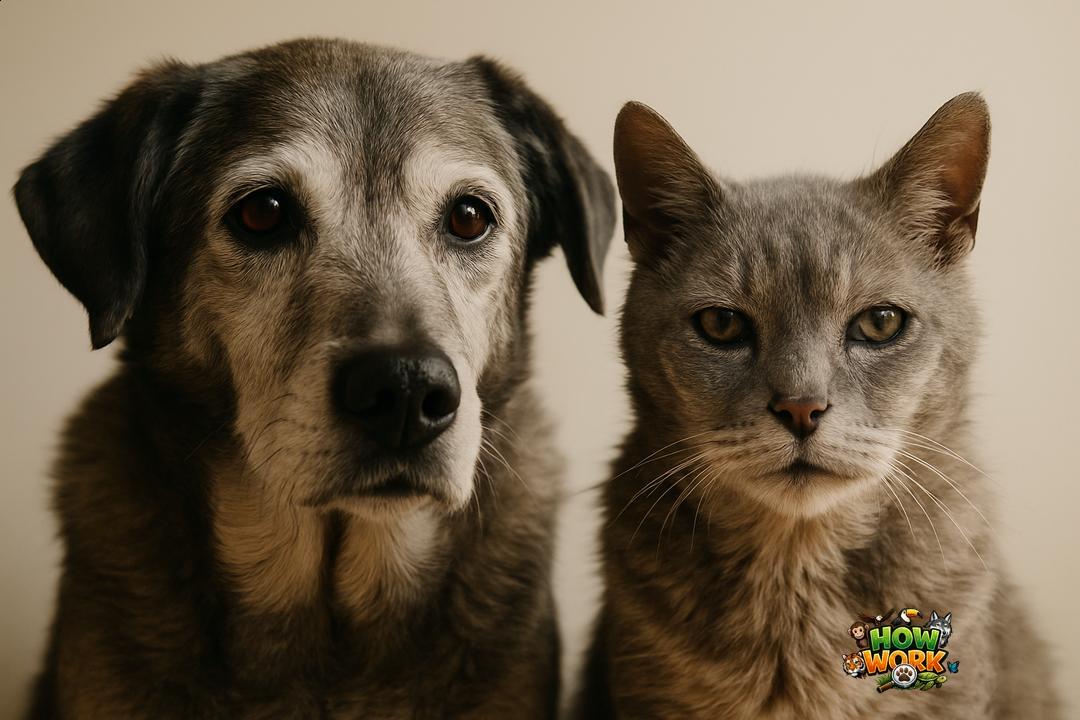
If you’ve ever watched a beloved pet slow down, struggle with stairs, or lose a bit of their playful spark, you know how bittersweet it feels. Our animal companions share so much of life with us, and when they reach their senior years, every moment becomes even more precious.
More pets are living into their senior years thanks to better nutrition, preventative vet care, and loving homes. The conversations around senior pets are growing, with experts emphasizing tailored nutrition, mobility support, and regular checkups. But caring for an aging pet comes with unique challenges, from figuring out new dietary needs to spotting subtle health changes that can sneak up fast.
All too often, advice on this topic boils down to “just feed senior food” or “see your vet more.” That barely scratches the surface. Most owners crave personalized, practical solutions that go beyond basic lists and truly honor the complexity and warmth of senior pet care.
This article is your deep dive into the world of senior pets: evidence-based strategies for nutrition, mobility, mental stimulation, and creating a home where your aging companion feels safe and loved. Whether you’re dealing with the first signs of slowing down or supporting a very old friend, you’ll find actionable tips and thoughtful guidance here.
Understanding the aging process in pets
Aging in pets is a gradual process that touches every part of your companion’s life. It isn’t always dramatic, but the changes are real, both in body and mind. Understanding what’s normal, and what needs extra care, is the best way to keep your friend happy in their later years.
How aging impacts pet bodies and minds
Aging changes a pet’s body and mind: joints stiffen, metabolism slows, and senses start to dull. For larger dogs, these shifts show up earlier, sometimes as young as age 6, while small breeds may keep their pep into their teens. The science backs this up: smaller breeds can live 12–16 years; giant breeds often just 6–10 years.
On the mental side, older pets might seem confused or disoriented. You may notice changes in sleep, irritability, or hesitation to explore their environment. These cognitive shifts can be subtle or pronounced. Experts suggest that creating calm routines and keeping pets engaged can help slow this decline.
Some owners set up cozy corners with favorite toys or use food puzzles to keep aging minds active. If you see changes, talk with your vet about daily adjustments, it can make all the difference in your pet’s quality of life.
Early signs of aging all owners should notice
Early signs of aging usually creep in around age 5 for most pets, but timing depends on their size. Watch for graying fur (especially the muzzle), cloudy eyes, or a slower response to sounds and commands. A dip in energy, weight changes, or loss of muscle happen in the last years of life, which, for a small dog, might be any age after 10; for a bigger dog, as early as 5 or 6.
Pay attention to the little things, a dog hesitating at the stairs, or a cat sleeping more than usual. Regular, gentle checkups at home (like monitoring weight, coat, and eyes) help spot changes before they become problems. This awareness keeps your pet comfortable and can add not just years, but good years, to their life.
Nutrition needs for senior pets
Nutrition is one of the keys to longer, healthier lives for senior pets. But as animals age, their bodies need different things. Knowing these changes helps you keep your pet feeling good for as long as possible.
Diet changes for aging metabolism
Senior pets have reduced energy needs. As pets hit 7 years (or 5 for large breeds), their metabolism slows by about 12-13%. Experts recommend cutting calories by 20-25% to avoid weight gain and added joint stress.
Switch to food made for seniors, with fewer calories and ingredients that boost digestion, like beet pulp. In very old pets that start losing weight, your vet might suggest adding more calories or protein. “Eating 20% to 25% fewer calories… increase a dog’s lifespan,” says VCA Hospitals.
Essential nutrients for senior health
Focus on high-quality protein and joint support nutrients. Senior pets need good protein to fight muscle loss, plus omega-3s and glucosamine for joints. Fiber and probiotics keep digestion regular. A bit less phosphorus and sodium helps protect aging kidneys.
Senior pet foods meet official AAFCO standards and are designed for these needs. Cornell’s expert says, “Protein is a priority… higher in protein may be necessary.” Hydration is also crucial, encourage drinking, as older pets get dehydrated more easily.
How to deal with picky eaters
Picky eaters are common among older pets. Loss of smell, taste, and dental problems make many seniors lose interest in regular food. Solutions: warm the food, rotate in wet or soft diets, or add safe toppers to boost aroma and flavor.
If your pet suddenly eats less, check for dental pain or illness. “Monitor the eating habits of older pets… schedule semiannual vet visits,” advises Dr. Tom Carpenter. If changing diets, transition over 7-10 days to avoid stomach trouble. Small changes and patience make meals enjoyable again.
Mobility, exercise, and arthritis care
Mobility makes a big difference in a senior pet’s happiness. As joints stiffen with age, gentle exercise and thoughtful changes at home really help. Little steps can bring big comfort.
Safe exercise tips for fragile joints
Low-impact exercises prevent pain and stiffness. Walks (even just 10 minutes), water play, and gentle chair yoga or tai chi keep joints moving without strain. Short sessions, aim for 20–30 minutes a day, split into smaller bursts, work best.
Start with slow warm-ups for 5–10 minutes. Avoid jumping, sharp turns, or slippery floors. Supportive shoes and non-slip mats are game changers. “Motion is lotion: you have to keep stiff joints moving,” as doctors say. A quick range-of-motion drill (bend and straighten joints, 8–12 times, daily) can help your pet stay limber.
Best mobility aids and home adaptations
Small home changes keep pets confident and safe. Raised beds and higher seats make it easier to stand. Non-slip mats and grippy socks help prevent falls. For arthritis, stable ramps or steps are kinder than jumping.
Resistance bands and stationary bikes can be used for gentle strengthening, but always check with your vet first. One tip: make sure food and water bowls are at a comfortable height, so pets don’t strain their neck or back.
Exercises to boost circulation
Gentle stretching and movement ramp up circulation. Short walks, swimming, or even light cycling 2–3 times a week keep blood flowing and joints loose. Regular range-of-motion and stretching (5–10 minutes on stiff joints) help reduce swelling and stiffness.
Activities like arm or leg circles and “child’s pose” stretches are great. Staying active, at any age, makes a real difference. Even a quick, arthritis-friendly stroll can help your pet feel brighter each day.
Routine veterinary care and preventive screenings
Veterinary care truly matters for senior pets. As animals age, twice-a-year checkups can catch silent problems early and make treatment much easier. Partnering with your vet ensures every stage of aging is supported.
What to expect at senior wellness visits
Senior wellness visits are thorough and proactive. Most clinics recommend visits every six months for older animals. Exams include a full physical, weight checks, full blood panel, urine tests, and checks for lumps, arthritis, or dental issues.
Your vet may do orthopedic and cognitive screens too. Bring a list of food, meds, and any symptoms you’ve seen at home, it helps your vet spot changes quickly.
Common age-related health issues
Older pets face higher risks of kidney disease, diabetes, cancer, arthritis, and dental problems. Early kidney disease can start with no obvious symptoms but is found in lab work. In fact, advanced kidney disease may show up on tests months before your pet acts sick.
Real example: dogs diagnosed with arthritis often get pain relief and home changes right away, preventing extra suffering. Dental decay is very common and can cause infection, so regular checks are essential for seniors.
The importance of early detection
Early detection adds healthy years. Spotting subtle changes in weight, appetite, or movement can signal bigger issues. Blood and urine tests pick up hidden disease, giving you a head start on treatment.
Experts say, “twice-a-year exams are the most effective tool for keeping senior pets healthier for longer.” Keep a notebook or phone log of any new behaviors or symptoms, and share it with your vet, you’ll become your pet’s best advocate.
Dental health and parasite prevention in older pets
Dental disease and hidden parasites don’t slow down just because your pet is getting older. For seniors, daily oral care and parasite prevention matter more than ever.
Why oral care matters more now
Advanced dental disease is common in seniors. In fact, about 80% of dogs and cats over age three already show signs of dental problems. Infections in the mouth can spread to the heart, liver, or kidneys, huge risks for aging pets.
Daily oral care is critical: brush their teeth with pet-safe toothpaste and schedule professional cleanings yearly. Catching tartar and inflamed gums early prevents serious trouble as pets age.
If brushing is tough, ask your vet about dental chews or wipes. Even a few minutes a day can keep your senior pet chewing easily and pain-free.
Year-round parasite control for seniors
Senior pets risk severe illness from parasites. As pets age, their immune systems weaken. Fleas, ticks, and worms become even more dangerous, sometimes causing major infections or anemia.
Year-round prevention is non-negotiable, even in winter or for mostly indoor pets. Use vet-recommended flea, tick, and deworming products every month. Never skip a dose; consistency is your best friend for seniors.
One real example: an older cat developed fatal kidney issues after untreated flea anemia. Stay proactive, it’s one of the easiest ways to keep your pet healthy late in life.
Mental stimulation and emotional well-being
Mental exercise is as important as physical activity for older pets. Boredom and stress can make aging harder, so keeping your senior pet emotionally balanced means more tail wags and purrs every day.
Routines to keep aging pets sharp
Mental stimulation guards against decline. Daily games, scent work, and gentle trick training encourage older pets to think and explore. Studies suggest up to 28% of senior dogs may show signs of cognitive dysfunction, keeping the brain busy helps slow that process.
Use simple puzzle toys, hide-and-seek games with treats, or easy “find it” tricks. Even a short, snuffle-mat snack session gets your pet thinking. Consistent interaction, even for five minutes a day, makes a real difference.
Soothing anxiety and nighttime confusion
Stable routines reduce confusion and stress. As pets age, they may get anxious, especially at night. Setting a consistent routine, same bedtime, same sleeping spot, helps signal safety.
Try leaving a soft night-light on, using calming music, or offering a favorite toy that smells familiar. Gentle bedtime massages or a quick walk before dark reassure nervous pets. The goal: keep their world predictable and loving every night.
Making your home comfortable for aging pets
Not every home is ready for an aging pet. Small tweaks bring big comfort, protect sore joints, and give your senior pet steady confidence. It’s about making life simple, warm, and safe.
How to create a senior-friendly environment
A senior-friendly environment removes hazards and adds comfort. Soft, non-slip rugs prevent slips. Orthopedic beds ease pressure on joints and make getting up easier. Use ramps or pet stairs instead of jumps for the couch or car.
Keep food, water, and litter in easy-to-reach places, ideally all in one room if you can. Avoid stairs or add gates if your pet struggles. Small changes, like organizing one cozy spot for rest, matter a lot.
Temperature and safety questions answered
Temperature control and safety first. Older pets are sensitive to hot and cold. Experts say 68-72°F (20-22°C) keeps most seniors comfy. Keep bedding off cold tile and avoid heat by setting up in a shaded, cool spot in summer.
Fresh water should always be close by. Test for hidden dangers such as loose wires, chemicals, or sharp furniture edges. If in doubt, try sitting at your pet’s eye level and you’ll spot hazards fast.
Helping your senior pet thrive in their golden years
Helping your senior pet thrive takes practical, loving changes in daily life. Nutrition tailored for age, regular checkups, mental enrichment, and a safer environment all add up to more vibrant golden years.
Here is the thing: dogs over 6–12 years (and cats 11+) enter their ‘senior’ phase, with larger breeds aging sooner. Vets now recommend semiannual checkups once pets reach about 25% of their expected lifespan. That means starting special routines early, don’t wait for obvious aging! Switching to senior diets supports circulation and joint health. Food puzzles and short walks help keep minds and bodies busy without overdoing it.
Little touches matter: orthopedic beds, ramps, and non-slip mats prevent accidents and pain. Many experts now stress the importance of routines for comfort and confidence. One example? Short, gentle cuddle and play sessions have been shown to lower anxiety and boost a pet’s sense of belonging.
According to the Morris Animal Foundation, “proactive care ensures vitality well into the golden years.” Partner with your vet, stay alert for small changes, and celebrate every happy day. Your efforts can help your senior pet feel safe, loved, and fulfilled, as they deserve.