
Shark Biology: Anatomy of an Ocean Predator
Shark biology unlocks the secrets of these powerful ocean predators, from their anatomy to unique senses, behavior, and conservation dilemmas.
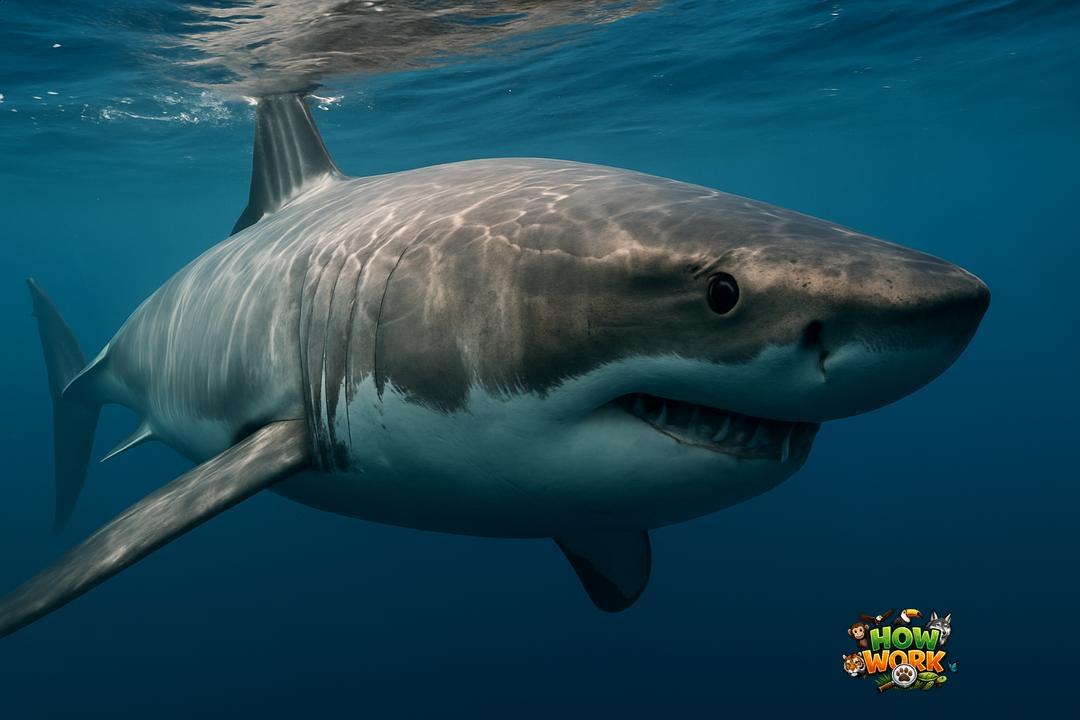
Imagine gliding through the blue, muscles built for power, senses primed to pick up heartbeats from far away. That’s life for a shark, one of the planet’s most misunderstood and spectacular animals.
Beyond the sharp teeth and sensational headlines, shark biology is a complex science blending anatomy, instinct, and millions of years of evolution. Sharks play a pivotal role in keeping ocean ecosystems healthy; in fact, the survival of countless other species, even the health of coral reefs, can depend on them. Despite evolving over 400 million years ago, there is still much we’re only beginning to uncover about these creatures.
But most articles focus on fear, myths, or a few incredible facts, rarely digging deep into the practical science or the latest discoveries that actually shape how we understand (and protect) sharks.
This guide takes you into the real heart of shark biology. You’ll learn how their bodies work, discover the secrets behind their super senses, and find out what truly threatens their existence, from a hands-on, science-first perspective. Ready to see sharks in a new light?
What makes shark biology so fascinating?
Why are sharks so endlessly intriguing? Their biology offers some of the wildest surprises in the animal kingdom, blending ancient design with modern-day importance.
Why do sharks captivate our imagination?
Sharks are ancient predators shaped by more than 400 million years of evolution.
They’ve outlasted dinosaurs and survived through Earth’s biggest mass extinctions. Their unusual features, like skeletons made of cartilage, help them move fast and save energy. Many sharks use electroreception and special organs called lateral lines to sense even the tiniest movements or electrical signals from prey. People are drawn to these abilities because they seem almost superpowered. For example, some sharks can detect charges so weak they could pick up a single AA battery from thousands of miles away. Want more shark moments? Try visiting an aquarium at night to watch how their senses work when the lights go down.
Role of sharks in ocean ecosystems
Sharks regulate marine populations and are considered keystone species in healthy oceans.
As top predators, they keep other marine species in balance and prevent “mesopredator release.” This simply means they control the numbers of mid-level predators, so smaller fish and seagrass aren’t wiped out. Over 500 different shark species live in places from tropical lagoons to icy polar seas. But many face challenges, around 40% of sharks and rays risk extinction, and about 100 million sharks are caught yearly. Healthy shark populations support coral reef health and fish abundance, so one way to help is to support sustainable seafood and conservation groups that protect these crucial animals.
Unique anatomy: Adaptations for predation and survival
Sharks are built for hunting in ways that most animals can only dream of. Their bodies are loaded with features that give them huge survival advantages in the water.
How shark skeletons differ from bony fish
Sharks have cartilaginous skeletons, not bones.
Unlike bony fish, their skeletons are made almost entirely of flexible cartilage. This makes them lighter and helps with energy-efficient swimming. Some sharks, like the shortfin mako, can reach speeds over 30 mph. Cartilage allows them to bend and twist quickly to catch prey and escape threats. Amazingly, shark skeletons have partially calcified vertebrae for strength, but no real bones. Cartilage in sharks is even being researched for its rare resistance to cancer. Next time you spot a shark cruising, notice its smooth, undulating moves, thank the cartilage.
Specialized senses: Electroreception, lateral lines
Sharks are equipped with specialized senses for finding prey and detecting movement.
They use the ampullae of Lorenzini to pick up electric fields from hidden prey, even under sand. Hammerheads boost this sense with their head shape, expanding their “search area.” The lateral line tracks vibrations and water movements up to 800 feet away. Great whites sometimes hunt in groups and adapt their strategy based on prey. You can try this at home, gently tap one side of a fish tank, and you may see fish turn their heads, acting on similar sensory cues.
Teeth, jaws, and skin: Built for hunting
Sharks have jaws and teeth designed for gripping, tearing, and constant use.
Their jaws are loosely attached and can jut out for a wider bite. Teeth fall out and regrow throughout their lives, some sharks replace thousands during their lifetime! Different species have bites suited to their food: horn sharks crush hard shells, while blacktips slice fast-moving fish. Shark skin is covered with skin denticles, tiny tooth-like scales that reduce drag. This makes them quieter and faster, like wearing a permanent speed suit. Learning how these adaptations work helps inspire inventions, from better swimsuits to ship hulls that resist barnacles.
How sharks sense their world: Vision, smell, and more
To hunt and survive, sharks use a toolkit of senses that most animals can only dream about. They see, smell, and even “feel” the electric fields around living things.
Comparing shark vision to human vision
Sharks have low light vision far better than ours.
Shark eyes can adjust their pupils just like humans, but they also have a thicker, rounder lens. For example, a lemon shark’s lens is about 7 times stronger than a human’s for underwater focus. This lets sharks spot prey in dark, murky waters or at night, times when our eyes would struggle. In bright daylight, humans see colors better, but sharks rule the shadows. Try this: notice how your own vision dims underwater, and imagine a shark easily tracking movement in the dark.
Olfactory tracking: Smelling prey from afar
Sharks can smell one drop of blood in the ocean from far away.
Some studies say they detect blood or amino acids at 1 part per billion, or trace scents hundreds of meters to kilometers through the water. Fishermen use “chum”, bloody fish parts, to attract sharks over long distances. When a shark hunts, smell is often the first clue it uses. If you drop scented bait in an aquarium, you’ll see fish investigate, sharks do this on a much bigger, sharper scale.
Electroreception: The sixth sense
Sharks sense electrical fields using the ampullae of Lorenzini, a true sixth sense.
These gel-filled pores on their snout detect the weak bioelectric fields from a live fish’s heartbeat, even when hidden under sand. Hammerhead sharks have extra pores for greater sensitivity. This sense works within about a meter, close enough for a precise bite. Marine scientist Dr. Robert Hueter says sharks “receive sensory input through… electroreception, a sensitivity to electric fields.” Next time you watch shark footage, notice how often they find hidden prey, they’re not guessing, they’re sensing the invisible.
Shark behavior: Hunting, social life, and migration
Sharks do more than just swim and hunt alone. Their behaviors, how they hunt, travel, and interact, shape their survival across oceans.
How do sharks hunt?
Sharks hunt using stealth, speed, and short-range electroreception to detect hidden prey.
They often circle, then strike fast from below, jaws jutting out and bodies twisting for a powerful attack. In places like the Bahamas, tiger sharks have been observed circling divers and even investigating bait with slow, deliberate passes. When multiple sharks feed together, a “feeding frenzy” can erupt, where competition is fierce and rules are few.
Migration patterns and why they matter
Many sharks migrate thousands of kilometers each year, following prey and environmental cues.
Some, like soupfin sharks, return to their birthplace every three years, a behavior called philopatry. Others, such as tiger sharks, remember good hunting grounds and cross entire ocean basins to find food. Migration helps define safe passages, called corridors, which are crucial for conservation. Scientists say, “Migration is a fundamental activity… to search for food as their prey also migrate.”
Social structures: Solitary vs group behaviors
Most sharks are solitary, but some form groups, especially for feeding or during migrations.
Hammerheads are famous for forming large, organized schools around food-rich islands, which can help with foraging. At Tiger Beach in the Bahamas, researchers tracked 48 tiger sharks and found they sometimes preferred specific buddies, even though they usually hunt alone. For most sharks, being solo means less competition and more stealth, but in the right conditions, groups become powerful too.
Reproduction and lifecycle: How sharks keep the balance
Shark reproduction and life cycles are slow and full of remarkable twists. Their unique balance between egg-laying, live birth, and long waits shapes shark populations around the world.
Shark mating rituals and birthing methods
Sharks use both egg-laying and live birth, with fascinating rituals and parenting styles.
Some lay eggs (oviparous), some hatch eggs inside then give birth (ovoviviparous), and others deliver live pups with placenta-like connections (viviparous). For example, basking sharks hatch eggs inside and pups even eat extra eggs before birth! Tigers use live births, producing only 3-6 pups every 3 years. Oddly, some sharks can trigger parthenogenesis (asexual birth), but this is extremely rare and not ideal for strong populations. Mating rituals like nose-to-tail circling or courtship bites are common, and sometimes females breach the water to attract a mate.
Long gestation and slow maturity
Shark pregnancies can last up to 3.5 years, some of the longest in the animal kingdom.
Frilled sharks hold the record, with pups developing for over three years. Caribbean reef sharks need about a year per pregnancy, while tiger sharks pause for several years between litters. These long cycles mean many sharks don’t reproduce often, and pups are usually big but few, sometimes just 2-6 per litter. That’s very different from most fish and even many mammals.
Vulnerability and role in population stability
Slow reproduction and low litter sizes make sharks vulnerable to overfishing and slow to recover.
Less than ten pups every few years means a single bad season for adults can set a whole population back. Live-bearers tend to thrive in shallower waters and can be targeted more easily, while deep-sea egg layers are at risk from threats like trawling. Even the rare strategy of asexual birth, parthenogenesis, isn’t great for keeping shark populations strong. Protecting breeding sites helps ensure the next generation survives and maintains balance in the ocean food web.
Conservation challenges: Threats and solutions for shark populations
Sharks are vital for a healthy ocean, but their populations are dropping fast. Let’s break down the biggest risks and the real ways we can help these ancient predators survive.
Bycatch and overfishing dangers
Unintentional bycatch and targeted overfishing remain major threats to sharks worldwide.
About 100 million sharks are killed each year. Bycatch happens when sharks are caught accidentally by fishing gear meant for other fish. Many die before they can be released. Overfishing, removing more sharks than nature can replace, leads to shrinking populations. Choosing seafood from sustainable sources can help reduce this risk.
How finning impacts shark populations
Finning causes a steep decline in shark numbers and leads to cruel deaths.
Finning means removing a shark’s fins (for soup or trade) and dumping the body back at sea. Populations can’t bounce back, removing just a few big adults each year can have real consequences. Shark species targeted for finning, including hammerheads and oceanic whitetips, have dropped by over 70% in some regions. Supporting fin-free policies and choosing restaurants that don’t serve shark fin can make a direct difference.
What works: Conservation success stories
International protections and local sanctuaries are helping some shark populations recover.
Palau created the world’s first shark sanctuary, banning shark fishing in its waters. Several countries now have finning bans, and some shark numbers are stabilizing. Protected marine areas allow populations to rebuild over time. Want to help? Support groups fighting for marine protected areas, and use your consumer choices to help sharks worldwide.
Why understanding shark biology matters for our oceans
Healthy oceans depend on sharks.
Sharks control food webs by preying on sick and weak fish. This keeps populations balanced and reduces the spread of disease. Many experts call sharks keystone predators, they have a big impact even though their numbers are low.
Sharks help coral reefs stay healthy by controlling the mid-level predators that might otherwise eat all the plant-eating fish. In Pacific atolls, grey reef sharks deposit about 51 kilograms of nitrogen daily, making reefs more productive. Reef sharks in the Bahamas, for example, link up offshore and reef habitats, moving vital nutrients around and boosting biodiversity.
Some shark species are seen as indicator species. Where shark populations are healthy, you’ll often find higher fish biomass and better ecosystem resilience. The decline of oceanic sharks by 71% globally over the past 50 years has caused serious imbalances in many marine environments.
Understanding shark biology helps us recognize what roles each species plays, whether it’s protecting coral, transporting nutrients, or keeping prey from overgrazing seagrass. Scientists stress protecting both shark numbers and their real-world functions to restore oceans. Want to help? Support conservation groups, avoid unsustainable seafood, and share what you learn, every action helps our oceans recover.
Sharks have 6 to 8 specialized senses, including smell, vision, hearing, taste, touch, electroreception, and a lateral line to detect vibrations.
Sharks can detect small amounts of blood in the water, but the exact distance depends on water conditions. It's unlikely they smell it from miles away.
Sharks reproduce through egg-laying, live birth, eggs hatching internally, and rare asexual methods. Most species produce few young, making recovery from population losses slow.
Sharks are vulnerable because they grow slowly, mature late, and have low reproductive rates. These factors make it hard for their populations to recover from heavy fishing.
Sharks use special organs called ampullae of Lorenzini to detect electrical signals from animals, allowing them to find hidden prey buried in sand or mud.