Symbiosis: Animals That Live and Work Together
Symbiosis isn’t just coexistence, discover how animals forge partnerships for survival, with practical examples of mutualism, commensalism, and more.
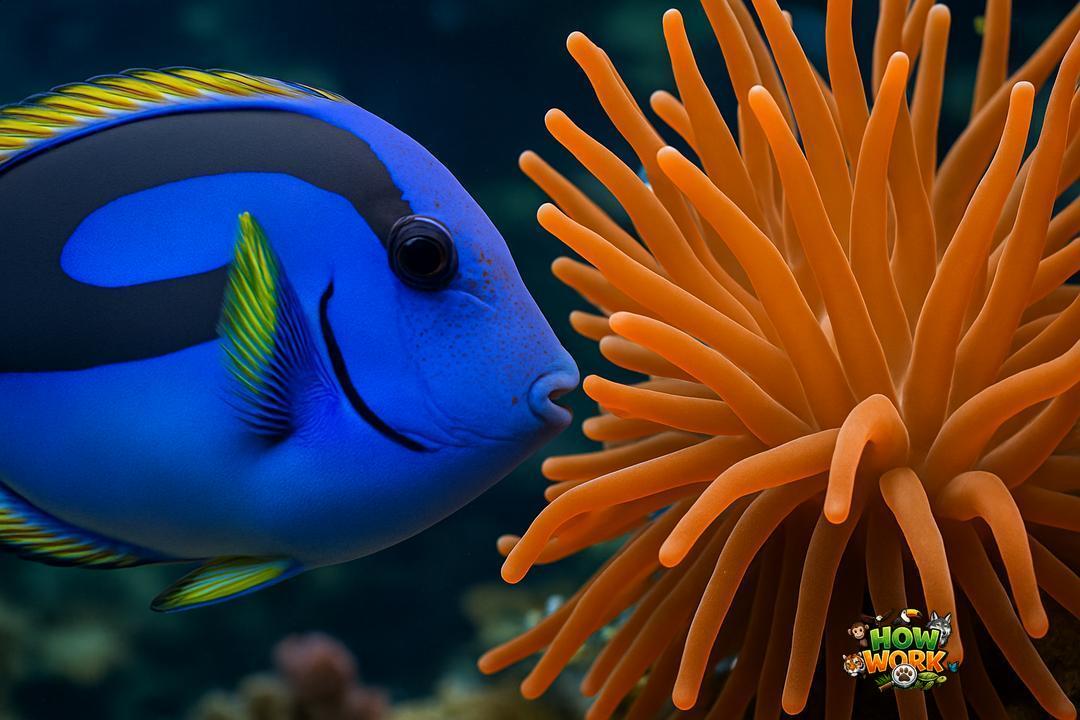
Imagine a world where survival depends not only on your skills, but on teaming up with unlikely partners. That, in a nutshell, is the magic of symbiosis. Why do some fish make bodyguards out of anemones? Why do birds hitchhike rides across the African savannah atop massive mammals? Turns out, sometimes the best way to thrive in nature is to form partnerships, even with those you’d never expect.
Symbiosis isn’t just jargon from biology class, it’s a critical force shaping how life exists on Earth. Scientists define symbiosis as any long-term interaction between different species, often leading to fascinating ecological outcomes. From nutrient cycling in forests to the evolution of complex life forms, these partnerships literally build the world’s biodiversity. Many creatures, from corals to cows, couldn’t survive without their allies.
But here is the thing: most articles brush over this topic, reducing it to simple “helpful friends” examples. That misses a ton of nuance. Real symbiosis can be cooperative, competitive, or downright sneaky. The details, and the exceptions, matter.
This guide will take you far beyond the basics. You’ll get a tour of famous animal duos, explore surprising under-the-radar alliances, and see how these partnerships have changed both ecosystems and evolution itself. Ready to see nature’s smartest team players in action? Let’s start.
What is symbiosis? Defining the basics of animal partnerships
Animals often team up in ways that may surprise you. Symbiosis is about more than just living near each other, it’s about different species depending on each other for survival, whether for food, safety, or even a place to live.
Types of symbiotic relationships: mutualism, commensalism, parasitism
Symbiosis means a long-term biological interaction between two species, with different effects depending on the type.
In mutualism, both species benefit. Clownfish and sea anemones are classic partners: clownfish get protection from predators in the anemone’s stinging tentacles, while the anemone gets food scraps and improved water flow from the clownfish’s movements.
Commensalism means one animal benefits, while the other isn’t affected. For example, barnacles attach to whales for easy travel and better feeding, but the whale barely notices.
Parasitism is less friendly: the parasite gains, but the host suffers. Isopods and copepods may latch onto crabs or fish, feeding off them and causing harm.
If you want to see real-life examples, visit a nearby aquarium or nature documentary, and look for these animal duos in action.
How scientists study symbiosis in the wild
Scientists observe and track real-life animal partnerships both in the wild and in the lab.
Researchers like those from NOAA use deep-sea dives to witness mutualism, such as tube worms and bacteria, in hard-to-reach places. In the lab, scientists have studied how mycorrhizal fungi live with plant roots for over a century.
Modern tools like genetic testing and close-up cameras let experts confirm which animals interact and how their relationships work. If you’re curious to spot symbiosis yourself, try quietly watching a group of birds or insects, the hidden partnerships might be right in front of you.
Classic symbiotic relationships: mutualism in action
Some animal pairs are so good at working together, they’ve become world-famous. These classic cases show what real mutualism looks like. Let’s see how these partnerships give each animal an edge.
Clownfish and sea anemone: how the partnership works
The key to this partnership is safety from predators in exchange for cleaning of parasites and sharing food.
Clownfish have a special mucus that stops them from being stung by the anemone’s tentacles. Almost all other fish would get hurt.
The anemone protects the clownfish from bigger fish. In turn, the clownfish cleans parasites off the anemone and leaves behind food scraps.
Studies show anemones can grow up to 20% larger with clownfish neighbors. This is facultative mutualism, both benefit, but they can live without each other if needed.
Want to see it in action? Watch a documentary about the Indo-Pacific coral reef or visit a marine aquarium.
Oxpeckers and large mammals: mutual benefit explained
This is a real partnership where both bird and mammal gain.
Oxpeckers ride on zebras, rhinos, and buffalo. The birds eat up to 100 parasites a day, ticks and bugs that bother their hosts.
The large mammals get fewer parasites and cleaner wounds. The birds get food and a good place to perch.
Still, some scientists debate if oxpeckers always help. Sometimes the birds may reopen wounds instead of healing them.
For a real look, watch oxpeckers on impalas in wildlife documentaries from the Serengeti.
When one benefits, the other doesn’t: commensalism and beyond
Not all animal partnerships are about helping or harming. Sometimes, only one wins, while the other doesn’t notice much at all. This section explores those one-sided relationships and what happens when even that’s missing.
Examples of commensalism in nature
Commensalism is when one benefits and the other doesn’t seem to care.
The classic commensalism story is barnacles and whales. Barnacles glue themselves to whales for a free ride and better access to plankton, but the whale feels almost no effect.
Another good example is cattle egrets and cows. As cows walk through grass, insects jump into the air, and the egrets snap them up. The cows lose or gain nothing.
Next time you’re by a field or water, look for birds following bigger animals. You might spot commensalism in action.
Neutralism and rare interactions
Neutralism is rare, with neither species gaining or losing.
Scientists find it tough to prove true neutralism in nature since most animals interact in some way, even if it’s small.
Some propose cases like tarantulas and frogs sharing burrows, but research says even these pairs may help each other. So, neutralism is more idea than reality in the wild.
If you enjoy observing animals, consider the hidden connections, sometimes “nothing happens,” but often there’s more to the story.
Survival at a cost: parasitism in animal worlds
Parasites may look small or harmless, but they’re survival experts. These one-sided relationships can get weird, especially when parasites start calling the shots.
Parasites that change animal behavior
Some parasites actually change animal behavior to help themselves spread.
A famous case: Toxoplasma gondii makes mice lose their fear of cats, so they get eaten and the parasite finishes its life cycle in the cat. This isn’t rare; scientists say “behavior and parasitism are so tightly intertwined that we often cannot understand one without considering the other.”
Modified behavior can mean a higher risk for the host and easier travel for the parasite. These changes can disrupt normal social networks and even shift mating or feeding behavior.
If you ever see a documentary about “zombie ants”, where a fungus takes control of the insect’s movements, that’s another wild example in action.
How hosts defend against parasites
Hosts rely on behavioral avoidance as their first line of defense.
For example, lemurs pick drinking spots without parasite risk, and sheep graze where the grass is clean. Herd animals may even avoid sick friends, and researchers show these choices can pass down by genetics.
Experts say, “Avoidance behavior represents a powerful first defense… shaped by natural selection.” If you have pets, you can borrow their survival tactics and keep them healthy by regularly using parasite preventives, think flea and tick treatments.
Hidden partnerships: surprising and rare symbiotic relationships
Nature hides some of its coolest partnerships in plain sight. These rare alliances can make or break survival, and sometimes they cross the boundary between plant and animal worlds.
Obligate vs. facultative symbiosis
Obligate symbiosis means the partners can’t live without each other, while facultative symbiosis is helpful but not required for life.
Pseudomyrmex ants and Vachellia trees need each other: the trees give shelter and food, and the ants defend the trees from hungry animals. In Japanese forests, rare orchid partnerships with fungi help both survive in tough conditions by reducing competition.
An easier example is cattle egrets, which eat bugs stirred up by grazing cows, but could find food elsewhere if needed.
If you want to spot these, look for ants in acacia trees in nature documentaries, or wild orchids clinging to tree trunks during forest hikes.
Plants and animals: interkingdom teamwork
Interkingdom teamwork happens when animals and plants work together to boost survival.
In Spain, wall lizards eat insects from arum lilies and help spread the plant’s seeds. In Uganda, warthogs enjoy a spa day as mongooses pick off parasites. Forests are linked by the mycorrhizal Wood Wide Web, where fungi connect tree roots for trading food and water below ground.
Keep an eye out for birds hopping between cows or wildflowers, many surprising partnerships happen right under your nose if you look closely.
Symbiosis shapes the wild: ecological and evolutionary impact
Look closely at any thriving ecosystem, and you’ll find teamwork at its core. Symbiosis isn’t just for a few species, it’s the scaffolding for life everywhere, shaping what survives and how.
Why biodiversity depends on symbiosis
Biodiversity depends on symbiosis to let more species share space and survive tough times.
Microbial partnerships drive which plants and animals thrive in many communities. When big changes hit, like coral bleaching, symbiotic algae help reefs recover and rebuild faster. By creating special connections, these relationships can even start new species from scratch.
Want to spot this in action? Check out coral reefs or forests where many different species rely on each other and tiny microbes for balance.
From mitochondria to coral reefs: symbiosis through evolution
Symbiotic partnerships can reshape evolution, building whole new levels of life from simple beginnings.
The cells in your body run on mitochondria, which started out as free-living bacteria millions of years ago. Thanks to their “team-up,” cells evolved amazing new powers. In coral reefs, corals and tiny algae have formed some of the richest, most complicated homes for life on Earth.
So, mutual dependence isn’t just a current event, it’s been at the heart of evolution for billions of years. When you look at a healthy ecosystem, you’re seeing the impact of long-term teamwork.
What animal partnerships teach us about nature’s web of life
Animal partnerships teach us nature’s web of life is a rich network of connections and mutual support, far more complex than a simple food chain.
Every species, from tiny insects to large mammals, plays a role in keeping ecosystems healthy. For example, pollinators like bees and birds help plants reproduce, while seed dispersers, including rodents and some birds, keep forests growing by spreading seeds. If one link breaks, like when habitat loss removes just one animal, entire ecosystems can tumble.
Real-life cases show this balance: Clark’s nutcrackers hide pine seeds, letting new trees sprout and feeding predators like hawks. Even small players shape survival; bats, birds, and bugs move both pollen and energy across the web.
Experts, including Charles Darwin, have long noted the deep “sympathies” connecting humans and animals. Many Indigenous cultures view nature as a shared web that includes people, not just wildlife. This means every action, protecting habitats, reducing waste, or planting native flowers, strengthens the bonds holding nature together.
Bottom line: What animal partnerships show us is that stability, resilience, and healthy environments depend on cooperation at every level, reminding us our choices matter in this web too.
Symbiosis is a long-term relationship between different species, where at least one animal benefits. The relationship can be mutualistic, commensal, or parasitic.
Mutualism benefits both species, commensalism benefits one without affecting the other, and parasitism benefits one and harms the other.
Yes. Classic examples include clownfish and sea anemones, oxpeckers and buffalo, and pilot fish cleaning parasites from sharks.
Symbiosis supports biodiversity by allowing diverse species to coexist and depend on each other, shaping healthy, stable ecosystems.
Symbiotic relationships promote survival, drive co-evolution, and keep food webs balanced, making ecosystems more resilient to change.