
Tide Pools: Miniature Worlds Along the Shore
Tide pools offer a stunning glimpse into coastal marine life. Discover how these dynamic ecosystems work and what makes them special.
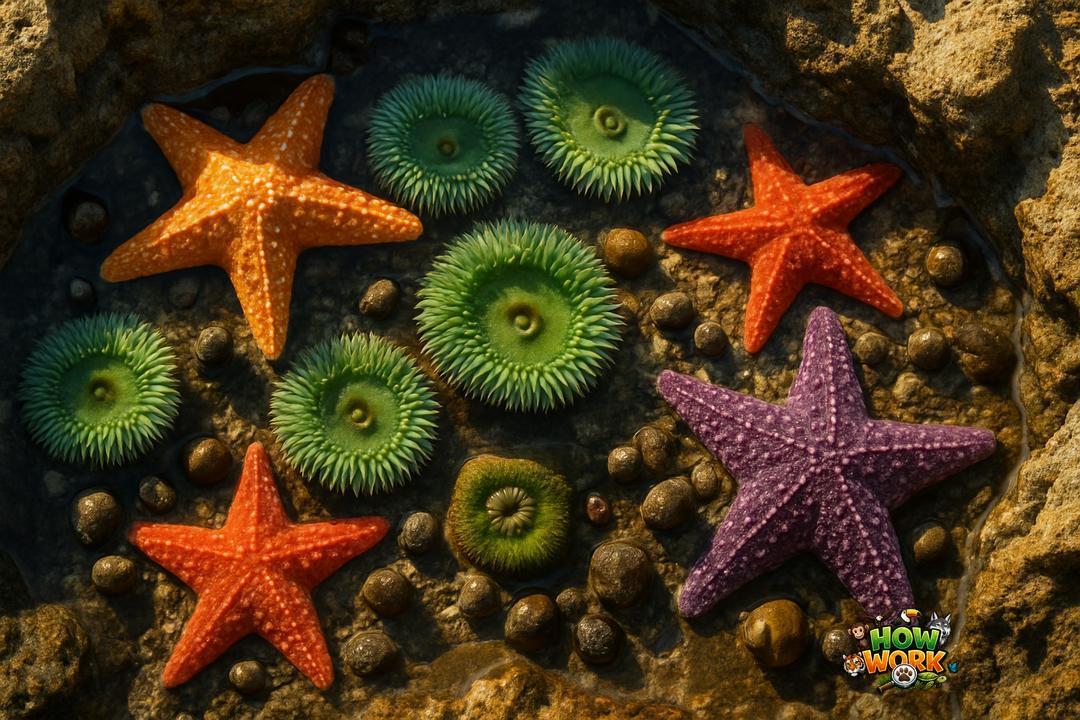
Ever peered into a gleaming pool left behind by the receding tide and wondered what tiny dramas play out between the rocks? Tide pools are nature’s miniature aquariums, teeming with life and constantly changing with each pull of the ocean.
These rocky puddles are more than just scenic spots along the shore. Scientists have studied tide pools for decades to learn about resilience, adaptation, and the impact of shifting environments. Each pool is a world apart, sometimes scorching, sometimes frozen, always demanding new survival strategies from its tiny residents.
Yet, many guides just skim the surface. They might give you a list of creatures to spot or best beaches to visit, but skip the fascinating reasons why certain species rule these microcosms, how changing climates are quietly rewriting the rules, or what your presence there truly means for the ecosystem.
This article takes you deeper. We’ll unlock the science behind how tide pools form, reveal the hidden struggles and ingenious tactics of their inhabitants, unpack the joys (and responsibilities) of tide pooling, and explore what these living laboratories tell us about the health of our oceans. Ready to get your feet wet?
What are tide pools and how do they form?
Tide pools are nature’s small windows into ocean life. Let’s step into how these unique tiny habitats form right along the shore.
The intertidal zone explained
The intertidal zone is the stretch of coast between high and low tide marks.
It’s split into areas: some always stay dry, others get splashed or covered by water as the tide moves. Life here needs tough adaptations. Mussels and anemones, for example, close up tight to avoid drying out when the water pulls back. In places like New England, the sun and shade mean some outcrops have different animals and algae than others nearby.
Scientists believe the intertidal zone once played a key role in helping life move from water to land, about 400 million years ago. Today, you’ll find rocky outcrops with colorful barnacles, algae, and snails, especially if you look right after the tide goes out.
Tidal cycles and pool creation
Tidal cycles create tide pools by trapping seawater in rocky hollows as the tide falls.
Each day brings two high tides and two lows, shaped by the gravity pull of the sun and moon. The tides change on a predictable ~25-hour schedule. When high tide covers the rocks, water fills every crack and dip. As it recedes, pools of water get left behind, sometimes just inches deep, sometimes much larger, especially in places like Deception Pass with volcanic rock grooves.
A good tide pool tip: visit during “spring tides” when the tide peaks are most extreme, these times leave more pools exposed. Look for spots where new waves splash and refresh water, bringing tiny plankton that keeps the tide pool food web going strong.
Surviving the extremes: Life’s challenges in tide pools
Survival in a tide pool is never easy. These tiny worlds test every creature, every day.
Temperature and salinity swings
Extreme temperature shifts and salinity swings make tide pools a tough home.
When the tide is in, water keeps things cool and stable. Once it goes out, air brings big temperature changes. Some animals even make antifreeze chemicals to last through chilly nights.
Salinity fluctuates as water evaporates or when rain falls. Some high-tide pools get so salty, only super-tough creatures survive. In contrast, a sudden rainstorm can make a pool much less salty in minutes.
Species in the mid-zone play a balancing act. They’re used to both wet and dry, hot and cold. If you visit, notice different animals in damp shady cracks versus sunny open rocks, each spot is a test in survival.
Waves, predators, and dehydration
Strong waves, predator exposure, and water loss are daily threats in tide pools.
Mainly in the low zones, waves can blast creatures right off rocks. That’s why mussels, barnacles, and snails cling so tightly with suction or glue.
Predator exposure rises as tide pools get more open. Sea stars and crabs hunt during low tide, while birds wait for their chance. It’s legally banned in many places to remove animals like mussels, since this makes them easy prey and harms the cycle.
Dehydration (drying out) is a killer at high tide marks. Adaptations preventing moisture loss, closing shells tight or hiding under kelp, make all the difference. Want to help? If you gently flip a rock to look for life, always return it exactly as found. That small act protects tiny shelters from the harsh sun and wind.
Who lives here? Common and surprising tide pool inhabitants
Tide pools look small, but they’re full of life. Every six hours, a new cast of characters appears or hides as the tides shift.
Star species: sea stars to hermit crabs
Sea stars, hermit crabs, and barnacles are classic tide pool residents, but there’s more variety than most expect.
You’ll often spot ochre sea stars, bright orange or purple, gripping rocks with thousands of tube feet. Other stars, like leather, blood, or even six-rayed species, also thrive here.
Hermit crabs reuse snail shells, often freezing in place if you get close. If you look under ledges, you might find purple shore crabs darting away. Barnacles keep themselves glued tight with a natural cement so strong, scientists are studying it for use as a permanent glue.
Sometimes, you can spot surprises, like shiny polychaete worms wiggling under rocks or even anemones that have swallowed small birds thanks to powerful stinging cells. Try to move slowly and watch for small, fast-moving shapes between stones. That’s often where the unusual creatures hide.
Plant life and algae
Seaweed and algae cover much of the tide pool, providing shelter and food for animals.
Thick tufts of green and brown algae mark a healthy pool. These plants trap water and help keep small creatures cool and wet. Green anemones, while not true plants, stretch their tentacles to catch passing prey but close tight when out of water.
When waves bring in plankton, algae take advantage to grow fast. One practical tip: If a pool looks bare or its plants are peeling away, it might be struggling. Stick to pools with lush growth, these are where you’ll find the most animal action.
Best times and tips for tide pooling adventures
Tide pooling is best when you know when, and how, to go. Planning boosts both safety and fun for every explorer.
Catching the negative tide
The best tide pooling happens during a negative tide.
Negative tide means the water drops below average low tide, exposing even more pools and sea life. Check tide charts before heading out. These are easily found online or posted at beaches. Spring and fall bring extra low tides, which offer prime viewing. A good trick: arrive an hour before the listed lowest tide, so you catch all the action as pools emerge.
Early daylight is safest and offers the most active critters, according to many field biologists. Avoid evenings, since tides can rise quickly once they turn.
Safety tips and must-bring gear
Tide pooling is safe when you use the right gear and habits.
Wear grippy shoes to avoid slipping, rocks and seaweed get slick. Never turn your back on the ocean; a wave can surprise you. Always let someone know where you’re going, or go in a group for extra eyes on changing water.
Smart gear choices matter. Pack a waterproof bag for your phone and keys. Dress in layers for changing weather, bring sunblock, and use a field guide if you want to ID what you find. One last tip: always put rocks or animals back gently, so the pool stays healthy for the next visitor, human or animal!
Practicing gentle tide pool etiquette
Protecting tide pools starts with your visit. A few simple habits keep these magical places alive for the next explorer.
Leave no trace guidelines
Leave no trace means take nothing and leave everything as you find it.
Don’t collect shells, plants, or animals. It’s illegal at many tide pool sites and harms the ecosystem. Always replace rocks as found because upside-down rocks can kill creatures living underneath.
Signs at most beaches remind visitors of these rules. When exploring with kids, teach them to look with their eyes, not their hands.
Wildlife ethics for observers
Hands off wildlife, observe, don’t disturb.
Quiet watching gives you the chance to spot more animal behavior. Handling starfish, sea urchins, or crabs stresses animals and may injure them. Biologists need special permits to touch wildlife for this reason. If you see anyone collecting tide pool animals, report illegal collecting to a park ranger right away.
One easy way to help: gently tip rocks to check for hidden creatures, but always set them back how you found them. That way, tide pool life keeps thriving for everyone.
Tide pools as ecological powerhouses
Tide pools are small, but their impact stretches far. These pockets support both tiny and giant parts of the shore food chain.
Food webs in miniature
Tide pools pack complex food webs in a tiny space.
Algae and seaweed start the chain by making energy from sunlight. Snails, limpets, and small fish eat plants or plankton, then crabs, sea stars, and anemones hunt the grazers. Some tide pools on the Pacific coast shelter over 1,000 species, that’s more than some entire habitats on land.
Scientists call them “micro-ecosystems.” Each creature fits a role. Even dead matter doesn’t go to waste; decomposers keep things balanced. Here’s a tip: look closely at pools right after high tide, you’ll notice hunters like sea stars following waves in search of food.
Shorebirds and the surrounding ecosystem
Tide pools give shorebirds hotspots packed with food, fueling big migrations and local nesting.
Sandpipers, plovers, and herons rely on these pools for tiny crabs, worms, and fish. Birds often flock to the same pools year after year, passing energy up the food chain. Studies show that tide pool nutrients also support nearby plants and even help control shoreline erosion by stabilizing soils with algae mats.
Want to see action? Visit at low tide and notice where groups of birds gather, they’re often where the best healthy pools are. This ecosystem link is why protecting tide pools means protecting an entire coastal web, from seaweed to shorebirds.
Tide pools and climate change: What scientists are seeing
Tide pools act as tiny test labs for the bigger ocean. Scientists use them to spot early signs of climate change, right along the shore.
Long-term research finds
Decades of long-term research show that tide pool life is changing.
On the California coast, scientists from Stanford and Monterey Bay have watched tide pools for almost 90 years. They’ve recorded big species shifts and losses, including famous ochre sea stars, which nearly vanished after a wasting disease outbreak.
Researchers also note rising temperatures in some pools, and water chemistry getting more acidic. One specialist calls tide pools “ocean change in miniature”, meaning what happens here often hints at wider ocean problems to come.
Want to join the effort? Many groups welcome citizen scientists to help track species and conditions. Ask at local aquariums or parks to get started.
Visible signs of change
Tide pool changes are easy to spot if you know what to look for.
Watch for visible die-offs like piles of dead starfish or sudden algal blooms turning water green. In warmer spells, creatures like mussels can cook in their shells when air temperatures jump several degrees during summer lows.
Ocean acidification sometimes leads to weaker shells on snails and crabs. Small pools show these changes fast, so anyone can notice shifts from season to season. If you see a drastic change, lots of sick animals or odd water color, report it to local wildlife groups. Your observations can help scientists protect these tiny worlds.
Why tide pools inspire: Conservation starts at the shore
Conservation starts at the shore, tide pools inspire curiosity, care, and hands-on action for ocean health.
For many, tide pools offer the first up-close meeting with sea life. Studies suggest these mini-ecosystems motivate people to learn more about marine science and act in defense of our seas. Experts at places like Monterey Bay often call tide pools the “ocean’s smallest worlds,” showing how even simple encounters can lead to lifelong stewardship.
Conservation works best in small, local steps. When families join beach cleanups, share tide pool finds on social media, or teach kids gentle exploring, these simple daily choices ripple outward. Real-world programs, like ocean ambassador field trips at Pacific coast reserves, prove that local action builds lasting change.
When you protect what’s right at your feet, you’re part of something much bigger. Every shell left in place, every rock turned back, and every story told helps inspire future stewards. In the world of conservation, even the smallest tide pool makes a big difference.