
Whale Species: Giants of the Ocean Explored
Whale species fascinate ocean lovers and scientists alike. Explore types, behaviors, threats, and what you can do to protect these giants.
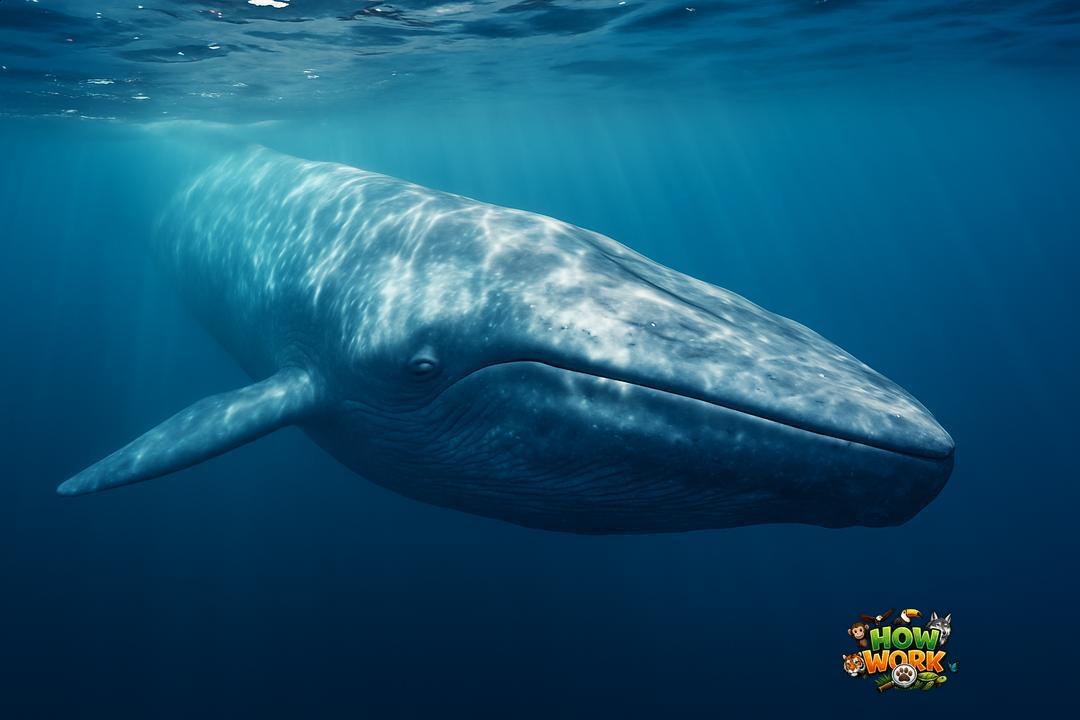
Ever wondered what it would feel like to stand next to an animal longer than a school bus? Now picture that giant gliding through the ocean, disappearing into deep blue shadows, mysterious, powerful, and often misunderstood.
When we talk about whale species, we’re diving into a world of remarkable diversity. There are over 80 known types, split between baleen and toothed whales. Their role as ocean giants is more than just impressive, they shape the marine ecosystem, signal ocean health, and face complex threats from us. Many experts now stress how critical it is to protect even the rarest whales, like the North Atlantic right whale, to keep our oceans balanced.
But here’s the thing: most guides gloss over the real depth of the whale story. They stick to simple “biggest animal” trivia and often miss the high-stakes drama of migration, the marvel of whale communication, or how noise pollution and microplastics rewrite their world in real time.
This article does more than skim the surface. You’ll get up-close with the science, the quirks, and real-world threats facing these gentle giants. We’ll share practical conservation tips, answer your biggest questions, and reveal what makes each species unique, arming you with insights whether you’re a marine enthusiast or a newcomer to ocean wonders.
Understanding whale diversity: baleen versus toothed giants
No two whales are exactly alike, but their family tree splits into two big branches. Baleen versus toothed whales, that’s the first thing to know about how varied these ocean giants really are.
Key differences in anatomy and feeding
Baleen whales filter; toothed whales hunt.
Baleen whales, called Mysticeti, don’t have teeth. Instead, they use keratin baleen plates, sometimes almost 1 meter long, like a giant comb to filter krill and tiny sea creatures from the water.
Toothed whales, or Odontoceti, have up to 77 species. They use real teeth to grab fish, squid, or even mammals, and have a special “melon” organ to help them “see” with sound, called echolocation.
Baleen whales are usually much larger and have two blowholes, while toothed whales have just one.
If you’re watching whales, look for their mouths, are they smooth or filled with plates? That clue can tell you which group you’re seeing.
Examples: blue whale, sperm whale, orca
The blue whale is a baleen giant; the sperm whale and orca are toothed.
The blue whale is the largest animal ever. Its 1 meter baleen filters tons of krill daily. Rorquals, a family that includes blue whales, are famous for gulping massive mouthfuls in seconds, which is called lunge feeding.
The sperm whale dives deeper than most, hunting giant squid far below the surface. It has cone-shaped teeth perfectly designed for grabbing slippery prey.
Orcas, or killer whales, travel in family groups and use 40+ tooth pairs to hunt seals and fish. They even work as a team to trap their next meal.
Every species adapts to its own diet and hunting style. If you’re out at sea, spotting a huge open-mouthed whale skimming water for prey? You’re probably seeing a baleen whale at work.
Where whales roam: migration, habitat, and the ocean’s highways
Picture the ocean as a watery superhighway. Whales use these “blue corridors” to connect faraway homes. Their journeys can span entire oceans, linking where they feed with where they raise young.
Famous migration routes
Some whales travel over 6,500-8,000 km each year to survive.
Humpback whales swim from icy Antarctica all the way to the Great Barrier Reef in Australia. Along the way, mothers and calves stick close to coastlines for safety from predators and ship traffic.
Southeast Pacific humpbacks migrate between the Magellan Strait and tropical waters off Colombia and Panama. These paths cross busy shipping lanes, which increases the risk of collisions.
Blue whales pick their favorite feeding grounds, like the California Current, returning year after year for krill feasts. If you want to spot whales, try visiting well-known migration hotspots during the season, you might just catch them on their epic journey.
How habitats shape whale behavior
Whale habitats decide how they feed, breed, and travel.
In cold places, whales dive deep for krill and fish. Warm, quiet coastal areas are best for calf nursing and playful breaching. Females with calves often stick to coastal “Area Restricted Search” zones rich in food.
Solitary adults prefer faster, open-ocean routes. Climate and ocean changes sometimes shift migration timing or paths. For conservation, protecting both feeding and breeding sites, and the safe corridors between, is key to survival.
Marvels of adaptation: filter-feeding, communication, and deep dives
Whales have evolved some of nature’s wildest tricks to survive. Let’s look at how their bodies and behaviors stack up with the rest of the animal world.
How filter-feeding works
Baleen whales use ram filtration to catch tiny prey.
Bowhead whales swim with mouths wide open, pushing water past giant baleen plates. Ram filtration lets food stick to the bristles as water leaves by the side of the mouth, a process called unidirectional flow.
Most balaenid whales target deep layers packed with copepods. Rorquals use quick lunges instead. If you ever see a whale calmly moving forward with its mouth open, you’re probably seeing ram filtration in action.
Unique whale communication
Toothed whales talk with context-specific burst pulses.
Dolphins and beaked whales switch the type of pulse depending on if they’re near the surface or diving deep. Mothers and calves use social calls at depth to help the group stay together.
Experts say, “Deep-diving toothed whales rely on acoustic communication to relay foraging conditions or location.” Next time you spot a pod, remember they’re chatting in a language built for the dark ocean.
Deepest divers: beaked whales and their record dives
Cuvier’s beaked whales dive for 59 minutes, 1400m deep, to find food.
They use suction-feeding on squid and fish far below the surface. Blainville’s beaked whales regularly go 20-45 minutes and up to 1,400 meters. These deep dives mean whales spend nearly half their life hunting in the dark.
Beaked whales must rest at the surface between dives to repay their oxygen debt. Spotting a surfacing beaked whale is rare, but if you do, you’re watching a true deep-sea champion.
Modern threats: noise pollution, entanglement, and rising risks
Whales may look unstoppable, but they’re feeling real pressure from changes we made in the ocean. A few modern threats stand out, each hitting whales in different ways.
Noise and sonar impacts
Underwater noise triples stress for whales.
Cargo ships, oil drilling, and especially military sonar create walls of sound below the surface. These blasts can cause hearing loss in beaked whales and even make them strand themselves on beaches.
Whales depend on their hearing to find food and each other. You can help by picking quiet, responsible whale-watching tours or supporting calls for quieter shipping.
Entanglement and ship strikes
Three hundred thousand marine mammals are killed yearly in fishing gear.
For North Atlantic right whales, 80% have been entangled at least once. Collisions with large ships are another major risk, often fatal for both calves and adults.
If you enjoy seafood, look for gear-safe labels. Slow-speed zones around whale hotspots also make a big difference.
Microplastics: Hidden danger for baleen whales
Microplastic is now found in 100% of baleen whale samples tested.
As these whales filter huge gulps of water, plastic bits build up in their stomachs. This could interfere with digestion and health, but research is still ongoing.
Every bit of plastic kept out of the ocean helps, choosing reusable everyday items is a simple way to protect your favorite ocean giants.
Conservation up close: Protecting endangered whale species today
Saving whales isn’t just about science, it’s everyone’s job, and sometimes tiny actions matter as much as big policies. Let’s zoom in on what’s working, what’s not, and how you fit in.
Why some whales are critically endangered
Whale numbers drop because of hunting, ship strikes, and lost habitats.
The North Atlantic right whale has fewer than 350 individuals left. The vaquita porpoise (another cetacean) may soon disappear too. Old whaling, fishing nets, and noisy oceans are pushing some species over the edge.
Spotting a whale from shore or in the wild is a reminder, each one counts. Every single life saved matters for species recovery.
What’s being done: tagging, rescue, advocacy
The IWC bans commercial whaling and global scientists use satellite tagging and acoustic tracking to protect whales.
When a whale strands, rescue teams race to help. Conservation groups push for cleaner oceans, safer shipping, and more protected areas. Tagging tells us where whales feed, migrate, and where threats show up.
Want to help? Support groups that fund whale rescues or volunteer for a beach cleanup, both make a real difference.
How individuals can help
Everyone can make choices that help whales survive.
Obey all local whale watch rules for distance and noise. Share citizen science sightings with researchers. Choose seafood caught with safe gear and vote for ocean-friendly policy.
Even talking about whales or sharing their stories spreads awareness. It starts with one person, but enough small actions can build big change.
The future of whale giants: why their fate matters for all ocean life
The fate of ocean giants and ocean health are tightly linked.
Whales are more than just big, they’re climate helpers. Every time a whale dies and sinks, it locks away up to 10,000 kg of carbon in the deep sea. That carbon stays put for centuries, helping fight climate change.
Healthy whale populations also spark phytoplankton blooms with the nutrients they spread. These tiny plants feed fish, capture more carbon, and even give us much of the oxygen we breathe. When a whale falls to the ocean floor, it turns into a feast for hundreds of deep-sea creatures, boosting the marine food web all the way down the line.
Lose whales, and everything starts to shift. Fewer whales mean less food for big ocean animals, less carbon storage, and weaker food webs that make the ocean less resilient to change. That’s why protecting just one whale can help strengthen an entire ecosystem.
Your daily choices, from picking up trash to supporting whale-safe seafood, don’t just help whales. They make a real difference for every living thing that calls the ocean home.
Whales face dangers from ship strikes, fishing gear entanglement, underwater noise, climate change, and the legacy of past whaling. These factors put some species, like the North Atlantic right whale, at high risk.
Several whale species are endangered. North Atlantic right whales and Rice’s whales are critically endangered, with fewer than 400 and about 26 individuals left, respectively. Other species’ status varies.
Whale migrations can reach up to 16,000 miles for some species, such as humpbacks, who travel between tropical breeding and polar feeding grounds. Migration distances and routes may shift due to climate changes.
Baleen whales filter-feed on krill, copepods, and small fish using baleen plates. Toothed whales hunt larger prey like fish and squid. Changes in food availability due to climate or fishing affect their diets.
Some whales, such as bowhead whales, can live over 200 years, making them among the longest-lived mammals. Lifespans vary widely by species and are not fully known for all whales.