Solitary Hunters: The Lone Wolves of the Animal Kingdom
Solitary animals thrive in nature, discover their secrets! Learn why these creatures prefer independence and how it boosts their survival.
Ever felt like you needed space from the crowd, even just for a day? In the animal kingdom, that instinct isn’t just relatable, it’s a full-on survival strategy. Some of the most fascinating creatures on Earth are experts in embracing solitude, making the most of their independence to carve out a unique niche in nature.
Nearly a quarter of mammal species live alone for much of their lives. These solitary animals aren’t simply antisocial, they’re masters of efficiency and stealth. Scientists have found that solitude brings big benefits: stronger territory control, reduced disease spread, and less stress from social conflicts or competition over mates.
The trouble is, solitary creatures rarely make headlines or documentaries the way social species do. Many blogs and articles gloss over the depth and diversity of solitary living, painting it as a lonely fallback instead of a powerful evolutionary choice.
This article flips that narrative on its head. You’ll learn why solitude can be the best way to thrive, get surprising examples (including animals that blend solo and social time), and see how understanding these lone wolves can change the way you think about wildlife. Ready for a walk on the wild side, solo style?
What defines a solitary animal?
Some animals just prefer their own company. But what exactly makes an animal solitary? Let’s look closer at what defines these lone hunters and why this lifestyle works for them.
Solitary vs. social: key differences
Solitary animals live mostly alone. They hunt, sleep, and explore by themselves, meeting others only to breed or raise their young. This is different from social animals like lions, which form big groups or packs for hunting and protection.
For example, snow leopards and wolverines avoid close contact with others of their kind except during mating season. Many solitary mammals, like ornithorhynchus (platypus) and rhinos, show strong intolerance for others nearby. One big plus of being solitary? Less chance of spreading disease or catching parasites.
If you watch your backyard, you’ll probably spot birds that flock together, but also those single birds that seem to have their own beat. That’s a simple way to spot these differences in action.
Solitary vs. sedentary lifestyle
Being solitary is not the same as being sedentary. A solitary animal may roam or hunt great distances, while sedentary animals (like sloths) move much less and stay in one area.
Imagine the maned wolf: a true loner, but it covers miles each night on the hunt. Moles also avoid other moles, digging far-reaching tunnels for themselves alone. Choosing to be alone is a natural instinct, not a sign of laziness or sadness.
If you have a cat that enjoys time solo, this mix of independence and activity isn’t so unusual. In fact, for many species, choosing solitude is the best way to thrive.
Survival strategies: Why some animals go it alone
Going solo isn’t just a quirk, it’s a toolkit for survival in the wild. Let’s break down why being alone often means being smart, healthy, and safe.
Avoiding competition and disease
Many animals avoid competition and disease by living alone. Without the stress of fighting over food or mates, solitary creatures save energy and stay healthier. Less crowding also means fewer chances to catch parasites or other diseases than animals in groups.
Take fawns, for example. They hide motionless, using camouflage and stealth so predators can’t find them, and their mothers visit just a few times a day. If you notice your own pet prefers a quiet room, they’re using a version of this smart strategy!
Territory and resource control
Solitary animals claim territory to keep resources to themselves. This means every meal, water source, and shelter is theirs alone, no sharing, no risk of conflict.
Red-footed tortoises have been seen watching others to learn where food or obstacles are, but each tortoise takes charge of its own patch. By keeping to their own turf, they avoid the constant tussles social animals face at the dinner table.
Mate selection and offspring security
Going solo helps protect offspring and maintain strong genetics. Solitary mothers lower the risk of disease spread among young, and selective breeding ensures healthy babies. For example, a doe will accept a missing fawn for about 48 hours, keeping her search focused and effective. Raising young alone also makes it harder for predators to find them, giving the next generation a safer start in life.
Myth-busting: Solitude isn’t loneliness
Feeling alone doesn’t always mean feeling lonely. In fact, for many wild animals, solitude is not loneliness, it’s a natural part of life.
Do solitary animals get lonely?
No, solitary animals don’t get lonely the way people might. Their choice to be alone isn’t about missing companionship. It’s about following a natural instinct that helps them avoid stress and stay safe. As expert Mary Sarton once said, “Loneliness is the poverty of self; solitude is the richness of self.”
Think about a house cat that seems happiest lounging on its own. That comfort in solitude is what helps wild loners thrive, not leave them longing for company.
Examples of brief social interactions
Many solitary animals still have short social moments. These usually happen when finding a mate or raising young. You might see solitary creatures pass each other at territory edges or briefly mingle for breeding, but these meetings are short and purposeful.
This pattern shows how solitude can be enriching, not deficit. It’s about connecting with others only when needed, then returning to a peaceful, independent life. For these animals, self-connection matters more than hanging with the crowd.
A spectrum of solitude: Beyond black and white
Solitude isn’t always all-or-nothing. There’s a wide range of behaviors in the animal world, and many species shift between being with others and being alone.
Species that blend social and solitary behavior
Some animals blend social and solitary habits. Their lifestyle can switch depending on what’s safest or most useful. Many experts suggest that striped mice, for example, live in groups during certain times but go solo when food is scarce or raising young.
Even bears mix things up, some gather at rivers when salmon are running, then spend the rest of the year alone. This flexible behavior helps them survive changing environments. If you think about it, people sometimes do this too; we gather for holidays, then recharge in quiet moments.
Seasonal or life-stage examples
Solitude in animals can change with the season or age. Young animals often stay with family at first, then become more solitary as adults. For instance, fox pups play together for the first months but become lone hunters later.
Most experts agree these life-stage differences let animals develop needed skills and independence. In some bird species, flocking is common during migration, but the rest of the year is spent alone or in pairs. It’s not black and white, solitude is more flexible than many people think.
Outstanding examples: Masters of the quiet life
Some animals are true masters of the quiet life. Their skills in going solo set them apart, letting them thrive where others might struggle.
Snow leopards and solitary big cats
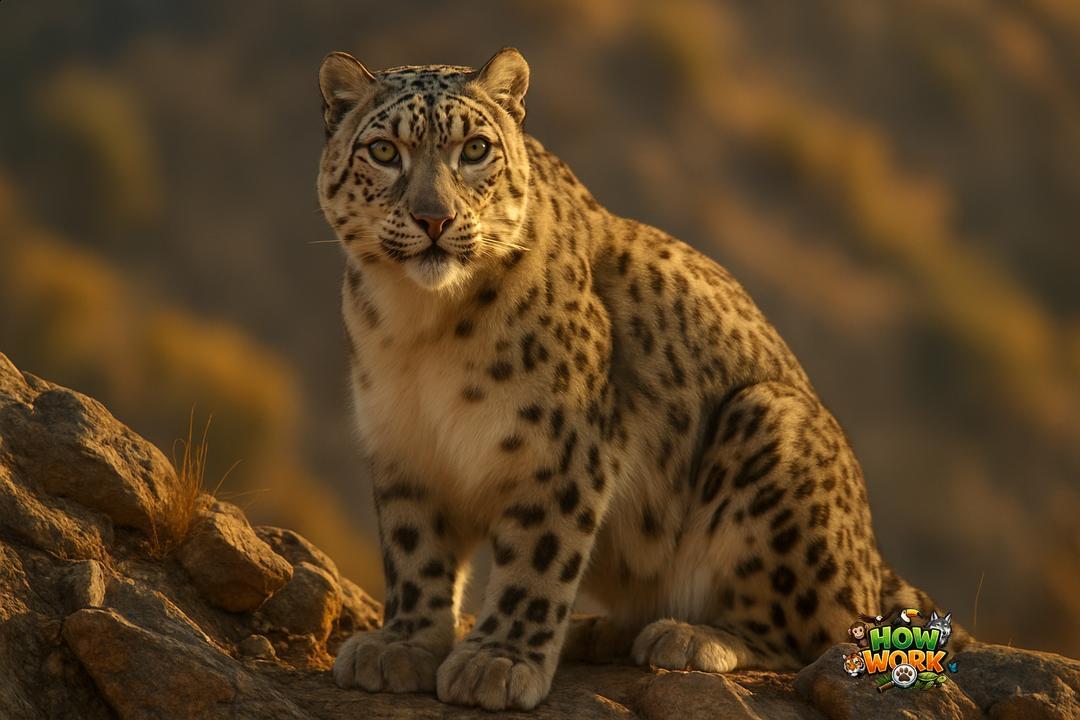
Snow leopards and leopards are iconic solitary hunters. These big cats roam hundreds of square kilometers alone, rarely crossing paths with others outside of mating or raising young. They are crepuscular, active mostly at dawn and dusk in remote mountains.
Snow leopards are especially elusive. Instead of roaring, they let out a gentle “chuff.” Their “ghostly” habits, slipping through rugged terrain without a trace, make them experts at avoiding danger. As anthropologist Rodney Jackson points out, blending in so well is their secret to survival. If you’re out hiking, chances are you’ll never see these silent cats, even if one has just passed by.
Solitary reptiles and birds
Many reptiles and birds are thought to live alone most of their lives. While concrete details are harder to find, solitary vipers and some species of cranes are often cited as classic loners in the animal world.
These creatures rely on silence, camouflage, and independence. If you spot a snake basking alone or a bird flying solo across a marsh, you’re witnessing life on their terms. For solitary pets like snakes and certain birds, providing quiet space mirrors their natural instincts, even in your own home.
The secret advantages of solitary living
Solitary animals have some hidden benefits no crowd can match. Let’s look at why a quiet life can lead to a healthier, more successful animal.
Low disease risk and less stress
Animals that live alone face a lower risk of disease. Groups spread parasites and sickness much more easily. By keeping to themselves, solitary species avoid outbreaks that can wipe out whole families or groups.
They also experience less stress from fighting over food, space, or mates. If you have a solitary pet, a calm and private spot will help them feel safe, mirroring their wild instincts.
Enhanced hunting and feeding success
Hunting and foraging can be easier alone. Animals like leopards and sandpipers hunt solo, letting them use focus and patience without competition. Each kill or meal is theirs alone, no sharing or stealing to worry about.
For the solitary hunter, this quiet advantage can mean the difference between feast and famine. When it comes to nature’s toughest tests, sometimes flying solo is the winning move.
Why understanding solitary animals changes how we see wildlife
Learning about solitary animals changes how we see wildlife. It pushes us to challenge old ideas that every creature craves constant company. Instead, it shows that nature is full of animals with unique strategies, especially those who have mastered independence.
Surprisingly, about 22% of mammal species live alone for most of their lives. Studies have revealed that being solitary isn’t a sign of weakness or sadness, but often a smart adaptation to their environment. Animals like snow leopards, maned wolves, and vipers have rich inner lives and complex behaviors, just different from social species.
Seeing this diversity helps us avoid simple labels. For example, many species blend social and solitary habits based on age, season, or need. When we understand these patterns, we gain new respect for independence as a way to thrive, not just ‘get by.’
Next time you spot a wild creature alone in the field, or notice your own pet choosing a quiet corner, consider it a sign of healthy adaptation. Wildlife diversity includes loners as much as it does team players. By respecting these differences, we make smarter choices for both wild and domestic animals.