
Parasitic Relationships: Understanding Nature’s Freeloaders
Animal parasites shape ecosystems and pet health. Learn how these freeloaders spread, which risks matter, and smart prevention tips for every animal lover.
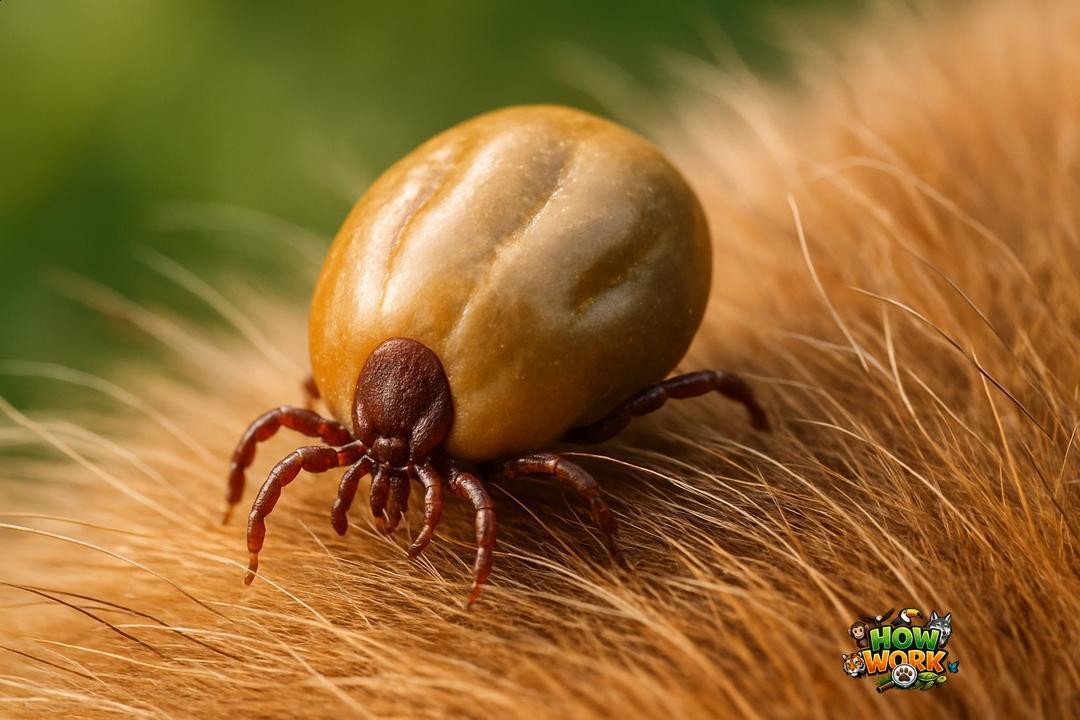
If you share life with pets, roam the outdoors, or simply marvel at wildlife, you’ve probably worried about unwanted hitchhikers. Parasites, those persistent freeloaders, manage to thrive at the expense of animals everywhere. But what are they really doing, and how much danger do they pose to our furry friends and even to us?
A growing number of pet owners and animal lovers worry about animal parasites as global travel rises and shifting climates allow these invaders to pop up in new places. Research shows some species, like cystic echinococcosis, can cause thousands of deaths in people each year. For animals, parasites can sap energy, trigger disease, and, in some cases, become a threat to entire animal populations.
Yet most guides stop at listing symptoms or recommending the same old worming treatments. They rarely explain when you should really worry, how to spot subtle signs of infestation, or what new research says about prevention. Quick fixes often miss the complexity of living with and protecting against parasites, especially when environments and risk factors keep changing.
In this guide, you’ll find a practical look at how parasites operate, the real risks (for families and animals), and smarter strategies for preventing trouble. We’ll dig into the newest science, unmask the hidden costs, and help you spot danger, so you can keep your animals thriving, not just surviving.
What are animal parasites and how do they operate?
Let’s break down what animal parasites really are and how they work. These sneaky creatures are everywhere, hiding in, on, or around their hosts. They survive by taking food and energy from animals, often without being noticed until there’s a problem.
Types of parasites: helminths, arthropods, protozoa
There are three main types of animal parasites: helminths (worms), arthropods (like ticks, lice, and fleas), and protozoa (single-celled). Each group brings unique risks. For example, roundworms like Ascaris can grow long inside pets or livestock, causing serious illness. Toxoplasma gondii, a protozoan, hides in cat intestines and can spread to people. Arthropods like ticks are both parasites and disease vectors; they can carry Lyme disease or transmit viruses. A practical tip: after hikes or walks in tall grass, check pets and family members thoroughly for ticks to avoid disease.
Internal vs. external parasites explained
Animal parasites can be internal or external. Internal ones (like tapeworms or protozoa) live inside organs or body tissue. External ones (like fleas and lice) stick to the skin or fur. Internal infections often go unnoticed at first, sometimes the first clues are weight loss or a dull coat. External parasites cause itchy skin, hair loss, or visible sores. Regular vet checkups and grooming help catch both types early. Use monthly preventives recommended by your vet for best protection.
Defining parasitic relationships in animals
Parasitic relationships can be harmless, or deadly. Some infected animals show no symptoms at all. Others lose weight, become weak, or even die if many parasites attack at once. In livestock, parasite infestations can cut meat or milk production and hit farmer’s wallets. Experts estimate over 1,000 species of parasites affect domestic animals worldwide, so staying informed is key. Watch for subtle signs in your pets and talk to your vet about customized parasite prevention plans.
The impact of parasites on animals and humans
Parasites do more than just bug your pets. They can impact health, finances, and even food security for people and animals alike. Let’s see exactly how.
Health effects: pets, livestock, wildlife
Parasites trigger health problems in all animal groups. For pets, studies show 21% intestinal infection rates in dogs, mostly from worms like Giardia and hookworm. Livestock suffer too. Parasites can lead to up to 20% milk loss in dairy cows and stunt growth in young animals. In wildlife, infections like Toxoplasma and Cryptosporidium can pass silently between animals until disease outbreaks occur. Stay alert for signs like diarrhea, weight loss, or dull coats, and always follow your vet’s screening advice.
Zoonotic threats: when animal parasites infect humans
Zoonotic threats are a real worry. This means some animal parasites can infect humans, too. Eating undercooked meat exposes people to cysticercosis and echinococcosis, both potentially deadly. Certain cats and wild animals carry parasites that can cause days, or weeks, of illness. Wash hands after handling animals and cook meat well to reduce your family’s risk.
Economic consequences for families and farmers
The economic costs of parasites are huge. Worldwide, animal parasites cause billions in annual losses to the farming industry through weight loss, less milk, and vet bills. Families dealing with loss of income or unexpected vet expenses can fall into debt. There’s another problem, drug-resistant strains mean treatments can fail. Experts suggest regular monitoring and working closely with your vet or local extension office to manage risk.
Recognizing and preventing parasite problems
Knowing what to look for is the first defense against parasites. Good prevention and early action can keep your pets and home healthy all year.
Common symptoms to watch for in pets
Watch for signs like itching and scooting. Other symptoms include vomiting, diarrhea, weight loss, or visible worms in stool. Sometimes you’ll notice a dull coat or your pet just seems tired. Dogs and cats might also scoot or chew at their tails and rear. If you spot these, separate sick animals to avoid spreading parasites at home.
Best practices: deworming, year-round prevention
Year-round prevention is the gold standard. Experts recommend monthly deworming and monthly heartworm and intestinal parasite prevention, especially in high-risk regions. Consistent flea and tick control helps block tapeworms. “Preventive medications are really the best way to combat these parasites… less expensive and much safer,” shares Dr. Gary Brummet. Always follow your vet’s advice, different pets and lifestyles need tailored plans. Clean bedding and pick up pet waste quickly to limit risk.
Latest diagnostic tools
Modern tests catch parasites early. Vets use blood tests, fecal flotation, and rapid antigen screens for diagnosis. Annual screenings are essential, even if your pet seems healthy. Tools like fecal PCR can spot infections before symptoms show. Routine vet checks and annual tests are your best defense against lingering or hidden parasites.
Modern challenges: climate change, travel, and new parasite threats
Parasite threats are changing fast. Warmer weather and more global movement mean new risks, for animals and people.
How warming climates affect parasite regions
Parasite habitats expand as temperatures rise. Mosquitoes, ticks, and other vectors now survive in areas that used to be too cold. By the 2040s, studies predict 79% of extra malaria cases and 93% of deaths in Africa could be tied to extreme weather. Parasites may soon threaten places that never had to worry about them before. Keep up with local vet news, especially if you live in or near newly affected regions.
Travel and global spread: trends and risks
Travel spreads disease fast. When people or animals move, parasites can hitch a ride. Global mobility increases outbreaks and brings parasitic diseases to new areas. Some controlled regions have seen diseases return due to reintroduction from travelers or traded animals. Check guidelines before traveling with pets, and always consult your vet about risk in your destination or home region.
Innovations in broad-spectrum control
AI forecasting helps fight parasite outbreaks. Scientists now use artificial intelligence and climate data to predict where outbreaks will happen next. New tools let experts track parasites, weather, and human or animal movement all at once. According to UN data, 3.6 billion people are at risk in climate-sensitive regions. Coordinated vet and public health action makes a big difference, get to know your area’s parasite alerts and prevention programs.
Why understanding parasites is key for responsible animal care
Knowing about parasites is essential for responsible animal care. This knowledge protects animals, people, and can save you money down the line. Ignoring parasites causes pain, poor health, and can lead to life-threatening disease in both pets and livestock.
More than 1,000 parasite species affect domesticated animals. Some infestations, like heartworm or tapeworm, remain invisible until they’re severe. Undetected, these can cut productivity on farms and force expensive treatment or losses, farmers lose billions each year due to parasites. For pet owners, routine prevention and annual checks can stop these issues before they start.
Zoonotic risk is a big deal. Parasites like fleas and ticks can infect people, too, spreading Lyme, tapeworms, or even anaplasmosis. Children, seniors, and immunocompromised family members are especially at risk. Clean living spaces and early intervention protect everyone under your roof.
Experts agree: “Administer year-round broad-spectrum parasite control… Control of parasites with zoonotic potential is essential.” For best results, tailor parasite control to your animal’s age, region, travel, and risk. Review your prevention plan at least once a year with your vet. Responsible care always starts with prevention and staying alert. Understanding, and acting on, the risks is the best way to keep your animals healthy, happy, and safe.