
Traveling with Pets: A Guide to Safe and Stress-Free Trips
Traveling with pets made easy, discover safety tips, gear essentials, and how to plan truly stress-free adventures with your furry companion.
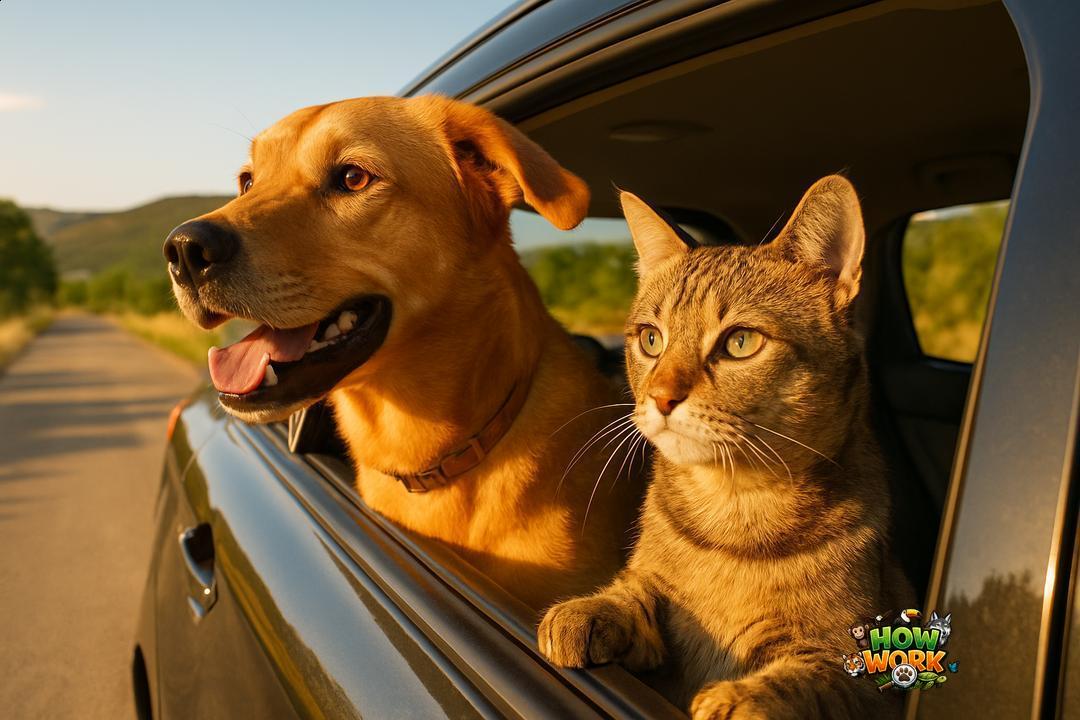
Imagine planning the perfect road trip or getaway, but every time you look at your furry companion, you’re torn. Leave them at home and worry nonstop? Or bring them along and face the unexpected? It’s a dilemma most pet owners know too well.
Traveling with pets isn’t just a sweet idea, there’s a growing number of pet owners eager to include their animals in travel plans. According to experts, more hotels, airlines, and even destinations now cater to four-legged guests. Yet, traveling with pets poses challenges, from safety and health concerns to navigating complicated regulations.
Many common guides oversimplify things, listing generic tips or skipping the real tricks for peace of mind. But packing a bowl and leash isn’t enough. What about crash-tested carriers, direct flight strategies, or preparing for breed restrictions at hotels?
This article takes a different approach. You’ll find evidence-backed tips, expert input on comfort and safety, and practical advice for every leg of the journey. Whether you travel cross-country or just across town, you’ll be ready for truly stress-free adventures, together.
Pre-trip essentials: health checks and prep work
Getting ready for pet travel means more than just packing a leash. You need a health check, updated paperwork, and smart packing to keep your pet safe and happy along the way. Each detail matters when it comes to avoiding last-minute stress.
What to ask your vet before traveling
Start with a vet exam one month before travel. Ask the vet if your pet is fit for the journey, and be clear about your exact destination. For international trips, you need a USDA health certificate within 10 days of departure. Double-check that your pet’s rabies vaccination is up to date, and remember there’s often a 21-day wait after the shot before travel is allowed.
Check if your pet needs extra vaccines like Bordetella for kennels, or tapeworm treatment for some countries. Bring up motion sickness, regional parasites, and behavior on the road. Ask about calming supplements or anti-nausea meds to start 12 hours before you go. If your pet is microchipped, verify it can be read by international scanners. One actionable tip: Write your vet’s number on a card you keep with you, helpful if problems pop up mid-trip.
Required records and documentation
You need a travel folder with records and ID. The basics: rabies certificate (with microchip number, dates, vet’s signature), proof of microchip, and destination-required vaccines such as leptospirosis. International travel may mean a pet passport or Animal Health Certificate showing all shots, microchip details, and even tapeworm treatments.
Include flight details, your travel address, and a list of emergency vets along your route. One real-world trick: carry a recent photo of your pet in the folder. If your pet gets lost, you’ll have proof and a quick way to make flyers.
Packing a pet travel kit
Food, water, and first aid kit, never skip these. Make sure you pack collapsible bowls, leash or harness, waste bags or litter box, and a comfy blanket. Bring favorite toys for comfort, all medications, and extra doses for emergencies.
Keep health and vaccine records handy. Add ID tags to collars and bring a spare. Experts suggest adding cooling towels if you’re traveling in summer or a shade umbrella for long stops. Remember, hydrate every 2 hours during breaks and never feed a big meal 3–4 hours before leaving. That’s a key trick to preventing motion sickness.
Choosing the right carrier or harness
Your pet’s safety on the move starts with the right gear. Choosing between a crate and a harness depends on travel style, pet size, and personal comfort. The key is to match your pet with equipment designed for their safety.
Crate vs. harness: safety and comfort
Crash-tested harness or carrier is the gold standard for car travel. Harnesses offer dogs better control and reduce stress on the neck. For cats, a sturdy crate or carrier is usually safer, giving them a dark, protected space that helps calm nerves.
Consumer Reports and Center for Pet Safety tests show that only a few harnesses and carriers actually protect pets in a crash. Airline-approved carriers often need to fit under seat size rules (15–20 pounds max). One example: for road trips, use a crate that’s just big enough for your pet to stand and turn, too large and your pet slides in a sudden stop.
For quick walks or play breaks, harnesses are safer than collars. They prevent injuries to the throat, especially in pullers or very small breeds. An expert tip: “A loose harness means an unsecured animal in an accident, so check and adjust every stop.”
Measuring your pet for a perfect fit
Snug fit, not tight is the rule. Use a tape measure for chest, neck, and length. For harnesses, look for models with five points of adjustment (shoulders, chest, and waist). This ensures the harness stays secure without rubbing or pinching.
When sizing a crate, allow enough room for your pet to stand, turn, and lie down. For cats or small dogs, add a bowl for water and space for a blanket. The “2-4 finger test” is simple: you should be able to slip two fingers (or up to four with larger breeds) between straps and your pet’s body, no more, no less.
If your pet is a puppy or kitten, measure for what they’ll grow into for trips later in the year. Real-world advice: always try new gear at home first and let your pet get used to it before your trip. This can prevent big meltdowns on travel day.
Navigating airline, train, and hotel rules
Travel rules for pets can surprise even seasoned travelers. Every airline, train, or hotel sets their own, and they can change often. Start your planning early to avoid last-minute troubles.
Airline policies and breed restrictions
No breed restrictions for in-cabin pets, if your pet fits the carrier, most airlines will allow them. Some airlines ban specific breeds in cargo, especially brachycephalic breeds (Pugs, French Bulldogs, Pit Bulls, Shih Tzus) due to breathing risks. American Airlines and others post detailed breed lists for cargo travel, so always double-check before booking.
On Delta and JetBlue, in-cabin pets must meet weight and carrier size limits (JetBlue: 20 lbs combined weight). Pets must be at least 8 weeks old for domestic flights. Each flight typically limits 4–6 pets per cabin, so spots fill fast. Action tip: Always confirm current policies with the airline, rules often change with short notice.
Tips for pet-friendly accommodations
Advance pet reservation a must. Not all hotels or rentals allow pets, so book well ahead. Some hotels cap the number of pets per room and restrict certain sizes or breeds.
Check for pet-friendly perks like designated relief areas, pet beds, or walking maps. Ask about fees and whether pets can be left unattended in your room. Practical example: Some chains, like Kimpton Hotels, let pets stay free and provide water bowls on request, be sure to ask!
Pet fees and advance reservations
$75–$225 airline pet fee is standard depending on the carrier and destination. Delta charges $150 for US flights, JetBlue $125, and international routes often cost more.
Airlines cap how many pets can ride in-cabin per flight. Always reserve your spot as soon as you book your ticket. Helpful tip: Fees and pet policies can change by season or location, so confirm all details before traveling, and save email confirmations just in case.
On the road: making car travel safe and comfortable
Road trips are fun, but safety comes first for both you and your pet. Treat your pet like any family member, plan for the safest trip possible, and they’ll travel better each time.
Securing your pet in the vehicle
Your pet must be restrained like children in the car. Use a secure carrier or harness every single drive. Unrestrained pets can become projectiles in a sudden stop or escape if a door opens. Experts say, “a loose pet in the car is never safe.”
Place crates in the back seat, never the front, to avoid airbags. Check that harnesses or carriers are tightly attached to seat belts. Real tip: Practice short drives to help your pet adjust before a long road trip.
Routine breaks and hydration
Take two-hour breaks to stretch and hydrate. Get out, walk, and offer water at each stop. NHTSA and travel experts recommend 5–10 minute walks for both pets and owners to reduce stress and keep blood flowing.
Packing fresh water and snacks makes things easier. Example: Carry a collapsible bowl and refill your pet’s water at every gas station break. Hot days? Keep a spray bottle for cooling off.
Managing stress and motion sickness
Calm the pet naturally with soothing music, cool air, and gentle praise. Avoid bulky blankets or clothes that might trap heat. Some pets are prone to motion sickness, keep windows cracked for ventilation and feed a light meal 3–4 hours before the drive.
If nausea hits, pull over for fresh air and a short walk. Expert advice: try a favorite toy or calming pheromone spray for anxious travelers. Give your pet lots of reassurance, and take a break if they seem overwhelmed.
Flying with pets: safety, stress, and direct flights
Flying can be a stressful experience for pets. With the right choices, your pet can arrive safely and with less anxiety. Planning the route, preparing your pet, and avoiding shortcuts are critical steps.
Cargo vs. in-cabin travel
In-cabin travel is safest for small pets. They stay with you, avoid rough handling, and the noise level is lower. Brachycephalic breeds like Bulldogs and Pugs should never fly in cargo, their breathing issues put them at higher risk.
Cargo travel is more stressful and linked to mishandling or temperature problems, especially during layovers. Airlines require owners to confirm loading at the gate. For maximum safety, always opt for in-cabin if possible. One tip: Fly with a direct route to lower risk of delays or lost pets.
Avoiding sedation: expert advice
Avoid sedation: expert advice says sedatives can impair breathing and your pet’s ability to self-regulate body temperature. Even in healthy pets, sedation is rarely recommended for flights. Instead, focus on crate training before flight, as familiar routines and scents reduce anxiety naturally.
Action step: Let your pet nap inside the crate for a week or two before the trip. Bring a blanket that smells like home, and walk your pet before heading to the airport. This helps calm nerves without raising new risks.
Choosing routes and layovers wisely
Direct flights reduce stress and are nearly always safer for pets, especially in hot or cold weather. Each layover increases the dangers of misrouting, missed connections, and temperature changes, main risks identified by travel experts.
If a layover is unavoidable, try to choose airports with pet relief stations and mild climates. Practical advice: Confirm with airline staff at every change point that your pet has safely transferred. With careful planning, most healthy pets recover well after flights, but stress and dehydration remain top concerns to manage every trip.
Comfort tips: maintaining routines and reducing anxiety
Travel shakes up routines for everyone, pets included. But you can ease their stress with the right comforts. Focus on the basics: familiar objects, steady routines, and gentle calming tools.
Using familiar toys and blankets
Familiar toys and blankets can make any hotel, train, or car feel like home. Pets relax faster on their favorite bed or snuggling with a well-loved toy. Stability, like the same blanket or crate mat, provides a predictable “safe zone” when everything else changes.
Real tip: Bring an unwashed blanket or their regular sleeping pad, especially for sensitive animals. These scents signal safety and help reduce anxiety during travel.
Feeding and playtime on the go
Keep meal and play times close to your normal schedule. Consistent feeding and exercise ease anxiety and prevent digestive surprises. Steady routines create stability, even if the scenery is new.
Example: If you usually feed dinner at 6 p.m., stick as close to that as possible, even in a new time zone. Short play breaks at rest stops or in pet-friendly hotel spaces also help pets unwind and sleep better.
Calming aids and natural remedies
Calming aids and natural remedies can lower stress for anxious pets. Research in humans supports deep breathing and gentle sensory cues. For pets, this can be slow petting, soft music, or a brief massage during travel lulls.
Try herbal sprays or pheromone diffusers if your pet gets anxious. And remember, flexibility is key: “Consistency > perfection,” so adjust routines as travel demands. Give special attention to routines like sleep and feeding for the biggest calming effect.
Your pet’s passport to positive memories: building travel confidence
Building travel confidence takes time and positive experiences. Most pets grow braver and happier travelers with each safe, well-planned trip.
Start by introducing new routines slowly. Let your pet explore their travel crate at home, using treats and gentle encouragement. Experts stress that gradual exposure, weeks before your trip, reduces anxiety and sets the stage for success. Keep routines steady on the road: feed, walk, and play at familiar times.
Real-world signs of stress, like pacing, yawning, or panting, show your pet needs comfort and reassurance. Scheduled pit stops every 2–3 hours give time for relief, water, and play, making travel more like adventure than ordeal. For flights, book early and double-check health paperwork and microchips to avoid quarantine or delays.
Digital pet passports can streamline travel and help you organize records. A health certificate is required for US flights, while a pet passport is key for international trips. An expert says, “With every safe and happy trip, your pet will gain confidence, and you’ll grow closer.” The real reward? Positive memories and a stronger bond with your animal friend, travel is about connection, not just logistics.