DIY Pet Toys: Crafting Fun and Safe Enrichment for Your Animals
DIY pet toys boost fun, enrichment, and bonding. Discover safety tips, eco-friendly ideas, and unique projects for happy pets at home.
Ever bought a pricey pet toy only to watch your furry friend play with the box it came in? You’re not alone. Many pet lovers feel the tug between wanting to spoil their animals and wondering if there’s a more personal, creative way to meet their pets’ play needs.
Growing interest in homemade enrichment is more than a fun trend, experts say that diy pet toys can boost problem-solving, reduce boredom, and bring joy to pets and people alike. Upcycled toys not only save money, they’re also a way to reduce waste and add a heartfelt touch to playtime. But what’s safe? How do you make something both fun and durable?
Too many quick guides skip over safety steps or reuse the same ideas: tennis balls, old ropes, or sock-balls, again and again. What’s missing? Real insight on tailoring enrichment to your specific animal, tips for troubleshooting frustration, and clever, sustainable methods backed by experience (not just Pinterest boards).
This article goes further: you’ll get expert-backed safety advice, creative upcycling inspiration, and nuanced tips for different species. Whether you want a brain-busting treat puzzle or just a cozy crinkle toy, you’ll find practical, rewarding projects here, plus guidance on keeping every play session safe and enriching.
Essential materials and basic safety for DIY pet toys
Choosing the right materials and putting safety first makes all the difference when making pet toys at home. Even the most playful dog or curious cat needs toys that won’t put their health at risk.
Choosing safe materials
Natural rubber and cotton are top picks for homemade toys. Many experts suggest using hemp, organic cotton, or responsibly made recycled fabrics for ropes and chews. Old T-shirts, towels, or fleece scraps work well, too.
These materials are sturdy and less likely to break apart. Try braiding strips of T-shirt tightly for a lasting tug toy. Natural rubber makes a great base for chew toys because it’s tough but gentle on teeth.
What shouldn’t be used in pet toys?
Dangerous plastics and toxins can turn a toy into a hazard. Brittle plastics like cheap bottles or cardboard may splinter, cutting gums or causing choking. Never use PVC pipes or unknown fabrics, they might carry harmful chemicals or fray quickly.
Skip toys with small removable parts, as these are easy to swallow. When using upcycled materials, make sure there aren’t any hidden metal pieces, zippers, or loose threads. Always supervise if you try a bottle toy, since broken bits can put your pet at real risk.
Basic inspection and maintenance tips
Inspect toys regularly for fraying or damage. The safest toys are tightly braided, with no gaps or loose ends. If you spot a frayed rope, a cracked bottle, or loose stuffing, throw it out right away.
Safe sizes matter. Pick toys that fit your pet’s mouth and strength. Supervise play, especially with homemade toys, and replace them at the first sign of wear. A little prevention keeps playtime positive and safe for everyone.
Upcycling everyday items: eco-friendly toy ideas that reduce waste
Did you know that making toys from old household items can help fight pollution and spark creativity? Every upcycled toy keeps waste out of landfills and oceans, supporting a healthier planet for your pet.
Turning t-shirts into tugs and braids
Upcycled T-shirt ropes are eco-friendly and easy. Braiding old T-shirts into ropes or braids gives pets a safe toy and saves resources. Experts point out that reusing just 1 kg of fabric saves 20 liters of water. Try knotting three strips tightly to make a durable tug toy, no sewing required.
Cardboard box puzzles and games
Cardboard box puzzles are perfect for enrichment and creativity. Cardboard mazes, tunnels, or simple hide-and-seek puzzles can be decorated with non-toxic paints or markers. Make a “find the treat” game by cutting holes in the box and dropping snacks inside. Super simple, and pets love it.
Safe use of plastic bottles and other recyclables
Supervised bottle projects can be fun and educational. Global experts warn that 14 million tons of plastic reach oceans each year, so every reused bottle matters. Make a treat dispenser or bird feeder with a clean plastic bottle, but always remove small parts and get adult help to cut sharp edges. Only use non-toxic materials for decorating, and keep playtime supervised. That makes eco-friendly fun safe for all paws and claws.
Tug, chew, and treat: types of homemade toys and their enrichment value
Toys aren’t just for fun, they help pets learn, relax, and use their natural skills. The right homemade toy keeps animals curious, busy, and happy.
Tug and chew toys for different species
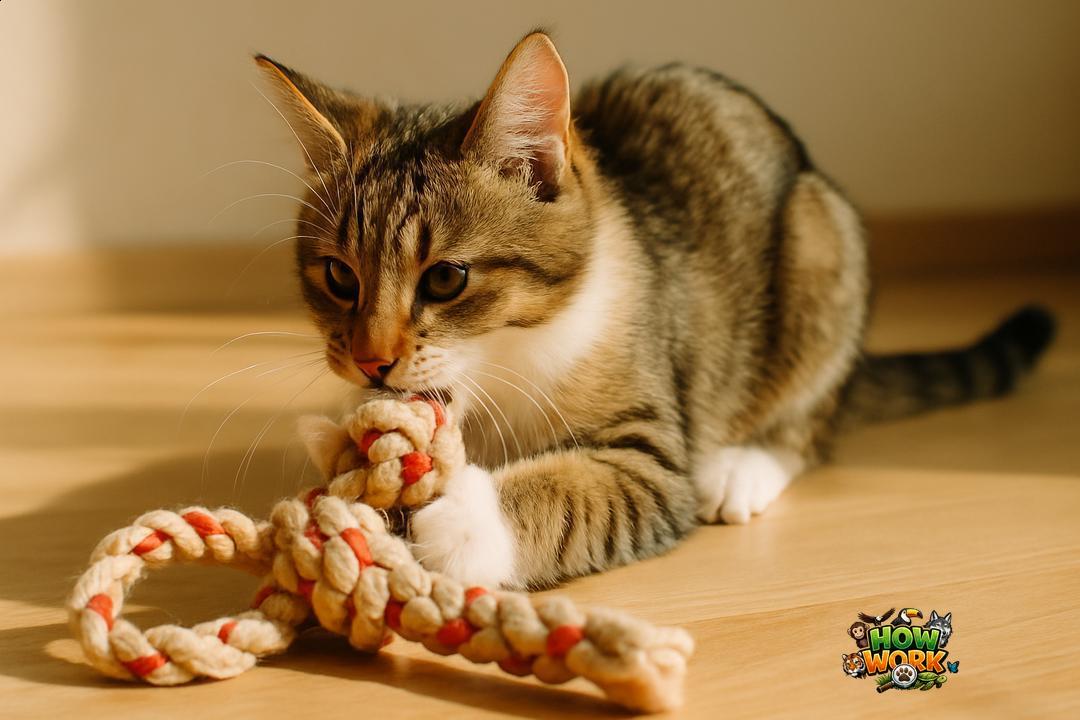
Braided rope toys are ideal for dogs. Take an old T-shirt and braid strips into a simple tug. For cats, try cardboard tubes with holes, batting out a treat works their hunting instincts.
Most DIY toys aren’t meant for big chewers. Large or strong dogs can shred boxes instead of delicate handmade toys. Switch things up based on how your pet plays.
Hidden-treat and puzzle toys for brain games
Snuffle mats and puzzles give pets a brain boost. Hide food in a rolled-up towel or a muffin tin covered with tennis balls. These games make your dog sniff, search, and solve problems, which releases positive chemicals in the brain.
Busy boxes with treats and paper let dogs dig or forage. For cats, fill small boxes with layers for hiding treats or toys. These ideas help burn energy and can even lead to better sleep after play.
How to match toy type to your pet’s needs
Match to instinct and energy level. Dogs that love foraging do well with snuffle mats and puzzles. Tug toys with rules are great for emotional control, while shredders get safe boxes to destroy.
Rotate your homemade toys so pets don’t get bored. Always supervise play, especially if trying new DIY projects. This keeps both enrichment and safety in check every time your pet plays.
DIY for different animals: tailoring enrichment to your pet
Every animal has a favorite way to play. Matching homemade projects to your pet keeps their mind and body active every day.
Dog-focused DIY projects
Scent trails and food puzzles are best for dogs. Create a snuffle mat from felt or fabric scraps. Hide small treats in the folds to challenge your dog’s nose and brain.
Try a busy box by filling an old shoebox with toys, socks, and snacks. For a unique twist, lay a scent trail around your home using safe food bits, let your dog track the smell for their reward. Rotate these projects often so your dog doesn’t get bored.
Cat enrichment toys with household items
Cardboard box castles and tunnels keep cats moving. Stack boxes to build a mini-fort for hiding and climbing. Use tape-free rolls or egg cartons to make simple food puzzles, just drop in treats and let your cat paw them out.
T-shirt tunnels work for cats who like to dash and hide. Add a string or soft ball for batting so your cat gets exercise and lets out hunting energy. If possible, swap toy setups weekly to keep things exciting.
Small mammal and bird DIY options
Hidden food rolls and safe shredding toys are big winners. For rabbits or guinea pigs, stuff toilet paper tubes with hay and veggies to create natural puzzles.
Birds love paper shredders, try stringing up knotted paper strips or making climbing perches with safe wood and rope. Expert advice: rotate and inspect these toys every week, as small pets can get bored quickly with the same old thing. Always use non-toxic, pet-safe materials for the best results.
Creative upgrades: unique, quirky, or trending pet toy ideas
Want to move past the basics? Fresh twists on homemade toys can keep pets curious and happy. Adding scent, sound, and new textures makes a big difference.
Catnip and crinkle innovations
Catnip and crinkle combos drive cats wild. Fill a sock or felt pouch with catnip and a piece of washed snack bag for crackle. Recent trends include using freeze-dried catnip for even stronger results.
Try mixing herbs and switching crinkle sources to see what your cat likes best. Expert tip: always sew pouches tightly and avoid plastic staples or glue.
Interactive cardboard games
Maze and puzzle boxes work across species. Make a cardboard maze with cut-out paths and hidden treats. Dogs and cats both enjoy fishing for snacks or batting balls through holes.
Level up by adding tiny bells or changing the treat spots each playtime. These are easy to recycle when worn out.
Customizing toys for multi-pet households
Play styles differ, so build multi-pet stations. Use stacked boxes, ropes for pulling, scratching posts, and rolling bottles for group play. Each pet should have its own zone to avoid squabbles and match favorite textures.
Rotate toys and swap features weekly, like refilling crinkle or changing herbs, so every animal feels like playtime is fresh. It keeps even the smartest pets from getting bored.
The limits of DIY: when and why to supervise and replace homemade toys
Homemade toys are fun and affordable, but they do have limits. Safety comes first, so regular checks and close supervision matter a lot.
How often should you check and replace toys?
Check toys weekly to spot trouble early. For heavy chewers or playful pets, look every few days. Many experts recommend setting a “toy day” once a week to inspect everything.
If you find damage, replace the toy right away. Quick action is safer and usually cheaper than a vet bill.
Signs your pet toy is no longer safe
Loose pieces or stuffing mean danger. Watch for unraveling, sharp edges, or wet spots. If a toy looks chopped up, throw it away before it causes choking or tummy problems.
Homemade toys often break down faster than store-bought ones. Follow your gut, if it looks off, it’s time to toss it.
The importance of supervision during play
Active supervision is key with DIY pet toys. Choking and tangles happen fast, especially with fabric or plastic toys. Real life shows even a small tear can turn risky if you’re not watching.
Be present during play, and limit DIY use when you’re away. Having a simple check-list for toy safety can really help keep your pet safe and happy every day.
So what does this mean for your pet’s play routine?
You can adapt play routine to fit your pet’s real needs. DIY toys make it easy to offer personalized enrichment for dogs, cats, birds, or small mammals, all without breaking the bank.
Experts say that switching toys weekly keeps pets curious and less likely to get bored. Even short play sessions, a quick 15-minute game, can lift your pet’s mood and sharpen their mind.
Monitor for safety and change play styles often. For example, one week set up a cardboard puzzle, and the next try a homemade tug or scent trail.
Little adjustments turn every play session into something special. These small changes, big results approach helps pets learn, move, and bond with you every single day.