Extremophiles: Animals That Thrive in Extreme Environments
Extreme environments animals amaze with survival skills. Discover unique adaptations and rare success stories in the wild's harshest places.
Imagine waking up in a desert scorching at 120°F, or deep under Antarctic ice where the sun never rises. Most animals wouldn’t last a day, but for some, these extreme environments are home.
The animal kingdom is full of astonishing survivors. From the heat-proof Pompeii worm to the nearly indestructible tardigrade, nature has developed incredible ways to conquer the planet’s harshest corners. Scientists now study how these species manage feats like surviving solar radiation or thriving in radioactive lakes, a growing fascination as global change pushes more habitats to their limits.
Most guides only scratch the surface, waving at “adaptation” without showing how it really works. They rarely dive into why some animals thrive where others fail, or how urbanization creates entirely new extremes that test biology in ways we’re just beginning to explore.
Here, you’ll get a forensic look at the secrets of survival: ingenious adaptations, real-world case studies, and how understanding extreme environments animals might help us prepare for an unpredictable future. Ready to challenge what you think you know about life on Earth? Let’s get started.
How do animals survive the harshest environments?
How do animals stay alive in places most of us can barely imagine? They use special adaptations that let them not just survive, but often thrive where few others can.
Physiological adaptations: surviving heat, cold, and more
Animals survive extreme environments using unique features in their bodies.
Take Arctic foxes. They can handle -50°C winters thanks to a smart blood flow system in their paws and thick, fatty fur that works like natural insulation. Their paws even contain special fats that stay flexible in deep cold, think of them as built-in snow boots.
Emperor penguins have dense feathers and a special fat layer, but their edge comes from their bodies’ control over heat. These penguins also huddle together, which cuts their heat loss by 50%, like turning a bunch of chilly birds into a human-sized hot water bottle.
On the other end, camels and desert animals are water champions. Camels store fat in their humps, letting them go weeks without water. Elephants flap huge ears full of blood vessels to cool off quickly. Antarctic krill survive food shortages for over 200 days by shrinking their own bodies to need less energy.
If you own a pet from a harsh climate (like a husky or reptile), mimic their wild environment with proper bedding or temperature controls for their comfort and health.
Behavioral strategies: coping in deserts, polar regions, and deep oceans
Many animals also use smart behaviors to beat the elements.
When the Arctic wind bites, Emperor penguins crowd together, taking shifts so all get warm. In deserts, animals rest in burrows during the day or hunt at night. This keeps them cool and saves water.
Deep ocean creatures avoid sunlight and high pressure by moving to safer depths or burrowing into the sea floor. Some butterflies bask with wings open to soak up the sun when it’s cold, but tuck away and hide when it’s too hot.
If you’re planning an aquarium or paludarium, research the behaviors your chosen species uses to stay safe in the wild, and give them spaces to hide, burrow, or cluster together. Letting your pets act naturally helps them handle stress much better.
Famous extremophiles: Nature’s real survivors
What makes some species the world’s toughest survivors? These nature’s real survivors live, sometimes thrive, where no one else can go. Let’s meet the weirdest and most fearless among them.
Tardigrades: beyond the limits of life
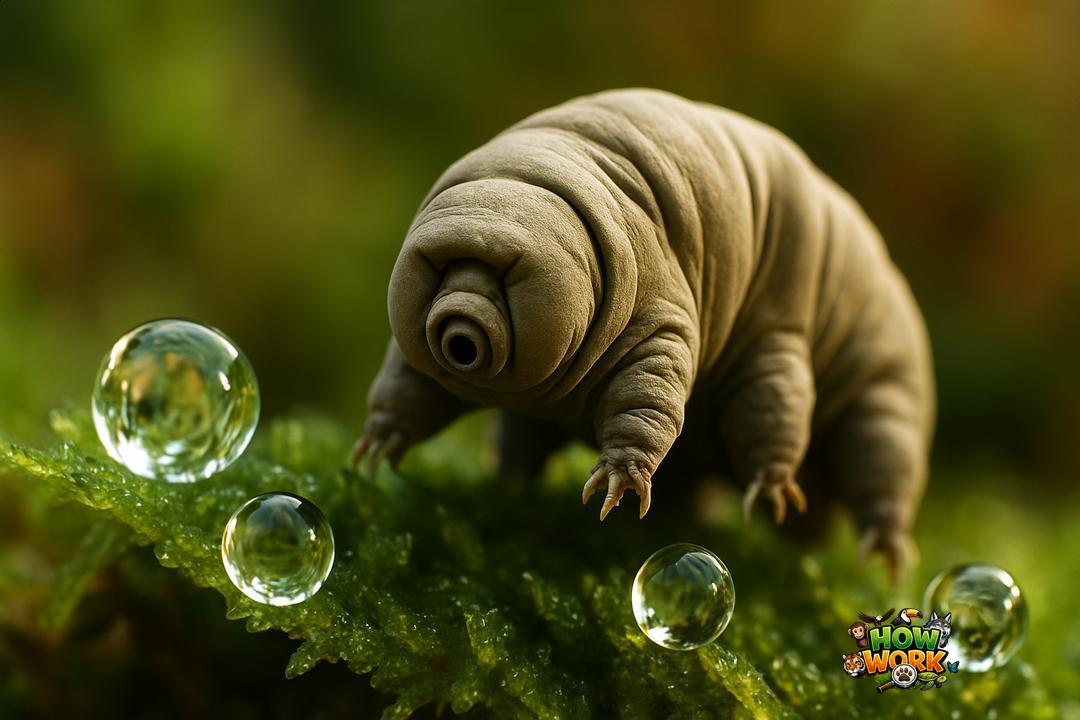
Tardigrades survive in space, boiling, freezing, and pure radiation.
These tiny water bears go into a “tun” state, using just 0.01% of normal energy. They rebounded from -400°F to over 300°F and lived through 6,000 times Earth’s pressure. Tardigrades survived space’s vacuum and solar radiation, making history as the first animal to do so. They even outdate dinosaurs by 270 million years.
Want to see a tardigrade? Look under moss in a city park with a simple microscope, they might be there, ready to revive after decades dry.
Pompeii worms at hydrothermal vents
The most heat-tolerant animals found are Pompeii worms.
Living near hydrothermal vents two miles below the ocean, their tails face searing heat up to 220°F (105°C) while their heads stay cooler by holding onto vent chimneys called “black smokers.” Few other animals could stand these conditions.
If you’re curious about home aquariums, know that nothing we keep as a pet should come from these vent ecosystems, these animals are highly adapted to pressure and heat we can’t mimic.
Animals living in radioactive zones and toxic ponds
A few species can survive radiation or toxic chemicals because of DNA repair.
The bacterium Deinococcus radiodurans withstands radiation doses that would kill a human, thanks to its super-fast DNA repair system. Others, like sulfur-eating microbes, have been found almost 8,000 feet underground or living in asphalt lakes alongside up to 10 million cells per gram.
Scientists study these survivors to learn how to clean up toxic waste and maybe improve our own DNA repair in the future. The lesson: Life can find a way, even in places that seem impossible.
Decoding adaptation: What makes survival possible?
How do living things really pull off survival in places that threaten to destroy them? The answer is all about decoding adaptation, the way their cells respond at the microscopic level.
Antifreeze proteins and salt tolerance
Survival in cold or salty places comes from special proteins and smart cell tricks.
When temperatures drop or the world turns briny, cells shift their energy programs and create proteins that stop ice crystals from forming or shield vital parts from salt damage. Creatures like arctic fish owe their survival to these antifreeze proteins, keeping their blood liquid below freezing.
Even when exact animal data is missing, research shows that all life uses chaperone proteins to help refold damaged ones, or toss them out if too broken. This is key if you own cold-loving pets, keep their habitat steady and avoid sudden temperature swings.
Heat shock proteins and DNA repair
Extreme heat, cold, or toxins trigger the production of heat shock proteins and repair molecules.
These proteins unfold, refold, and rescue other molecules that have been hurt by stress. In humans and animals, they are central for staying healthy under stress, and play a role even in disease like ALS where these systems break down. Over 170 mutations linked to ALS are related to poor protein clean-up.
Learning about these molecules helps pet lovers and breeders spot signs of overheating or illness, stress can pile up fast in unfamiliar conditions.
Comparing natural and anthropogenic extremes
The secret to survival is cellular plasticity, the ability to react fast as the world changes, whether from nature or humans.
Cells run complex networks, like little computers, to cope with cold snaps or sudden pollution. This balance between repair and change keeps life possible, even as new threats keep coming.
Takeaway for readers: Being mindful of sudden stressors, like heatwaves, spills, or chemicals, helps both wild animals and your own pets stay resilient. Small changes in care can make a big difference for their survival.
Extreme environments and the future of wildlife
Wildlife isn’t just battling icy mountaintops or boiling vents anymore. Today, animals face brand new extremes, many caused by humans, and the survival game is changing fast.
Urban and human-caused extremes: new frontiers
City life brings its own form of extreme environment for animals.
Urban foxes now live among cars and concrete, shifting their diets from wild prey to leftovers. Research shows some birds nest on skyscrapers to stay safe from predators. Wild creatures adapting to urban sprawl face traffic, pollution, and noisy nights, all hazards unknown in their ancestral homes.
If you live in a city, making your garden or balcony wildlife-friendly can really help, think bird feeders, water bowls, or native plants.
Impact of climate change and shifting habitats
Warming climates are rapidly altering where many species can survive.
Polar bears lose up to sea ice area the size of Florida every decade, reducing their hunting grounds. Coral reefs bleach and die as oceans warm, while migratory birds shift their routes thousands of miles north or change their schedules completely just to keep up with food and weather.
Keeping up with habitat needs, like providing water during droughts or shelter in heatwaves, can support local wildlife, even in small ways.
Long-term consequences and species resilience
Species resilience depends on adaptation, and some changes are happening faster than animals can handle.
The World Wildlife Fund reports that over 60% drop in wild animal populations occurred since 1970. Still, some species, like coyotes and pigeons, bounce back by learning to thrive in any condition. Many others, though, face extinction if we don’t soften the blow of these rapid changes.
Supporting conservation groups and staying aware of how daily choices affect habitats can give struggling species a fighting chance.
What extreme animals teach us about resilience and change
Extreme animals teach us that resilience and change come from adapting to survive, no matter how harsh the world gets.
Tardigrades can dry out and stay dormant for decades, then spring back to life with a drop of water. Emperor penguins survive Antarctic cold by huddling together, sharing warmth and switching spots to protect the youngest from freezing winds. Urban foxes learn to find food and shelter right in our cities, proving that a flexible mindset is key in new or changing environments.
Many species are living proof that a willingness to try new strategies, whether it’s changing food, working together, or finding new shelter, makes bouncing back from hard times possible. Studies on climate-resilient animals show that problem-solving, teamwork, and quick learning set survivors apart.
The real lesson? If extreme survivors can thrive against the odds, so can we. Small changes and a bit of flexibility, like adding shelter for wildlife, or adjusting routines for a pet under stress, are powerful. Nature’s champions prove that to move forward, being open to change really matters.